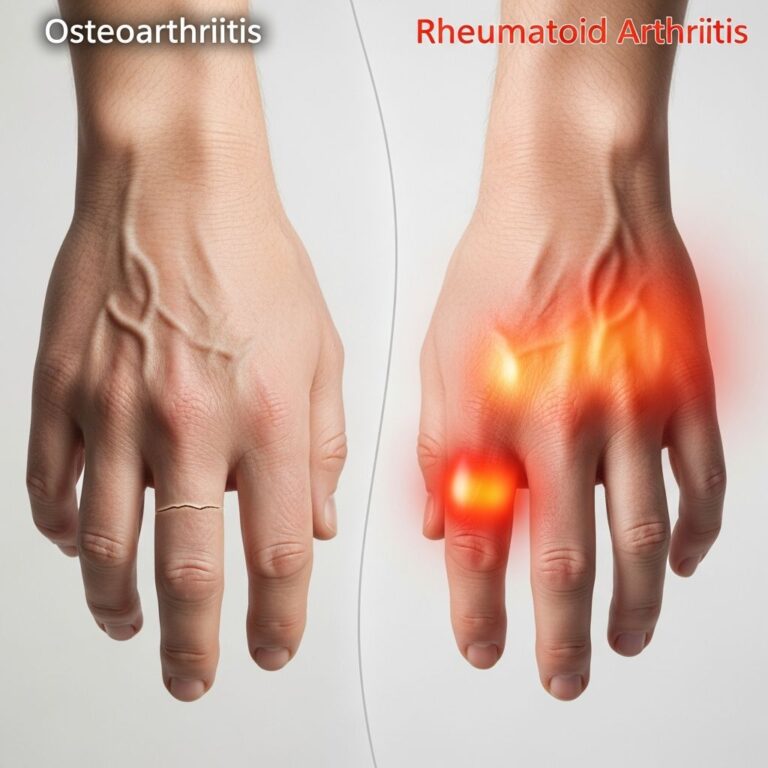
Garlic And Turmeric Benefits: 7 Science-Backed Uses
Discover the powerful health benefits of combining garlic and turmeric for anti-inflammatory, antioxidant, and immune support.
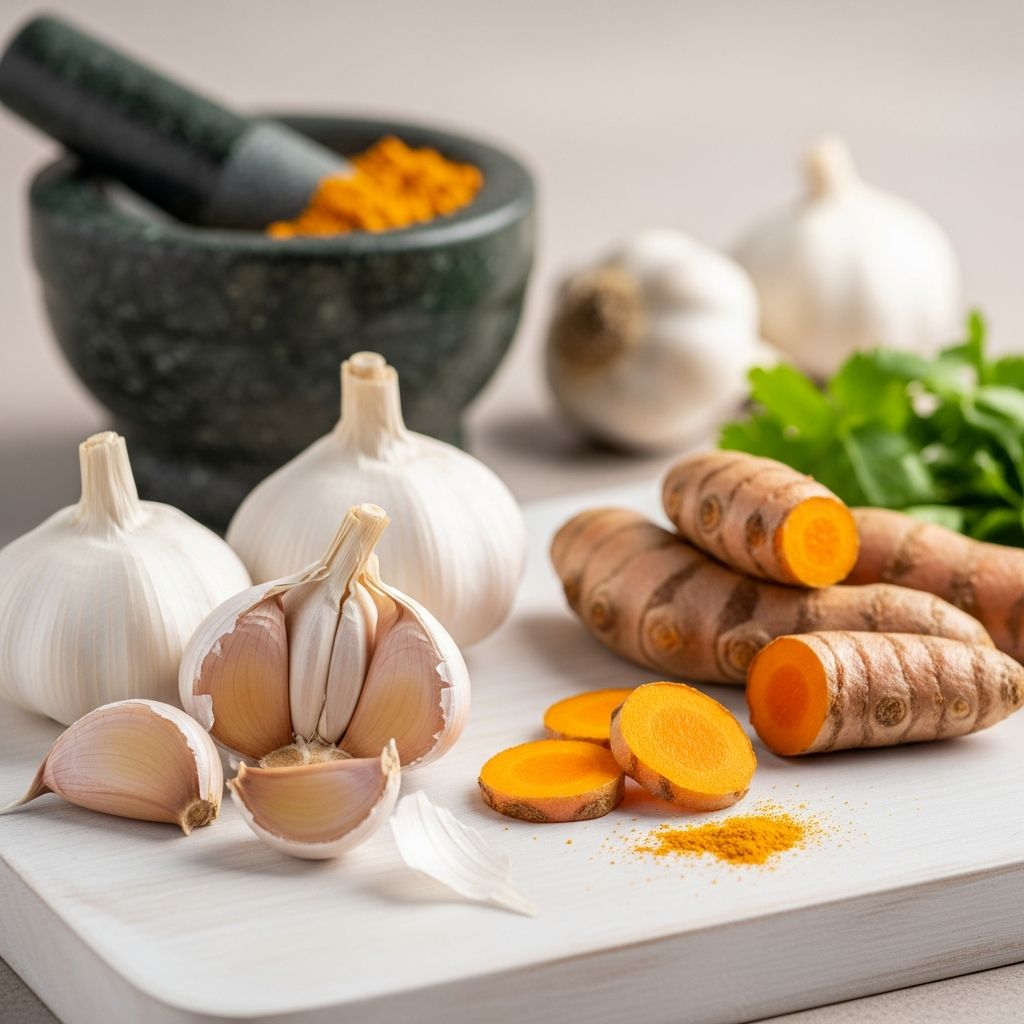
Garlic and turmeric, two powerhouse spices used for centuries in traditional medicine, offer a wealth of health benefits when combined. Garlic’s allicin and turmeric’s curcumin provide anti-inflammatory, antioxidant, and immune-boosting properties that may support heart health, digestion, and chronic disease prevention.
What Is Garlic?
Garlic (Allium sativum) is a bulbous plant from the onion family, native to Central Asia and widely cultivated globally. It has been used medicinally for over 5,000 years in cultures from ancient Egypt to India. Fresh garlic contains allicin, a sulfur compound released when cloves are crushed, responsible for its pungent aroma and many therapeutic effects.
Nutritionally, one clove (3g) provides minimal calories (4 kcal), small amounts of vitamins C and B6, manganese, and selenium. Garlic’s bioactive compounds, including organosulfur compounds like diallyl disulfide, contribute to its cardiovascular and antimicrobial benefits.
What Is Turmeric?
Turmeric (Curcuma longa), a rhizome from the ginger family, originates from South Asia. Its vibrant yellow color comes from curcumin, the primary active compound comprising 2-5% of the root. Used in Ayurveda and Traditional Chinese Medicine for millennia, turmeric is now studied for its role in managing inflammation and oxidative stress.
A teaspoon (3g) of ground turmeric offers about 8 calories, iron, manganese, and small amounts of vitamin C. Curcuminoids, including curcumin, are fat-soluble polyphenols with potent antioxidant and anti-inflammatory actions.
7 Impressive Benefits of Garlic and Turmeric
1. Potent Anti-Inflammatory Effects
Chronic inflammation underlies many diseases like arthritis, heart disease, and cancer. Curcumin in turmeric blocks NF-kB, a molecule regulating inflammation, while garlic’s diallyl sulfide suppresses pro-inflammatory cytokines. Studies show their combination reduces markers like CRP more effectively than alone.
A review of clinical trials found turmeric supplements (1-3g/day) alleviated osteoarthritis symptoms, comparable to ibuprofen but with fewer side effects. Garlic enhances this by inhibiting COX-2 enzymes.
2. Powerful Antioxidant Properties
Antioxidants neutralize free radicals, preventing cellular damage linked to aging and disease. Turmeric’s curcumin boosts enzymes like superoxide dismutase (SOD) and glutathione peroxidase. Garlic extracts show high DPPH radical scavenging and FRAP values, with ethanolic extracts outperforming aqueous ones.
Research demonstrates turmeric increases body’s antioxidant capacity by 65% at 1g/day doses. Combined, they exhibit synergistic TEAC, with ginger-turmeric-garlic extracts showing over 24-fold higher activity than garlic alone.
3. May Boost Immunity
Garlic’s allicin has broad antimicrobial effects against bacteria, viruses, and fungi. It enhances natural killer cell activity and macrophage function. Turmeric modulates immune responses, reducing excessive inflammation while fighting pathogens.
Clinical evidence shows garlic reduces cold incidence by 63% in trials, while curcumin shortens upper respiratory infections. Their combo may improve chemopreventive activities through phytochemical regulation of detoxification enzymes.
4. Supports Heart Health
Cardiovascular benefits abound: garlic lowers LDL cholesterol and blood pressure via hydrogen sulfide production, relaxing vessels. Turmeric improves endothelial function and reduces triglycerides/HDL ratios.
In NAFLD trials, 2-3g turmeric daily decreased BMI, waist circumference, and liver enzymes while raising HDL. A study combining turmeric and garlic extracts (200mg each) for 12 weeks lowered FBS, HbA1c, TC, LDL, and BMI while increasing HDL.
5. Can Aid Digestion
Turmeric stimulates bile production, easing fat digestion and relieving bloating. Garlic’s inulin acts as a prebiotic, promoting gut bacteria. Together, they combat H. pylori and IBS symptoms.
Related Stories



Trials show turmeric extract (1-2 tablets/day) reduced IBS prevalence, abdominal pain, and discomfort over 8 weeks. Garlic’s lipase inhibition prevents obesity by blocking triglyceride hydrolysis.
6. May Help with Blood Sugar Control
Both spices inhibit α-amylase and α-glucosidase, enzymes breaking down carbs, slowing glucose absorption. Ethanolic turmeric and ginger extracts showed 61% and higher inhibition vs. garlic.
In T2D patients, turmeric-garlic combos (200mg+200mg) reduced fasting blood sugar, postprandial glucose, HbA1c, and improved lipid profiles over 12 weeks. Doses of 500mg galena capsules (curcumin-rich) lowered HOMA-IR.
7. Anticancer Potential
Curcumin induces apoptosis in cancer cells and inhibits angiogenesis. Garlic’s organosulfurs block carcinogen activation. Preclinical studies show efficacy against colorectal, breast, and prostate cancers.
Though promising, human trials are limited; curcumin’s poor bioavailability necessitates piperine or formulations for efficacy.
Nutritional Comparison
| Nutrient (per 100g) | Garlic | Turmeric |
|---|---|---|
| Calories | 149 | 312 |
| Vitamin C (mg) | 31.2 | 25.9 |
| Manganese (mg) | 1.67 | 19.8 |
| Iron (mg) | 1.7 | 55 |
| Curcumin/Allicin | High allicin | 3% curcumin |
This table highlights turmeric’s mineral density and garlic’s vitamin profile.
Should You Take a Garlic and Turmeric Supplement?
Supplements offer concentrated doses: look for 500-2000mg turmeric with 95% curcuminoids + piperine (black pepper) for 2000% bioavailability boost. Aged garlic extracts (600-1200mg) preserve allicin without odor.
Combos exist for synergy, but whole foods provide fiber and cofactors. Consult doctors if on blood thinners, as both inhibit clotting.
Simple Ways to Add Them to Your Diet
- Golden Milk: Simmer 1 tsp turmeric, pinch black pepper, 1 minced garlic clove in milk with ginger and honey.
- Stir-Fries: Sauté crushed garlic and turmeric powder with veggies and protein.
- Soups: Add roasted garlic and fresh turmeric to broths for immunity boost.
- Dressings: Blend minced garlic, turmeric, olive oil, lemon for salads.
- Roasts: Rub chicken or veggies with garlic-turmeric paste before baking.
Garlic and Turmeric Side Effects and Interactions
Generally safe, but high doses cause garlic breath, heartburn, or turmeric GI upset. Rare allergic reactions occur. Interactions: potentiate anticoagulants (warfarin), antidiabetics, BP meds.
Pregnant/nursing: up to 3g turmeric safe; garlic moderate. Limit if gallstones or ulcers.
Frequently Asked Questions (FAQs)
What happens if you take garlic and turmeric together every day?
Daily intake may enhance anti-inflammatory and antioxidant effects, supporting heart health and immunity, but monitor for GI issues or drug interactions.
Who should not take turmeric and garlic?
Avoid high doses if pregnant (beyond food amounts), on blood thinners, before surgery, or with gallbladder issues.
Can I take turmeric and garlic before bed?
Yes, but garlic may cause reflux; turmeric aids sleep via inflammation reduction.
Is turmeric and garlic good for your liver?
Yes, trials show improvements in NAFLD markers like ALT, AST, and lipids.
References
- Selected Health Benefits of Spices (Garlic, Ginger, Turmeric) — Herald Open Access. 2023. https://www.heraldopenaccess.us/openaccess/selected-health-benefits-of-spices-garlic-ginger-turmeric
- 10 Health Benefits of Turmeric and Curcumin — Healthline. 2025-07-08. https://www.healthline.com/nutrition/top-10-evidence-based-health-benefits-of-turmeric
- Role of Turmeric and Curcumin in Prevention and Treatment — PMC (PubMed Central). 2023. https://pmc.ncbi.nlm.nih.gov/articles/PMC10111629/
Similar Articles








Read full bio of Sneha Tete