Garlic Benefits: 9 Science-Backed Ways It Improves Health
Discover garlic's powerful health benefits, nutritional profile, and potential risks backed by science.
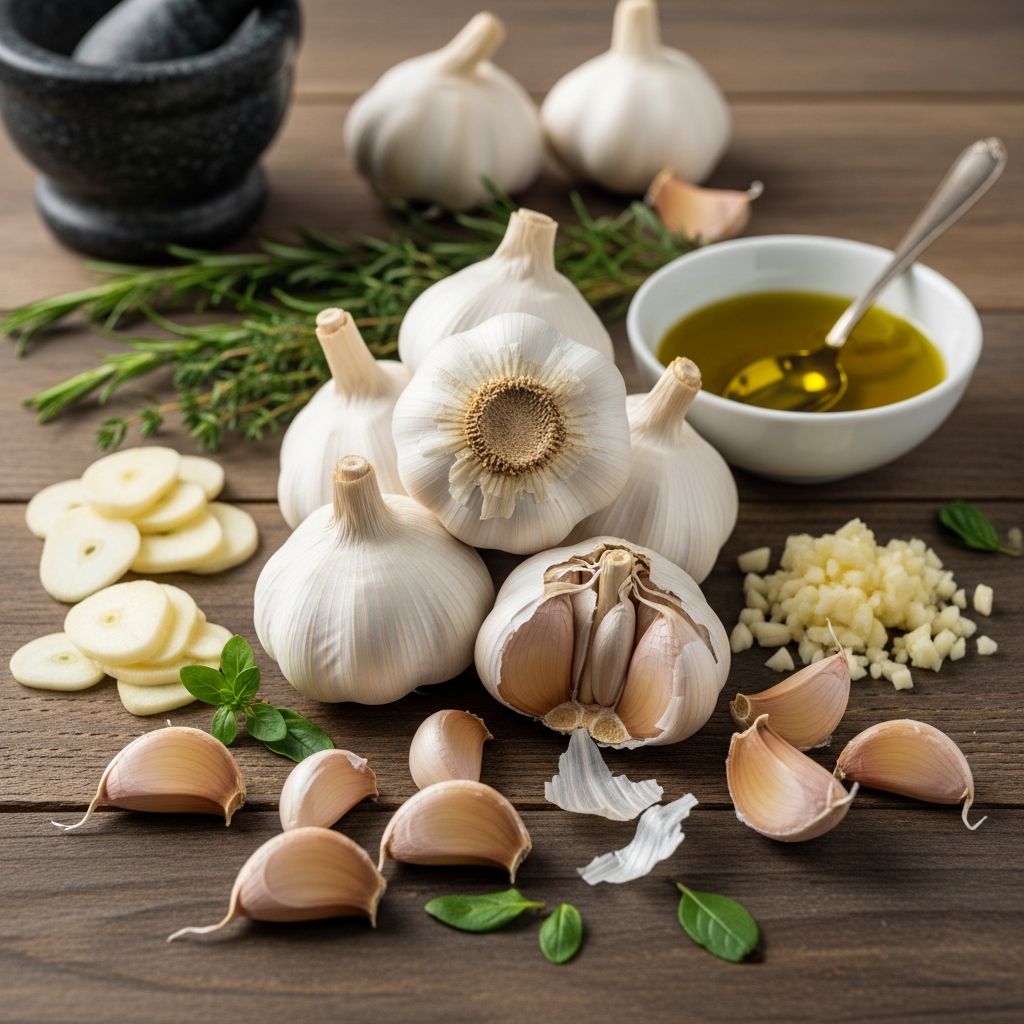
Garlic (Allium sativum) has been used for centuries in cooking and traditional medicine for its pungent flavor and potential health properties. Rich in sulfur compounds like allicin, garlic offers antioxidant, anti-inflammatory, and antimicrobial effects supported by clinical research.
What Is Garlic?
Garlic is a bulbous plant from the lily family, cultivated worldwide for its edible cloves. When crushed or chopped, it releases
allicin
, a sulfur-containing compound responsible for its aroma and many therapeutic effects. Raw garlic preserves higher allicin levels compared to cooked forms, maximizing benefits like immune enhancement and heart protection.Historically, garlic treated infections, wounds, and digestive issues. Modern science validates some uses through studies on cardiovascular risks, immunity, and cancer prevention.
Nutrition Facts of Garlic
One clove (3g) of raw garlic provides essential nutrients:
- Calories: 4.5
- Carbohydrates: 1g
- Protein: 0.2g
- Fiber: 0.1g
- Vitamin C: 3.1mg (3% DV)
- Vitamin B6: 0.04mg (2% DV)
- Manganese: 0.05mg (2% DV)
- Selenium: 0.4mcg (1% DV)
Garlic’s value lies in bioactive compounds like allicin, alliin, and ajoene, which support detoxification, reduce inflammation, and promote gut health rather than macronutrients.
9 Science-Backed Health Benefits of Garlic
Research highlights garlic’s role in multiple health areas. Here’s a breakdown:
1. Contains Antioxidants That May Help Prevent Dementia and Alzheimer’s Disease
Garlic’s antioxidants combat oxidative stress linked to Alzheimer’s. Animal studies show aged garlic extract improves memory and reduces brain plaques.
2. May Improve Bone Health
Garlic enhances calcium absorption and reduces oxidative stress in bones. Studies suggest it aids osteoporosis prevention.
3. Improves Heart Health
Garlic lowers blood pressure, cholesterol, and thrombosis risk. Meta-analyses confirm reductions in systolic pressure by 4-5 mmHg and LDL cholesterol.
4. Is Highly Nutritious but Has Very Few Calories
Low-calorie yet nutrient-dense, garlic supports overall health without adding significant energy intake.
5. May Improve Memory and Protect Brain Health
High doses of fresh or aged garlic enhance cognitive function in animal models, potentially via anti-inflammatory effects.
6. Contains Unique Sulfur Compounds That Boost Immunity
Allicin and derivatives activate immune cells, reducing cold duration by 61% in trials.
7. May Improve Blood Sugar Management
Garlic reduces fasting blood sugar and improves insulin sensitivity, aiding type 2 diabetes management.
8. May Reduce Risk of Certain Cancers
Case-control studies link high garlic intake to lower risks of gastric, colorectal, and laryngeal cancers, though causation needs confirmation.
9. Has Antimicrobial Properties
Garlic fights bacteria, fungi, and viruses, historically used as an antibiotic alternative.
How to Choose and Store Garlic
Select firm bulbs with dry, papery skins. Store in a cool, dark place for up to 3 months. Avoid refrigerated storage to prevent sprouting. Use fresh cloves for maximum allicin.
Who Should Not Eat Garlic
Avoid or limit garlic if you have:
- GERD or acid reflux (irritates esophagus)
- Bleeding disorders (increases risk)
- Upcoming surgery (antiplatelet effects)
- Allergies to alliums
Related Stories



Consult a doctor if on blood thinners like warfarin.
Garlic Nutrition Risks and Side Effects
| Risk | Description | Prevalence |
|---|---|---|
| Bad Breath/Body Odor | Sulfur compounds cause persistent smell | Common |
| Heartburn/GERD | Irritates digestive tract | Frequent in sensitive individuals |
| Bleeding Risk | Inhibits clotting | High doses/supplements |
| Allergic Reactions | Skin rash, anaphylaxis rare | Uncommon |
| Drug Interactions | With anticoagulants, HIV meds | Case reports |
Raw garlic poses higher risks than cooked; limit to 1-2 cloves daily.
Should You Eat Garlic Every Day?
Yes, in moderation (1-2 cloves raw or cooked daily) for benefits without side effects. Supplements up to 3,600mg aged extract are studied as safe.
Frequently Asked Questions (FAQs)
Can you eat raw garlic every day?
Yes, 1-2 cloves daily maximizes allicin benefits for immunity and heart health, but monitor for digestive upset.
Is garlic good for your immune system?
Yes, sulfur compounds boost immune function and reduce inflammation.
Does garlic lower blood pressure?
Evidence shows modest reductions, especially in hypertensives, via supplements.
Can garlic cause heartburn?
Raw garlic often triggers GERD; cooked forms are gentler.
Is garlic bad for your liver?
No evidence of harm; it may protect via antioxidants.
Does garlic thin the blood?
Yes, it has antiplatelet effects; caution with blood thinners.
References
- Can You Eat Raw Garlic? Benefits and Downsides — Healthline. 2023. https://www.healthline.com/nutrition/can-you-eat-raw-garlic
- Garlic: Effects on Cardiovascular Risks and Disease — NCBI Bookshelf (NIH/AHRQ). 2000-01-01. https://www.ncbi.nlm.nih.gov/books/NBK11910/
- 12 Health Benefits of Garlic: Health Effects Explained — Healthgrades. 2024. https://resources.healthgrades.com/right-care/food-nutrition-and-diet/health-benefits-of-garlic
- Sorting folklore from fact on the health benefits of garlic — American Heart Association. 2021-04-19. https://www.heart.org/en/news/2021/04/19/sorting-folklore-from-fact-on-the-health-benefits-of-garlic
- Garlic — NIH Office of Dietary Supplements. 2023-06-15. https://ods.od.nih.gov/factsheets/Garlic-HealthProfessional/
Similar Articles








Read full bio of Sneha Tete