Garlic: Health Benefits and Research Evidence
Explore garlic's scientifically-backed health benefits, from cardiovascular support to cancer prevention.
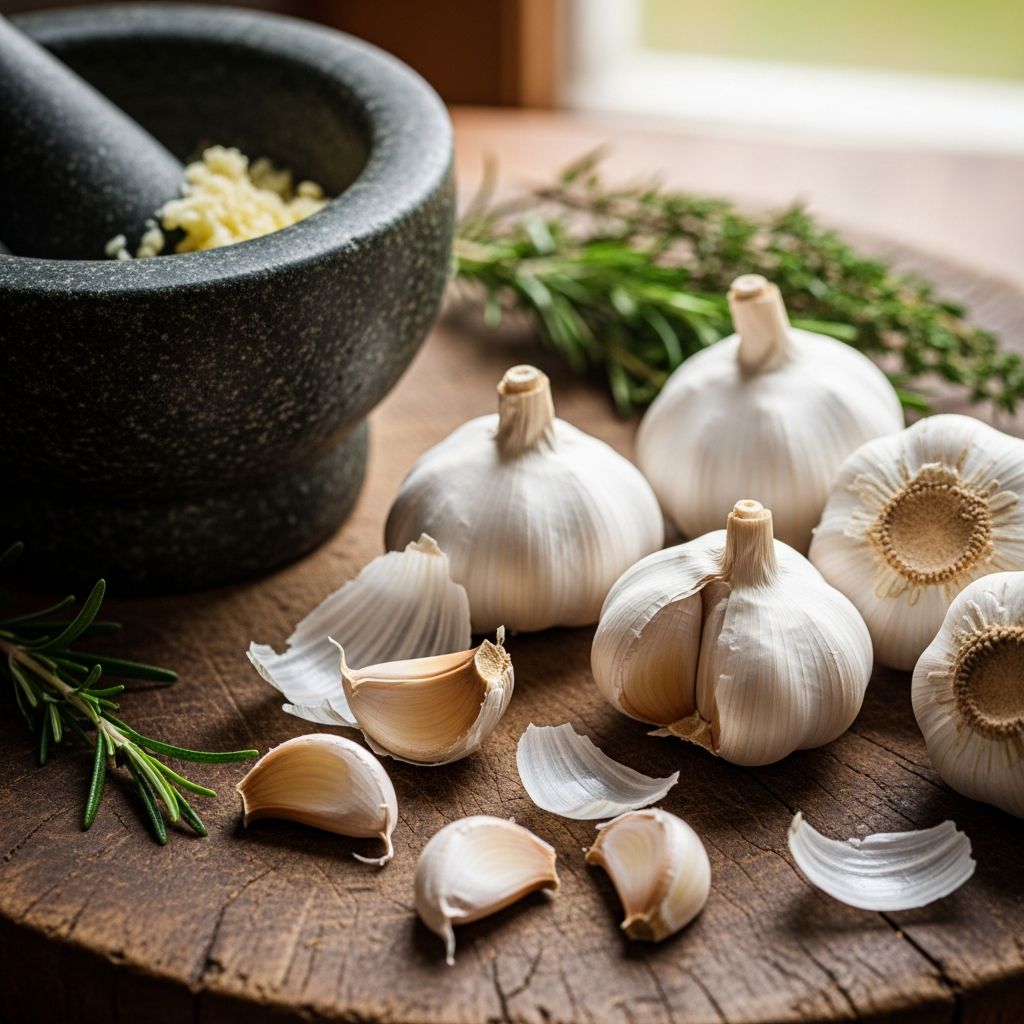
Garlic has been used for thousands of years in traditional medicine and cooking across various cultures. Today, modern scientific research continues to investigate the potential health benefits of this common bulb. While garlic is most recognized as a culinary ingredient, growing evidence suggests it may offer several health-promoting properties when consumed regularly or through supplements. This overview examines what current research tells us about garlic’s potential effects on common health conditions.
What Makes Garlic Beneficial?
Garlic contains a rich combination of bioactive compounds that contribute to its potential health effects. The bulb is home to approximately 20 phytochemicals with antioxidant and antibacterial properties, along with essential vitamins and minerals including calcium, folate, iron, magnesium, manganese, phosphorus, potassium, selenium, zinc, and vitamins B1, B2, B3, and C. When garlic is crushed or chopped, it releases allicin, a compound widely studied for its therapeutic potential. The specific preparation method of garlic—whether raw, cooked, powdered, or extracted—can influence which compounds remain active and their bioavailability in the body.
Cardiovascular Health
Among garlic’s most extensively researched applications is its potential role in supporting cardiovascular health. Research has focused on garlic’s effects on multiple cardiovascular risk factors.
Blood Cholesterol
Studies examining garlic’s impact on cholesterol levels have shown modest but meaningful results. Early research from the 1990s demonstrated significant reductions in total cholesterol compared with placebo. However, subsequent meta-analyses of better-designed trials revealed more modest effects. A comprehensive meta-analysis of placebo-controlled trials using standardized dried garlic powder showed significant reductions in total cholesterol levels (19.2 mg per dL), low-density lipoprotein cholesterol levels (6.7 mg per dL), and triglyceride levels (21.1 mg per dL) at eight to twelve weeks of treatment; however, these reductions were not sustained at six months. Despite these modest short-term effects, some research suggests garlic has cardioprotective effects by decreasing serum cholesterol and triglyceride levels, particularly in patients with mild hypercholesterolemia.
Blood Pressure
The evidence for garlic’s effect on blood pressure is mixed. Some clinical trials have demonstrated reductions in both systolic and diastolic blood pressure with garlic treatment compared with placebo. However, significant blood pressure reduction is not consistently noted across all studies. More recent meta-analyses examining multiple placebo-controlled trials found that while some trials showed statistically significant reductions in blood pressure, the overall effect remains modest, with only a small percentage of trials demonstrating clinically meaningful reductions. Nevertheless, there is evidence that garlic preparations may lower blood pressure in people with hypertension, particularly when combined with other dietary interventions.
Antiplatelet Activity
Research indicates that garlic exhibits antiplatelet activity, which may contribute to its cardiovascular benefits. This property helps prevent excessive blood clotting and supports healthy circulation, though clinical significance requires further investigation.
Antioxidant and Anti-inflammatory Effects
One of garlic’s most promising mechanisms of action involves its antioxidant and anti-inflammatory properties. Recent meta-analyses of clinical trials have demonstrated that garlic supplementation modulates oxidative stress markers, including total antioxidant capacity and malondialdehyde levels. For example, garlic supplementation has been shown to produce significant effects on oxidative stress by decreasing harmful markers while improving protective antioxidant concentrations in postmenopausal women with osteoporosis.
Related Stories



Regarding inflammation, double-blind randomized clinical trials have shown significant reductions in inflammatory cytokines, such as interleukin-6, C-reactive protein, and erythrocyte sedimentation rate when standardized garlic extracts were administered. Additionally, a meta-analysis revealed that various garlic preparations reduced serum concentrations of tumor necrosis factor alpha and C-reactive protein in healthy adults. These effects on inflammation markers are particularly noteworthy because chronic inflammation underlies many common diseases.
Cancer Risk and Prevention
Epidemiological research suggests that regular garlic consumption may be associated with reduced cancer risk. Studies indicate that certain groups of people who eat more garlic may be less likely to develop specific cancers, such as stomach and colon cancers. Research has shown that eating garlic regularly may help accelerate the process of repairing damaged DNA and may reduce the risk of several cancer types, including stomach, colon, pancreatic, and breast cancer.
Mechanistically, garlic supplementation has been associated with increased natural killer cell activity, which plays a role in immune surveillance against cancer development. Epidemiological studies of randomized controlled trials explained that the administration of garlic extract decreased colon adenomas and colorectal cancer in patients via increased natural killer cell activity. Additionally, the intake of garlic supplements was significantly associated with decreased risk of colorectal adenoma, which is a precursor of colorectal cancer. However, it is important to note that garlic in dietary supplement form has not been conclusively shown to help reduce the risk of these cancers in controlled clinical trials to the same extent as dietary garlic consumption. The National Cancer Institute recognizes garlic as one of several vegetables with potential anticancer properties but does not recommend using garlic dietary supplements specifically for cancer prevention.
Metabolic and Endocrine Health
Garlic’s potential benefits extend to metabolic disorders and glucose regulation. Raw crushed garlic has been shown to reduce systolic and diastolic blood pressure via downregulation of triglyceride levels and upregulation of serum HDL cholesterol after four weeks consumption in patients with metabolic syndrome. Garlic homogenate-based supplementary diet administered at 300 mg per day for twelve weeks significantly reduced systolic and diastolic blood pressure in mild hypertension patients but not in prehypertension patients. Clinical trials have revealed improvements in glucose metabolism and insulin homeostasis with raw garlic consumption.
Common Cold Prevention
The evidence for garlic in preventing or treating the common cold remains limited. A 2014 Cochrane review of a single randomized controlled trial involving 146 adult participants who received either garlic supplement or placebo for twelve weeks concluded that there is insufficient clinical trial evidence regarding the effects of garlic in preventing or treating the common cold. The single trial suggested that garlic may prevent occurrences of the common cold, but more studies are needed to validate this finding. Currently, there is a lack of data examining garlic’s effects on the common cold in children.
Heavy Metal Detoxification
At high doses, the sulfur compounds in garlic have been shown to protect against organ damage from heavy metal toxicity. Allicin in garlic can help reduce levels of lead in blood and vital organs. A 2012 study involving employees at a car battery plant who had excessive exposure to lead found that garlic reduced lead levels in the blood by nineteen percent. It also reduced many clinical signs of toxicity, including headaches and high blood pressure.
Forms and Preparations
Garlic is available in multiple forms, each with different properties and bioavailability. Raw garlic contains the highest concentration of active compounds like allicin but may not be suitable for everyone due to digestive effects. Cooked garlic retains some benefits but loses some heat-sensitive compounds. Garlic supplements are available as powders, extracts, oils, and aged garlic extract (AGE). The preparation method significantly influences which bioactive compounds remain active. Clinical trials have employed various preparations including garlic tablets, standardized garlic extract, garlic powder, garlic capsules, and aged garlic extract, often with varying results depending on dosage and duration of use.
Dosage Considerations
The effective dosage of garlic appears to vary depending on the specific health condition being addressed and the form of garlic used. Clinical trials have employed doses ranging from as low as 100 mg daily to several grams per day, with some studies using standardized allicin content measured in micrograms. For example, garlic tablet studies used doses of 1200 μg allicin daily, while garlic extract studies employed 400 mg twice daily, and aged garlic extract supplementation used 3.6 g per day. The duration of treatment also varies, with studies ranging from four weeks to one year or longer. It is important to note that more is not necessarily better, and excessive intake can have harmful effects.
Safety and Side Effects
While garlic is generally recognized as safe when consumed in normal food quantities, supplementation requires consideration. Some individuals may experience digestive discomfort, including heartburn, gas, or stomach upset, particularly with raw garlic. Garlic supplements have been shown to be safe when combined with drugs or other food matrices, and their combination may prolong therapeutic effects. However, individuals taking blood-thinning medications should consult healthcare providers before using garlic supplements, as garlic’s antiplatelet effects could potentially interact with these medications. Additionally, garlic may interact with certain medications or medical conditions, making professional guidance advisable before starting supplementation.
Research Limitations and Future Directions
While the body of research on garlic is substantial, several limitations should be acknowledged. Many clinical trials are relatively small or preliminary in nature. Studies are often heterogeneous in design, participant characteristics, treatment durations, and outcome measures, making direct comparisons and meta-analyses challenging. Additionally, the rapid metabolism and poor bioavailability of certain garlic compounds have limited the therapeutic use of garlic in recent years, prompting research into improved formulations and delivery methods. Observational studies suggesting health benefits are often limited to specific populations, such as Asian communities with higher dietary garlic consumption. More large-scale, well-designed randomized controlled trials are needed to establish definitive recommendations for garlic supplementation in preventing or treating specific diseases.
Frequently Asked Questions
Q: Is fresh garlic better than garlic supplements?
A: Both fresh garlic and supplements contain beneficial compounds, but they differ in concentration and bioavailability. Fresh garlic provides allicin when crushed or chopped, while supplements offer standardized doses of specific compounds. The best choice depends on individual preferences and health goals. Research shows that both forms can provide benefits, though some studies suggest fresh garlic may offer additional advantages from compounds lost during processing.
Q: How much garlic should I consume daily for health benefits?
A: Effective doses vary depending on the form and intended benefit. As food, 1-2 cloves of fresh garlic daily is considered a reasonable intake. For supplements, doses in clinical trials have ranged from 100 mg to several grams daily, often standardized by allicin content. Consult with a healthcare provider to determine the appropriate dose for your specific health needs.
Q: Can garlic supplements prevent cancer?
A: While observational studies suggest that higher dietary garlic consumption may be associated with reduced risk of certain cancers, garlic supplements have not been conclusively shown to prevent cancer in controlled clinical trials. The National Cancer Institute recognizes garlic as having potential anticancer properties but does not recommend supplements specifically for cancer prevention. Consuming garlic as part of a healthy diet may offer benefits, but it should not replace conventional cancer prevention strategies or treatments.
Q: Is garlic safe for everyone?
A: Garlic is generally safe for most people when consumed in normal food amounts. However, excessive supplementation may cause digestive discomfort and could interact with blood-thinning medications. Individuals with bleeding disorders, those taking anticoagulants, or those scheduled for surgery should inform their healthcare provider about garlic supplement use. Pregnant or breastfeeding women should consult healthcare providers before using garlic supplements.
Q: Does cooking garlic reduce its health benefits?
A: Cooking can reduce the concentration of heat-sensitive compounds like allicin, but garlic retains many beneficial nutrients and antioxidants even after cooking. Raw garlic contains the highest concentration of active compounds, while cooked garlic may be better tolerated by some individuals. Both forms offer potential health benefits, so consuming garlic in whichever form you prefer is beneficial.
References
- Potential Health Benefit of Garlic Based on Human Intervention Studies — National Center for Biotechnology Information (NCBI). 2020-08-27. https://pmc.ncbi.nlm.nih.gov/articles/PMC7402177/
- Health Effects of Garlic — American Academy of Family Physicians. 2005-07-01. https://www.aafp.org/pubs/afp/issues/2005/0701/p103.html
- Exploring the health benefits of raw white garlic consumption — National Center for Biotechnology Information (NCBI). 2024. https://pmc.ncbi.nlm.nih.gov/articles/PMC11392787/
- Garlic: It’s Good For You — National Foundation for Cancer Research. https://www.nfcr.org/blog/garlic-good-for-you/
- Use of Natural Products by Children: What the Science Says — National Center for Complementary and Integrative Health (NCCIH). https://www.nccih.nih.gov/health/providers/digest/use-of-natural-products-by-children-science
- 11 Proven Health Benefits of Garlic — Healthline Media. https://www.healthline.com/nutrition/11-proven-health-benefits-of-garlic
- Complementary Health Approaches for Hypertension — National Center for Complementary and Integrative Health (NCCIH). https://www.nccih.nih.gov/health/providers/digest/complementary-health-approaches-for-hypertension-science
Similar Articles








Read full bio of Sneha Tete