Garlic For Yeast Infection: Comprehensive Guide To Use & Risks
Can garlic effectively treat yeast infections? Explore the evidence, methods, risks, and expert insights on this popular home remedy.
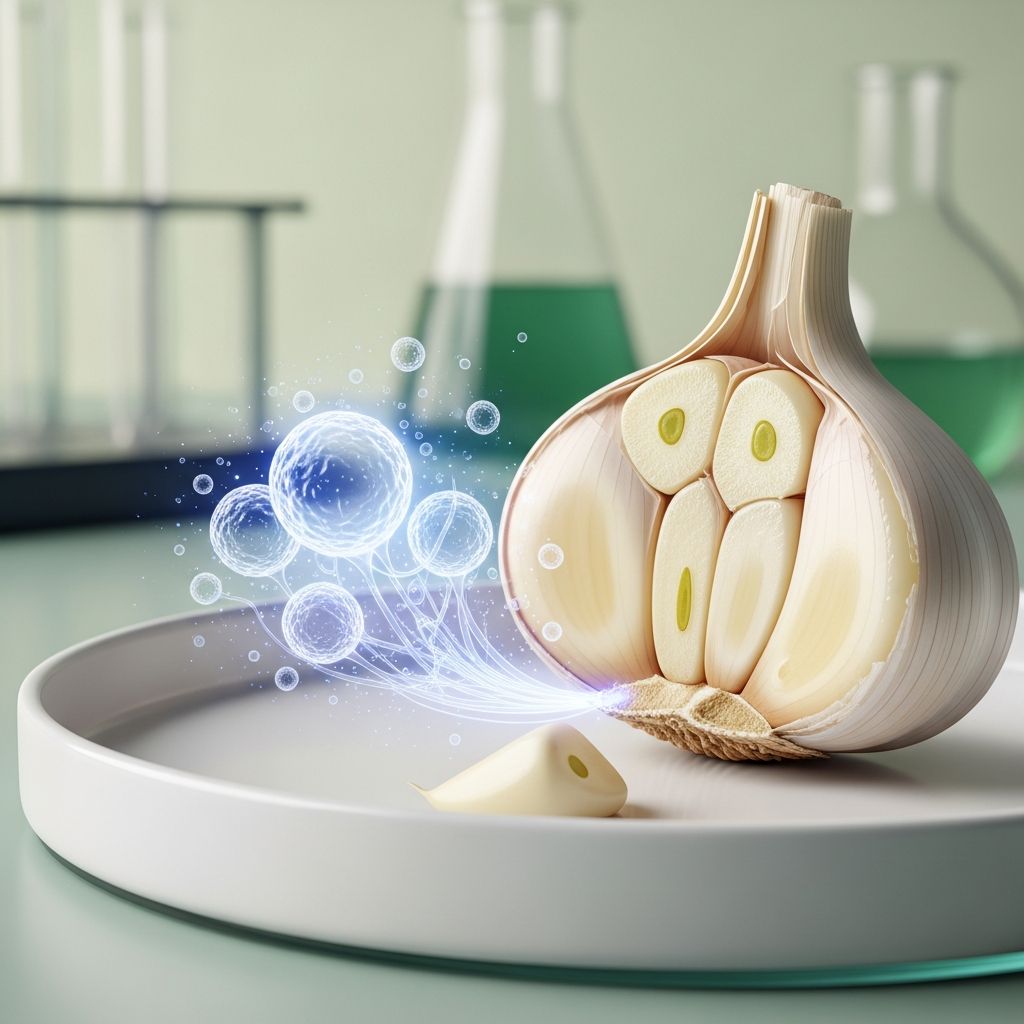
Vaginal yeast infections affect up to 75% of women at some point, caused by an overgrowth of Candida fungus. Garlic, prized for its antifungal compound allicin, is a popular natural remedy, but evidence is mixed on its effectiveness.
What Is a Yeast Infection?
A yeast infection, or vulvovaginal candidiasis, occurs when Candida albicans—a fungus naturally present in the vagina—overgrows due to imbalances in good bacteria. Common triggers include antibiotics, hormonal changes, high estrogen levels, weakened immunity, or diabetes.
Symptoms typically include:
- Intense
itching
or soreness in the vaginal area - **Burning** sensation, especially during urination
- Painful
sexual intercourse
- Thick, white,
cottage cheese-like discharge
without foul odor - Redness and swelling of the vulva
While usually not serious, recurrent infections (four or more per year) warrant medical evaluation to rule out underlying issues.
Garlic’s Antifungal Properties: The Science Behind It
Garlic (Allium sativum) contains
allicin
, a sulfur compound released when cloves are crushed. Allicin exhibits broad-spectrum antibacterial, antiviral, and antifungal effects by disrupting microbial cell membranes and inhibiting growth.Specifically against Candida, garlic:
- Inhibits hyphal formation (filamentous growth enabling tissue invasion)
- Downregulates SIR2 gene expression in C. albicans
- Boosts antioxidants like glutathione to combat inflammation
- Suppresses RNA synthesis in yeast cells
In vitro studies confirm garlic’s promise, but human trials are limited. A 2006 study tested garlic against 18 Candida strains, showing potential to reverse fungal growth. Short-term oral doses yielded inconclusive results in another trial.
Can Garlic Cure a Yeast Infection?
No definitive evidence proves garlic cures yeast infections, but it may help manage symptoms or prevent recurrence when combined with diet or medication. Studies are small and not high-quality, with results varying by preparation (raw, extract, tablets).
A key 2015 randomized trial compared
Garcin® garlic tablets
(daily for 7 days) to fluconazole in 63 women with confirmed Candida vaginitis. Both reduced symptoms equally: itching (from 82-83% to <20%), discharge, and dysuria. Microscopy and culture negativity rates were similar post-treatment (no significant inter-group difference, p>0.05). Garlic showed fewer side effects and good tolerability.Another 2010 Iranian study found thyme-garlic cream as effective as clotrimazole cream, with no treatment differences. However, Monistat warns against inserting raw garlic vaginally, citing risks without scientific proof.
How to Use Garlic for Yeast Infections
Consult a doctor before use, especially if pregnant, breastfeeding, or on medications. Garlic interacts with blood thinners and may cause burns topically.
Oral Methods (Safest)
- **Raw garlic**: Eat 1-2 crushed cloves daily. Crush and let sit 10 minutes to activate allicin; mix with food to reduce odor.
- **Tablets/extracts**: Follow label (e.g., 600-1200mg allicin-yielding extract daily). Garcin® at effective dose showed vaginitis relief.
- **Diet integration**: Add to meals on a low-sugar Candida diet to starve yeast.
Topical Methods (Use Caution)
- **Garlic-thyme cream**: Apply externally only; a study-equivalent showed efficacy like antifungals.
- **Peeled clove insertion**: Not recommended. Risks irritation, burns, or retained pieces causing complications.
- **Diluted extract**: Mix with coconut oil (1:10); test patch first. Wipe off if burning occurs.
Related Stories



Avoid internal insertion without medical supervision. Over-the-counter antifungal creams remain first-line.
Side Effects and Risks of Garlic Treatment
| Method | Common Side Effects | Severe Risks |
|---|---|---|
| Oral | Bad breath, body odor, upset stomach, heartburn | Drug interactions (e.g., warfarin), bleeding risk |
| Topical | Itching, increased discharge, hives | Chemical burns, allergic reactions, headache, nausea |
Raw clove insertion can cause vaginal lacerations or infections. Allergic individuals should avoid. Garlic tablets like Garcin® had minimal side effects in trials (e.g., mild GI upset in <5%).
Standard Medical Treatments vs. Garlic
| Treatment | Effectiveness | Duration | Side Effects |
|---|---|---|---|
| OTC Antifungals (Miconazole, Clotrimazole) | 80-90% cure rate | 1-7 days | Local irritation |
| Oral Fluconazole | 90%+ for uncomplicated | Single dose | GI upset, liver strain |
| Garcin® Garlic Tablets | Comparable to fluconazole | 7 days | Minimal (odor, mild GI) |
For recurrent cases, doctors may test for resistance or non-albicans Candida. Probiotics and lifestyle changes aid prevention.
When to See a Doctor
- First-time infection or uncertainty of diagnosis
- Pregnancy, diabetes, or immunosuppression
- Symptoms persist >7 days despite OTC treatment
- Recurrent infections (>4/year)
- Abnormal discharge (green, bloody, odorous—may indicate STI/BV)
Self-treatment risks misdiagnosis; professionals confirm via microscopy (80% detect fungal elements).
Prevention Tips
- Wear cotton underwear; avoid douching/tight clothes
- Control blood sugar if diabetic
- Finish antibiotics fully; add probiotics
- Limit sugar/yeast in diet
- Incorporate garlic proactively for immune support
Frequently Asked Questions (FAQs)
Can you put garlic in your vagina for a yeast infection?
No. Inserting raw garlic risks burns, irritation, and complications without proven benefits. Use oral tablets or external creams instead.
How long does it take for garlic to work on a yeast infection?
Tablets like Garcin® showed symptom relief in 7 days, comparable to fluconazole. Results vary; monitor and consult a doctor.
Is garlic as effective as Monistat?
Small studies suggest garlic-thyme cream matches clotrimazole, and tablets match fluconazole. Larger trials needed.
Can I use garlic if pregnant?
Avoid without doctor approval; limited safety data. Stick to prescribed antifungals.
Does eating garlic prevent yeast infections?
Possibly, by promoting good bacteria and inhibiting Candida growth. Combine with a balanced diet.
While promising, garlic isn’t a guaranteed cure. Prioritize evidence-based care for optimal vaginal health.
References
- Garlic for Yeast Infection: Treatment & Side Effects — Healthline (Medically reviewed by Debra Rose Wilson). 2019-03-08. https://www.healthline.com/health/garlic-for-yeast-infection
- Yeast Infection Myths and Misconceptions — Monistat. Accessed 2026. https://www.monistat.com/vaginal-health-blog-articles/yeast-infection-myths-and-misconceptions
- Comparison of the therapeutic effects of Garcin® and fluconazole on Candida vaginitis — PMC/NCBI (Peer-reviewed). 2015-10-01. https://pmc.ncbi.nlm.nih.gov/articles/PMC4613933/
Similar Articles








Read full bio of medha deb