Gas Before Period: 4 Effective Relief Strategies For PMS
Understand why hormonal changes cause bloating and gas before your period and discover effective relief strategies.
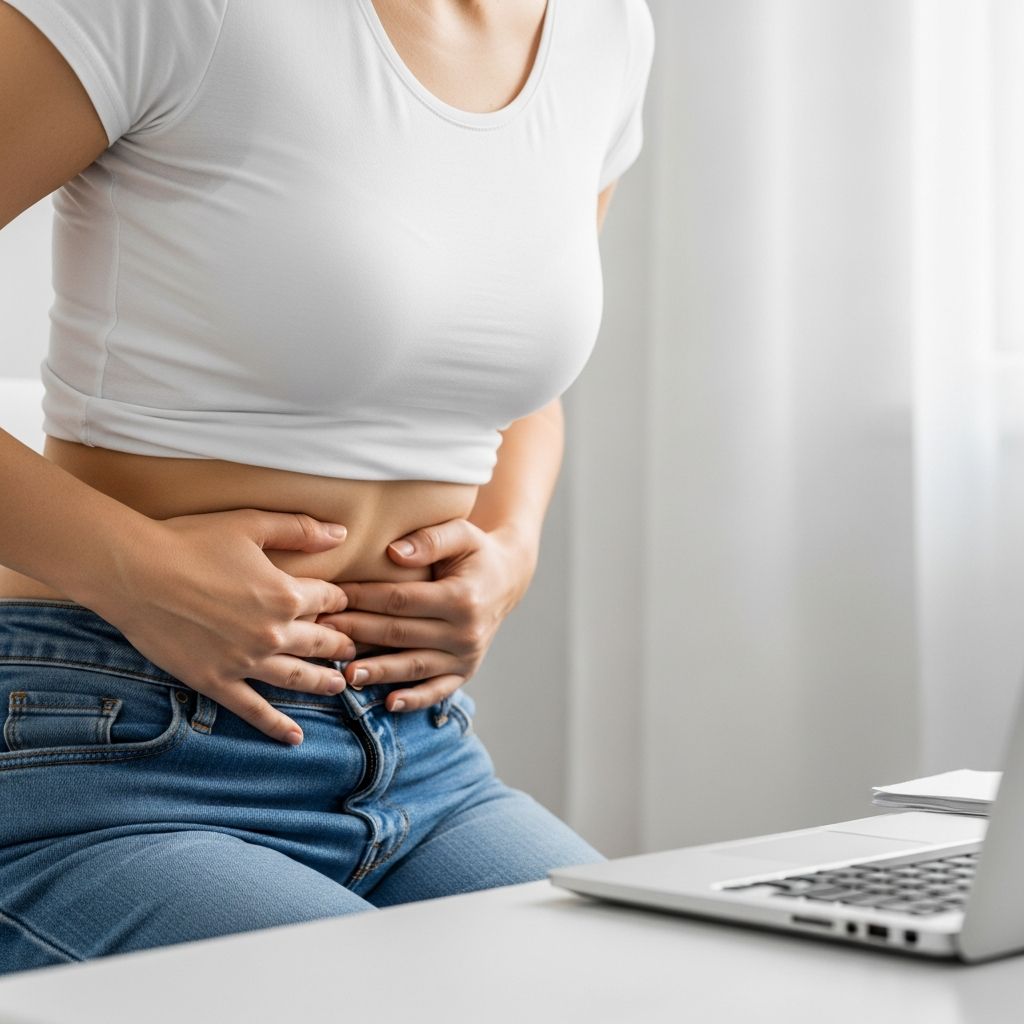
Many people with menstrual cycles experience increased gas and bloating in the days leading up to their period, primarily due to fluctuations in hormones like estrogen and progesterone. These symptoms are a hallmark of premenstrual syndrome (PMS) and can significantly impact daily comfort, but several strategies can provide relief.
What Causes Gas Before My Period?
Hormonal changes during the menstrual cycle play a central role in gastrointestinal (GI) discomfort before menstruation. As estrogen levels rise in the luteal phase—the week or two before your period—it interacts with receptors in the stomach and small intestine, slowing digestion and leading to gas buildup, flatulence, constipation, and bloating.
Progesterone levels, which peak after ovulation and then decline, also contribute. The drop in progesterone can promote fluid retention, exacerbating abdominal swelling. Additionally, prostaglandins—hormone-like substances that trigger uterine contractions during menstruation—can affect the intestines, causing increased motility, diarrhea, and excess gas.
Research on healthy premenopausal women shows that 73% experience at least one GI symptom premenstrually or during menses, with abdominal pain (58% premenstrual), diarrhea (24% premenstrual), and bloating being prevalent. Those with a history of painful periods report higher rates of these issues.
How PMS Contributes to GI Symptoms
PMS encompasses over 150 possible symptoms, including GI disturbances that mimic irritable bowel syndrome (IBS). Common manifestations include:
- **Abdominal bloating**: Affects up to 75% of people with PMS due to water retention and slowed gut motility.
- **Excess gas and flatulence**: Results from fermentation of undigested food in the slowed intestines.
- **Cramping and pain**: Prostaglandins stimulate smooth muscle contractions in both uterus and bowels.
- **Diarrhea or constipation**: Alternating bowel habits occur in 24-28% premenstrually.
- **Nausea**: Reported in 27% of those with painful menses history.
Symptoms typically peak 1-2 weeks before menstruation and may persist into the first few days of bleeding. Emotional factors like anxiety or depression correlate with multiple GI symptoms, suggesting brain-gut-hormone interactions.
Other Contributing Factors
While hormones dominate, diet and underlying conditions amplify symptoms. Foods high in fermentable carbs (FODMAPs) worsen gas when digestion slows. Conditions like IBS or lactose intolerance flare during this phase. Fatigue, present in 53% premenstrually, also associates with worse GI issues.
A history of dysmenorrhea (painful periods) triples the odds of abdominal pain and doubles diarrhea risk premenstrually.
Is Gas Before Period Normal?
Yes, gas before your period is a normal PMS symptom for many, affecting a majority of menstruating individuals. Studies confirm GI symptoms in 73% of healthy women, with similar prevalence before and during menses. However, if symptoms severely disrupt life, resemble IBS, or include red flags like unexplained weight loss, blood in stool, or persistent pain, consult a healthcare provider to rule out other issues.
Related Stories



What Can I Do About Gas Before My Period?
Relief focuses on four pillars: hormonal management, exercise, diet, and over-the-counter (OTC) aids. Lifestyle tweaks often suffice, but persistent cases warrant medical input.
1. Hormonal Birth Control
Oral contraceptives stabilize estrogen and progesterone fluctuations, potentially reducing bloating. A 2008 study found improved PMS bloating with the pill, though effects vary. Discuss options like combined pills with your doctor, especially if you smoke or have clotting risks.
2. Exercise Regularly
Physical activity stimulates digestion, reduces stress, and counters fluid retention. Aim for 30 minutes daily of walking, yoga, or swimming in the luteal phase. Yoga poses like child’s pose or wind-relieving pose specifically target bloating.
3. Dietary Adjustments
Avoid gas-promoting foods prementrually. The Mayo Clinic lists key culprits:
| Food Category | Examples | Why It Causes Gas |
|---|---|---|
| Cruciferous Vegetables | Broccoli, cabbage, cauliflower | High in raffinose, fermented by gut bacteria. |
| Legumes | Beans, lentils, peas | Contain oligosaccharides hard to digest. |
| Alliums | Onions, mushrooms | Fructans lead to fermentation. |
| Whole Grains | Whole wheat, bran | Fiber increases if intake sudden. |
| Beverages | Carbonated drinks, beer | Added air and sugars. |
Instead, opt for low-FODMAP choices: rice, bananas, spinach, lean proteins. Smaller, frequent meals prevent overload. Increase water intake to 8-10 glasses daily to combat retention.
4. OTC Remedies and Supplements
- Simethicone (Gas-X, Mylanta Gas): Breaks up gas bubbles for easier passage, though evidence is limited.
- Alpha-galactosidase (Beano): Enzyme aids breakdown of gas-causing carbs in beans/veggies; take before meals.
- Activated Charcoal: May absorb gas; use cautiously as it interferes with meds. Consult doctor.
- Lactase Supplements (Lactaid): For lactose intolerance; avoid if pregnant without advice.
- Probiotics: Strains like Bifidobacterium may balance gut flora, reducing bloating per some studies.
- Herbals: Peppermint oil or ginger tea soothe spasms.
Additional Tips
Track symptoms via apps to identify triggers. Heat pads ease cramps, and stress reduction (meditation) helps since anxiety worsens GI issues. Avoid salt to minimize retention.
When to See a Doctor
Seek care if gas accompanies severe pain, vomiting, fever, blood in stool, or lasts beyond menstruation. It could signal endometriosis, IBS, or ovarian cysts. Providers may recommend tracking, tests, or prescriptions like antispasmodics.
Prevention Strategies
Proactive steps include consistent exercise, balanced diet year-round, and cycle-syncing nutrition (more fiber mid-cycle, low-gas luteal). Hormonal IUDs offer long-term relief for some.
Frequently Asked Questions (FAQs)
Why do I get so gassy before my period?
Rising estrogen slows digestion, trapping gas, while progesterone drop causes retention. Prostaglandins speed bowels, adding flatulence.
Does birth control help with period gas?
Yes, pills can stabilize hormones and reduce bloating, per studies, but consult your doctor.
What foods worsen gas before period?
Beans, broccoli, onions, carbonated drinks, and dairy if intolerant.
Can exercise reduce PMS bloating?
Absolutely—movement aids digestion and cuts stress.
Is premenstrual gas a sign of IBS?
It mimics IBS but is usually PMS-related; see a doctor if chronic.
How long does gas before period last?
Typically 1-2 weeks premenstrually, easing with flow onset.
PMS gas is disruptive but manageable. By understanding hormonal drivers and applying targeted remedies, most find relief without intervention.
References
- Gas Before Period: Common Causes and Treatment Options — Healthline. 2019-04-29. https://www.healthline.com/health/gas-before-period
- Gastrointestinal symptoms before and during menses in healthy women — PMC/NCBI. 2014. https://pmc.ncbi.nlm.nih.gov/articles/PMC3901893/
- Unexpected Ways Your Cycle Messes with You — Orlando Health. N/A. https://www.orlandohealth.com/content-hub/unexpected-ways-your-cycle-messes-with-you
- Premenstrual Syndrome (PMS): Symptoms & Treatment — Cleveland Clinic. N/A. https://my.clevelandclinic.org/health/diseases/24288-pms-premenstrual-syndrome
Similar Articles








Read full bio of Sneha Tete