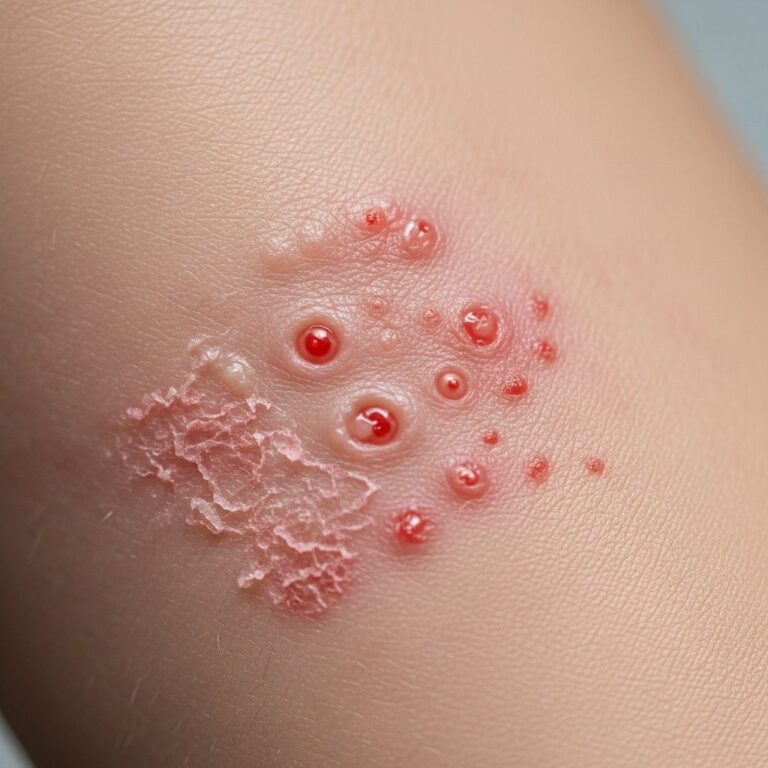
Gas Gangrene: Causes, Symptoms, Treatment & Prevention
Understanding gas gangrene: A rare but life-threatening bacterial infection requiring immediate medical intervention.
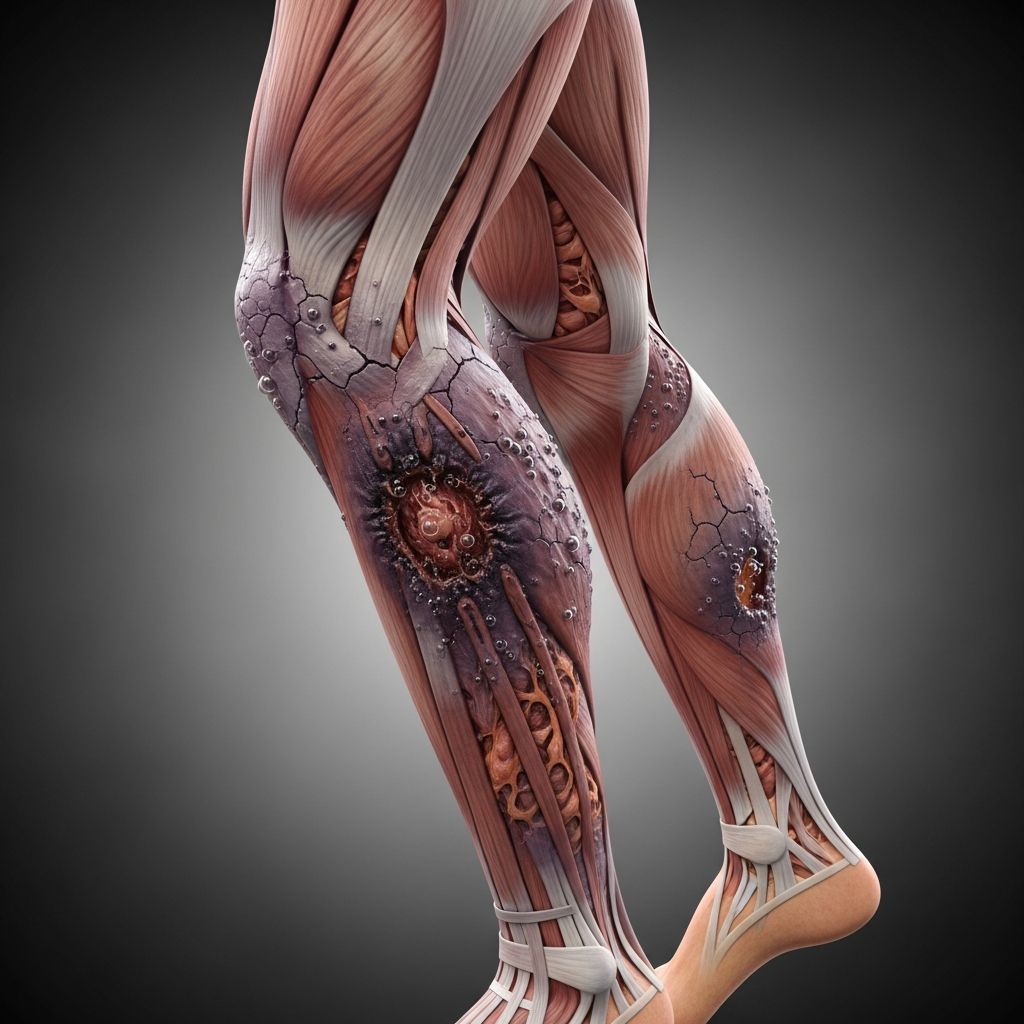
What Is Gas Gangrene?
Gas gangrene is a rare but highly serious bacterial infection that affects soft tissues and blood cells throughout your body. This condition is characterized by the rapid destruction of healthy tissue and the production of gas within the infected area, giving the disease its distinctive name. Gas gangrene is also known as clostridial myonecrosis and represents a true medical emergency that demands immediate medical attention. The infection progresses with alarming speed, and without prompt treatment, it can lead to severe complications, including septic shock and death within hours of symptom onset.
The condition primarily affects individuals who have sustained deep, traumatic injuries or have undergone abdominal surgery. While gas gangrene is uncommon in developed nations, it remains a significant threat due to its high mortality rate and the rapid progression of symptoms. Understanding this condition is crucial for both healthcare providers and the general public, as early recognition and immediate intervention can mean the difference between life and death.
Understanding the Causative Bacteria
Gas gangrene is caused by bacterial infection with species belonging to the Clostridium genus, with Clostridium perfringens being the most prevalent cause. These bacteria are anaerobic organisms, meaning they thrive in environments with little to no oxygen. The bacteria produce powerful toxins, particularly alpha and theta toxins, which cause extensive tissue damage and the characteristic gas formation within infected tissues. These toxins trigger a cascade of destructive processes that lead to rapid tissue death and systemic complications.
Clostridial organisms are facultative anaerobes, capable of surviving in both oxygen-rich and oxygen-poor environments, though they proliferate much more readily in low-oxygen conditions. The bacterial contamination typically occurs when these organisms enter the body through wounds or surgical incisions, particularly when those wounds lack adequate blood supply. In such anaerobic environments, the bacteria multiply rapidly and produce gas as a byproduct of their metabolism, creating the characteristic appearance of air pockets within tissues.
How Gas Gangrene Develops
Common Risk Scenarios
Gas gangrene typically develops following specific traumatic events or medical procedures. The most common scenarios include:
- Deep, penetrating wounds from traumatic injuries
- Crush injuries or severe blunt trauma
- Abdominal or surgical procedures
- Military or combat-related injuries
- Motor vehicle accidents with severe tissue damage
- Wounds contaminated with soil or foreign material
The Infection Process
When Clostridial bacteria enter a wound or surgical site, particularly one with poor blood circulation, they begin multiplying rapidly in the anaerobic environment. The bacteria produce toxins that damage cell membranes and cause tissue death. Simultaneously, the bacterial metabolism generates gas, which creates air pockets and further damages surrounding tissue. The infection spreads with remarkable speed, and within hours, the patient may develop overwhelming systemic responses, including sepsis, shock, and potentially death.
Recognizing Symptoms of Gas Gangrene
Early Warning Signs
The symptoms of gas gangrene develop rapidly, often within 6 to 48 hours of the initial injury or surgery. Early recognition of these signs is critical for survival. Initial symptoms may include:
Related Stories



- Severe pain at the site of injury or wound
- Discoloration of the skin around the affected area
- Rapid progression of skin changes from redness to purple or bronze coloring
- Swelling and edema of the affected tissue
- Foul-smelling discharge from the wound
- Presence of crepitus (a crackling sensation under the skin from gas bubbles)
Systemic Symptoms
As the infection progresses, patients develop severe systemic symptoms indicating sepsis and systemic inflammatory response. These include high fever, rapid heart rate, low blood pressure, confusion, and signs of organ dysfunction. The patient may appear acutely ill and may exhibit altered consciousness. These manifestations indicate that the infection has progressed to a critical stage and that immediate intervention is necessary.
Diagnosing Gas Gangrene
Clinical Evaluation
Healthcare providers diagnose gas gangrene primarily through clinical assessment combined with laboratory and imaging findings. The diagnostic process begins with a thorough history and physical examination, with particular attention to recent injuries, surgeries, or potential contamination events. The physical examination reveals characteristic findings including rapid tissue discoloration, swelling, and the presence of crepitus.
Laboratory Tests
Confirming gas gangrene diagnosis involves several laboratory investigations:
- Complete blood count (CBC) to evaluate white blood cell elevation
- Comprehensive metabolic panel (CMP) to assess organ function
- Blood cultures to identify the causative organism
- Wound cultures from tissue or fluid samples
- Arterial blood gas testing to evaluate systemic oxygenation
- Microscopic examination of tissue or wound fluids showing gram-positive bacilli
- Lactic acid and procalcitonin levels to assess severity of infection
Imaging Studies
Imaging plays a crucial role in determining the extent of infection and gas accumulation. Common imaging modalities include X-rays, which readily demonstrate gas within tissues; computed tomography (CT) scans, which provide detailed assessment of tissue involvement and abscess formation; magnetic resonance imaging (MRI), which offers excellent soft tissue detail; and ultrasound, which can identify fluid collections and gas pockets. These imaging studies help clinicians determine the exact boundaries of infected tissue and guide surgical planning.
Treatment Approaches for Gas Gangrene
Immediate Medical Intervention
Gas gangrene constitutes a true surgical emergency requiring aggressive, immediate treatment. Treatment cannot be delayed and must begin as soon as the diagnosis is suspected, without waiting for culture confirmation. The management approach is multifaceted and includes aggressive antibiotic therapy, early surgical debridement, supportive care, and adjunctive therapies.
Antibiotic Therapy
High-dose broad-spectrum antibiotics must be initiated immediately, targeting both the primary causative organisms and potential secondary bacterial invaders. Recommended antibiotic regimens include vancomycin, piperacillin-tazobactam, carbapenems, or third-generation cephalosporins such as ceftriaxone combined with metronidazole. For suspected gas gangrene or necrotizing soft tissue infections, penicillin combined with clindamycin should be added to provide coverage against group A streptococcal infections. Clindamycin is particularly important as it inhibits toxin production by the bacteria, offering an advantage beyond simple bactericidal activity.
Surgical Debridement
Surgical removal of infected tissue represents the cornerstone of gas gangrene treatment. Early consultation with surgery is absolutely critical, as this is considered a true surgical emergency. Surgeons must aggressively remove all necrotic and infected tissue, often requiring multiple debridement procedures performed daily or repeatedly until the infection is controlled. In severe cases, amputation of the affected limb may be necessary to prevent death and control the infection. The extent of surgical intervention depends on the location and severity of the infection.
Hyperbaric Oxygen Therapy
Adjunctive hyperbaric oxygen (HBO) therapy is a valuable treatment modality that enhances survival and reduces morbidity in gas gangrene patients. This therapy involves placing patients in a pressurized chamber where they breathe pure oxygen at pressures of two to three atmospheres. The increased oxygen tension creates an unfavorable environment for anaerobic bacterial growth and promotes tissue healing. Patients typically receive twice-daily HBO sessions, continuing until tissue necrosis ceases and signs of tissue recovery with granulation tissue formation appear.
Supportive Care
Patients require intensive care unit (ICU) monitoring and supportive measures including intravenous fluid resuscitation to maintain hemodynamic stability, management of sepsis and septic shock, renal support including hemodialysis if renal failure develops, and respiratory support for patients with severe respiratory distress. Careful monitoring of vital signs, laboratory parameters, and tissue response guides ongoing treatment adjustments.
Recovery and Rehabilitation
Patients who survive the acute phase of gas gangrene typically require extended hospitalization and rehabilitation. Once the infection is controlled, additional wound management becomes necessary, often including negative pressure wound therapy, advanced tissue regeneration techniques, and plastic surgical procedures such as skin grafting and flap procedures to close surgical wounds. Many survivors require prolonged ICU stays followed by extended rehabilitation programs. Patients often need transfer to long-term care facilities for continued wound care, ongoing hyperbaric oxygen therapy if necessary, and comprehensive rehabilitation programs including physical and occupational therapy to restore function and independence.
Prognosis and Survival Rates
The prognosis for gas gangrene depends on several factors, including the location of infection, the cause of infection, the speed of diagnosis and treatment initiation, and the overall health status of the patient. Patients with gas gangrene in their extremities (arms, legs, hands, or feet) generally have a better prognosis than those with infections in the abdomen or chest. Spontaneous gas gangrene, occurring without an obvious preceding injury, carries a particularly poor prognosis.
With appropriate and timely treatment, mortality rates range from 20 to 30 percent. However, without treatment, gas gangrene is always fatal. Early diagnosis and aggressive intervention significantly improve survival outcomes. Delays in diagnosis or treatment initiation dramatically increase mortality risk, making public awareness and rapid medical response essential.
Prevention Strategies
Wound Management
Healthcare providers employ multiple strategies to prevent gas gangrene infections. Proper wound cleaning and debridement of all devitalized tissue immediately after injury is essential. Contaminated wounds should be thoroughly cleaned and any foreign material removed. Appropriate use of tetanus prophylaxis protects against tetanus but does not specifically prevent gas gangrene.
Surgical Precautions
During surgical procedures, strict aseptic techniques and infection prevention protocols minimize the risk of bacterial contamination. Prophylactic antibiotics administered before surgery can reduce infection risk. Surgeons ensure adequate blood supply to surgical sites and minimize tissue trauma during procedures.
Personal Protective Measures
Individuals can reduce their risk of gas gangrene and other bacterial infections through several practices:
- Keeping wounds clean and dry
- Promptly seeking medical attention for deep or contaminated wounds
- Following post-operative wound care instructions carefully
- Maintaining good general health and hygiene
- Avoiding environments with high contamination risk when having open wounds
- Ensuring proper wound coverage with sterile dressings
Frequently Asked Questions About Gas Gangrene
Q: How quickly does gas gangrene develop after an injury?
A: Gas gangrene typically develops rapidly, often within 6 to 48 hours of the initial injury or surgical procedure. In some cases, symptoms can appear within just a few hours, making rapid recognition and treatment critical for survival.
Q: Can gas gangrene be treated without surgery?
A: No, surgery is essential in gas gangrene treatment. While antibiotics and supportive care are important, surgical removal of infected tissue (debridement) is the cornerstone of treatment and cannot be omitted. Without surgical intervention, the infection continues to spread and becomes fatal.
Q: What is the survival rate for gas gangrene?
A: With prompt diagnosis and appropriate treatment, survival rates range from 70 to 80 percent. However, without treatment, gas gangrene is always fatal. Delays in diagnosis or treatment significantly reduce survival chances.
Q: Is gas gangrene contagious?
A: Gas gangrene is not contagious from person to person. The infection develops from bacterial contamination of wounds or surgical sites and does not spread through contact with infected individuals.
Q: Can hyperbaric oxygen therapy alone treat gas gangrene?
A: No, hyperbaric oxygen therapy is an adjunctive treatment that enhances survival but cannot replace surgery or antibiotics. It must be used in combination with aggressive surgical debridement and antibiotic therapy for optimal outcomes.
Q: What should I do if I suspect I have gas gangrene?
A: Seek emergency medical attention immediately. Gas gangrene is a medical emergency, and every hour of delay increases mortality risk. Call 911 or go to the nearest emergency department if you experience severe pain, rapid skin discoloration, or other symptoms in an area with a recent wound or surgery.
References
- Gas Gangrene: Causes, Symptoms, Treatment & Prevention — Cleveland Clinic. 2024. https://my.clevelandclinic.org/health/diseases/24739-gas-gangrene
- Gas Gangrene – StatPearls — National Center for Biotechnology Information (NCBI). 2024. https://www.ncbi.nlm.nih.gov/books/NBK537030/
- Gangrene: Symptoms & Causes — Mayo Clinic. 2024. https://www.mayoclinic.org/diseases-conditions/gangrene/symptoms-causes/syc-20352567
- Gas Gangrene Treated With Hyperbaric Oxygenation — Cleveland Clinic Journal of Medicine. 2013. https://mdedge.com/ccjm/article/90587/gas-gangrene-treated-hyperbaric-oxygenation
- Gangrene: Types, Symptoms, Risk Factors, and Diagnosis — Healthline. 2024. https://www.healthline.com/health/gangrene
Similar Articles








Read full bio of medha deb