Gas In The Digestive Tract: Symptoms, Causes & Relief Guide
Understand gas, bloating, and flatulence causes, symptoms, and effective management strategies.
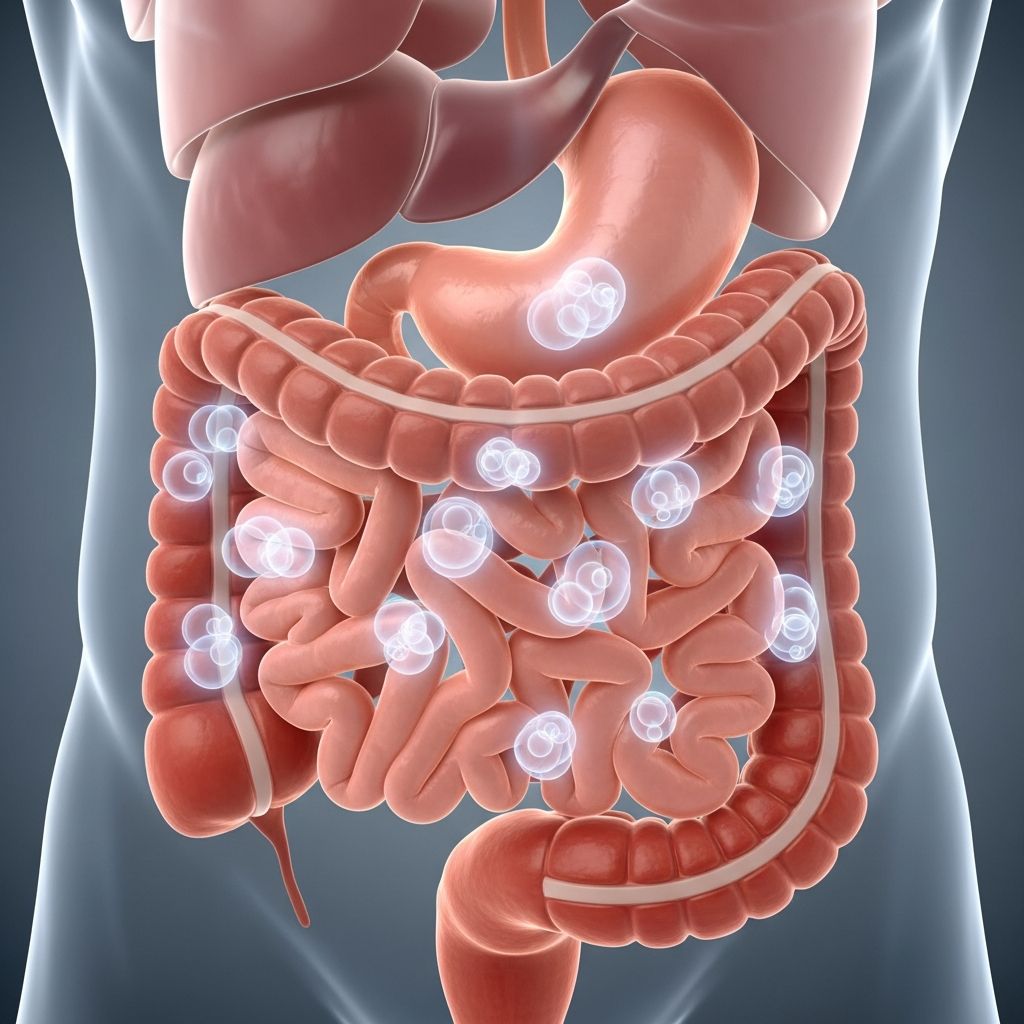
Gas in the digestive tract is a normal part of the digestive process that everyone experiences. While occasional gas is completely normal, excessive gas can cause discomfort, bloating, and embarrassment. Understanding what causes gas, recognizing its symptoms, and knowing how to manage it effectively can significantly improve your quality of life and digestive health.
What Is Gas in the Digestive Tract?
Gas in your digestive tract refers to air or gas that accumulates in your stomach and intestines during the digestive process. This gas can cause various uncomfortable symptoms, including belching, bloating, abdominal cramps, and flatulence. The presence of some gas is entirely normal and necessary for proper digestion, but when excessive amounts accumulate or when gas becomes trapped, it can lead to significant discomfort.
Your body eliminates most gas through two primary mechanisms: burping or belching from the stomach, and passing gas through the anus from the intestines. When these elimination methods don’t work efficiently, gas can build up and cause bloating and pain.
What Causes Gas in the Digestive Tract?
Gas in your digestive tract originates from two main sources: swallowed air and the breakdown of certain foods by bacteria in your colon. Understanding these causes is essential for managing and preventing excessive gas.
Swallowing Air (Aerophagia)
One of the primary causes of gas is aerophagia, which occurs when you swallow excess air. This can happen in several situations:
- Eating or drinking too quickly without adequate chewing
- Chewing gum, which stimulates swallowing reflexes
- Smoking or drinking carbonated beverages
- Wearing loose dentures that cause you to swallow more frequently
- Having postnasal drip, which can trigger excessive swallowing
Most of the air you swallow leaves your stomach when you burp or belch. However, some gas is absorbed into your small intestine, and a small amount proceeds to your large intestine, where it is eventually passed through your anus.
Food Breakdown by Bacteria
Your large intestine contains beneficial bacteria that help break down carbohydrates and other food components. When your stomach and small intestine cannot fully digest certain foods, the remaining undigested material passes to your large intestine. Bacteria in the colon then ferment these carbohydrates, producing gas in the process. This is a normal metabolic activity, but when you consume more carbohydrates that resist digestion, you produce more gas.
Foods That Cause Gas
Most foods containing carbohydrates can produce gas, while fats and proteins typically cause minimal gas production. Certain carbohydrates and sugars that are poorly digested are known as FODMAPs (Fermentable Oligosaccharides, Disaccharides, Monosaccharides, And Polyols). Foods high in FODMAPs tend to make gas in the small intestine and can cause cramping, bloating, and diarrhea. These include:
Related Stories



- High-fiber foods such as beans, lentils, and whole grains
- Cruciferous vegetables like broccoli, cabbage, and cauliflower
- Dairy products containing lactose
- Certain fruits including apples, pears, and stone fruits
- Artificial sweeteners and sugar substitutes
- Carbonated beverages
Symptoms of Gas in the Digestive Tract
The symptoms associated with gas in the digestive tract vary in severity and frequency depending on the amount of gas present and how it moves through your system. Common symptoms include:
- Belching or burping: Frequent belching, especially after meals, is often the first sign of excess gas
- Bloating and distention: A feeling of fullness and visible abdominal swelling
- Flatulence: Passing gas through the anus, often accompanied by odor
- Abdominal pain and cramping: Discomfort that may range from mild to severe, depending on gas accumulation
- Rumbling stomach sounds: Audible gurgling or rumbling in the abdomen
In rare cases, such as with meganblase syndrome, chronic belching can occur, particularly after consuming large, heavy meals. This condition involves swallowing a large amount of air that creates a big bubble of gas in your stomach, making you feel extremely full and potentially causing breathing difficulties that may feel like a heart attack.
When to See Your Healthcare Provider
While occasional gas is normal, you should consult your healthcare provider if you experience:
- Persistent or worsening symptoms of gas and bloating
- Unexplained weight loss alongside gas symptoms
- Severe abdominal pain that doesn’t improve with over-the-counter remedies
- Changes in bowel habits or stool appearance
- Symptoms that interfere with your daily activities
- Gas symptoms occurring after dietary changes or new medications
Medical Conditions Associated with Excess Gas
Several underlying health conditions can cause excessive gas or worsen gas symptoms. These conditions often require specific medical management in addition to dietary modifications.
Irritable Bowel Syndrome (IBS)
IBS is a functional gastrointestinal disorder that commonly causes bloating, gas, and abdominal pain. The condition involves problems with how your brain and gut communicate, affecting how gas moves through your intestines. Individuals with IBS may benefit from symptomatic therapy for gas pains using antispasmodic medications such as dicyclomine or hyoscyamine, which can be taken under the tongue for quick relief.
Small Intestinal Bacterial Overgrowth (SIBO)
Small intestinal bacterial overgrowth occurs when there is an increase in the number of bacteria or a change in the bacterial composition in your small intestine. These bacteria produce excess gas and may also cause diarrhea and weight loss. SIBO is most often a complication of other health conditions and may require antibiotic therapy to reduce bacterial populations and gas production.
Other Digestive Conditions
Additional conditions that can increase gas symptoms include celiac disease, gastroparesis, food intolerances (particularly lactose intolerance), constipation, and functional abdominal bloating and distention. Each condition may require targeted treatment approaches.
Management and Treatment Options
Most people can effectively manage gas through a combination of dietary changes, lifestyle modifications, and over-the-counter medications. Treatment approaches vary from person to person, and finding the right combination often requires some trial and error.
Dietary Modifications
Changing your diet is often the most effective way to reduce gas symptoms. Key dietary strategies include:
- Adopt a low FODMAP diet: Reducing foods high in fermentable carbohydrates can significantly decrease gas production
- Reduce lactose intake: Try lactose-free dairy products or take milk products supplemented with lactase to aid digestion
- Limit high-fiber foods initially: Gradually increase fiber intake rather than consuming large amounts suddenly
- Avoid carbonated beverages: Sodas and other carbonated drinks introduce additional gas into your system
- Cut back on fatty foods: Dietary fat delays the clearance of gas from your intestines, potentially worsening symptoms
- Eliminate artificial sweeteners: Try reducing or changing sugar substitutes if they trigger symptoms
- Drink adequate water: Proper hydration helps prevent constipation and supports overall digestive health
Lifestyle Modifications
Beyond dietary changes, certain lifestyle habits can significantly reduce the amount of air you swallow and improve gas symptoms:
- Eat slowly and chew food thoroughly
- Avoid chewing gum and sucking on hard candies
- Don’t use straws when drinking beverages
- Maintain good posture while eating and drinking
- Manage stress, which can affect eating habits and digestion
- Get regular physical activity to promote healthy digestion
Medications and Supplements
Many over-the-counter medications can help reduce gas symptoms. Available options include:
- Antacids with simethicone: These help break up gas bubbles in your stomach and intestines
- Alpha-galactosidase (Beano): Helps break down complex carbohydrates before they reach your colon
- Lactase supplements: Help digest lactose in dairy products, allowing you to eat foods that normally cause gas
- Probiotics: May help balance gut bacteria, though you should discuss with your healthcare provider
- Digestive enzymes: Can assist in breaking down carbohydrates that normally cause gas
If you use fiber supplements, consult your care team about the appropriate amount and type for your situation, and remember to drink water with your meals and supplements to prevent constipation.
Identification of Problem Foods
Since responses to dietary components vary significantly from person to person, identifying your specific trigger foods is crucial. Try eliminating foods or beverages you suspect are causing gas for one week, then gradually reintroduce them one at a time to help identify the offenders. This systematic approach allows you to customize your diet to your specific needs.
When Medical Treatment Is Necessary
If your gas problems are caused by another health condition, treating the underlying condition may offer relief. For example, patients with bacterial overgrowth may see improvement from occasional use of antibiotics to reduce the number of bacteria in the small bowel, thereby reducing gas production. Your healthcare provider can determine whether your gas symptoms require medical intervention beyond lifestyle and dietary changes.
Frequently Asked Questions
Is all gas abnormal?
No, having some gas is completely normal and is a natural part of digestion. Most people pass gas several times daily. Gas only becomes a concern when it causes persistent discomfort or significantly interferes with daily activities.
Can I completely eliminate gas?
You cannot completely eliminate gas, as it is a normal byproduct of digestion. However, you can significantly reduce excessive gas through dietary modifications, lifestyle changes, and appropriate management strategies.
Are there foods I should never eat?
Rather than completely avoiding certain foods, focus on identifying your personal trigger foods through gradual elimination and reintroduction. Most people can tolerate small amounts of gas-producing foods without significant discomfort.
How quickly should I expect improvement?
Dietary changes typically show results within a few days to a week. However, some people may need several weeks to notice significant improvement as their digestive system adjusts.
Should I take probiotics for gas?
Probiotics may help some people with gas symptoms by balancing gut bacteria. However, always consult your healthcare provider before starting any supplement regimen, as effectiveness varies among individuals and certain conditions.
Key Takeaways
Gas in the digestive tract is a normal physiological process, but excessive gas can cause significant discomfort. By understanding the sources of gas—whether from swallowed air or bacterial fermentation of undigested carbohydrates—you can take targeted steps to manage symptoms. Most people find relief through a combination of dietary modifications, lifestyle changes, and appropriate use of over-the-counter medications. If gas symptoms persist despite these efforts or if they’re associated with other concerning symptoms, consult your healthcare provider to rule out underlying digestive conditions that may require specific medical treatment.
References
- Gas and Gas Pains: Symptoms & Causes — Mayo Clinic. 2024. https://www.mayoclinic.org/diseases-conditions/gas-and-gas-pains/symptoms-causes/syc-20372709
- Symptoms & Causes of Gas in the Digestive Tract — National Institute of Diabetes and Digestive and Kidney Diseases (NIDDK). 2024. https://www.niddk.nih.gov/health-information/digestive-diseases/gas-digestive-tract/symptoms-causes
- Gas in the Digestive Tract — University of Rochester Medical Center. 2024. https://www.urmc.rochester.edu/encyclopedia/content?ContentTypeID=85&ContentID=P00369
- Belching, Bloating & Flatulence — American College of Gastroenterology (ACG). 2024. https://gi.org/topics/belching-bloating-and-flatulence/
- Gas in the Digestive Tract — Loma Linda University Health. 2024. https://lluh.org/conditions/gas-digestive-tract
- Controlling Intestinal Gas — International Foundation for Gastrointestinal Disorders (IFFGD). 2024. https://iffgd.org/gi-disorders/symptoms-causes/intestinal-gas/
- Gas and Gas Pains: Diagnosis & Treatment — Mayo Clinic. 2024. https://www.mayoclinic.org/diseases-conditions/gas-and-gas-pains/diagnosis-treatment/drc-20372714
Similar Articles








Read full bio of medha deb