Gastrectomy: Partial, Total & Complications
Complete guide to gastrectomy surgery: types, procedures, recovery, and potential complications explained.
Gastrectomy: Stomach Removal Surgery
Gastrectomy is a surgical procedure that involves the removal of part or all of your stomach. This operation may be necessary to treat various medical conditions, including stomach cancer, severe obesity, and other stomach-related conditions that have not responded to conservative treatments such as medication and lifestyle modifications. Understanding the different types of gastrectomy procedures, their indications, surgical techniques, recovery process, and potential complications can help patients make informed decisions about their healthcare.
Understanding Gastrectomy
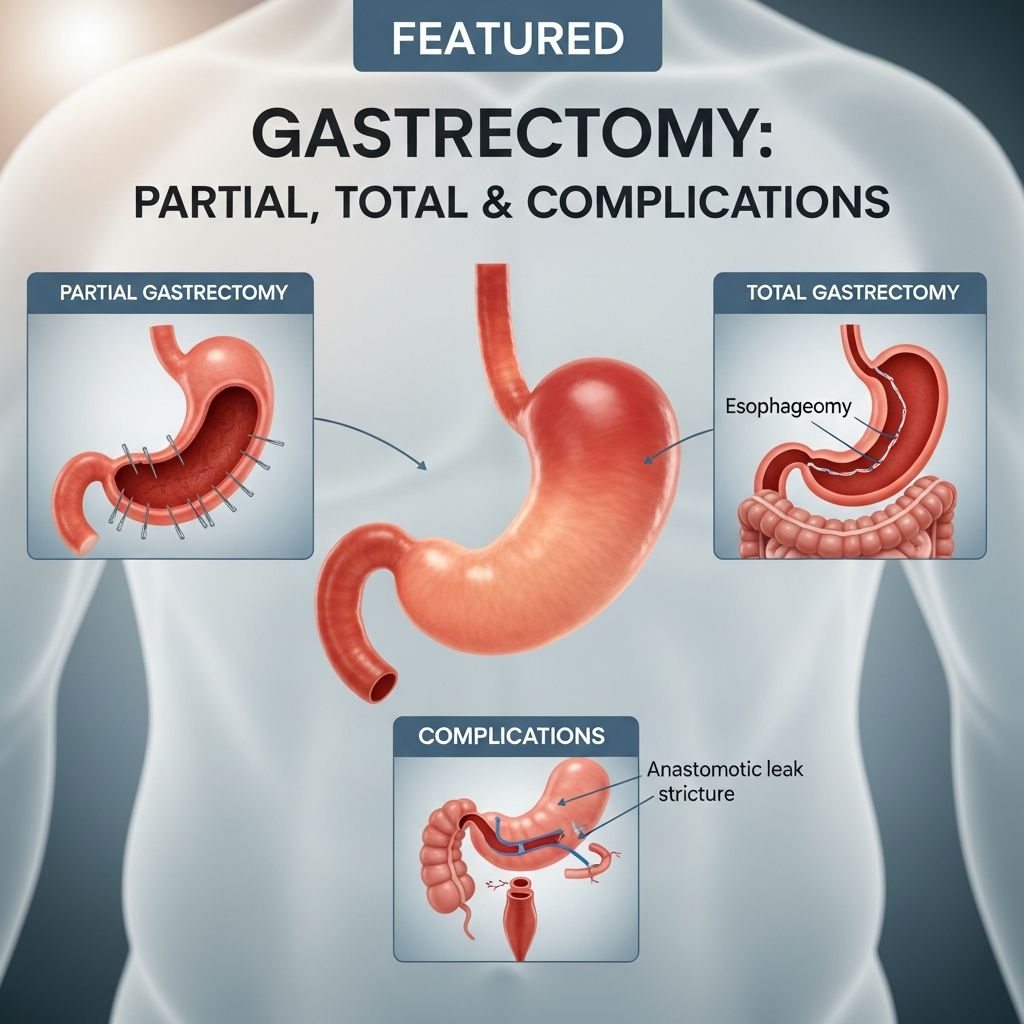
Gastrectomy is categorized into two main types based on the extent of stomach removal: total gastrectomy and partial gastrectomy. In a total gastrectomy, the entire stomach is surgically removed, whereas a partial gastrectomy removes only a portion of the stomach. The choice between these procedures depends on the underlying medical condition, the extent of the disease, and the patient’s overall health status.
Total Gastrectomy
Total gastrectomy involves the complete removal of your entire stomach. This procedure is typically recommended for patients with advanced gastric cancer that has spread throughout the stomach. By removing the entire stomach, surgeons aim to eliminate all cancerous tissue and prevent the spread of cancer to other parts of the body. After total gastrectomy, the surgeon reconnects the esophagus directly to the small intestine, allowing food to bypass the stomach entirely.
Partial Gastrectomy
Partial gastrectomy removes only a portion of the stomach, typically the lower part where gastric cancer may be localized. This procedure is less extensive than total gastrectomy and may preserve some stomach function. Partial gastrectomy is often chosen when the cancer is confined to a specific area of the stomach, allowing surgeons to remove the affected tissue while preserving as much healthy stomach tissue as possible.
Indications for Gastrectomy
Gastrectomy is primarily recommended for several medical conditions where less invasive treatments have proven ineffective or where the condition poses a significant health risk.
Stomach Cancer Treatment
Gastrectomy most commonly treats stomach cancer, also known as gastric cancer. Patients may need a total or partial gastrectomy to cure the cancer or prevent it from spreading to other organs. The extent of the surgery depends on the stage of cancer, its location within the stomach, and whether lymph nodes are involved. In cases where the cancer is not curable, gastrectomy can be performed as a palliative procedure to relieve symptoms such as stomach bleeding, pain, and obstruction.
Severe Obesity
Gastrectomy can also be performed as a weight loss procedure for individuals with severe (Class III) obesity. In these cases, the procedure is often referred to as sleeve gastrectomy. This bariatric surgery reduces the size of the stomach significantly, limiting food intake and helping patients achieve substantial weight loss when combined with lifestyle changes.
Other Stomach Conditions
Gastrectomy may be recommended for other chronic stomach conditions that have not responded to conservative treatments. These conditions might include severe peptic ulcers, benign gastric tumors, or other gastrointestinal disorders that cause significant symptoms or complications despite medical management.
Surgical Techniques and Procedures
Related Stories



Modern gastrectomy procedures are typically performed using minimally invasive laparoscopic techniques, though open surgery may be necessary in certain complex cases.
Laparoscopic Gastrectomy
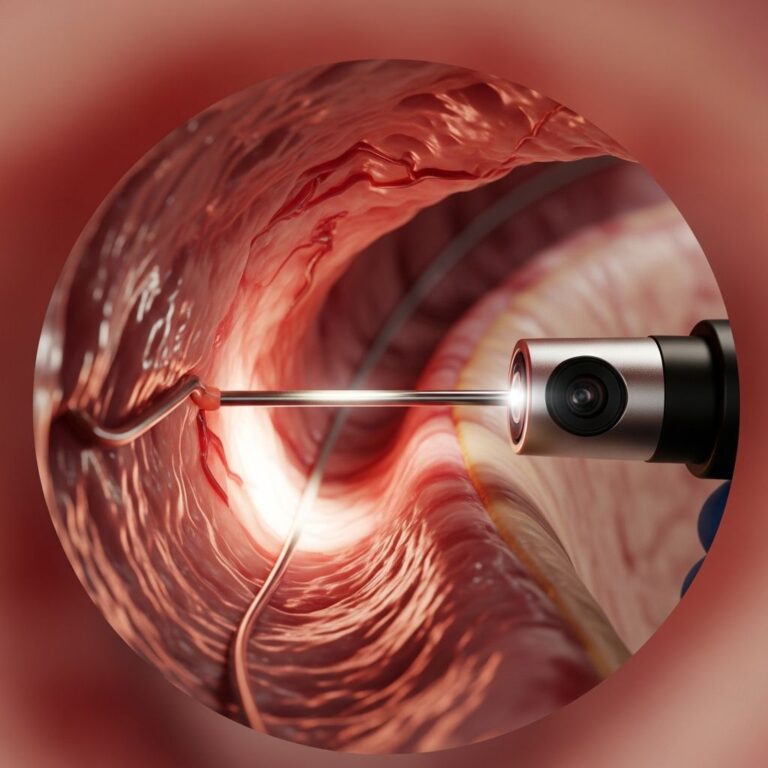
Laparoscopic gastrectomy is performed using small incisions in the abdomen. The surgeon uses specialized instruments and a laparoscope (a thin camera) to visualize the surgical area on a monitor. This minimally invasive approach offers several advantages over traditional open surgery, including reduced pain, shorter hospital stays, faster recovery times, and lower infection rates. The procedure typically takes between one to four hours, depending on the complexity of the case and whether it is a partial or total gastrectomy.
Open Gastrectomy
In some cases, such as when there is extensive cancer involvement or significant complications, open gastrectomy may be necessary. This traditional surgical approach involves making a larger incision in the abdomen to access the stomach directly. While open surgery requires a longer recovery period, it may be required when laparoscopic techniques are not suitable or when the surgeon needs better visualization and access to surrounding tissues.
Reconstruction Methods
After removing the stomach or a portion of it, the surgeon must reconstruct the digestive tract to allow food to pass from the esophagus to the small intestine. Common reconstruction methods include the Billroth I procedure, which connects the remaining stomach directly to the small intestine, and the Billroth II procedure, which bypasses part of the small intestine. The specific reconstruction method chosen depends on the extent of stomach removal and the surgeon’s preference based on the clinical situation.
Pre-Operative Preparation
Before undergoing gastrectomy, patients must complete several pre-operative assessments and preparations to ensure they are suitable candidates for surgery and to minimize complications.
Medical Evaluation
Patients will undergo comprehensive medical evaluation, including blood tests, imaging studies such as CT scans or endoscopy, and cardiac assessments. These evaluations help the surgical team understand the extent of the disease and assess whether the patient can tolerate surgery safely.
Nutritional Assessment
Since gastrectomy will significantly alter digestion and nutrient absorption, patients may be referred to a nutritionist for pre-operative counseling. Understanding post-operative dietary requirements helps patients prepare mentally and physically for the changes they will experience.
Fasting Requirements
Patients are typically instructed to fast for a specific period before surgery, usually six to eight hours before the procedure. This prevents complications related to aspiration during anesthesia.
Recovery After Gastrectomy
The recovery process after gastrectomy varies depending on whether laparoscopic or open surgery was performed, the extent of the procedure, and individual patient factors.
Hospital Stay
After laparoscopic gastrectomy, patients typically remain in the hospital for two to three days. Following open surgery, the hospital stay may be longer, usually five to seven days. During hospitalization, medical staff monitor vital signs, manage pain, and assess for any complications.
Dietary Progression
Immediately after surgery, patients cannot consume solid foods. They begin with clear liquids and gradually progress to full liquids, then soft foods over several weeks. This gradual dietary progression allows the digestive tract to heal and adapt to its new configuration. Patients must follow specific dietary guidelines provided by their surgical team and nutritionist.
Physical Activity
Patients are encouraged to begin light activities, such as walking, shortly after discharge. However, strenuous activities and heavy lifting should be avoided for four to six weeks. The timeline for returning to normal activities depends on the type of surgery performed and individual recovery rates.
Return to Work
Many patients can return to sedentary work within two to three weeks following laparoscopic surgery. Those who undergo open surgery or have physically demanding jobs may require a longer recovery period, typically six to eight weeks.
Potential Complications
Like all surgical procedures, gastrectomy carries risks of complications. Understanding these potential complications helps patients recognize symptoms that require medical attention.
Early Complications
Early complications that may occur immediately after surgery or within the first few weeks include bleeding, infection, and anastomotic leakage (where the surgical connection between the esophagus and small intestine fails). Additionally, patients may experience nausea, vomiting, and difficulty tolerating foods. Most of these complications can be managed with medical intervention.
Late Complications
Late complications may develop weeks or months after surgery. Dumping syndrome occurs when food moves too quickly from the stomach to the small intestine, causing symptoms such as dizziness, sweating, and abdominal cramping. Nutritional deficiencies can develop due to reduced stomach capacity and altered nutrient absorption, requiring long-term supplementation and monitoring. Other late complications include anastomotic stricture (narrowing at the surgical connection), which may cause difficulty swallowing or vomiting.
Nutritional Deficiencies
Following gastrectomy, particularly total gastrectomy, patients are at risk for deficiencies in vitamin B12, iron, calcium, and other essential nutrients. Lifelong vitamin B12 injections or supplements are typically required, and patients need regular monitoring of nutritional status through blood tests. Adherence to prescribed supplements and dietary recommendations is crucial for preventing serious long-term complications.
Benefits of Gastrectomy
Despite the potential complications, gastrectomy offers significant benefits for appropriate candidates. For patients with gastric cancer, gastrectomy provides the best chance for cure or disease control. The extent of cancer removal directly impacts survival rates and quality of life. For patients undergoing gastrectomy as a weight loss procedure, the surgery can result in substantial weight reduction, often 50 to 80 percent of excess body weight, leading to improvements in obesity-related health conditions such as type 2 diabetes, hypertension, and sleep apnea.
Life After Gastrectomy
Patients who have undergone gastrectomy must make significant lifestyle adjustments to maintain health and prevent complications. Regular follow-up appointments with the surgical team and nutritionist are essential for monitoring recovery and managing any issues that arise. Patients should eat smaller, more frequent meals, avoid foods that trigger dumping syndrome, and strictly follow prescribed supplement regimens. Long-term dietary compliance and medical supervision help optimize outcomes and quality of life.
Frequently Asked Questions
Q: How long does gastrectomy surgery take?
A: Gastrectomy typically takes between one to four hours, depending on whether it is a partial or total gastrectomy and whether laparoscopic or open surgery is performed.
Q: Can the stomach grow back after partial gastrectomy?
A: The remaining stomach tissue cannot regenerate to restore the stomach to its original size. However, the remaining stomach may gradually dilate over time, which is why long-term dietary adherence remains important.
Q: Will I need to take supplements for life after gastrectomy?
A: Most patients, particularly those undergoing total gastrectomy, will need lifelong vitamin B12 supplementation and other nutritional supplements as determined by their healthcare team.
Q: How soon can I eat solid foods after gastrectomy?
A: Most patients can begin introducing soft foods within two to three weeks after surgery, with gradual progression to solid foods based on tolerance and medical guidance.
Q: What is dumping syndrome and how is it managed?
A: Dumping syndrome occurs when food enters the small intestine too quickly, causing symptoms like dizziness and sweating. It is managed through dietary modifications, eating slowly, and in some cases, medication.
Q: Is laparoscopic gastrectomy safer than open surgery?
A: Laparoscopic gastrectomy generally offers advantages including reduced pain, shorter hospital stays, and faster recovery, but the safest approach depends on individual circumstances and the complexity of the case.
References
- Gastrectomy (Stomach Removal): Partial, Total & Complications — Cleveland Clinic. 2024. https://my.clevelandclinic.org/health/procedures/gastrectomy
- Bariatric (Weight Loss) Surgery: Types & Requirements — Cleveland Clinic. 2024. https://my.clevelandclinic.org/health/treatments/bariatric-surgery
- Gastric Bypass (Roux-en-Y) Surgery: Requirements & Recovery — Cleveland Clinic. 2024. https://my.clevelandclinic.org/health/treatments/17157-gastric-bypass-surgery
- Gastric Sleeve Surgery: What it Is, Requirements — Cleveland Clinic. 2024. https://my.clevelandclinic.org/health/treatments/22931-gastric-sleeve-surgery
- Why Sleeve Gastrectomy Has Become the Most Common Bariatric Surgical Procedure — Cleveland Clinic. ConsultQD. 2024. https://consultqd.clevelandclinic.org/why-sleeve-gastrectomy-has-become-the-most-common-bariatric-surgical-procedure
- Surgical Weight Loss — Cleveland Clinic. 2024. https://my.clevelandclinic.org/departments/bariatric/treatments/surgical-weight-loss
Similar Articles








Read full bio of medha deb