Gastritis: Causes, Symptoms, and Treatment Options
Complete guide to understanding gastritis, its symptoms, causes, and effective treatment strategies.
Understanding Gastritis: A Complete Guide
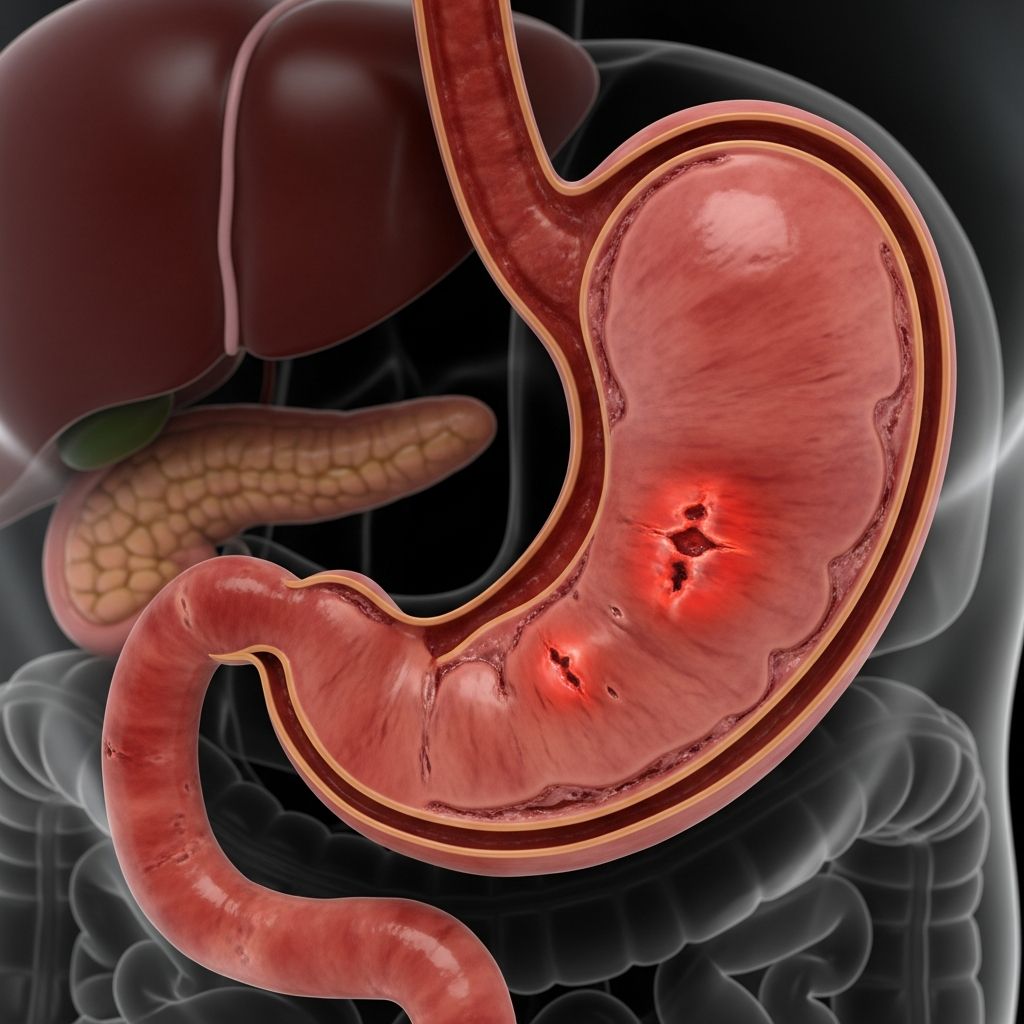
Gastritis is a medical condition characterized by inflammation of the stomach lining, the protective mucus-lined barrier that shields the stomach wall from digestive acids and enzymes. When this protective barrier becomes weakened or damaged, digestive juices can irritate and inflame the stomach lining, leading to the symptoms and complications associated with gastritis. Understanding this condition is essential for recognizing symptoms early and seeking appropriate treatment.
The stomach itself is a muscular organ approximately the size of a small melon that expands to accommodate food and liquid, holding up to about a gallon (4 liters) of digestive material. As food enters the stomach, powerful muscle contractions called peristaltic waves grind the food and push it toward the pyloric valve, which controls the passage of food into the small intestine. When inflammation develops in this crucial organ, it can significantly impact digestive function and overall well-being.
What Is Gastritis?
Gastritis is a general term describing a group of conditions that share one common characteristic: inflammation of the stomach lining. This inflammation occurs when the protective barrier of the stomach becomes compromised, allowing digestive juices to damage the underlying tissue. The condition can develop suddenly or gradually over time, and its severity can vary considerably from person to person.
Most cases of gastritis result from either infection with the bacterium Helicobacter pylori (H. pylori), the same pathogen responsible for most stomach ulcers, or from the regular use of certain pain-relief medications. Additionally, excessive alcohol consumption can contribute significantly to the development of gastritis. While gastritis is often manageable and improves quickly with appropriate treatment, untreated cases can lead to serious complications including stomach ulcers, internal bleeding, and in rare instances, increased risk of stomach cancer.
Recognizing Gastritis Symptoms
Gastritis presents with a wide range of symptoms that vary in intensity and frequency among affected individuals. Importantly, some people may have gastritis without experiencing any noticeable symptoms at all, making regular check-ups important for those at risk.
Common Symptoms Include:
– A gnawing or burning ache or pain in the upper abdomen, commonly referred to as indigestion- Nausea and loss of appetite- Vomiting- A persistent feeling of fullness in the upper abdomen after eating- Bloating and discomfort- Black or tarry stools indicating possible bleeding- Vomiting blood or material that resembles coffee grounds
The severity and pattern of symptoms can provide important clues about the underlying cause. Some individuals experience symptoms that worsen after eating, while others find their discomfort improves temporarily after consuming food. Others may notice their symptoms are worse between meals or at night when stomach acid production increases in the absence of food.
Types of Gastritis
Gastritis is classified into two primary categories based on its onset and duration:
Acute Gastritis
Acute gastritis develops suddenly and typically results from a specific trigger such as severe stress, acute infection, or a recent medication change. This form usually appears abruptly and can be quite intense, though it often resolves relatively quickly once the triggering factor is addressed and appropriate treatment is initiated.
Chronic Gastritis
Chronic gastritis develops gradually over an extended period and may be caused by ongoing H. pylori infection, autoimmune conditions, or prolonged use of irritating substances. This form requires long-term management and monitoring to prevent serious complications.
Related Stories



Understanding the Causes of Gastritis
Gastritis develops when the protective mechanisms of the stomach lining become compromised. Several distinct causes can trigger this inflammatory response:
Helicobacter pylori Infection
H. pylori is one of the most common human infections worldwide, affecting billions of people globally. This bacterium colonizes the stomach lining and can persist for years if untreated. However, not everyone with H. pylori develops gastritis or related disorders. Healthcare professionals believe that genetic factors influence individual susceptibility to the infection, as do lifestyle choices including smoking and dietary habits.
Medication-Related Gastritis
Nonsteroidal anti-inflammatory drugs (NSAIDs) such as aspirin, ibuprofen, and naproxen are among the most common medication-related causes of gastritis. These pain relievers can irritate and damage the stomach lining, particularly with regular or prolonged use. Corticosteroids may also contribute to gastritis risk when used chronically.
Alcohol and Lifestyle Factors
Excessive alcohol consumption irritates and breaks down the stomach lining, making the underlying tissue more vulnerable to damage from digestive juices. This is particularly problematic in acute gastritis cases, as a single episode of heavy drinking can trigger severe inflammation.
Autoimmune Gastritis
In autoimmune gastritis, the immune system mistakenly attacks the cells that line the stomach, gradually wearing away the protective barrier. This condition is more prevalent among individuals with other autoimmune disorders such as Hashimoto’s disease and type 1 diabetes, and it often leads to vitamin B-12 deficiency.
Other Medical Conditions
Gastritis can be associated with various medical conditions including HIV/AIDS, Crohn’s disease, celiac disease, sarcoidosis, and parasitic infections. These conditions may increase inflammation in the digestive tract or compromise the immune system’s ability to maintain stomach health.
Risk Factors for Gastritis
Certain factors significantly increase the likelihood of developing gastritis:
| Risk Factor | Details |
|---|---|
| Bacterial Infection | H. pylori infection significantly increases gastritis risk, though susceptibility varies based on genetics and lifestyle factors |
| Age | Older adults face increased risk as stomach lining naturally thins with age and H. pylori infection becomes more prevalent |
| Medication Use | Regular NSAID use for pain management substantially elevates gastritis risk |
| Alcohol Consumption | Excessive alcohol use directly damages stomach lining and increases acute gastritis risk |
| Autoimmune Disorders | People with autoimmune diseases have heightened risk of autoimmune gastritis |
| Smoking | Smoking increases H. pylori sensitivity and overall gastritis susceptibility |
| Chronic Stress | Psychological stress can trigger or exacerbate gastritis symptoms |
Diagnosis and Medical Evaluation
If you experience persistent gastritis symptoms lasting longer than one week, it is important to consult with a healthcare professional. Your doctor will likely begin with a comprehensive medical history and physical examination. To confirm a gastritis diagnosis and identify the underlying cause, several diagnostic tests may be recommended:
– Upper endoscopy to visually examine the stomach lining- Biopsy to check for H. pylori infection and assess tissue changes- H. pylori testing through blood, breath, or stool samples- Testing for antibodies related to autoimmune gastritis- Complete blood count to evaluate for anemia or other complications
Treatment Approaches for Gastritis
Treatment for gastritis varies depending on the underlying cause and severity of symptoms:
Medication Management
Several types of medications can effectively manage gastritis symptoms and promote healing. Acid-suppressing medications such as proton pump inhibitors reduce stomach acid production, allowing the inflamed lining to heal. H2-receptor antagonists provide similar benefits with a different mechanism of action. For H. pylori infection, combination antibiotic therapy eliminates the bacteria and typically resolves gastritis completely.
Lifestyle Modifications
Making strategic lifestyle changes can significantly improve gastritis symptoms and prevent recurrence. These modifications include avoiding trigger foods and beverages, eating smaller, more frequent meals, limiting alcohol consumption, managing stress through relaxation techniques, and avoiding NSAIDs when possible. Quitting smoking also substantially improves healing rates.
Dietary Adjustments
A gentle diet low in fat, spicy foods, and acidic items can reduce gastritis symptoms. Many people find relief with bland foods such as rice, bananas, plain chicken, and leafy greens. Staying well-hydrated with water and non-acidic beverages supports the healing process.
Potential Complications of Untreated Gastritis
While most cases of gastritis resolve with appropriate treatment, complications can develop if the condition remains untreated:
–
Stomach Ulcers
: Ongoing inflammation can erode through the stomach lining, creating painful sores-Bleeding
: Severe inflammation or ulcers may cause internal bleeding, leading to blood in vomit or black stools-Stomach Cancer
: Chronic gastritis with extensive lining damage and cellular changes may increase cancer risk-Vitamin Deficiencies
: Autoimmune gastritis impairs vitamin B-12 absorption, potentially causing anemia and neurological problems-Obstruction
: Severe swelling may block the passage from stomach to small intestineWhen to Seek Medical Attention
Most cases of indigestion and mild stomach irritation resolve without medical intervention. However, you should schedule an appointment with your healthcare provider if symptoms persist for more than one week despite self-care measures. Seek immediate medical attention if you experience:
– Severe abdominal pain or cramping- Persistent vomiting or inability to keep food down- Vomiting blood or material resembling coffee grounds- Black, tarry stools indicating internal bleeding- Symptoms following medication use, particularly pain relievers- Lightheadedness, dizziness, or fainting- Unexplained weight loss
Prevention Strategies
While not all cases of gastritis can be prevented, reducing risk factors can significantly lower your chances of developing this condition. If you require pain management, discuss safer alternatives to NSAIDs with your healthcare provider. Limit alcohol consumption to moderate levels, manage stress through exercise and relaxation techniques, maintain a healthy diet rich in fruits and vegetables, and avoid smoking. For those with family history of H. pylori infection or gastritis, regular screening may be beneficial.
Frequently Asked Questions About Gastritis
Q: Is gastritis the same as a stomach ulcer?
A: No, though they are related. Gastritis is inflammation of the stomach lining, while an ulcer is a more severe condition where the inflammation has eroded through the lining creating a sore. However, untreated gastritis can progress to ulcer formation.
Q: Can gastritis be cured permanently?
A: This depends on the cause. H. pylori-related gastritis can be completely cured with antibiotic treatment. Medication-induced gastritis resolves when you stop taking the irritating drug. Autoimmune gastritis requires ongoing management but symptoms can be effectively controlled.
Q: How long does gastritis typically last?
A: Acute gastritis may improve within days to weeks with treatment. Chronic gastritis requires longer-term management and may persist for months or years depending on the underlying cause and treatment effectiveness.
Q: Can I eat normally with gastritis?
A: During acute episodes, a bland diet works best. As symptoms improve, you can gradually reintroduce normal foods. Some people with chronic gastritis may need to permanently avoid certain trigger foods.
Q: Is gastritis contagious?
A: H. pylori infection is contagious and spreads through contaminated food or water, though not all infected individuals develop gastritis. Most other causes of gastritis are not contagious.
Q: Can stress cause gastritis?
A: Chronic stress can trigger or exacerbate gastritis symptoms, though it typically acts as a contributing factor rather than the sole cause. Managing stress through relaxation techniques may help improve symptoms.
References
- Gastritis – Symptoms and causes — Mayo Clinic. 2024-02-14. https://www.mayoclinic.org/diseases-conditions/gastritis/symptoms-causes/syc-20355807
- Gastritis: Symptoms, Causes, Treatments, and More — WebMD. https://www.webmd.com/digestive-disorders/digestive-diseases-gastritis
- Johns Hopkins Guides – ABX, Diabetes, HIV, and Psychiatry — Johns Hopkins Medicine. https://www.hopkinsguides.com/hopkins
Similar Articles








Read full bio of Sneha Tete