Gastritis Causes: 9 Common And Rare Triggers Explained
Explore the primary causes of gastritis, from H. pylori infection to NSAIDs, alcohol, and autoimmune factors affecting stomach lining inflammation.
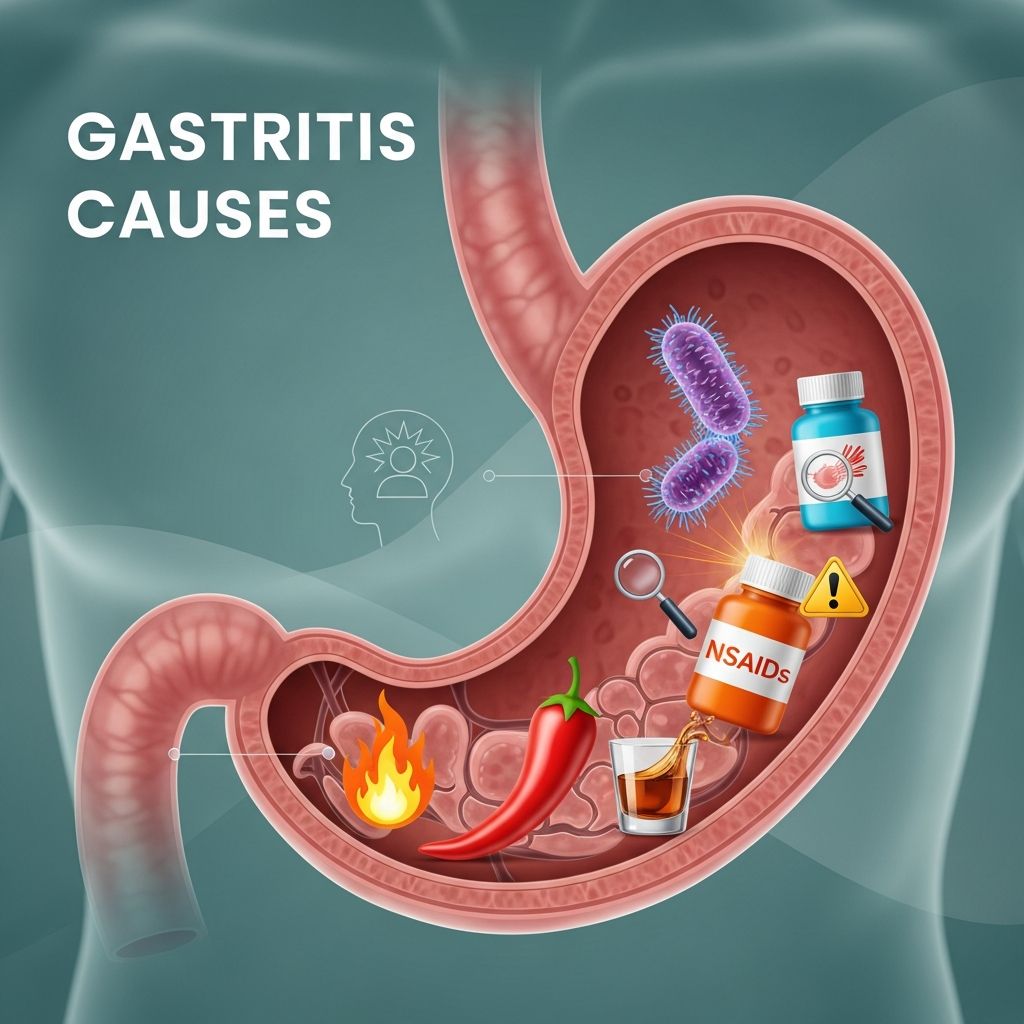
Gastritis is the inflammation of the stomach lining, which can be acute or chronic, stemming primarily from bacterial infections like H. pylori, medication overuse, alcohol, stress, and autoimmune responses.
What Is Gastritis?
Gastritis refers to a group of conditions characterized by inflammation of the stomach’s protective mucus lining. This lining acts as a barrier against digestive juices, but when damaged, it leads to irritation, erosion, or ulcers. Acute gastritis develops suddenly and may resolve quickly, while chronic gastritis persists over time and can increase risks for complications like stomach cancer.
The stomach lining’s integrity is crucial; weaknesses allow gastric acids to erode tissues, causing pain and other symptoms. Common triggers include infections, irritants, and immune-mediated damage.
Types of Gastritis
Gastritis is classified by duration and cause:
- Acute Gastritis: Sudden onset, often from irritants like NSAIDs or alcohol, typically short-term.
- Chronic Gastritis: Long-term inflammation, frequently due to H. pylori or autoimmune factors, leading to atrophy over years.
- Erosive Gastritis: Involves physical erosion of the lining from chemicals or stress.
- Non-Erosive Gastritis: Inflammation without visible erosion, common in H. pylori cases.
Common Causes of Gastritis
H. pylori Infection
The most prevalent cause worldwide, Helicobacter pylori (H. pylori) is a bacterium infecting over half the global population, leading to chronic gastritis in many. It burrows into the stomach mucus, triggering immune responses that inflame the lining. Transmission occurs via fecal-oral route, often in childhood through poor hygiene or crowded conditions.
Infection starts antral (lower stomach) and progresses to corpus atrophy, producing cytotoxic effects that intensify inflammation. Chronic cases destroy mucosa over decades, raising ulcer and cancer risks. Socioeconomic factors like household density influence prevalence.
Nonsteroidal Anti-Inflammatory Drugs (NSAIDs)
Overuse of NSAIDs such as aspirin and ibuprofen is a leading cause of acute gastritis. These drugs inhibit protective mucus production, allowing acids to erode the lining directly (erosive gastritis).
Regular or high-dose use heightens vulnerability, especially in older adults. Alternatives like acetaminophen are often recommended for pain relief to minimize risk.
Excessive Alcohol Use
Alcohol irritates and erodes the stomach lining, promoting acute gastritis by breaking down the protective barrier and increasing acid exposure. Chronic heavy drinking sustains damage, contributing to erosive forms.
It exacerbates other causes, like H. pylori, and is more impactful in binge patterns.
Stress
Severe physiological stress from major surgery, trauma, burns, or critical illness diverts blood from the stomach, weakening defenses against acids. This “stress gastritis” is typically acute.
Infections or injuries trigger this response, making the lining susceptible.
Less Common Causes of Gastritis
Autoimmune Gastritis
In autoimmune gastritis, the immune system attacks stomach parietal cells, causing chronic inflammation and atrophy, often with vitamin B12 deficiency. It’s linked to conditions like Hashimoto’s thyroiditis or type 1 diabetes.
This leads to an achlorhydric (acid-free) stomach, impairing nutrient absorption (iron, calcium, magnesium) and fostering bacterial overgrowth that produces carcinogens. Genetic factors suggest Northern European heritability; H. pylori may trigger it in susceptible individuals.
Related Stories



Bile Reflux
Bile from the small intestine refluxing into the stomach irritates the lining, mimicking acid damage and causing chronic inflammation.
Cancer Treatments
Chemotherapy and radiation inflame the stomach lining as side effects, often acute.
Other Infections
Viral (stomach flu), parasitic, or fungal infections cause short-term acute gastritis, less common than bacteria.
Recreational Drugs
Substances like cocaine chemically erode the lining, leading to acute cases.
Risk Factors for Gastritis
Several factors elevate susceptibility:
- Older Age: Thinning lining and higher H. pylori/autoimmune prevalence.
- Bacterial Sensitivity: Inherited or lifestyle-driven (smoking, diet).
- Crohn’s Disease: Inflammatory bowel conditions weaken the barrier.
| Risk Factor | Impact on Gastritis | Prevalence |
|---|---|---|
| H. pylori Exposure | Chronic inflammation | Global majority |
| NSAID Overuse | Acute erosive damage | Common in pain management |
| Excess Alcohol | Barrier breakdown | High in heavy drinkers |
| Autoimmune Disorders | Cell destruction | Associated with thyroid/diabetes |
Complications of Gastritis
Untreated gastritis risks ulcers, bleeding, perforation, and gastric cancer, especially in atrophic chronic forms. H. pylori-induced atrophy and autoimmune acid loss promote carcinogenesis via nitrosoamines and acetaldehyde.
Vitamin deficiencies arise from impaired absorption, affecting B12, iron, and more.
Prevention and Management
Prevent by hygiene to avoid H. pylori (handwashing), limiting NSAIDs/alcohol, stress management, and prompt infection treatment. Eradication therapy for H. pylori reverses early damage.
Balanced diet, smoking cessation, and regular check-ups reduce risks.
Frequently Asked Questions (FAQs)
What is the most common cause of gastritis?
A: H. pylori infection, responsible for most chronic cases worldwide.
Can NSAIDs cause gastritis?
A: Yes, overuse leads to acute erosive gastritis by reducing mucus protection.
Is gastritis contagious?
A: Gastritis itself no, but H. pylori spreads via poor hygiene.
How does alcohol contribute to gastritis?
A: It erodes the stomach lining, worsening acid damage, especially excessively.
What role does stress play in gastritis?
A: Severe stress reduces blood flow to the stomach, causing acute inflammation.
Can autoimmune diseases cause gastritis?
A: Yes, through attacks on stomach cells, leading to chronic atrophy and deficiencies.
References
- Gastritis: What It Is, Symptoms, Causes & Treatment — Cleveland Clinic. 2023-10-24. https://my.clevelandclinic.org/health/diseases/10349-gastritis
- Gastritis – Symptoms and causes — Mayo Clinic. 2023-08-22. https://www.mayoclinic.org/diseases-conditions/gastritis/symptoms-causes/syc-20355807
- Chronic gastritis — National Center for Biotechnology Information (PMC). 2015-12-10. https://pmc.ncbi.nlm.nih.gov/articles/PMC4673514/
Similar Articles








Read full bio of medha deb