Gastritis: 6 Common Causes, 5 Symptoms & 4 Treatment Options
Understand gastritis symptoms, causes, treatments, and prevention for better stomach health management.
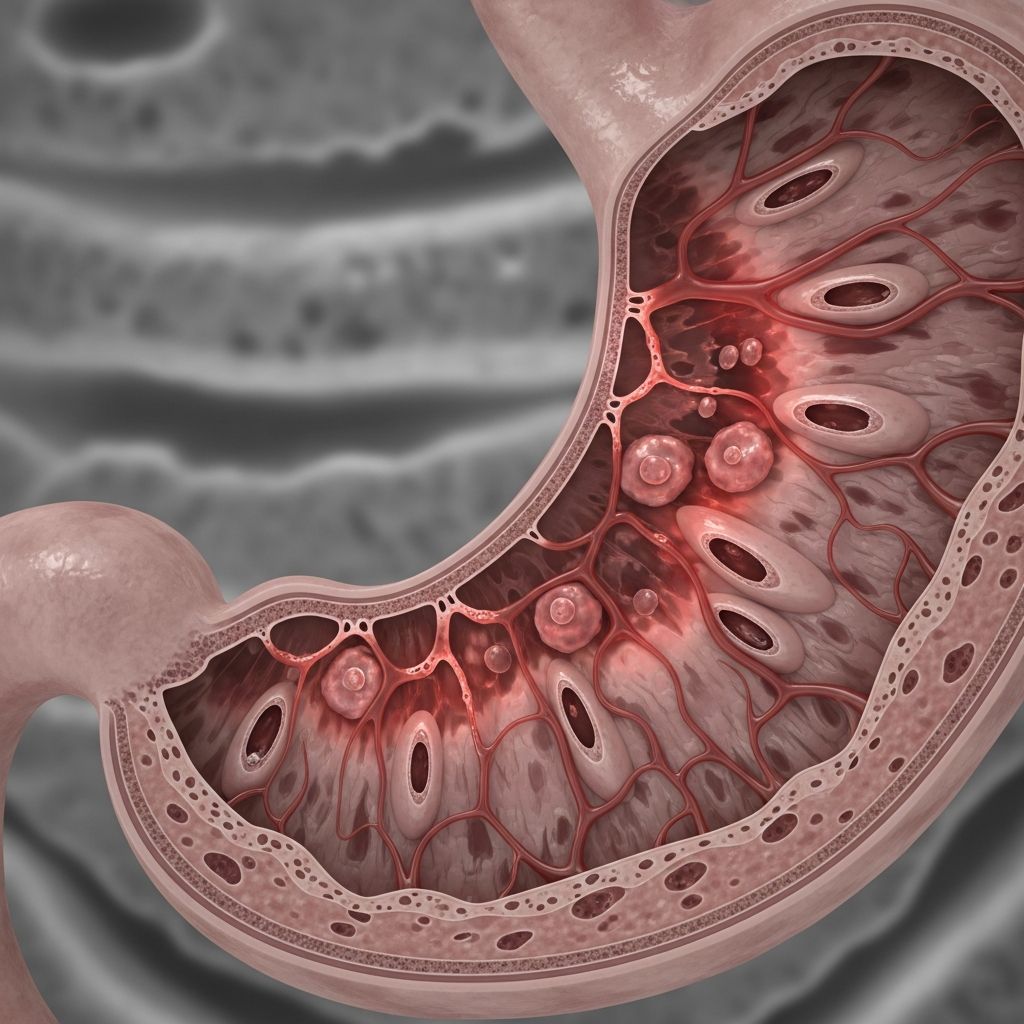
Gastritis refers to inflammation of the stomach lining, a protective mucus barrier that shields the stomach wall from digestive acids. This condition can manifest acutely or chronically, often due to bacterial infections, medications, or lifestyle factors, and may lead to complications if untreated.
What Is Gastritis?
The stomach is a muscular sac capable of expanding to hold up to a gallon of food or liquid. Peristaltic waves grind and push contents through the pyloric valve into the duodenum. Gastritis disrupts this by inflaming the lining, commonly from Helicobacter pylori (H. pylori) infection, nonsteroidal anti-inflammatory drugs (NSAIDs), or excessive alcohol.
Acute gastritis arises suddenly and may resolve quickly, while chronic gastritis develops gradually, potentially leading to ulcers or, rarely, stomach cancer. Most cases improve with treatment, but persistent inflammation risks further damage.
Types of Gastritis
- Acute Gastritis: Sudden onset, often from irritants like alcohol, stress, or NSAIDs. Symptoms are intense but typically short-lived.
- Chronic Gastritis: Long-term inflammation, frequently H. pylori-related or autoimmune. It may be asymptomatic initially but can thin the stomach lining over time.
- Autoimmune Gastritis: The immune system attacks stomach cells, linked to conditions like Hashimoto’s thyroiditis or type 1 diabetes, often causing vitamin B12 deficiency.
Symptoms of Gastritis
Gastritis may be silent, but when symptomatic, it presents upper abdominal discomfort. Common signs include:
- Gnawing or burning pain (indigestion) that worsens or improves with eating.
- Nausea or vomiting.
- Feeling full soon after starting meals.
- Bloating, belching, flatulence, or loss of appetite.
- Heartburn or a bloated belly in acute cases.
Chronic cases might mimic milder issues like GERD or irritable bowel, delaying diagnosis until ulcers form.
Causes of Gastritis
Weakened stomach lining allows digestive juices to erode the barrier. Primary causes include:
- H. pylori Infection: A widespread bacterium infecting over 40% in some populations, though only 4-8% develop gastritis. Spread via saliva, vomit, stool, or contaminated food/water, often in childhood.
- NSAIDs: Regular use of ibuprofen or naproxen damages the lining, causing both acute and chronic forms.
- Alcohol Excess: Irritates and erodes the lining, promoting acute gastritis.
- Stress: Severe events like surgery, burns, or infections trigger acute episodes.
- Autoimmune Factors: Body attacks parietal cells, common in autoimmune diseases.
- Other: Cancer treatments, Crohn’s disease, HIV/AIDS, celiac disease, or parasitic infections.
Risk Factors
Certain factors heighten susceptibility:
- Older age: Thinning lining and higher H. pylori/autoimmune prevalence.
- Regular NSAID use or overuse.
- Heavy alcohol consumption.
- Smoking, poor diet, or genetic sensitivity to H. pylori.
- Autoimmune disorders or chronic conditions.
Complications
Untreated gastritis risks ulcers, bleeding, anemia, or rarely, stomach cancer, especially with extensive lining atrophy. Prompt treatment mitigates these; consult a doctor if symptoms persist.
Diagnosis
Diagnosis starts with physical exam of the abdomen. Endoscopy (gastroscopy) is key: a gastroscope examines the stomach lining in 5-10 minutes via the mouth. Biopsies test for H. pylori, inflammation, or cell changes. Blood/stool tests detect infection or anemia; breath tests confirm H. pylori.
Treatment
Treatment targets causes and symptoms, varying by severity:
- Acid Reducers: Proton pump inhibitors (PPIs) like omeprazole/pantoprazole, H2 blockers (ranitidine/famotidine), or antacids (aluminum/magnesium hydroxide).
- H. pylori Eradication: 1-2 weeks of PPIs plus 2-3 antibiotics.
- NSAID Management: Switch medications or pair with PPIs.
- Lifestyle: Avoid irritants, eat smaller meals.
Related Stories



Severe cases may require hospitalization for IV medications.
Prevention
- Limit NSAIDs/alcohol.
- Practice hygiene to avoid H. pylori.
- Manage stress and underlying conditions.
- Use protective meds with long-term NSAIDs.
When to See a Doctor
Seek care for persistent pain, vomiting blood, black stools, unexplained weight loss, or severe symptoms. Early intervention prevents complications.
Frequently Asked Questions (FAQs)
What causes most cases of gastritis?
H. pylori infection or regular NSAID use are the leading causes worldwide.
Can gastritis go away on its own?
Acute cases often resolve without treatment, but chronic forms need medical intervention.
Does gastritis increase stomach cancer risk?
Rarely, chronic atrophic gastritis raises risk; monitoring is advised.
How is H. pylori treated?
Combination therapy: PPIs and antibiotics for 1-2 weeks.
Are there dietary changes for gastritis?
Avoid spicy/acidic foods, alcohol; opt for bland, small meals.
Living with Gastritis
Manage with medications, diet (high-fiber, low-fat), and stress reduction. Most lead normal lives post-treatment. Regular check-ups monitor chronic cases.
Key Takeaway: Gastritis is common and treatable. Awareness of risks empowers prevention.
References
- Gastritis – Symptoms and causes — Mayo Clinic Staff. 2024-02-14. https://www.mayoclinic.org/diseases-conditions/gastritis/symptoms-causes/syc-20355807
- Overview: Gastritis — InformedHealth.org – NCBI Bookshelf. 2021-11-10. https://www.ncbi.nlm.nih.gov/books/NBK310265/
Similar Articles








Read full bio of Sneha Tete