Gastritis: Symptoms, Causes, Treatment, A Complete Guide
Understand the causes, symptoms, and effective treatments for gastritis to improve your digestive health.
What Is Gastritis?
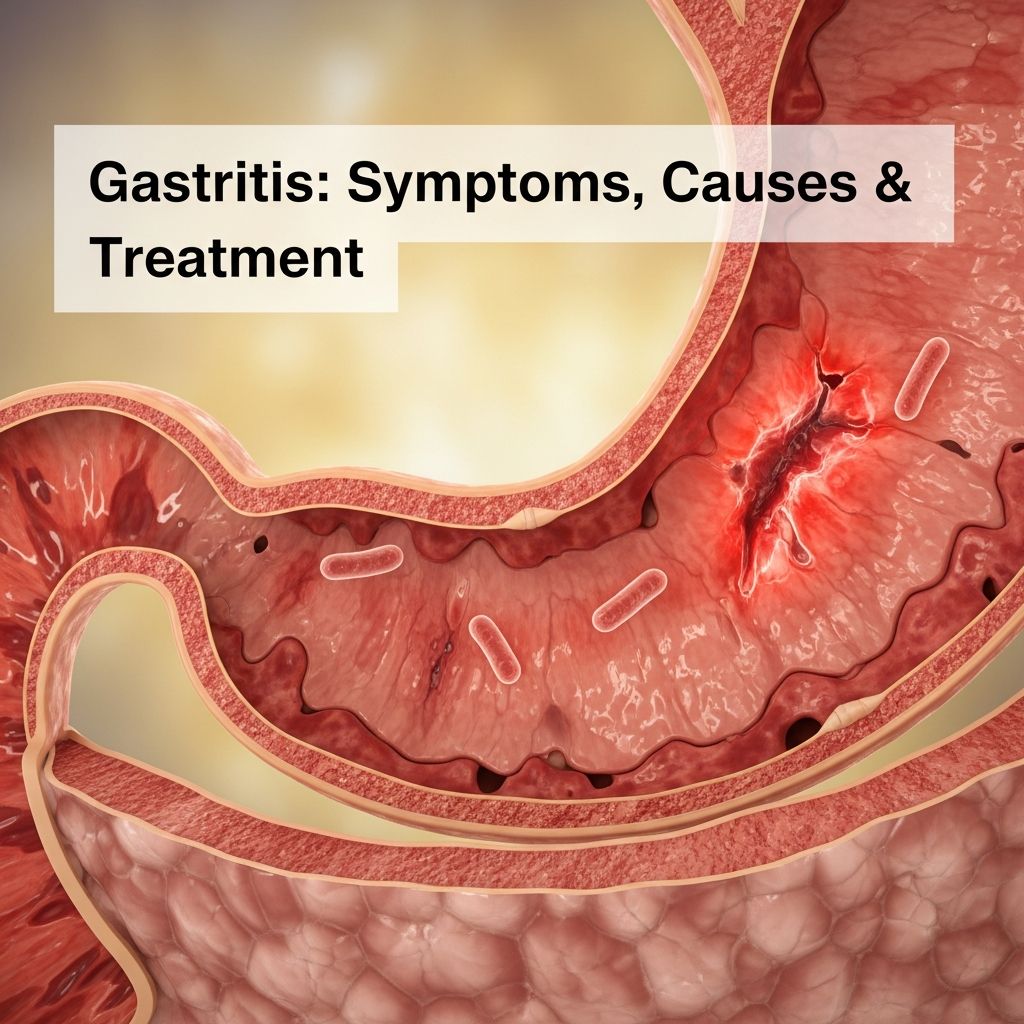
Gastritis is a condition characterized by inflammation, irritation, or erosion of the stomach lining. This inflammation can be sudden (acute) or develop gradually over time (chronic). Gastritis is a common digestive disorder that affects millions of people worldwide. While it is often temporary and mild, chronic gastritis can lead to more serious complications if left untreated.
Symptoms of Gastritis
The symptoms of gastritis can vary depending on the severity and underlying cause. Some people may experience no symptoms at all, while others may have noticeable discomfort. Common symptoms include:
- Upper abdominal pain or discomfort
- Nausea and vomiting
- Feeling of fullness after eating
- Loss of appetite
- Bloating
- Belching
- Heartburn
- Indigestion
- Black, tarry stools (indicating possible bleeding)
- Vomiting blood (in severe cases)
It’s important to note that some people with gastritis may not experience any symptoms, especially in the early stages. However, if symptoms persist or worsen, it’s crucial to seek medical attention.
Causes of Gastritis
Gastritis can be caused by a variety of factors, including:
- Infection: The most common cause of gastritis is infection with the bacterium Helicobacter pylori (H. pylori). This bacterium can damage the stomach lining and lead to inflammation.
- Medications: Long-term use of nonsteroidal anti-inflammatory drugs (NSAIDs) such as aspirin, ibuprofen, and naproxen can irritate the stomach lining and cause gastritis.
- Alcohol: Excessive alcohol consumption can irritate and erode the stomach lining, leading to gastritis.
- Stress: Severe stress, such as from major surgery, burns, or critical illness, can cause acute gastritis.
- Autoimmune Disorders: In some cases, the body’s immune system may attack the stomach lining, leading to autoimmune gastritis.
- Other Factors: Other factors that can contribute to gastritis include smoking, certain foods, and underlying medical conditions such as Crohn’s disease or celiac disease.
Diagnosis of Gastritis
Diagnosing gastritis typically involves a combination of medical history, physical examination, and diagnostic tests. Your healthcare provider may:
- Ask about your symptoms and medical history
- Perform a physical examination
- Order blood tests to check for anemia or infection
- Order stool tests to check for the presence of blood or H. pylori
- Perform an upper endoscopy (EGD) to visualize the stomach lining and take tissue samples for biopsy
- Order imaging tests such as an upper GI series (barium swallow) to visualize the upper digestive tract
These tests help to confirm the diagnosis and identify the underlying cause of gastritis.
Treatment of Gastritis
The treatment of gastritis depends on the underlying cause and severity of the condition. Common treatment options include:
- Medications: Antacids, proton pump inhibitors (PPIs), and H2 blockers can help reduce stomach acid and relieve symptoms. Antibiotics may be prescribed if H. pylori infection is present.
- Lifestyle Changes: Avoiding alcohol, smoking, and certain foods that irritate the stomach can help manage symptoms. Eating smaller, more frequent meals and avoiding spicy, fatty, or acidic foods can also be beneficial.
- Stress Management: Techniques such as relaxation exercises, meditation, and counseling can help reduce stress and improve symptoms.
- Addressing Underlying Conditions: Treating underlying medical conditions such as autoimmune disorders or infections can help resolve gastritis.
Related Stories



In some cases, more advanced treatments may be necessary, such as endoscopic procedures to stop bleeding or surgery to remove damaged tissue.
Prevention of Gastritis
Preventing gastritis involves making lifestyle changes and managing risk factors. Some tips include:
- Avoiding excessive alcohol consumption
- Limiting the use of NSAIDs
- Quitting smoking
- Eating a healthy, balanced diet
- Managing stress
- Getting regular medical check-ups
By following these tips, you can reduce your risk of developing gastritis and maintain better digestive health.
Complications of Gastritis
If left untreated, gastritis can lead to several complications, including:
- Peptic ulcers
- Gastrointestinal bleeding
- Stomach cancer
- Malnutrition
It’s important to seek medical attention if you experience persistent or severe symptoms to prevent these complications.
Frequently Asked Questions (FAQs)
Q: What is the difference between acute and chronic gastritis?
A: Acute gastritis is a sudden onset of inflammation in the stomach lining, while chronic gastritis develops gradually over time and can last for months or years.
Q: Can gastritis be cured?
A: Many cases of gastritis can be effectively treated and managed, especially if the underlying cause is identified and addressed. However, some cases may require long-term management.
Q: What foods should I avoid if I have gastritis?
A: Foods that can irritate the stomach and worsen symptoms include spicy, fatty, acidic, and fried foods. It’s also important to avoid alcohol and caffeine.
Q: When should I see a doctor for gastritis?
A: You should see a doctor if you experience persistent or severe symptoms, such as upper abdominal pain, nausea, vomiting, or black, tarry stools. Early diagnosis and treatment can help prevent complications.
References
- Gastritis: What It Is, Symptoms, Causes & Treatment — Cleveland Clinic. 2025-03-18. https://my.clevelandclinic.org/health/diseases/10349-gastritis
- Indigestion (Dyspepsia): What It Is, Symptoms & Causes — Cleveland Clinic. 2025-03-18. https://my.clevelandclinic.org/health/symptoms/7316-indigestion-dyspepsia
- A Functional Medicine Protocol for Gastritis — Rupa Health. 2023-06-15. https://www.rupahealth.com/post/a-functional-medicine-protocol-for-gastritis
Similar Articles








Read full bio of medha deb