Gastroenteritis: Symptoms, Causes, and Treatment
Understanding gastroenteritis: Learn about symptoms, causes, and effective treatment options.
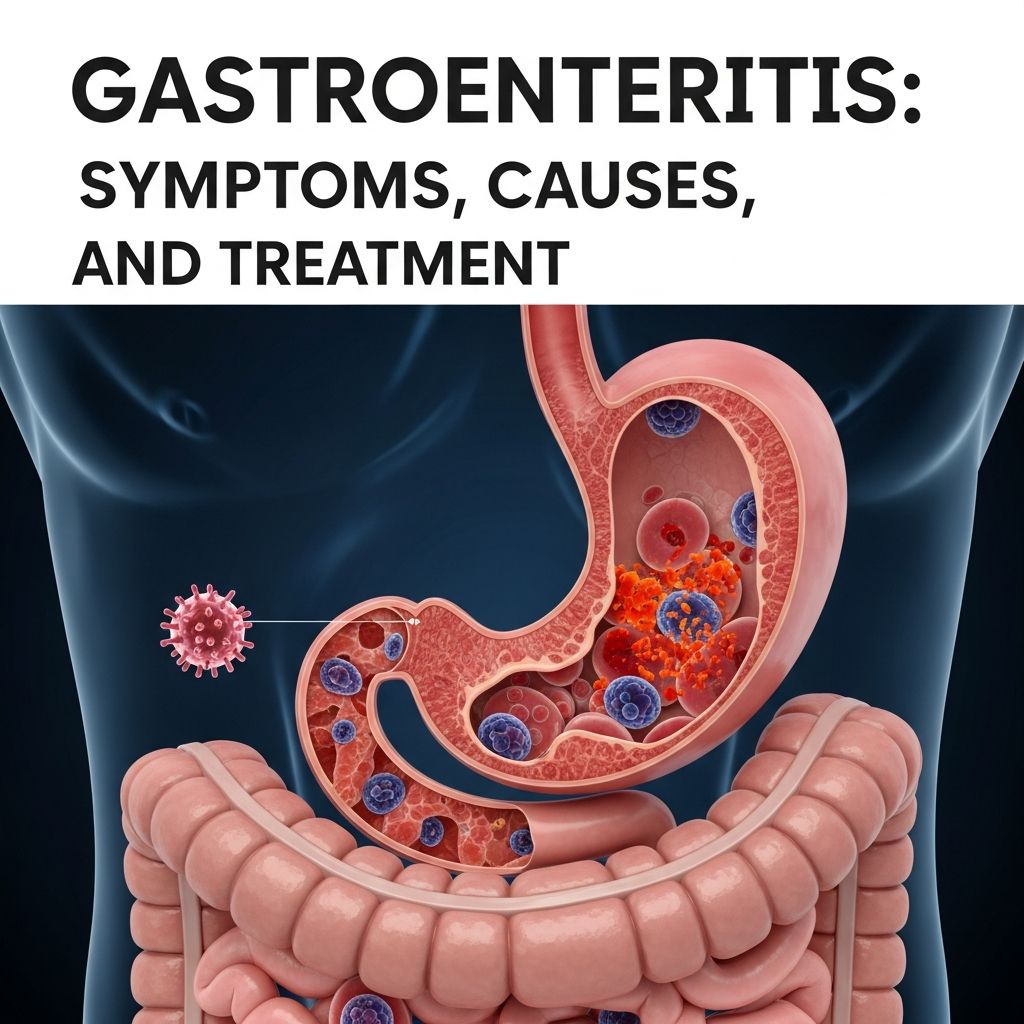
Gastroenteritis: What It Is, Symptoms, Causes & Treatment
Gastroenteritis, commonly known as stomach flu or food poisoning, is an inflammation of your stomach and intestines typically caused by a viral or bacterial infection. This condition affects millions of people worldwide and is one of the most prevalent gastrointestinal disorders encountered in clinical practice. The inflammation occurs when infectious agents invade your gastrointestinal tract, leading to a cascade of uncomfortable symptoms that can range from mild to severe depending on the causative agent and individual susceptibility.
Understanding Gastroenteritis
What Is Gastroenteritis?
Gastroenteritis is inflammation that spreads from your stomach into your intestines, causing pain, vomiting, and diarrhea. Unlike gastritis, which only affects the stomach lining, gastroenteritis involves both your stomach and intestines. The condition occurs when infectious organisms—including viruses, bacteria, fungi, or parasites—establish an infection in your gastrointestinal tract. Infectious gastroenteritis remains the most common type of this condition worldwide.
The hallmark presentation of gastroenteritis involves concurrent symptoms affecting both your stomach and intestines. Patients often describe experiencing symptoms “coming out both ends,” which refers to the simultaneous occurrence of vomiting and diarrhea. This dual involvement distinguishes gastroenteritis from other gastrointestinal disorders and helps healthcare providers make accurate diagnoses.
Gastroenteritis vs. Gastritis
Understanding the distinction between gastroenteritis and gastritis is important for proper treatment and management. Gastritis involves inflammation limited to your stomach lining and causes stomach-specific symptoms such as stomach pain, nausea, and vomiting. Gastroenteritis, by contrast, involves inflammation in both your stomach and intestines (enteritis specifically refers to inflammation in the small intestine, though it may extend to the large intestine as well). The intestinal involvement in gastroenteritis leads to diarrhea, which does not typically occur with gastritis alone.
Symptoms of Gastroenteritis
Primary Symptoms
Gastroenteritis symptoms typically appear suddenly and may develop rapidly within a short period. The classic presentation includes:
Gastrointestinal Symptoms: Diarrhea, stomach pain or cramps, nausea, and vomiting represent the primary manifestations of gastroenteritis. Diarrhea is formally defined as acute when it lasts less than 14 days, which allows for the natural resolution of most self-limited gastrointestinal illnesses.
Systemic Symptoms: Patients may experience fever and general malaise accompanying the gastrointestinal symptoms. In infants, poor feeding patterns may be noted, while some patients develop unintentional weight loss.
Symptom Onset and Duration
Symptoms of gastroenteritis often come on suddenly, with gastrointestinal manifestations appearing first. In the United States and other industrialized countries, the disease is often self-limited and resolves within 1 to 3 days. However, resolution time varies based on the causative agent and individual factors. Young children, elderly patients, and immunocompromised individuals may experience prolonged symptoms and require more intensive supportive care.
Causes of Gastroenteritis
Infectious Causes
Gastroenteritis most commonly results from infectious causes, with viral and bacterial pathogens being the primary culprits. Viruses represent the most frequent cause of acute gastroenteritis worldwide, with rotavirus historically being a leading pathogen in children before vaccine introduction. The introduction of vaccines, particularly for rotavirus, has significantly reduced the disease burden in many countries, yet viral gastroenteritis continues to contribute to global morbidity and mortality.
Bacterial infections from contaminated food represent another major cause, commonly referred to as food poisoning. Various bacterial species can cause gastroenteritis, including those responsible for foodborne illnesses that spread through improperly handled or prepared food.
Related Stories



Fungal and parasitic infections, while less common in developed nations, can also cause gastroenteritis, particularly in immunocompromised individuals or those in areas with poor sanitation.
Non-Infectious Causes
While infectious agents cause the majority of gastroenteritis cases, chemicals and other substances can also trigger inflammation of the stomach and intestines. Medication side effects, food additives, or accidental chemical ingestion may lead to gastroenteritis symptoms.
Diagnosis of Gastroenteritis
Clinical Evaluation
Healthcare providers begin diagnosis with a thorough medical history to identify potential sources of infection and to exclude other conditions that might present with similar symptoms. The history should include information about recent food consumption, travel, sick contacts, and the timing and character of symptoms.
Diagnostic Testing
While many cases of gastroenteritis are diagnosed clinically based on symptoms, specific testing may be performed in certain situations:
Stool Culture: A laboratory test that identifies bacteria and other organisms from a fecal sample can determine the specific virus or germ causing gastroenteritis. This testing is particularly useful when bacterial infection is suspected or when symptoms persist beyond the typical acute phase.
Imaging Studies: A sigmoidoscopy or radiologic examination may be performed to exclude other serious conditions such as inflammatory bowel disease (including Crohn’s disease) and pelvic abscesses (pockets of pus). These investigations help rule out alternative diagnoses that might require different treatment approaches.
Laboratory Assessment
Healthcare providers assess clinical symptoms and obtain relevant laboratory data to guide patient management decisions. This information helps determine whether patients can be managed on an outpatient basis or require inpatient hospitalization for closer monitoring and supportive care.
Treatment and Management
Supportive Care as Primary Treatment
Viral gastroenteritis management primarily comprises supportive therapies focused on symptom relief and maintaining bodily functions. The body can usually fight off the disease on its own within a few days, making supportive care the cornerstone of treatment rather than specific antiviral medications for most cases.
Fluid and Electrolyte Replacement
The most important goal of treatment is to maintain hydration status and effectively counter fluid and electrolyte losses caused by diarrhea and vomiting. Fluid management is a fundamental component of treatment because dehydration can lead to serious complications, particularly in vulnerable populations.
Replacement strategies include:
– Oral rehydration using electrolyte and fluid replacement solutions available at grocery and drug stores- Foods containing electrolytes and complex carbohydrates, such as potatoes, lean meats (fish and chicken), and whole grains- Intravenous fluids administered to individuals who appear dehydrated or who are unable to tolerate oral fluids
Symptom Management
Antiemetic medications such as ondansetron or metoclopramide may be used to assist with controlling nausea and vomiting symptoms, allowing patients to maintain adequate oral intake. Over-the-counter medications may provide relief for some symptoms when approved by a healthcare provider.
When Hospitalization Is Required
In susceptible patients, including young children, elderly patients, and the immunocompromised, hospitalization can occur without proper supportive care, leading to increased morbidity and mortality. When hospitalization is required, nutrients can be replaced intravenously to ensure adequate nutritional support during recovery.
When to Contact a Healthcare Provider
Red Flag Symptoms
You should contact a healthcare provider if you notice any unusual or red flag symptoms. Seek immediate medical attention if you experience:
– Severe dehydration signs (dizziness, excessive thirst, dry mouth)- Bloody diarrhea or vomit- Severe abdominal pain- High fever- Signs of severe dehydration in infants or young children- Symptoms persisting beyond 3 days- Worsening symptoms despite supportive care
Special Populations
If you are immunocompromised or caring for someone with a weaker immune system, do not hesitate to stay in touch with a healthcare provider during gastroenteritis, and keep them informed about symptom progression. These individuals may require more aggressive intervention and closer monitoring to prevent complications.
Prevention Strategies
Vaccination
Vaccines are available for children to prevent rotavirus infection, significantly reducing the incidence of this common viral cause of gastroenteritis. Vaccination represents one of the most effective prevention strategies available.
Infection Control Measures
Healthcare providers and caregivers emphasize infection control measures to prevent transmission of gastroenteritis. These measures include proper hand hygiene, food safety practices, and appropriate handling of contaminated materials. Patients should follow prescribed medications and over-the-counter drug directions carefully as recommended by their healthcare provider.
Interprofessional Care Approach
Effective management of gastroenteritis involves coordination among multiple healthcare professionals. Physicians assess clinical symptoms and make informed decisions about patient management based on diagnostic findings. Nurses contribute by closely monitoring hydration status, administering supportive care, and educating patients on infection control measures. Pharmacists assist in recommending appropriate medications for symptom relief while ensuring that medications do not interact adversely with existing conditions. Infectious disease specialists may be consulted in cases of diagnostic uncertainty or severe disease presentations to guide appropriate therapy if necessary.
Frequently Asked Questions
Q: How long does gastroenteritis typically last?
A: In the United States and other industrialized countries, gastroenteritis is often self-limited and resolves within 1 to 3 days. However, duration depends on the causative agent and individual factors such as age, immune status, and overall health.
Q: Can gastroenteritis be prevented?
A: Yes, gastroenteritis can be partially prevented through vaccination (particularly rotavirus vaccines for children), proper food handling and hygiene practices, and avoiding exposure to known infected individuals.
Q: What is the difference between gastroenteritis and food poisoning?
A: Food poisoning is a type of infectious gastroenteritis caused specifically by consuming contaminated food. All food poisoning is gastroenteritis, but not all gastroenteritis results from food poisoning—viral infections and other sources can also cause the condition.
Q: When should I go to the hospital for gastroenteritis?
A: Seek hospital care if you experience severe dehydration, bloody diarrhea, severe abdominal pain, high fever, or if you belong to a vulnerable population (young children, elderly, immunocompromised) and symptoms are not improving with home care.
Q: Are antibiotics effective for treating viral gastroenteritis?
A: No, antibiotics are not effective against viral gastroenteritis. Treatment focuses on supportive care and maintaining hydration. Antibiotics may be prescribed only if bacterial infection is confirmed through testing.
Q: Is it safe to give children over-the-counter anti-diarrheal medications?
A: It is best to consult with a healthcare provider before giving any medications to children with gastroenteritis. Many anti-diarrheal medications are not recommended for young children, and supportive care with oral rehydration is typically preferred.
References
- Viral Gastroenteritis – StatPearls — National Center for Biotechnology Information (NCBI), U.S. National Library of Medicine. 2024. https://www.ncbi.nlm.nih.gov/books/NBK518995/
- Gastroenteritis: What It Is, Symptoms, Causes & Treatment — Cleveland Clinic. 2023-09-25. https://my.clevelandclinic.org/health/diseases/gastroenteritis
- Gastroenteritis Symptoms & Treatment — Cleveland Clinic Abu Dhabi. https://www.clevelandclinicabudhabi.ae/en/health-hub/health-resource/diseases-and-conditions/gastroenteritis
- Gastrointestinal Diseases: Symptoms, Treatment & Causes — Cleveland Clinic. https://my.clevelandclinic.org/health/articles/7040-gastrointestinal-diseases
- Stomach Flu: Symptoms, Causes & Treatment — Cleveland Clinic. https://my.clevelandclinic.org/health/diseases/12418-stomach-flu
- Gastroenteritis (Stomach Flu): Symptoms, Causes, Treatments — WebMD. https://www.webmd.com/digestive-disorders/gastroenteritis
- General Gastroenterology — Cleveland Clinic Digestive Disease & Surgery Institute. https://my.clevelandclinic.org/departments/digestive/depts/general-gastroenterology
Similar Articles








Read full bio of medha deb