Gastroenteritis: Complete Guide To Symptoms, Causes & Treatment
Understand symptoms, causes, treatment, and prevention of gastroenteritis, the common stomach flu affecting millions yearly.
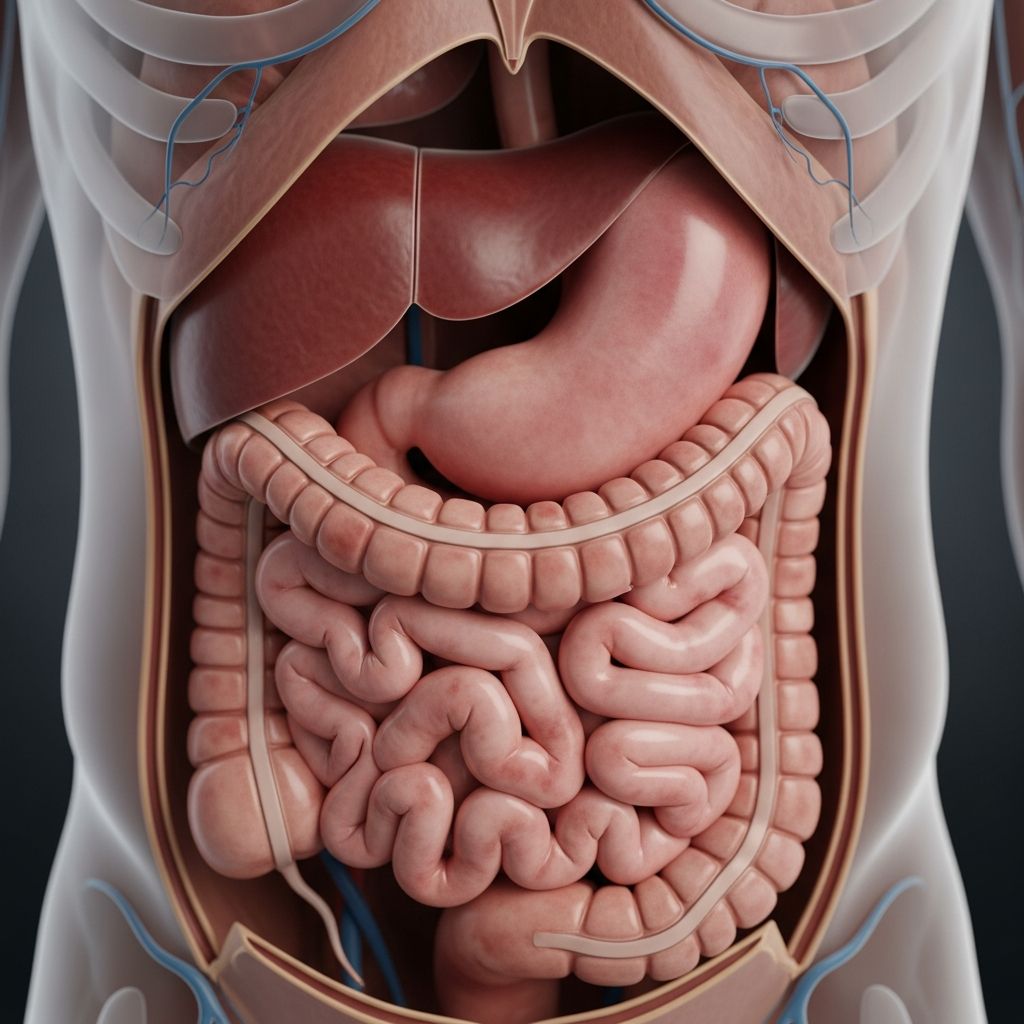
Gastroenteritis is an inflammation of the stomach and intestines, commonly known as the stomach flu, causing symptoms like diarrhea, vomiting, nausea, and abdominal pain. It is highly contagious and primarily results from viral infections, affecting millions annually, with treatment centered on hydration and symptom relief.
What Is Gastroenteritis?
Gastroenteritis refers to inflammation in the gastrointestinal tract, specifically the stomach and intestines, leading to acute discomfort and digestive upset. Unlike bacterial food poisoning, viral gastroenteritis is the most prevalent form, responsible for about 60% of cases worldwide. It spreads easily through contaminated food, water, or direct contact, mimicking flu-like symptoms but targeting the gut.
The condition triggers the immune system to send inflammatory cells to combat pathogens, resulting in temporary damage to intestinal lining. This leads to malabsorption, osmotic diarrhea, and fluid loss. In the U.S., norovirus alone causes 19-21 million illnesses yearly, with 103,000 hospitalizations and 900 deaths, mostly in those over 65.
Symptoms typically onset suddenly within 12-48 hours of exposure and resolve in 1-3 days for healthy individuals, but vulnerable groups like infants, elderly, and immunocompromised face higher risks of dehydration and prolonged illness.
Symptoms of Gastroenteritis
Core symptoms include watery diarrhea, frequent vomiting, stomach cramps, and nausea, often accompanied by low-grade fever, muscle aches, and fatigue. Diarrhea is non-bloody, stemming from enterocyte damage and toxin-induced secretion in the intestines.
- Diarrhea: Loose, watery stools multiple times daily due to malabsorption and electrolyte imbalance.
- Vomiting: Sudden and explosive, especially with norovirus, contributing to rapid dehydration.
- Abdominal pain: Cramping from intestinal spasms and inflammation.
- Nausea: Persistent queasiness preceding vomiting.
- Fever: Mild, up to 102°F (39°C), with chills or sweating.
- Other: Headache, myalgias, loss of appetite, irritability, and dehydration signs like dry mouth or reduced urine output.
Symptoms vary by virus: norovirus hits abruptly with vomiting dominant; rotavirus causes prolonged diarrhea in children. In severe cases, blood in stool or persistent symptoms signal complications.
Causes of Gastroenteritis
Over 90% of acute cases are infectious, with viruses leading at 60-70%, followed by bacteria and parasites. Viral gastroenteritis spreads via fecal-oral route, fomites, or aerosols.
Viral Causes
- Norovirus: Most common in the U.S., incubation 12-48 hours, duration 1-3 days. Highly contagious in crowds.
- Rotavirus: Prevails in children under 5; incubation 2 days, lasts 3-8 days. Vaccine has reduced incidence.
- Adenovirus: Incubation 3-10 days, symptoms 1-2 weeks.
- Astrovirus: Incubation 4-5 days, mild symptoms 1-4 days.
Pathophysiology involves viral replication in enterocytes, disrupting brush border enzymes, causing osmotic diarrhea, and cell lysis leading to fluid loss.
Bacterial and Other Causes
Bacteria like Salmonella, E. coli, Campylobacter from undercooked food; parasites like Giardia from water. Non-infectious triggers include toxins or medications.
How Gastroenteritis Spreads
Transmission occurs fecal-orally via contaminated hands, food, water, surfaces, or vomit. Norovirus resists chlorine, persisting on fomites. Outbreaks common in schools, cruises, nursing homes. Peak shedding 24-48 hours post-symptoms, lasting weeks in immunocompromised.
- Person-to-person contact.
- Infected food handlers.
- Contaminated water or ice.
- Airborne vomit particles.
Immunosuppressed shed virus longer, heightening spread risk.
Duration of Gastroenteritis
Most cases self-limit: norovirus 1-3 days; rotavirus 3-8 days; adenovirus up to 2 weeks. Healthy adults recover fully; high-risk groups may need intervention if symptoms exceed 48 hours or dehydration sets in.
Related Stories



| Virus | Incubation | Duration |
|---|---|---|
| Norovirus | 12-48 hours | 1-3 days |
| Rotavirus | 2 days | 3-8 days |
| Adenovirus | 3-10 days | 1-2 weeks |
| Astrovirus | 4-5 days | 1-4 days |
Gastroenteritis Diagnosis
Usually clinical based on history and symptoms; stool tests confirm virus in outbreaks or severe cases. Dehydration assessed via physical exam, electrolyte panels. Rule out appendicitis or other issues if bloody stool or severe pain.
Treatment for Gastroenteritis
No specific antiviral; focus on supportive care: rehydration, rest, nutrition. Oral rehydration solutions (ORS) preferred over plain water to restore electrolytes.
- Hydration: ORS, clear fluids; IV for severe dehydration.
- Diet: BRAT (bananas, rice, applesauce, toast); avoid dairy, caffeine, fatty foods.
- Medications: Antiemetics like ondansetron for vomiting; antidiarrheals (loperamide) cautiously in adults. Antibiotics only for bacterial cases.
- Hospitalization: For infants, elderly, or dehydration signs.
Treatment uniform across viruses, emphasizing hydration to prevent complications.
Complications of Gastroenteritis
Primary risk: dehydration from fluid loss, leading to electrolyte imbalance, shock. Rare: ulcers, prolonged inflammation, secondary infections. High-risk: children, seniors, immunocompromised.
Gastroenteritis Prevention
Hygiene key: handwashing with soap, disinfect surfaces, isolate sick individuals.
- Wash hands 20 seconds, especially post-toilet, before eating.
- Disinfect with bleach solution (norovirus-resistant).
- Cook food thoroughly; avoid raw shellfish.
- Rotavirus vaccine for infants.
- Stay home from work/school while symptomatic.
When to See a Doctor for Gastroenteritis
Seek care if dehydration (dry mouth, dizziness, no tears/urine), fever >102°F, bloody stools, symptoms >48 hours, or in high-risk groups.
- Infants <6 months with vomiting/diarrhea.
- Signs of severe pain, confusion, rapid heartbeat.
- Pregnant, elderly, immunocompromised.
Frequently Asked Questions (FAQs)
Is gastroenteritis the same as food poisoning?
No, food poisoning is often bacterial; gastroenteritis is usually viral, though both cause similar symptoms.
Can gastroenteritis be sexually transmitted?
Rarely, via fecal-oral contact, but primarily through general contamination.
How long is someone contagious with gastroenteritis?
Until 48-72 hours after symptoms resolve; norovirus up to 2 weeks.
Does gastroenteritis cause weight loss?
Temporary from dehydration and poor intake; resolves with recovery.
Can adults get rotavirus?
Yes, but milder; children most affected.
References
- Viral Gastroenteritis – StatPearls — NCBI Bookshelf / NIH. 2023-07-17. https://www.ncbi.nlm.nih.gov/books/NBK518995/
- Viral gastroenteritis: Symptoms, duration, seeking help, treatment — Medical News Today. 2023. https://www.medicalnewstoday.com/articles/viral-gastroenteritis
- Gastroenteritis: What It Is, Symptoms, Causes & Treatment — Cleveland Clinic. 2023-11-07. https://my.clevelandclinic.org/health/diseases/gastroenteritis
- Viral gastroenteritis (stomach flu) — MedlinePlus / NIH. 2023. https://medlineplus.gov/ency/article/000252.htm
- Gastroenteritis: Care Instructions — Kaiser Permanente. 2023. https://healthy.kaiserpermanente.org/health-wellness/health-encyclopedia/he.gastroenteritis-care-instructions.ut1894
Similar Articles








Read full bio of Sneha Tete