Gastroesophageal Reflux Disease: Comprehensive Guide
Understand GERD symptoms, causes, diagnosis, and effective treatments to manage acid reflux and prevent complications.
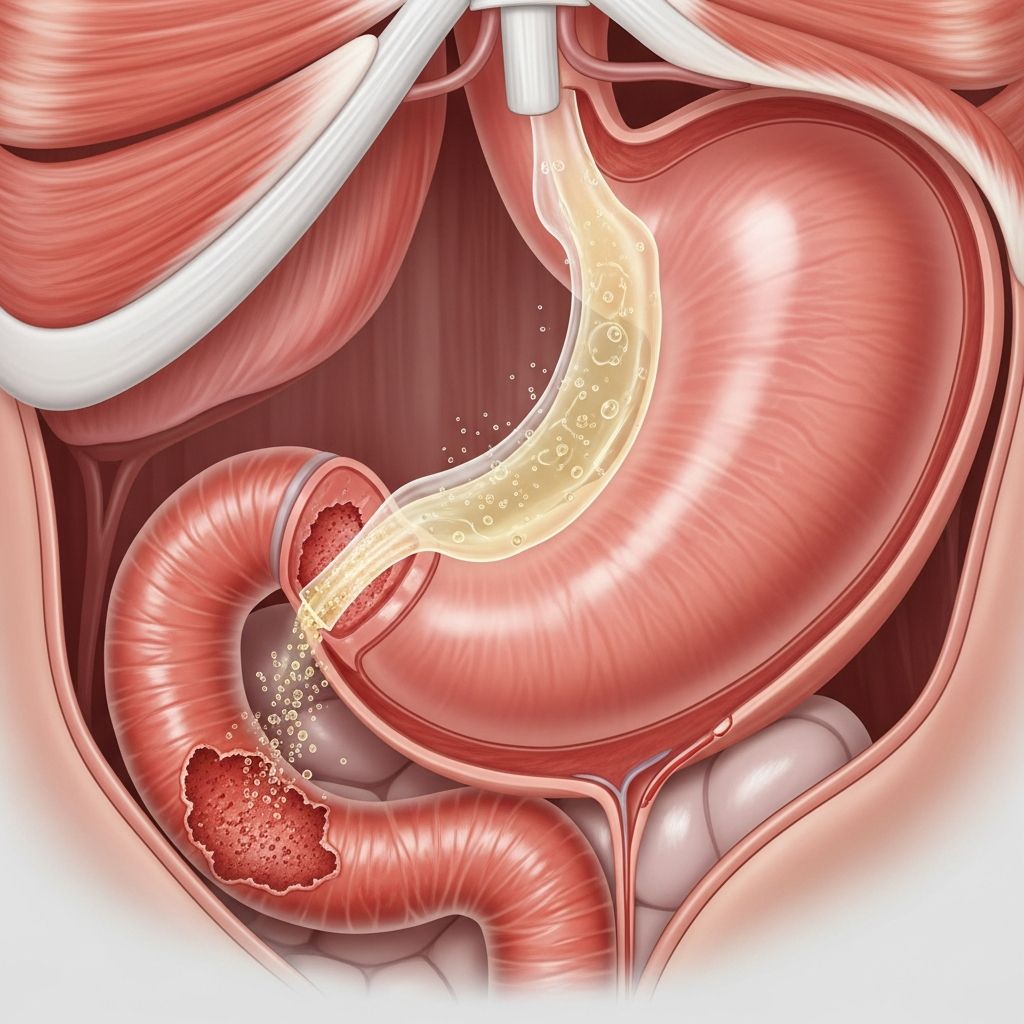
Gastroesophageal reflux disease (GERD) occurs when stomach contents frequently flow back into the esophagus, leading to irritation and potential damage. This chronic condition affects 10-20% of adults and requires targeted management to alleviate symptoms and prevent complications.
Understanding the Mechanism of GERD
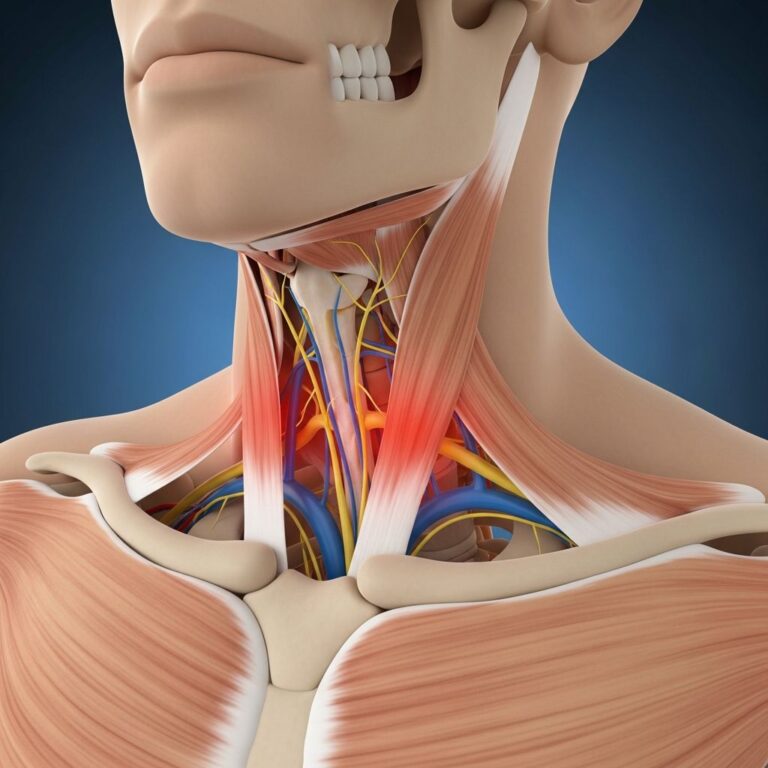
The esophagus connects the throat to the stomach, protected by the lower esophageal sphincter (LES), a ring-shaped muscle that relaxes during swallowing to allow food passage but remains closed otherwise. In GERD, the LES weakens or relaxes inappropriately, permitting acidic stomach contents to reflux upward. This exposure irritates the esophageal lining, causing inflammation over time.
Unlike occasional heartburn, GERD persists, often worsening at night or after meals due to increased abdominal pressure or delayed stomach emptying.
Recognizing GERD Symptoms
The hallmark symptom of GERD is
heartburn
, a burning sensation behind the breastbone that may radiate to the throat or jaw. Regurgitation, where sour or bitter fluid reaches the mouth, frequently accompanies it.- Difficulty swallowing (dysphagia) or pain with swallowing (odynophagia)
- Chronic cough, hoarseness, or sore throat
- Excessive belching or a sensation of food stuck in the chest
- Lump-in-throat feeling (globus sensation)
- Dental erosion from acid exposure
- Unexplained chest pain mimicking heart issues
Infants and children may exhibit fussiness, poor weight gain, or frequent spitting up, while atypical symptoms in adults include asthma exacerbation or sleep disturbances.
Factors Contributing to GERD Development
Several elements compromise LES function or promote reflux:
| Risk Factor | Description |
|---|---|
| Obesity | Increased abdominal pressure pushes stomach contents upward. |
| Hiatal hernia | Part of the stomach protrudes through the diaphragm, weakening LES support. |
| Pregnancy | Hormonal changes and uterine pressure elevate risk. |
| Smoking | Relaxes LES and reduces saliva production, which neutralizes acid. |
| Dietary triggers | Fatty foods, chocolate, caffeine, alcohol, and spicy items delay gastric emptying. |
Other contributors include certain medications (e.g., NSAIDs, calcium channel blockers), scleroderma, and delayed stomach emptying (gastroparesis).
Distinguishing GERD from Similar Conditions
Heartburn-like symptoms can stem from non-GERD issues:
- Esophageal motility disorders like achalasia, causing slow food transit and dysphagia.
- Functional dyspepsia, featuring upper abdominal pain and bloating without structural damage.
- Gastroparesis, with nausea and early satiety from slowed emptying.
- Cardiac conditions, necessitating urgent evaluation for chest pain.
Persistent symptoms warrant professional assessment to rule out mimics.
Diagnostic Approaches for GERD
Diagnosis relies on symptom history, with tests confirming reflux or damage:
- Upper endoscopy (EGD): Visualizes esophageal inflammation, ulcers, or Barrett’s esophagus.
- Esophageal pH monitoring: Measures acid exposure over 24-48 hours via probe or capsule.
- Esophageal manometry: Assesses LES pressure and esophageal contractions, useful for swallowing issues.
- Barium swallow X-ray: Detects structural abnormalities like strictures.
- Transnasal esophagoscopy: Minimally invasive visualization through the nose.
Patients should track symptoms, triggers, and medication use pre-appointment.
Lifestyle Modifications as First-Line Therapy
Non-drug strategies often suffice for mild GERD:
- Elevate bed head 6-8 inches to prevent nocturnal reflux.
- Avoid eating 3 hours before bedtime.
- Maintain healthy weight; even 5-10% loss reduces symptoms.
- Quit smoking and limit alcohol.
- Loosen tight clothing around the waist.
- Opt for smaller, frequent meals over large ones.
Related Stories



Dietary adjustments exclude common irritants: citrus, tomatoes, onions, mint, and carbonated drinks.
Pharmacological Treatments for Symptom Control
Medications target acid production or neutralize it:
| Medication Class | Examples | Mechanism | Duration |
|---|---|---|---|
| Antacids | Tums, Maalox | Neutralize existing acid | As needed |
| H2 blockers | Famotidine, Ranitidine | Reduce acid secretion | Short-term |
| Proton pump inhibitors (PPIs) | Omeprazole, Esomeprazole | Strongly suppress acid production | 4-12 weeks, or long-term low-dose |
| Potassium-competitive acid blockers (P-CABs) | Vonoprazan | Rapid, potent acid inhibition for refractory cases |
PPIs heal esophagitis in most cases but require monitoring for long-term use side effects like nutrient deficiencies.
Advanced Interventions: Endoscopy and Surgery
For medication-refractory GERD or complications:
- Endoscopic therapies: Stretta (radiofrequency) or transoral incisionless fundoplication to strengthen LES.
- Fundoplication surgery: Wraps stomach top around esophagus to reinforce LES; laparoscopic approach preferred.
- Stricture dilation: Balloon expands narrowed esophagus.
Surgery suits young patients or those with hiatal hernia, boasting high success rates but potential side effects like dysphagia.
Potential Complications of Untreated GERD
Chronic reflux risks esophageal harm:
- Erosive esophagitis: Inflamed, ulcerated lining causing bleeding or anemia.
- Esophageal stricture: Scarring narrows passage, impeding swallowing.
- Barrett’s esophagus: Precancerous cell changes; requires surveillance.
- Esophageal adenocarcinoma: Rare but serious cancer linked to long-term GERD.
Extraesophageal issues include laryngitis, sinusitis, or worsened asthma.
GERD Management in Special Populations
Pregnant individuals benefit from lifestyle changes and low-dose H2 blockers. Infants often outgrow reflux, but severe cases may need thickened feeds or positioning. Diabetics face heightened gastroparesis risk, complicating GERD.
Preventive Strategies and Long-Term Outlook
Consistent lifestyle adherence and prompt treatment yield excellent control for most. Regular follow-up monitors healing and complications, especially with alarm symptoms like weight loss or vomiting. Emerging therapies like P-CABs offer hope for resistant cases.
Frequently Asked Questions (FAQs)
What triggers GERD episodes?
Common triggers include fatty meals, caffeine, alcohol, lying down post-eating, and obesity.
Can GERD cause chest pain?
Yes, it mimics angina; seek immediate care to exclude heart disease.
Is long-term PPI use safe?
Effective but monitor for bone fractures, infections, or vitamin deficiencies; lowest dose preferred.
When is surgery recommended for GERD?
For persistent symptoms despite optimal medical therapy, large hiatal hernia, or young patients avoiding lifelong drugs.
Does weight loss help GERD?
Significant; 10% body weight reduction halves symptom frequency.
Proactive management transforms GERD from disruptive to manageable, enhancing quality of life.
References
- Reporter’s Guide to Gastroesophageal Reflux Disease (GERD) — International Foundation for Gastrointestinal Disorders (IFFGD). 2010. https://iffgd.org/wp-content/uploads/IFFGD_GERD_Reporters_Guide.pdf
- Gastroesophageal Reflux Disease (GERD) — Merck Manual Professional Edition. 2024. https://www.merckmanuals.com/home/digestive-disorders/esophageal-and-swallowing-disorders/gastroesophageal-reflux-disease-gerd
- Gastroesophageal reflux disease (GERD): Diagnosis and treatment — Mayo Clinic. 2024. https://www.mayoclinic.org/diseases-conditions/gerd/diagnosis-treatment/drc-20361959
- Acid Reflux/GERD — American College of Gastroenterology (ACG). 2024. https://gi.org/topics/acid-reflux/
- Patient Guide: Gastroesophageal Reflux Disease — Brown University Health. 2024. https://www.brownhealth.org/centers-services/general-and-gastrointestinal-surgery/patient-education/patient-guide
- ACG Clinical Guideline: Guidelines for the Diagnosis and Management of GERD — American College of Gastroenterology (via PMC). 2022-01-05. https://pmc.ncbi.nlm.nih.gov/articles/PMC8754510/
Similar Articles








Read full bio of Sneha Tete