GERD: 6 Complications, Symptoms, Causes, And Treatment
Understanding GERD: Symptoms, causes, diagnosis, and effective treatment options.
What is GERD?
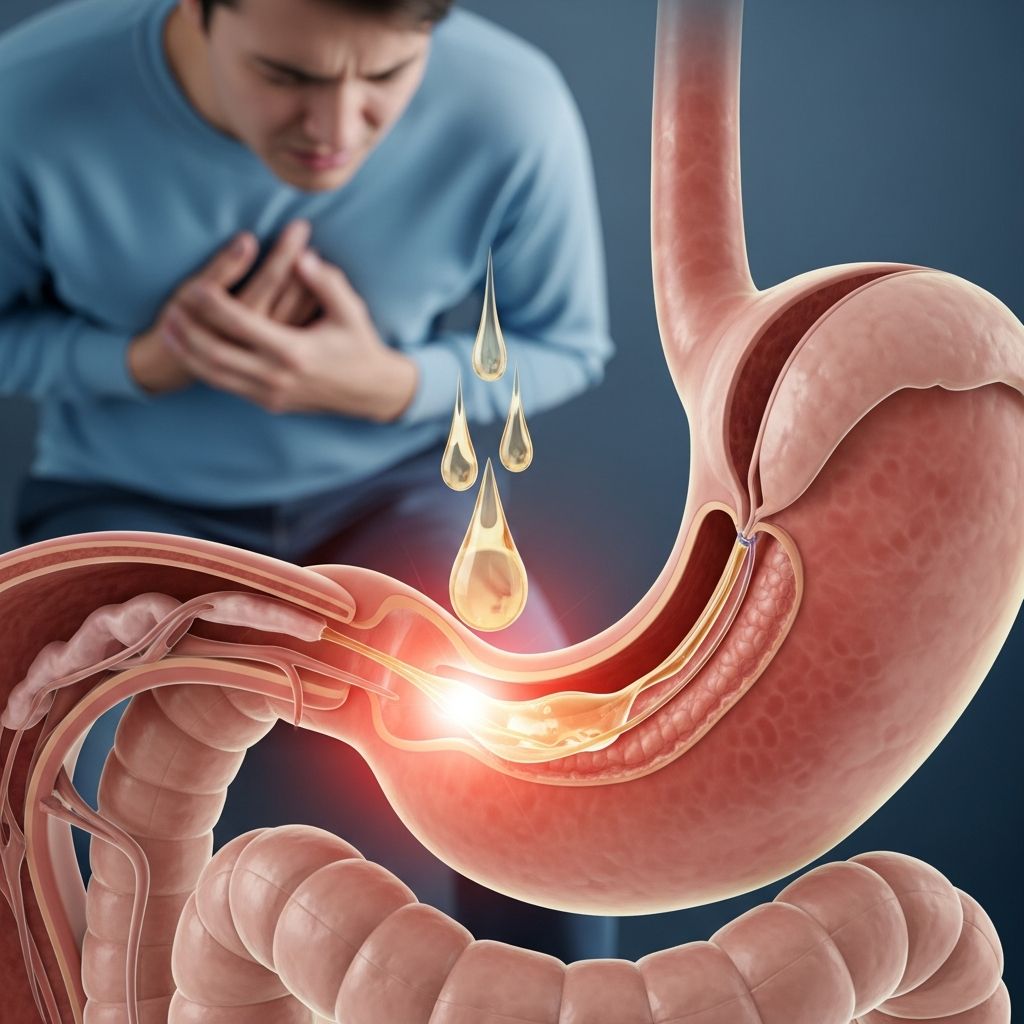
Gastroesophageal reflux disease, commonly known as GERD, is a chronic digestive condition characterized by frequent acid reflux. GERD occurs when stomach acid and other gastric contents persistently flow backward into the esophagus, the tube that carries food from the mouth to the stomach. While occasional heartburn is normal and experienced by many people, GERD represents a more serious condition where this reflux happens regularly and causes bothersome symptoms or complications. Understanding GERD is essential for proper management and preventing potential complications.
Symptoms of GERD
The symptoms of GERD vary widely among individuals and can range from mild to severe. Recognizing these symptoms is crucial for early diagnosis and treatment.
Common Symptoms
The most prevalent symptoms of GERD include:
- Heartburn: A burning sensation in the chest, typically felt behind the breastbone, which often occurs after eating and may worsen at night or when lying down.
- Regurgitation: The backwash of food or sour liquid into the throat or mouth, creating an unpleasant acidic taste.
- Chest pain: Discomfort in the upper abdomen or chest area that can sometimes mimic cardiac pain.
- Difficulty swallowing: A condition known as dysphagia, which may occur due to inflammation or strictures in the esophagus.
- Sensation of a lump in the throat: Also called globus sensation, this feeling occurs even when not eating.
Nighttime and Atypical Symptoms
Some individuals experience symptoms primarily at night, which can disrupt sleep and significantly impact quality of life. These nighttime manifestations may include an ongoing cough, hoarseness, laryngitis (inflammation of the vocal cords), or even new or worsening asthma symptoms. Additionally, GERD can present with less common symptoms such as chronic hoarseness, sore throat, bad breath, bloating, nausea, and persistent hiccups. Dental erosion may also occur due to prolonged exposure of teeth to stomach acid.
Causes and Risk Factors
GERD develops when the normal protective mechanisms of the digestive system fail. The primary cause involves dysfunction of the lower esophageal sphincter (LES), a circular band of muscle at the bottom of the esophagus that normally prevents stomach contents from flowing backward. When this sphincter relaxes improperly or weakens, stomach acid can flow back into the esophagus, causing irritation and inflammation.
Mechanisms of Reflux
Several physiological mechanisms contribute to GERD development:
- Transient lower esophageal sphincter relaxation (TRLES): Inappropriate relaxation of the LES that allows gastric acid, peptic enzymes, and bile acids to enter the esophagus. This is the most common mechanism in both normal individuals and those with GERD.
- Increased intra-abdominal pressure: Conditions such as obesity, pregnancy, or ascites increase pressure within the abdomen, enhancing the frequency of reflux episodes.
- Impaired defense mechanisms: Dysregulation of esophageal peristalsis, reduced saliva production, or compromised esophageal mucosal defenses diminish the body’s ability to clear acid from the esophagus.
- Hiatal hernia: A condition where part of the stomach protrudes through the diaphragm, increasing GERD risk due to mechanical and motility factors.
Contributing Factors and Triggers
Several lifestyle factors and habits can aggravate acid reflux and increase GERD risk:
- Smoking and tobacco use
- Consuming large meals or eating late at night
- Eating fatty, fried, or spicy foods
- Drinking alcohol, coffee, caffeinated beverages, or acidic drinks
- Taking certain medications such as aspirin and other NSAIDs
- Obesity or excess weight gain
- Pregnancy
- Stress and anxiety
Diagnosis of GERD
The diagnosis of GERD is primarily based on clinical features and a patient’s response to treatment rather than requiring extensive testing. In most cases where patients present with typical symptoms of heartburn and regurgitation, GERD can be presumptively diagnosed. However, additional diagnostic procedures may be recommended in certain situations.
Related Stories



Diagnostic Methods
Healthcare providers may utilize various diagnostic approaches:
- Clinical evaluation: A thorough medical history and physical examination focusing on symptom patterns and triggers.
- Response to medication: Positive response to proton pump inhibitors (PPIs) or other acid-suppressing medications can support GERD diagnosis.
- Upper endoscopy: Direct visualization of the esophagus, stomach, and duodenum to assess for complications such as esophagitis or Barrett’s esophagus.
- Esophageal manometry: Measurement of muscle contractions in the esophagus to evaluate swallowing function.
- pH monitoring: Measurement of acid exposure in the esophagus over 24 hours or longer to confirm excessive reflux.
Complications of GERD
While occasional reflux rarely causes serious problems, chronic and untreated GERD can lead to significant complications due to prolonged inflammation of esophageal tissue. Understanding these potential complications emphasizes the importance of proper management and early intervention.
Common Complications
Esophagitis and ulcers: Persistent stomach acid can break down esophageal tissue, causing inflammation, bleeding, and ulceration. This can result in pain, difficulty swallowing, and potential bleeding.
Esophageal strictures: Repeated acid damage causes scar tissue formation, which narrows the esophageal lumen and leads to progressive difficulty swallowing. This may eventually require surgical intervention.
Barrett’s esophagus: Chronic reflux can cause intestinal metaplasia, a change in the cellular lining of the lower esophagus that increases cancer risk.
Esophageal adenocarcinoma: In rare cases, chronic GERD increases the risk of developing cancer in the esophagus.
Dental erosion: Stomach acid reaching the mouth erodes tooth enamel, particularly on the inner surfaces of teeth, leading to increased sensitivity and decay.
Respiratory complications: GERD can trigger or worsen asthma, chronic cough, laryngitis, and vocal cord inflammation.
Treatment and Management
GERD treatment typically involves a stepwise approach beginning with lifestyle modifications and progressing to medications or procedures when necessary.
Lifestyle Modifications
The foundation of GERD management includes:
- Avoiding trigger foods and beverages
- Eating smaller, more frequent meals
- Not eating within two to three hours of bedtime
- Maintaining a healthy weight through balanced diet and exercise
- Quitting smoking and limiting alcohol consumption
- Sleeping with the head of the bed elevated 6-8 inches
- Wearing loose-fitting clothing that doesn’t compress the abdomen
- Managing stress through relaxation techniques
- Limiting caffeine intake
Medications
When lifestyle changes alone are insufficient, several medication options are available:
- Antacids: Over-the-counter medications that neutralize stomach acid, providing rapid but temporary relief.
- H2-receptor antagonists: Reduce acid production and provide longer-lasting relief than antacids.
- Proton pump inhibitors (PPIs): The most effective acid-suppressing medications, blocking the production of stomach acid and allowing esophageal healing.
Surgical and Procedural Interventions
For patients with severe GERD who don’t respond to medications or have complications, surgical options may be considered. Fundoplication, a procedure that wraps part of the stomach around the LES to strengthen it, can provide long-term relief in carefully selected patients.
Prevention and Self-Care
Preventing GERD involves recognizing personal triggers and implementing preventive strategies. Keeping a symptom diary can help identify specific foods, activities, or situations that trigger reflux. Regular physical activity, weight management, and stress reduction are particularly important for long-term GERD control. Patients should also avoid self-medication with NSAIDs when possible and consult healthcare providers about alternative pain management options.
When to Seek Medical Attention
While occasional heartburn is common, individuals should consult a healthcare provider if they experience:
- Frequent symptoms occurring more than twice weekly
- Persistent symptoms despite over-the-counter medication use
- Difficulty swallowing that worsens over time
- Persistent vomiting or regurgitation
- Signs of bleeding in the digestive tract
- Unexplained weight loss
- Chest pain that could represent a cardiac condition
Frequently Asked Questions
Q: Is GERD the same as heartburn?
A: No. Heartburn is an occasional symptom, while GERD is a chronic condition where acid reflux occurs frequently, typically at least twice weekly, causing symptoms or complications.
Q: Can GERD be cured completely?
A: GERD can be effectively managed and controlled with lifestyle modifications and medications, but it is typically a chronic condition requiring ongoing management rather than a condition that can be permanently cured.
Q: What foods should I avoid with GERD?
A: Common trigger foods include fatty or fried foods, spicy foods, citrus fruits, tomato products, chocolate, caffeine, and alcohol. However, triggers vary by individual, so maintaining a symptom diary helps identify personal triggers.
Q: Is it safe to take PPIs long-term?
A: Proton pump inhibitors are generally safe for long-term use when prescribed by a healthcare provider. However, long-term PPI use should be monitored, and the lowest effective dose should be used to minimize potential side effects.
Q: Can GERD affect my lungs?
A: Yes. Chronic GERD can trigger or worsen asthma, cause chronic cough, laryngitis, and vocal cord inflammation due to acid exposure to the respiratory tract.
Q: How does obesity contribute to GERD?
A: Excess abdominal fat increases pressure within the abdomen, which increases the gastroesophageal pressure gradient and enhances the frequency of reflux episodes, making GERD symptoms worse.
References
- Gastroesophageal reflux disease (GERD) – Symptoms and causes — Mayo Clinic. 2024. https://www.mayoclinic.org/diseases-conditions/gerd/symptoms-causes/syc-20361940
- Gastroesophageal reflux disease — National Center for Biotechnology Information (NCBI). 2024. https://www.ncbi.nlm.nih.gov/books/NBK554462/
- Gastroesophageal reflux disease: MedlinePlus Medical Encyclopedia — U.S. National Library of Medicine. 2024. https://medlineplus.gov/ency/article/000265.htm
- Heartburn and acid reflux — National Health Service (NHS). 2024. https://www.nhs.uk/conditions/heartburn-and-acid-reflux/
Similar Articles








Read full bio of Sneha Tete