Gastroesophageal Reflux: Complete Guide To Managing GERD
Learn how to manage GERD symptoms through diet, lifestyle changes, medications, and advanced treatments for better digestive health.
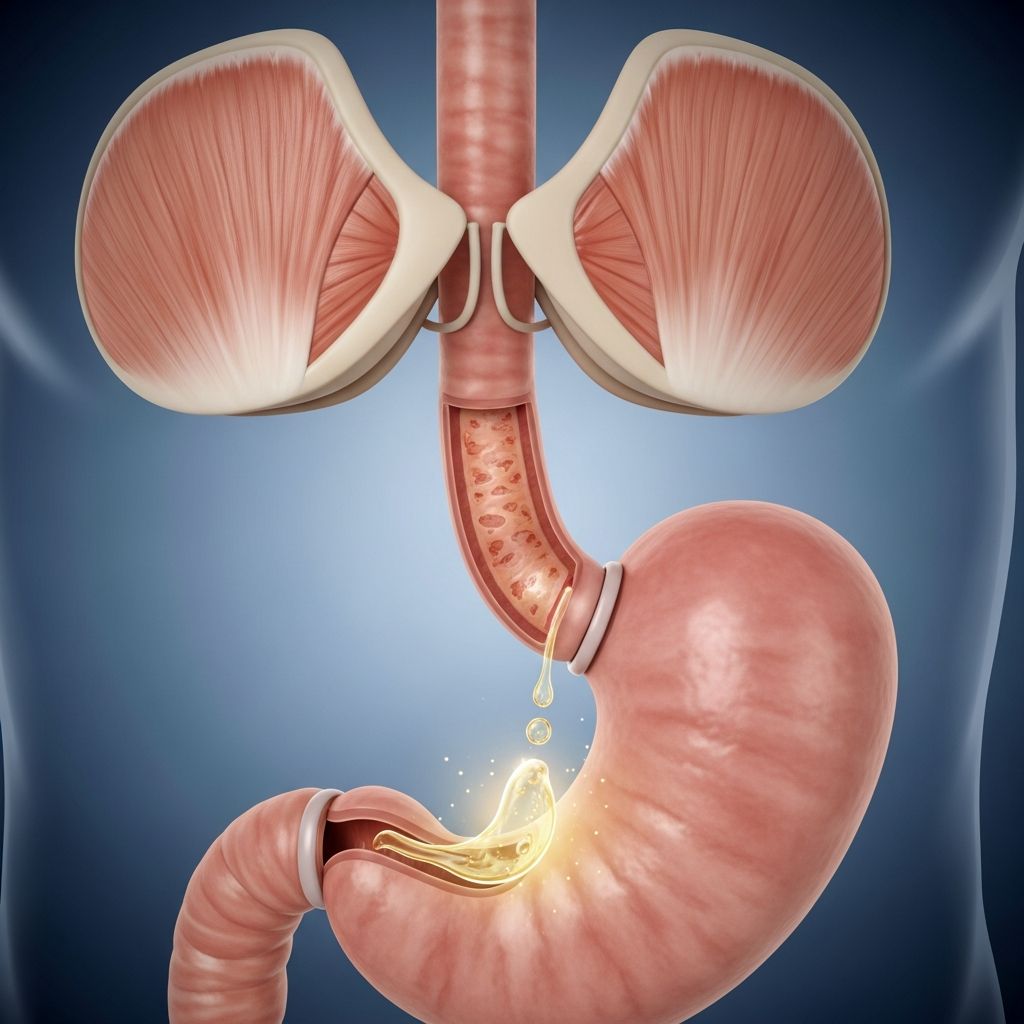
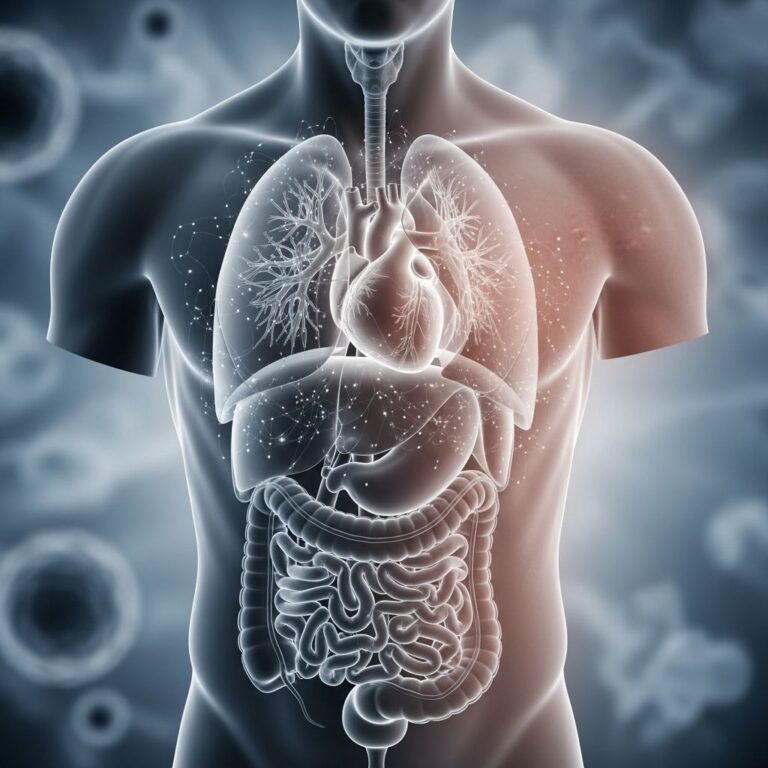
Gastroesophageal reflux disease (GERD) occurs when stomach contents flow back into the esophagus, causing symptoms like heartburn and potential damage to the esophageal lining. This chronic condition affects millions and can be managed effectively through lifestyle changes, medications, and advanced therapies.
What is GERD?
GERD is a digestive disorder where stomach acid or contents reflux into the esophagus due to a weakened lower esophageal sphincter (LES), the muscle valve that normally prevents backflow. Unlike occasional heartburn, GERD is chronic and may lead to complications if untreated.
The esophagus, a tube connecting the throat to the stomach, becomes irritated by the acidic reflux, leading to inflammation known as esophagitis. GERD is classified into types such as non-erosive reflux disease (NERD), erosive reflux disease (ERD), and Barrett’s esophagus, where normal cells are replaced by abnormal ones.
Signs and Symptoms of GERD
The hallmark symptom of GERD is
heartburn
, a burning sensation in the chest that worsens after eating, lying down, or bending over. Regurgitation, where sour or bitter fluid rises into the mouth, is another common sign.- Difficulty or pain swallowing (dysphagia)
- Excessive belching or bloating
- Feeling of food stuck in the throat
- Chronic sore throat, hoarseness, or laryngitis
- Inflammation of gums or tooth enamel erosion
- Non-cardiac chest pain
- Chronic cough, asthma worsening, or sleep disturbances
These symptoms can mimic other conditions, so persistent issues warrant medical evaluation.
Causes of GERD
GERD primarily results from LES dysfunction, allowing stomach contents to reflux. Contributing factors include:
- Hiatal hernia: Part of the stomach pushes through the diaphragm, weakening the LES.
- Obesity: Excess abdominal pressure pushes acid upward.
- Pregnancy: Hormonal changes and abdominal pressure relax the LES.
- Smoking: Reduces LES pressure and delays stomach emptying.
- Delayed gastric emptying (gastroparesis): Common in diabetes.
Certain foods and habits trigger reflux by relaxing the LES or increasing acid production: fatty foods, chocolate, caffeine, alcohol, peppermint, spicy foods, citrus, tomatoes, and large meals.
When to See a Doctor
Seek medical advice if heartburn occurs more than twice weekly, persists despite over-the-counter remedies, or includes alarm symptoms like:
- Unintentional weight loss
- Severe difficulty swallowing
- Vomiting blood or black stools
- Chest pain mimicking a heart attack
Early intervention prevents complications like esophageal strictures or Barrett’s esophagus.
Diagnosis
Diagnosis starts with a medical history and symptom assessment. Questions may cover trigger foods, symptom timing, and relief factors.
Tests include:
- Upper endoscopy: Visualizes esophageal damage.
- Esophageal pH monitoring: Measures acid exposure over 24-48 hours.
- Esophageal manometry: Assesses LES pressure and motility.
- Barium swallow X-ray: Detects structural issues.
These confirm GERD, rule out mimics like eosinophilic esophagitis or achalasia, and guide treatment.
Treatment
GERD management combines lifestyle modifications, medications, and procedures for symptom relief and healing.
Related Stories



Lifestyle Changes
Foundational steps reduce reflux episodes:
- Maintain a healthy weight to lessen abdominal pressure.
- Elevate bed head 6-8 inches for nighttime reflux.
- Avoid eating 2-3 hours before bedtime.
- Wear loose clothing around the waist.
- Quit smoking and limit alcohol.
- Eat smaller, frequent meals; chew thoroughly.
Dietary Strategies
Diet plays a key role. Avoid triggers and emphasize reflux-friendly foods:
| Foods to Avoid | GERD-Friendly Foods |
|---|---|
| Fatty/fried foods, chocolate, caffeine, alcohol, peppermint, spicy foods, citrus, tomatoes, onions, garlic | Lean proteins (chicken, fish, turkey), non-citrus fruits (bananas, melons), vegetables (green beans, broccoli, cauliflower), whole grains (oats, brown rice), low-fat dairy |
| Carbonated beverages, large meals | Ginger tea, oatmeal, salads with olive oil, yogurt |
Sample daily meal plan:
- Breakfast: Oatmeal with bananas
- Lunch: Grilled chicken salad
- Dinner: Baked fish with steamed veggies
- Snacks: Almonds, apple slices
Medications
Over-the-counter and prescription drugs neutralize or reduce acid:
- Antacids (Tums, Maalox): Quick relief for mild symptoms.
- H2 blockers (famotidine, ranitidine): Reduce acid production.
- Proton pump inhibitors (PPIs) (omeprazole, esomeprazole): Heal esophagus; first-line for moderate-severe GERD.
- Potassium-competitive acid blockers (P-CABs) (vonoprazan): For refractory cases.
Use lowest effective dose long-term under supervision to avoid side effects like nutrient deficiencies.
Endoscopic and Surgical Options
For medication-refractory GERD:
- Transoral Incisionless Fundoplication (TIF): Reinforces LES with stitches.
- Stretta: Radiofrequency tightens LES.
- Nissen fundoplication: Wraps stomach top around esophagus surgically.
- LINX device: Magnetic beads strengthen LES.
These offer durable relief, especially with hiatal hernia.
Complications of Untreated GERD
Chronic reflux risks esophageal damage:
- Erosive esophagitis: Ulcers and inflammation.
- Strictures: Narrowing causing swallowing issues.
- Barrett’s esophagus: Precancerous changes; monitored endoscopically.
- Esophageal adenocarcinoma: Rare but serious cancer risk.
Regular follow-up prevents progression.
Prevention Tips
Proactive habits minimize GERD flares:
- Track and avoid personal triggers via a food diary.
- Stay upright post-meals for 30-60 minutes.
- Manage stress with yoga or meditation, as it affects digestion.
- Limit NSAIDs, which irritate the esophagus.
- Consult dietitians for personalized plans.
Frequently Asked Questions (FAQs)
What is the difference between heartburn and GERD?
Heartburn is a symptom; GERD is the chronic condition causing frequent heartburn and potential damage.
Can diet alone cure GERD?
Diet helps manage symptoms but rarely cures; combine with other therapies.
Are PPIs safe long-term?
Effective but monitor for side effects; use as directed.
Does weight loss help GERD?
Yes, even 5-10% loss reduces symptoms significantly.
When is surgery recommended for GERD?
For severe, refractory cases or large hiatal hernias.
Choosing a Specialist
Gastroenterologists diagnose and treat GERD using endoscopy and motility studies. Registered dietitians tailor nutrition plans. Seek providers experienced in advanced therapies.
References
- Reporter’s Guide to Gastroesophageal Reflux Disease (GERD) — International Foundation for Gastrointestinal Disorders (IFFGD). 2023. https://iffgd.org/wp-content/uploads/IFFGD_GERD_Reporters_Guide.pdf
- Gastroesophageal Reflux Disease (GERD): Care Instructions — Alberta Health Services. 2024. https://myhealth.alberta.ca/Health/aftercareinformation/pages/conditions.aspx?hwid=ut1904
- Gastroesophageal reflux disease (GERD) – Diagnosis and treatment — Mayo Clinic. 2025-01-15. https://www.mayoclinic.org/diseases-conditions/gerd/diagnosis-treatment/drc-20361959
- Gastroesophageal Reflux Disease Treatments: A Complete Guide — Gastro1. 2024. https://gastro1.com/gastroesophageal-reflux-disease-treatments/
- Diet and Gastroesophageal Reflux Disease (GERD) — American Society for Gastrointestinal Endoscopy (ASGE). 2023. https://www.asge.org/docs/default-source/about-asge/newsroom/doc-gerd_infographic_final.pdf
- Guidelines for the Diagnosis and Management of Gastroesophageal Reflux Disease — National Center for Biotechnology Information (NCBI/PMC). 2022-01-10. https://pmc.ncbi.nlm.nih.gov/articles/PMC8754510/
Similar Articles








Read full bio of medha deb