Gastrointestinal Bleeding: Causes, Symptoms & Treatment
Understanding GI bleeding: Learn causes, recognize symptoms, and explore treatment options for digestive tract bleeding.
Gastrointestinal Bleeding: Understanding Blood in the Stool and Vomit
Gastrointestinal (GI) bleeding, also known as a gastrointestinal bleed, refers to bleeding that occurs anywhere in your digestive tract. This condition can manifest as visible blood in your stool or vomit, or it may be hidden, gradually leading to anemia over time. GI bleeding is not a disease itself but rather a symptom of an underlying condition that requires medical attention and proper diagnosis to determine the source and severity of the bleeding.
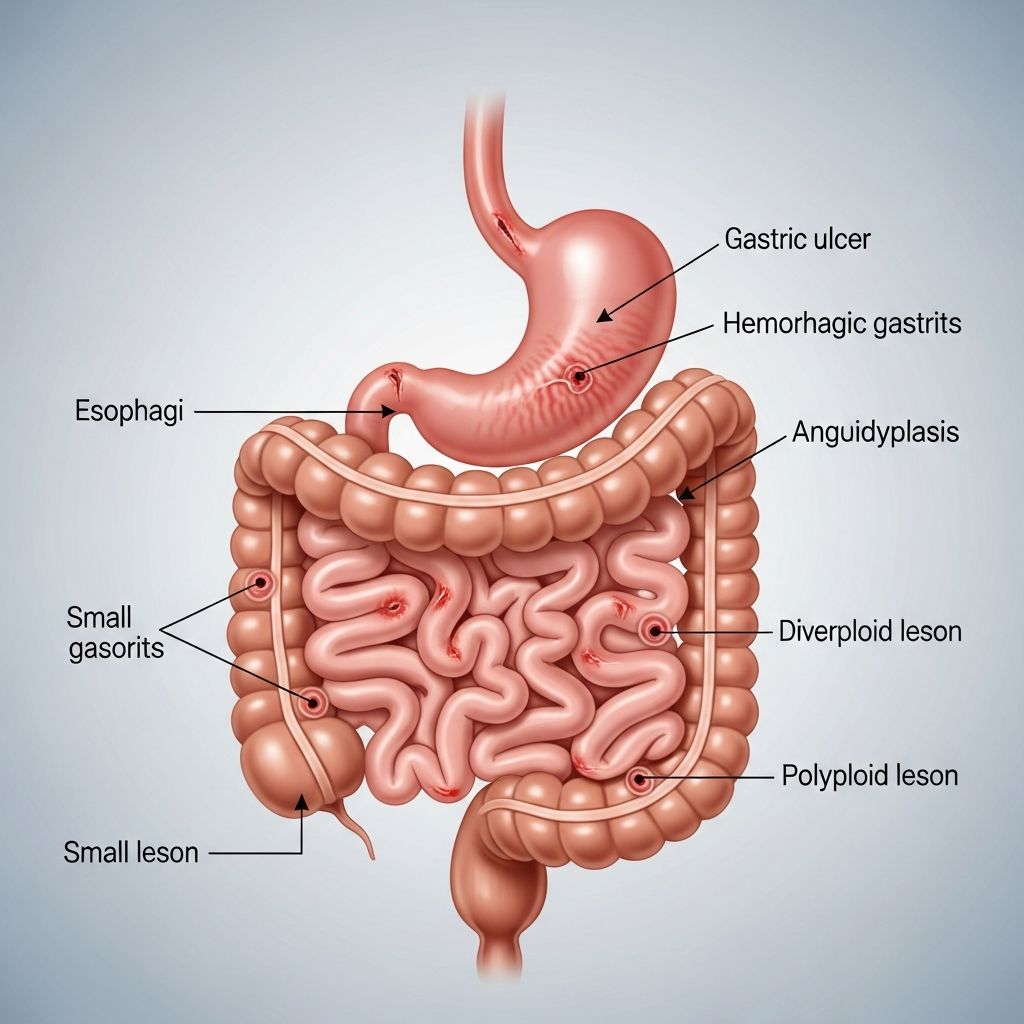
The digestive tract extends from your mouth to your rectum and includes the esophagus, stomach, small intestine, large intestine, and rectum. Bleeding can occur at any point along this pathway, and the location and rate of bleeding significantly impact the severity of the condition. Understanding the causes, recognizing symptoms, and knowing when to seek emergency care are essential for managing this condition effectively.
Understanding Gastrointestinal Bleeding
Gastrointestinal bleeding represents a loss of blood from the esophagus, stomach, or other digestive tract components. The severity can range from minor bleeding that causes minimal concern to life-threatening hemorrhage requiring immediate hospitalization and intervention. Some bleeding is immediately obvious—such as bright red blood in the toilet or vomit that appears like coffee grounds—while other bleeding may only be detected through medical testing.
The amount of blood lost and the rate at which bleeding occurs determine whether symptoms will be apparent or subtle. Slow bleeding over extended periods may result in iron deficiency anemia before any obvious signs appear, while rapid bleeding can cause immediate symptoms and require urgent care.
Common Causes of Upper Gastrointestinal Bleeding
Upper GI bleeding originates from the esophagus, stomach, or the first part of the small intestine called the duodenum. The most common causes include:
Peptic Ulcers: These are sores that develop on the lining of the stomach or duodenum. The two primary causes of peptic ulcers are infection with Helicobacter pylori (H. pylori) bacteria and regular use of nonsteroidal anti-inflammatory drugs (NSAIDs) such as aspirin, ibuprofen, and naproxen. Peptic ulcers represent the most frequent source of upper GI bleeding.
Gastroesophageal Reflux Disease (GERD): In this condition, stomach acid damages the esophageal lining, potentially causing bleeding and erosions.
Esophageal Varices: These are enlarged, fragile veins in the esophagus that can rupture and cause severe bleeding, often related to liver disease.
Gastric Varices: Similar to esophageal varices, these enlarged veins occur in the stomach and can lead to serious bleeding.
Blood Thinning Medications: Medications like warfarin, apixaban, and other anticoagulants increase bleeding risk throughout the GI tract.
Common Causes of Lower Gastrointestinal Bleeding
Lower GI bleeding occurs in the small intestine, colon, rectum, or anus. Common causes include:
Diverticular Disease: This involves the development of small, bulging pouches in the digestive tract called diverticula. When these pouches become inflamed or infected, the condition is called diverticulitis, and bleeding can occur.
Related Stories



Inflammatory Bowel Disease (IBD): Conditions like ulcerative colitis cause swollen tissues and sores in the colon and rectum, leading to bleeding. Crohn’s disease, another form of IBD, involves swollen and irritated tissues throughout the digestive tract lining.
Hemorrhoids: These are swollen blood vessels in the rectum or anus that commonly cause bleeding, particularly during bowel movements.
Colorectal Cancer: Malignant growths in the colon or rectum can cause bleeding as the cancer erodes through the intestinal lining.
Polyps: These benign growths in the colon can weaken the lining and cause bleeding, particularly after removal during colonoscopy.
Angiodysplasia: This condition involves abnormally formed or enlarged blood vessels in the GI tract that become weak and bleed.
Rectal Ulcers: Open sores in the rectal lining can lead to bleeding.
Recognizing Symptoms of Gastrointestinal Bleeding
Symptoms of GI bleeding vary depending on the location and rate of bleeding. It is crucial to recognize these signs and seek immediate medical attention when necessary.
Visible Signs of Upper GI Bleeding:
– Vomiting blood or material that resembles coffee grounds- Black, tarry stools (melena)- Severe abdominal cramping or pain- Rapid heartbeat- Dizziness or lightheadedness- Pale skin and weakness
Visible Signs of Lower GI Bleeding:
– Bright red blood in the stool- Black or dark-colored stools- Blood on toilet paper or in the toilet- Rectal pain or discomfort- Abdominal discomfort or cramping
Hidden GI Bleeding Symptoms: Not all GI bleeding is immediately visible. Slow, chronic bleeding may present with symptoms of anemia, including fatigue, weakness, shortness of breath, and pale skin. A fecal occult blood test can detect microscopic blood in the stool that is not visible to the naked eye.
When to Seek Emergency Medical Care
Certain symptoms warrant immediate emergency medical attention. If you experience any of the following, call emergency services or go to the nearest emergency room:
– Vomiting blood- Vomiting material that looks like coffee grounds- Black, tarry stools- Severe abdominal or rectal pain- Lightheadedness, dizziness, or fainting- Rapid heartbeat- Shortness of breath- Severe weakness or fatigue
Diagnostic Methods for Gastrointestinal Bleeding
Proper diagnosis is essential for identifying the source of bleeding and determining appropriate treatment. Physicians use several diagnostic approaches:
Fecal Occult Blood Test: This non-invasive test detects microscopic amounts of blood in stool samples that may not be visible to the naked eye. It helps identify hidden bleeding and is valuable for screening purposes.
Upper Endoscopy (EGD): A thin, flexible tube with a camera is inserted through the mouth to visualize the esophagus, stomach, and duodenum. This procedure allows physicians to directly see the source of upper GI bleeding and perform therapeutic interventions if needed.
Colonoscopy: A flexible tube is inserted through the rectum to examine the entire colon and rectum, enabling identification of lower GI bleeding sources such as polyps, tumors, or inflamed tissue.
Imaging Studies: CT scans and other imaging techniques can help identify bleeding sources, particularly in the small intestine where endoscopy may not reach. These non-invasive procedures provide detailed visualization without the discomfort of invasive methods.
Capsule Endoscopy: A small, pill-sized camera is swallowed and passes through the digestive tract, taking images to identify bleeding sources in the small intestine.
Blood Tests: Laboratory tests measure hemoglobin and hematocrit levels to assess blood loss severity and evaluate overall blood count and clotting function.
Treatment Options for Gastrointestinal Bleeding
Treatment depends on the bleeding source, severity, and the patient’s overall health status. Several approaches are available:
Proton Pump Inhibitors (PPIs): For upper GI bleeding, intravenous proton pump inhibitors are administered to suppress stomach acid production, allowing ulcers to heal and reducing rebleeding risk. Common PPIs include pantoprazole, esomeprazole, and lansoprazole.
IV Fluid Resuscitation and Blood Transfusions: For significant blood loss, intravenous fluids restore circulating blood volume, and blood transfusions may be necessary to maintain adequate oxygen delivery to vital organs.
Medication Management: Anti-inflammatory medications can reduce inflammation in the GI tract and promote healing. If you take blood-thinning medications like aspirin or NSAIDs, your physician may recommend discontinuing these temporarily.
Endoscopic Therapy: During endoscopy or colonoscopy, physicians can perform various therapeutic techniques:
– Injection Therapy: Medications are injected directly into or near the bleeding vessel to cause vasoconstriction, sclerosis, or clot formation, stopping the bleeding.- Mechanical Therapy: Techniques such as banding or clipping are used to mechanically close bleeding vessels.- Topical Therapy: Liquids, aerosol powders, or polymers are applied directly to the bleeding site to promote clotting.
Surgical Intervention: When endoscopic or medical management fails or bleeding is massive, surgery may be necessary to control the bleeding and address the underlying cause.
Prevention and Lifestyle Modifications
While not all GI bleeding can be prevented, certain lifestyle changes significantly reduce your risk:
– Maintain a Healthy Diet: Eat a high-fiber diet rich in fruits, vegetables, and whole grains to support digestive health and reduce inflammation.- Limit NSAID Use: Use over-the-counter pain relievers cautiously and only as directed. Consider alternative pain management options when possible.- Reduce Alcohol Consumption: Excessive alcohol irritates the GI tract lining and increases bleeding risk.- Stop Smoking: Smoking impairs healing and increases ulcer risk and GI bleeding.- Manage Stress: Chronic stress can exacerbate GI conditions; practice stress-reduction techniques such as meditation or exercise.- Take Medications as Prescribed: If you require blood thinners or other medications, take them exactly as prescribed and inform your physician of all medications and supplements you use.
Prognosis and Recovery
Many cases of gastrointestinal bleeding resolve spontaneously without intervention. However, prompt medical evaluation and treatment are essential to prevent complications and ensure proper healing. Most patients recover well with appropriate medical management, though the prognosis depends on the bleeding source, amount of blood loss, and overall health status.
After treatment, your physician will provide specific instructions regarding diet, medication use, and follow-up care. It is important to adhere to these recommendations and attend all scheduled appointments to monitor your recovery and prevent rebleeding.
Frequently Asked Questions
Q: What should I do if I notice blood in my stool?
A: If you notice visible blood in your stool, contact your healthcare provider promptly. While hemorrhoids are a common benign cause, blood in the stool can indicate more serious conditions requiring evaluation. If you experience severe bleeding, abdominal pain, dizziness, or other concerning symptoms, seek emergency medical care immediately.
Q: Is gastrointestinal bleeding always an emergency?
A: Not all GI bleeding constitutes an emergency, but all cases require medical evaluation. Slow, minor bleeding may resolve independently, while rapid or severe bleeding requires emergency intervention. If you experience symptoms such as vomiting blood, severe dizziness, or rapid heartbeat, seek immediate emergency care.
Q: Can GI bleeding recur after treatment?
A: Yes, rebleeding can occur, particularly if the underlying cause is not addressed or if treatment recommendations are not followed. Following your physician’s instructions regarding medications, diet, and lifestyle modifications reduces recurrence risk significantly.
Q: How long does recovery from GI bleeding take?
A: Recovery time varies depending on the bleeding source, severity, and individual factors. Most patients recover within days to weeks with appropriate medical management. However, underlying conditions may require ongoing treatment and monitoring.
Q: Can NSAIDs cause gastrointestinal bleeding?
A: Yes, nonsteroidal anti-inflammatory drugs like ibuprofen, naproxen, and aspirin are common causes of peptic ulcers and GI bleeding. Use these medications cautiously and only as directed. If you require regular pain management, discuss safer alternatives with your healthcare provider.
Q: Is gastrointestinal bleeding hereditary?
A: While certain conditions associated with GI bleeding, such as inflammatory bowel disease, may have genetic components, GI bleeding itself is not directly hereditary. However, if family members have GI conditions, discuss your risk factors with your physician.
References
- Gastrointestinal Bleeding: Causes, Symptoms, and Treatment Options — Windsor Digestive Health. 2024. https://windsordigestivehealth.com/gastrointestinal-bleeding-causes-symptoms-and-treatment-options/
- Gastrointestinal Bleeding – Diagnosis and Treatment — Mayo Clinic. 2024. https://www.mayoclinic.org/diseases-conditions/gastrointestinal-bleeding/diagnosis-treatment/drc-20372732
- Gastrointestinal (GI) Bleeding: Common Symptoms & Causes — STERIS. 2024. https://www.steris.com/healthcare/knowledge-center/therapeutic-endoscopy/gi-bleeding-sign-symptoms-and-causes
- Symptoms & Causes of GI Bleeding — National Institute of Diabetes and Digestive and Kidney Diseases (NIDDK). 2024. https://www.niddk.nih.gov/health-information/digestive-diseases/gastrointestinal-bleeding/symptoms-causes
- Gastrointestinal Bleeding – Symptoms and Causes — Mayo Clinic. 2024. https://www.mayoclinic.org/diseases-conditions/gastrointestinal-bleeding/symptoms-causes/syc-20372729
- Gastrointestinal (GI) Bleeding: Symptoms & Causes — NewYork-Presbyterian. 2024. https://www.nyp.org/digestive/gastrointestinal-gi-bleeding
- Overview of Gastrointestinal Bleeding — Merck Manuals Professional Edition. 2024. https://www.merckmanuals.com/professional/gastrointestinal-disorders/gastrointestinal-bleeding/overview-of-gastrointestinal-bleeding
Similar Articles








Read full bio of medha deb