Gastrointestinal Diseases: Symptoms, Treatment & Causes
Comprehensive guide to understanding GI diseases, from functional disorders to structural conditions.
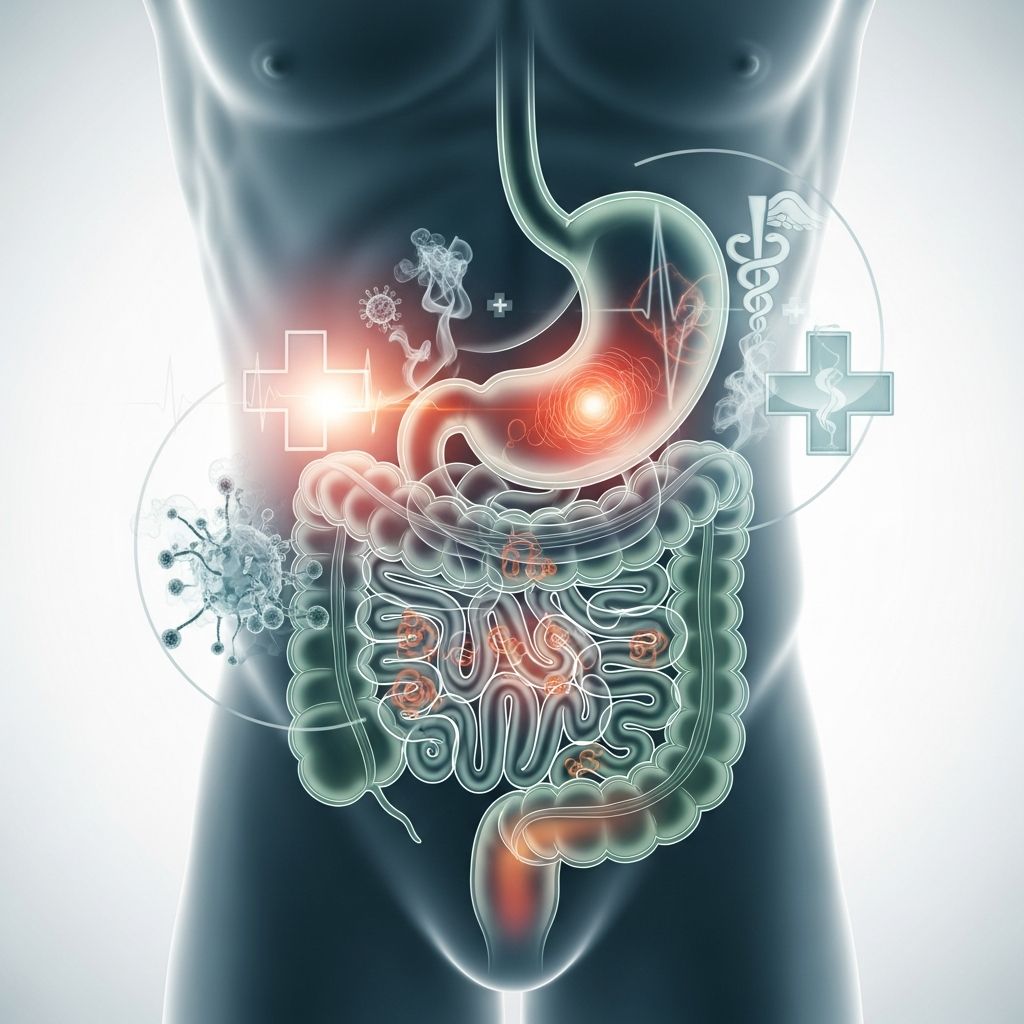
Gastrointestinal diseases are health conditions that affect your gastrointestinal (GI) tract, the path food takes through your digestive system from your mouth to your rectum. Your GI tract also includes your liver, pancreas, and gallbladder—all essential organs that play crucial roles in digestion and nutrient absorption. These diseases range from minor acute conditions that resolve quickly to chronic disorders requiring long-term management. Understanding the difference between various types of GI diseases can help you recognize symptoms early and seek appropriate treatment.
Understanding the Two Main Categories of GI Diseases
Gastrointestinal diseases fall into two primary categories: functional and structural disorders. Each type presents differently and requires distinct treatment approaches.
Functional Gastrointestinal Disorders
Functional GI problems occur when your digestive system doesn’t work properly, yet medical examination typically reveals no visible abnormalities. These conditions affect how your gastrointestinal tract functions at the muscular or neurological level. Common causes of functional GI problems include stress, dietary factors, and altered gut motility. Most functional disorders respond well to conservative management strategies such as lifestyle modifications and dietary adjustments.
Treatment for functional GI diseases usually involves eating more fiber-rich foods, increasing physical activity, identifying and avoiding personal food triggers, and managing stress levels. Many functional problems resolve on their own within a few days or weeks. However, when symptoms persist, your healthcare provider may recommend specific medications tailored to your condition.
Structural Gastrointestinal Disorders
Structural GI diseases are typically more complex and serious than functional disorders. These conditions involve visible physical changes in the gastrointestinal tract that can be detected through medical imaging or endoscopy. Structural problems cause symptoms that usually last longer and don’t improve with lifestyle changes alone. Your healthcare provider can observe inflammation, blockages, growths, or other abnormalities within your GI tract.
Common examples of structural GI diseases include hemorrhoids, colon polyps, and inflammatory bowel disease (IBD). These conditions often require medical intervention including medications, procedures, or sometimes surgery. The causes of structural GI diseases are more widespread than functional disorders and may include infections, autoimmune responses, genetic predisposition, or chronic inflammation.
Common Gastrointestinal Diseases and Conditions
Irritable Bowel Syndrome (IBS)
Irritable bowel syndrome is a functional disorder where your intestinal muscles contract more or less frequently than normal. This abnormal muscle activity disrupts the normal movement of food and waste through your digestive system. IBS is one of the most common gastrointestinal conditions, affecting millions of people worldwide, though it varies significantly in severity from person to person.
Symptoms of IBS typically include abdominal pain, gas, and bloating. Some people experience diarrhea-predominant IBS, while others have constipation-predominant IBS, and some experience alternating patterns. Treating IBS can involve changing your eating habits, increasing fiber intake gradually, staying hydrated, and taking medications your provider prescribes. Many people find that identifying personal food triggers and managing stress significantly improves their symptoms.
Hemorrhoids
Hemorrhoids are swollen veins in your anus or rectum. They develop when increased pressure in the lower rectum causes blood vessels to swell. Straining during bowel movements is the most common cause, but you can develop hemorrhoids through other mechanisms as well. Contributing factors include constipation, sitting for prolonged periods, heavy lifting, and pregnancy.
Related Stories



Hemorrhoids may be internal or external. Internal hemorrhoids occur above the anal opening and may not cause noticeable symptoms, though they can bleed. External hemorrhoids develop under the skin around the anus and can cause itching, pain, and bleeding. Avoiding constipation and activities that cause straining helps prevent hemorrhoids. Your healthcare provider can remove large, painful, or persistent hemorrhoids through various minimally invasive procedures or surgical techniques.
Inflammatory Bowel Disease (IBD)
Inflammatory bowel disease encompasses chronic conditions that cause inflammation in your gastrointestinal tract. The two main types of IBD are Crohn’s disease and ulcerative colitis, though they have distinct characteristics. IBD causes symptoms like belly pain and cramps, diarrhea, and blood in your stool. These symptoms may come on suddenly during disease flares, causing intense discomfort and disruption to daily life.
Unlike IBS, which is a functional disorder, IBD involves actual inflammation visible during endoscopy. IBD happens when immune system cells in your GI tract mistakenly attack healthy tissue, causing inflammation. Researchers have identified more than 160 different susceptibility genes that increase IBD risk, though the exact mechanisms triggering the disease remain under investigation. IBD is chronic and cannot be cured, but various treatments can put the disease into remission. However, IBD often returns, requiring ongoing management and monitoring by healthcare specialists.
Colitis
Several types of colitis exist, which are conditions causing inflammation of your bowel. Colitis can cause diarrhea, rectal bleeding, abdominal cramps, and urgency—a frequent and immediate need to have a bowel movement. Ulcerative colitis and Crohn’s disease are two common types of colitis, though not all cases are classified as IBD. Other forms of colitis can result from infections, ischemia, or medication side effects. Proper diagnosis is essential because treatment approaches differ depending on the underlying cause.
Celiac Disease
Celiac disease causes problems in your GI tract when you consume gluten, a protein found in wheat, barley, rye, and many grain-based products. It is considered both a digestive disorder and an autoimmune condition. When people with celiac disease eat gluten, their immune system attacks the gluten protein in their small intestine, triggering inflammation and damaging the intestinal lining.
The damage to intestinal tissue can be severe enough to impair your intestine’s ability to absorb nutrients properly, leading to malnutrition and various health complications. Symptoms include stomach pain, gas, bloating, diarrhea, constipation, and fatigue. The primary treatment for celiac disease involves strict adherence to a gluten-free diet. Most people experience significant symptom improvement and intestinal healing within weeks to months of eliminating gluten from their diet.
Gastritis
Gastritis is inflammation in your stomach lining. You may experience symptoms such as loss of appetite, stomach pain, nausea, vomiting, and a feeling of fullness. Common causes of gastritis include bacterial infections (particularly Helicobacter pylori), certain medications like NSAIDs, alcohol consumption, stress, and autoimmune diseases.
Most cases of gastritis improve within a few days with over-the-counter medications such as antacids or proton pump inhibitors. Your healthcare provider may recommend dietary modifications and lifestyle changes to reduce stomach irritation. However, if gastritis results from a bacterial infection, antibiotic treatment may be necessary.
Gastroenteritis
Gastroenteritis, commonly called stomach flu or food poisoning, occurs when inflammation spreads from your stomach into your intestines. This condition causes pain, vomiting, and diarrhea that can range from mild to severe. Gastroenteritis usually develops when you have a bacterial infection from contaminated food or a viral infection like norovirus or rotavirus.
Most people experience gastroenteritis several times during their lives for various reasons. While acute gastroenteritis is usually self-limiting, lasting a few days to a week, it can lead to dehydration, especially in young children, elderly individuals, and immunocompromised people. Treatment focuses on replacing lost fluids and electrolytes through oral rehydration solutions or intravenous fluids in severe cases.
Acid Reflux and GERD
Acid reflux occurs when acid from your stomach flows back up into your esophagus and throat, causing a burning sensation often described as heartburn. When this happens frequently—typically two or more times per week—it may indicate gastroesophageal reflux disease (GERD). The sensation can feel similar to a sore throat and is caused by stomach acid irritating the delicate esophageal lining.
GERD can develop due to a weak lower esophageal sphincter, increased stomach pressure, or delayed gastric emptying. Risk factors include obesity, pregnancy, certain medications, and dietary choices. Treatment options include lifestyle modifications such as eating smaller meals, avoiding trigger foods, not eating close to bedtime, and elevating the head while sleeping. Medications like antacids, H2 blockers, and proton pump inhibitors can manage symptoms. In cases that don’t respond to conservative treatment, surgical options like fundoplication are available.
Lactose Intolerance
Lactose intolerance occurs when your small intestine cannot adequately absorb lactose, the primary sugar found in milk and dairy products. This happens because your body doesn’t produce sufficient lactase, the enzyme responsible for breaking down lactose. Lactose intolerance is incredibly common, affecting billions of people worldwide, particularly in certain populations with genetic predisposition.
Symptoms appear after consuming dairy products and include diarrhea, bloating, gas, stomach cramps, and nausea. The severity varies depending on the amount of lactose consumed and individual tolerance levels. Treatment mainly involves avoiding foods and beverages containing lactose or consuming lactose-reduced dairy products. Many people tolerate small amounts of dairy, especially when consumed with other foods. Lactase enzyme supplements and lactose-free milk alternatives provide additional options for managing this condition.
When to Seek Medical Attention
You should contact your healthcare provider if you experience persistent gastrointestinal symptoms lasting more than two weeks, including chronic diarrhea, constipation, abdominal pain, or changes in bowel habits. Seek immediate medical attention if you have severe abdominal pain, persistent vomiting, signs of dehydration, blood in your stool, unexplained weight loss, or difficulty swallowing. Early diagnosis and treatment can prevent complications and improve outcomes significantly.
Treatment Approaches and Prevention
Treatment for gastrointestinal diseases depends on the specific condition, severity, and individual factors. Many GI conditions improve with medication, dietary changes, or lifestyle modifications. These conservative approaches are typically tried first and prove effective for many functional disorders. Some conditions may require endoscopic procedures for diagnosis and treatment, while others benefit from minimally invasive endoscopic interventions. In certain cases, particularly severe structural diseases, surgical intervention may be necessary.
Prevention strategies for gastrointestinal diseases include maintaining a balanced diet rich in fiber, staying adequately hydrated, exercising regularly, managing stress through relaxation techniques, avoiding smoking and excessive alcohol, practicing good food safety and hygiene, and seeking prompt treatment for infections. Regular screenings recommended by your healthcare provider can detect serious conditions early.
Living Well with Gastrointestinal Diseases
Most gastrointestinal diseases can be managed effectively with proper medical care and lifestyle adjustments. Understanding your specific condition, working closely with your healthcare team, and making necessary dietary and lifestyle changes significantly improves quality of life. Keep track of symptoms, identify personal triggers, and maintain open communication with your healthcare providers about your symptoms and concerns. With proper management, people with gastrointestinal diseases can live full, active lives.
Frequently Asked Questions About Gastrointestinal Diseases
Q: What is the difference between IBS and IBD?
A: IBS (irritable bowel syndrome) is a functional disorder characterized by abnormal intestinal muscle contractions without visible damage to the GI tract. IBD (inflammatory bowel disease) is a structural disorder involving chronic inflammation visible during medical examination. IBD can cause permanent damage to the GI tract, while IBS does not.
Q: Can gastrointestinal diseases be cured?
A: Some gastrointestinal diseases can be cured or resolved completely, such as gastroenteritis or gastritis caused by infection. Others, like IBD, are chronic conditions that cannot be cured but can be managed effectively with treatment to achieve remission. Functional disorders often improve significantly or resolve with lifestyle modifications and appropriate medication.
Q: What dietary changes help with gastrointestinal disease symptoms?
A: Dietary modifications vary by condition but generally include increasing fiber intake gradually, staying hydrated, eating smaller, more frequent meals, avoiding trigger foods, reducing fat and spicy foods, and limiting alcohol and caffeine. For celiac disease, a gluten-free diet is essential. For lactose intolerance, avoiding dairy or using lactose-free alternatives helps. Your healthcare provider or dietitian can provide personalized dietary recommendations.
Q: When should I see a gastroenterologist?
A: You should see a gastroenterologist if you experience persistent gastrointestinal symptoms lasting more than two weeks, including chronic diarrhea, constipation, abdominal pain, bloating, heartburn, or changes in bowel habits. You should seek immediate care for severe abdominal pain, persistent vomiting, blood in stool, unexplained weight loss, or difficulty swallowing.
Q: Are gastrointestinal diseases preventable?
A: While some gastrointestinal diseases cannot be completely prevented, many risk factors can be modified through lifestyle choices. Maintaining a balanced diet, staying hydrated, exercising regularly, managing stress, avoiding smoking and excessive alcohol, practicing good food hygiene, and receiving appropriate vaccinations can reduce your risk of developing certain GI diseases.
References
- Gastrointestinal Diseases: Symptoms, Treatment & Causes — Cleveland Clinic. 2024. https://my.clevelandclinic.org/health/articles/7040-gastrointestinal-diseases
- Inflammatory Bowel Disease (IBD): Symptoms, Causes, Treatment — Cleveland Clinic. 2024. https://my.clevelandclinic.org/health/diseases/15587-inflammatory-bowel-disease
- What is a Gastroenterologist? When to See One & What They Treat — Cleveland Clinic. 2024. https://my.clevelandclinic.org/health/articles/24198-gastroenterologist
- Gastrointestinal (GI) Bleeding: Symptoms, Diagnosis, Treatment — Cleveland Clinic. 2024. https://my.clevelandclinic.org/health/diseases/23391-gastrointestinal-gi-bleeding
- Gastroenterology | Digestive Disease & Surgery — Cleveland Clinic London. 2024. https://clevelandcliniclondon.uk/clinical-institutes/digestive-disease-surgery/gastroenterology
- Digestive Disease & Surgery Institute — Cleveland Clinic. 2024. https://my.clevelandclinic.org/departments/digestive
Similar Articles








Read full bio of Sneha Tete