Gastrointestinal Bleeding: Causes, Symptoms & Treatment
Complete guide to GI bleeding: understanding causes, recognizing symptoms, and exploring treatment options.
Understanding Gastrointestinal Bleeding
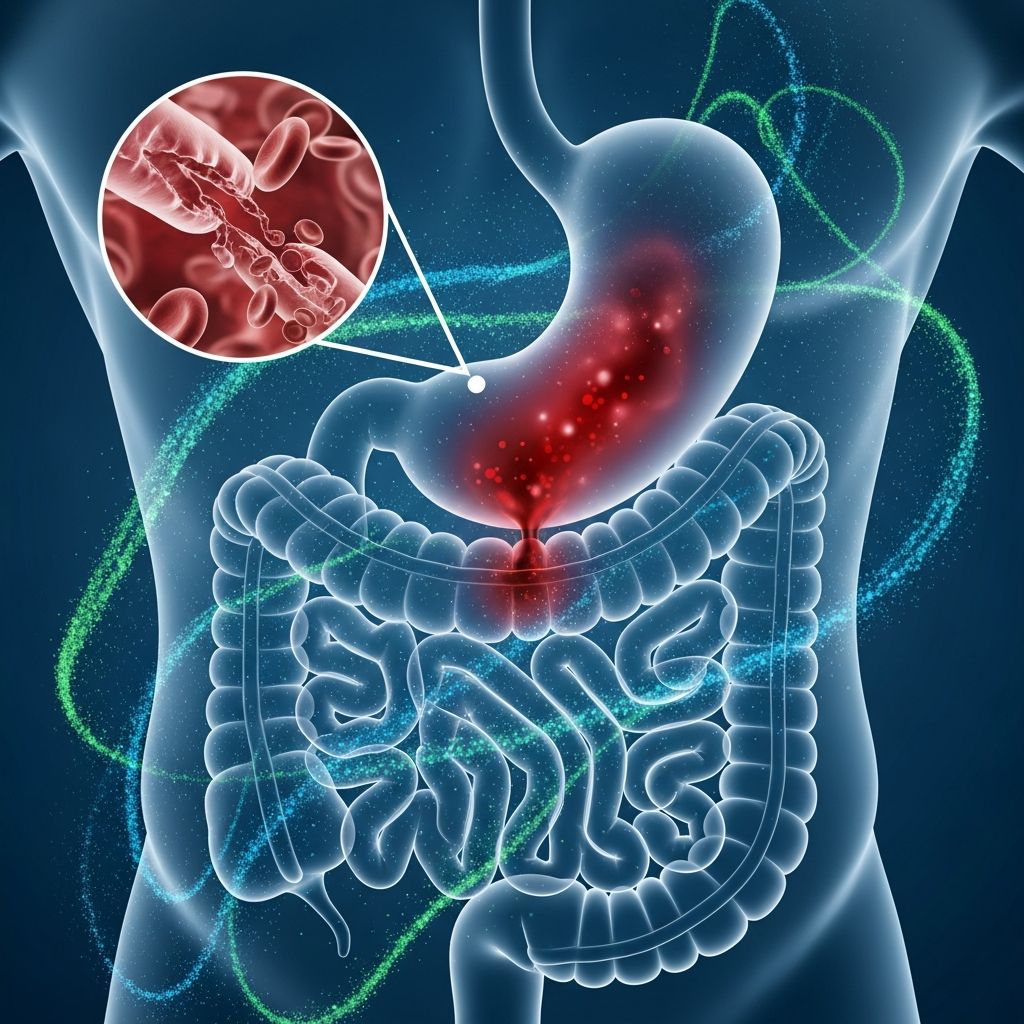
Gastrointestinal (GI) bleeding refers to any bleeding that occurs within the digestive tract, which extends from the mouth to the anus. This condition can range from mild to life-threatening and requires prompt medical evaluation and management. When a patient presents with GI bleeding, the first priority is to assess their hemodynamic status and, if necessary, begin resuscitative measures. Blood may appear visibly in vomit or stool, or it may occur internally without visible signs until complications develop.
GI bleeding is classified into two main categories: upper GI bleeding and lower GI bleeding. Understanding the distinction between these types is crucial for diagnosis and treatment planning. The presentation and severity of GI bleeding can vary significantly depending on the source, duration, and underlying cause.
Types of Gastrointestinal Bleeding
Upper Gastrointestinal Bleeding
Upper GI bleeding originates in the esophagus, stomach, or duodenum. This type of bleeding accounts for most cases of GI hemorrhage and typically presents with characteristic symptoms. The most common presenting signs of acute upper GI bleeding are hematemesis (vomiting of blood), coffee grounds emesis, and melena (tarry black stools). About 30% of patients with bleeding ulcers present with hematemesis, 20% with melena, and 50% with both.
The appearance of blood in upper GI bleeding is influenced by how long blood remains in the GI tract. Blood must remain in the GI tract for 14 hours before melena develops. This physiological process explains why bright red blood typically indicates recent or heavy bleeding, while darker blood suggests slower bleeding or blood that has been in the tract longer.
Lower Gastrointestinal Bleeding
Lower GI bleeding occurs in the small intestine, colon, and rectum. Hematochezia, which is red blood in the stool, usually suggests a lower GI source of bleeding, since blood from an upper source turns black and tarry as it passes through the gut. However, lower GI bleeding presentations can vary widely, from a small amount of red blood on tissue paper associated with formed brown stool to life-threatening severe hemorrhage.
Common Causes of GI Bleeding
Upper GI Bleeding Causes
Peptic ulcers account for most cases of upper GI bleeding. These ulcers form in the stomach or duodenum and can erode blood vessels, leading to bleeding. Other significant causes of upper GI bleeding include:
- Esophageal varices (enlarged veins in the esophagus that rupture and bleed)
- Esophagitis (inflammation in the esophagus)
- Gastritis (inflammation in the stomach)
- Gastroesophageal reflux disease (GERD), which can cause inflammation, ulcers, and bleeding in the esophagus
- Mallory-Weiss tears (small tears in the lower esophagus)
Bleeding from varices has a much higher case-fatality rate than peptic ulcer bleeding and always demands aggressive treatment. Variceal bleeding is particularly severe, with a 1-year death rate reaching up to 70% in some populations.
Lower GI Bleeding Causes
Lower GI bleeding encompasses a broader range of conditions affecting the intestines and rectum:
- Diverticular disease (small bulging pouches in the colon)
- Hemorrhoids (enlarged veins in the rectum or anus)
- Anal fissures (small tears in the anal tissue)
- Vascular ectasia (abnormal blood vessels)
- Inflammatory bowel disease, including Crohn’s disease and ulcerative colitis
- Ischemic colitis (inadequate blood flow to the colon)
- Infectious colitis
- Colorectal polyps and post-polypectomy bleeding
- Small bowel lesions including Meckel’s diverticula and small bowel tumors
Related Stories



Symptoms and Clinical Presentation
Visible Signs of Bleeding
GI bleeding can manifest through several visible indicators that warrant immediate medical attention. These visible examples of bleeding include:
- Bleeding gums
- Blood in vomit (bright red in color)
- Coffee grounds-colored vomit (dark brown appearance from partially digested blood)
- Bright red blood from the anus or noted when wiping
- Dark or black stool (melena)
Associated Symptoms
Beyond visible bleeding, patients may experience symptoms related to blood loss and anemia. GI bleeding can cause anemia (a low number of red blood cells) and iron deficiency (not enough iron in the blood). These conditions can trigger additional symptoms including:
- Fatigue and weakness
- Shortness of breath
- Dizziness or lightheadedness
- Pale skin
- Rapid heartbeat
- Low blood pressure and fainting
- Nausea and vomiting
- Epigastric pain (pain in the upper abdomen)
Diagnosis of Gastrointestinal Bleeding
Initial Assessment
When evaluating a patient with suspected GI bleeding, healthcare providers first assess the patient’s hemodynamic status. This involves checking vital signs, blood pressure, heart rate, and overall cardiovascular stability. An assessment of clinical severity is the first step in determining the appropriate level of care and treatment intensity needed.
Endoscopic Procedures
All patients need to undergo endoscopy to diagnose, assess, and possibly treat any underlying lesion. To locate the source of the bleeding and ensure it has stopped, healthcare providers use endoscopic examination. An upper endoscopy allows healthcare providers to see inside the upper GI tract and identify the bleeding source. During the exam, patients receive medicine to relax and sedate them. Healthcare providers pass an endoscope (a lighted camera on a long, thin tube) down the throat and into the duodenum. When they find the source of bleeding, they can pass medical tools through the tube to seal the wound.
Additional Diagnostic Tests
Healthcare providers may perform tissue biopsies during endoscopy to analyze samples in the laboratory. Blood tests help assess the degree of blood loss and evaluate hemoglobin and hematocrit levels. Imaging studies may be ordered based on clinical findings and the initial endoscopic results.
Treatment and Management
Immediate Management
The first priority is to ensure that the patient is hemodynamically stable, which often requires admission to the intensive care unit for monitoring and fluid resuscitation. Patients with severe comorbidity or those who are hemodynamically compromised with active bleeding (witnessed hematemesis, red blood per nasogastric tube, or fresh blood per rectum) or a nonbleeding visible vessel should be admitted to a monitored bed or intensive care unit.
Medication Management
Patients found to have bleeding ulcers should receive a proton pump inhibitor, with dosage and duration of treatment depending on endoscopic findings and clinical factors. Most causes of upper GI bleeding are effectively treated with medication. Proton pump inhibitors work by reducing stomach acid production, allowing ulcers to heal and preventing rebleeding.
Endoscopic Treatment
Endoscopic treatment can effectively stop bleeding by using various techniques to seal or cauterize bleeding vessels. Healthcare providers may apply hemoclips, use thermal coagulation, or inject medications directly into bleeding sites. These interventions often prevent the need for surgical intervention.
Surgical Intervention
Some cases of severe upper GI bleeding may require surgery to fix the underlying problem. Surgery is typically reserved for cases where endoscopic treatment has failed or when bleeding is too severe to manage through less invasive means. Variceal bleeding often requires specialized interventions such as balloon tamponade or transjugular intrahepatic portosystemic shunt (TIPS) procedures.
Risk Factors and Severity Assessment
Certain clinical features help identify patients at higher risk for severe outcomes. Clues pointing to variceal bleeding include previous variceal bleeding, thrombocytopenia, history of liver disease, and signs of liver disease on clinical examination. Risk stratification helps healthcare providers allocate appropriate resources and intensify monitoring for high-risk patients.
Heavy bleeding of approximately 1,000 mL or more requires immediate intensive management. Hemorrhagic shock should direct attention to an upper GI source of bleeding. The presence of shock indicates severe bleeding requiring aggressive resuscitation and urgent intervention.
Prevention and Long-term Management
Preventing recurrent GI bleeding is as important as treating acute episodes. Patients with peptic ulcer disease should be tested and treated for Helicobacter pylori infection, a major cause of ulcers. Long-term proton pump inhibitor therapy may be recommended for patients at high risk of recurrent bleeding. Lifestyle modifications, including avoiding NSAIDs and limiting alcohol consumption, can reduce the risk of future bleeding episodes.
For patients with inflammatory bowel disease, optimal disease management reduces bleeding risk. Regular screening for colorectal cancer and polyp removal helps prevent bleeding from malignancy. Management of portal hypertension in patients with liver disease is essential for preventing variceal bleeding.
Frequently Asked Questions
Q: What should I do if I’m vomiting blood?
A: Seek medical attention immediately. You might want to call an ambulance if you have other emergency symptoms such as severe abdominal pain, chest pain, difficulty breathing, or signs of shock like severe dizziness or loss of consciousness.
Q: How is the source of GI bleeding determined?
A: Healthcare providers use upper endoscopy for suspected upper GI bleeding and colonoscopy or other imaging for lower GI bleeding. These procedures allow direct visualization of the bleeding source and enable treatment.
Q: What does black stool indicate?
A: Black, tarry stool (melena) usually indicates bleeding from the upper GI tract. This occurs because blood takes time to pass through the digestive system, and stomach acid darkens it.
Q: Can GI bleeding be life-threatening?
A: Yes, significant GI bleeding can be life-threatening, particularly variceal bleeding which has a high mortality rate. Prompt recognition and treatment are essential.
Q: How long does recovery take after GI bleeding treatment?
A: Recovery time varies depending on the cause and severity of bleeding. Most patients show improvement within days, but complete healing may take weeks. Your healthcare provider will provide specific guidance based on your situation.
Q: Can GI bleeding recur?
A: Yes, GI bleeding can recur without proper prevention measures. Addressing underlying causes, such as treating H. pylori infection or managing inflammatory conditions, significantly reduces recurrence risk.
References
- Managing acute upper GI bleeding, preventing recurrences — Cleveland Clinic Journal of Medicine. 2010-02-01. https://www.ccjm.org/content/ccjom/77/2/131.full.pdf
- GI Bleeding: Identifying the Source — Cleveland Clinic Journal of Medicine. 2010-06-01. https://www.ccjm.org/content/ccjom/61/6/407.full.pdf
- Gastrointestinal Bleeding — Adult Down Syndrome Center. 2025-05-01. https://adscresources.advocatehealth.com/resources/gastrointestinal-bleeding/
- Epidemiology of lower gastrointestinal bleeding — PubMed/National Center for Biotechnology Information. 2008-04-01. https://pubmed.ncbi.nlm.nih.gov/18346680/
- Hematemesis (Vomiting Blood): Causes, What it Is & Treatment — Cleveland Clinic. 2024-01-01. https://my.clevelandclinic.org/health/symptoms/17708-vomiting-blood
- Internal Bleeding Signs, Symptoms & Treatment — Cleveland Clinic. 2024-01-01. https://my.clevelandclinic.org/health/diseases/internal-bleeding
Similar Articles








Read full bio of medha deb