Gastrointestinal Infections: What To Know About Symptoms & Care
Comprehensive guide to causes, symptoms, diagnosis, treatment, and prevention of GI infections affecting millions worldwide.
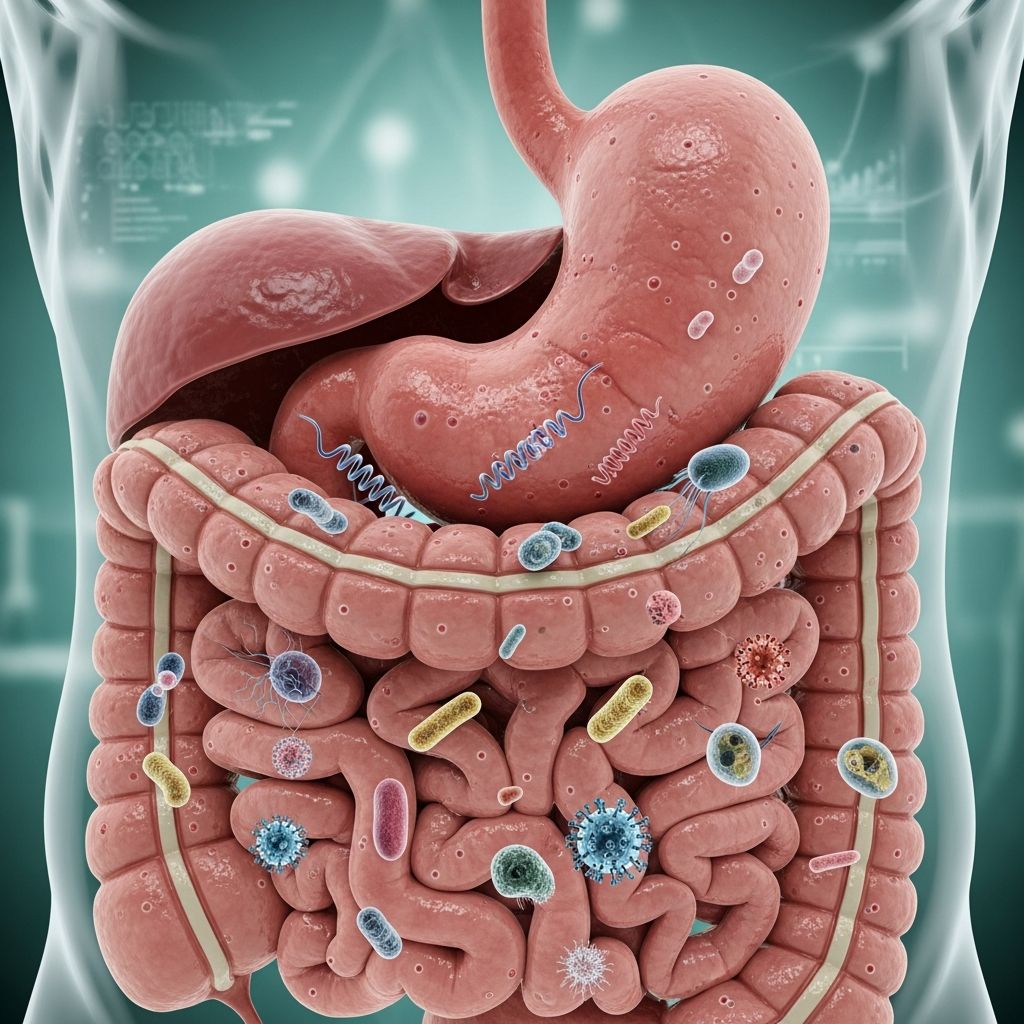
Gastrointestinal (GI) infections are common ailments that primarily affect the stomach and intestines, most often manifesting as diarrhea. These infections, caused by bacteria, viruses, or parasites, typically resolve on their own within a few days for healthy individuals but can lead to severe dehydration and complications in vulnerable groups like young children, the elderly, and immunocompromised people.
What Are Gastrointestinal Infections?
Gastrointestinal infections, also known as gastroenteritis or stomach flu, involve inflammation of the GI tract due to infectious agents. They represent a major global health issue, with billions of cases annually. In developed nations, foodborne outbreaks are frequent, while poor sanitation drives epidemics in developing regions. Symptoms include abdominal cramps, nausea, vomiting, and watery diarrhea, which can lead to fluid loss requiring medical intervention in high-risk populations.
The challenge lies in their similar presentations across pathogens, making precise diagnosis difficult without testing. Geographic factors influence prevalence: bacteria dominate in traveler’s diarrhea, viruses in close-contact settings, and parasites in contaminated water sources.
Types of Gastrointestinal Infections
GI infections are categorized by causative agents: bacterial, viral, and parasitic. Each type has distinct transmission routes, incubation periods, and severity profiles.
Bacterial GI Infections
Bacterial gastroenteritis is prevalent worldwide, often linked to contaminated food or water. In industrialized countries, leading culprits include Campylobacter, Salmonella, Shigella, and Shiga-toxin producing Escherichia coli (STEC). Travelers to developing areas face higher risks due to suboptimal hygiene.
- Campylobacter: Often from undercooked poultry; causes bloody diarrhea, fever, and cramps lasting 2-10 days.
- Salmonella: Found in eggs, meat; symptoms include diarrhea, fever, vomiting for 4-7 days.
- Shigella: Highly contagious; spreads person-to-person, leading to dysentery with bloody stools.
- E. coli (STEC): Linked to ground beef, produce; can cause hemolytic uremic syndrome (HUS) in children.
Other bacteria like Vibrio cholerae (cholera), Yersinia, and Listeria also contribute, especially in outbreaks.
Clostridium difficile (C. diff)
C. difficile is a spore-forming bacterium causing antibiotic-associated diarrhea and colitis. It produces toxins A and B that damage the intestinal lining, affecting 15-20% of antibiotic users. Symptoms range from mild diarrhea to severe pseudomembranous colitis, with risks heightened post-hospitalization or proton pump inhibitor use.
Helicobacter pylori
Helicobacter pylori infects the stomach lining, leading to chronic gastritis, peptic ulcers, and increased gastric cancer risk. Many carriers are asymptomatic, but infection persists lifelong without treatment.
Viral GI Infections
Viruses are the most common cause of acute gastroenteritis, especially in children. Norovirus is highly contagious, spreading via person-to-person contact, fomites, or contaminated food in settings like cruise ships and schools. It causes explosive vomiting and diarrhea lasting 1-3 days.
- Rotavirus: Primary cause of severe diarrhea in infants; vaccine-preventable.
- Adenovirus and Astrovirus: Common in young children, milder symptoms.
Parasitic GI Infections
Parasites thrive in contaminated water or food, more prevalent in tropical areas. Giardia lamblia affects hikers drinking untreated water, causing greasy diarrhea and malabsorption. Cryptosporidium resists chlorination, linked to recreational water outbreaks. Others like Cyclospora and Cystoisospora cause prolonged watery diarrhea.
Related Stories



Symptoms of GI Infections
Core symptoms include:
- Watery or bloody diarrhea
- Nausea and vomiting
- Abdominal pain or cramping
- Fever
- Fatigue and dehydration signs (dry mouth, dizziness)
Symptom duration varies: bacterial 3-7 days, viral 1-3 days, parasitic weeks. Severe cases show blood in stool, high fever, or persistent vomiting signaling need for care.
Causes and Risk Factors
Transmission occurs via fecal-oral route: contaminated food/water, poor hand hygiene, or close contact. Risk factors include:
| Risk Factor | Examples |
|---|---|
| Travel | Developing countries with poor sanitation |
| Age | Children under 5, elderly over 65 |
| Health Status | Immunocompromised, chronic illnesses |
| Environment | Cruise ships, daycares, hospitals |
Foodborne sources: undercooked meats, unpasteurized dairy, raw produce.
Diagnosis
Diagnosis starts with history and stool tests for pathogens via culture, PCR, or antigen detection. Blood tests check dehydration/electrolytes; endoscopy for chronic cases like C. diff or H. pylori (urea breath test).
Treatment
Most cases are self-limiting; focus on supportive care:
- Rehydration: Oral rehydration solutions (ORS) preferred over plain water.
- Diet: BRAT diet (bananas, rice, applesauce, toast) initially.
- Medications: Antiemetics for vomiting; avoid antimotility drugs in bloody diarrhea. Antibiotics only for confirmed bacterial cases or high-risk patients (e.g., azithromycin for Campylobacter).
For C. diff: Vancomycin or fidaxomicin. H. pylori: Triple therapy (PPI + two antibiotics).
Prevention
Key strategies:
- Handwashing with soap
- Cook foods thoroughly; avoid raw/undercooked items
- Drink safe water; use purification for travel
- Vaccines: Rotavirus for infants
- Food safety: Separate raw meats, chill perishables
Probiotics may reduce antibiotic-associated diarrhea.
When to See a Doctor
Seek care for: dehydration (no urine 8+ hours), bloody stools, fever >102°F, symptoms >48 hours in infants/elderly, or neurological signs.
Frequently Asked Questions (FAQs)
What is the most common cause of GI infections?
Norovirus is the leading viral cause in adults; rotavirus in children.
Can GI infections be prevented while traveling?
Yes: Eat cooked foods, peel fruits, drink bottled/boiled water, and practice hand hygiene.
Is antibiotic treatment always needed?
No; most resolve without. Antibiotics can worsen some infections like STEC or C. diff.
How long do symptoms last?
Viral: 1-3 days; bacterial: 3-7 days; parasitic: longer without treatment.
Are there vaccines for GI infections?
Rotavirus vaccine for infants; others in development (e.g., norovirus trials).
Complications
Dehydration is primary; rare: HUS from STEC, Guillain-Barré from Campylobacter, chronic issues from parasites or H. pylori (ulcers, cancer).
References
- Gastrointestinal Infections — National Center for Biotechnology Information (NCBI), PubMed Central. 2020-03-16. https://pmc.ncbi.nlm.nih.gov/articles/PMC7123654/
- Gastrointestinal Infections — Rady Children’s Hospital San Diego. Accessed 2026. https://www.rchsd.org/health-category/en/infections/gastrointestinal-infections/
Similar Articles








Read full bio of Sneha Tete