Gastrointestinal Perforation: Symptoms, Surgery & Treatment
Understand gastrointestinal perforation: causes, symptoms, emergency treatment, and recovery options.
Understanding Gastrointestinal Perforation
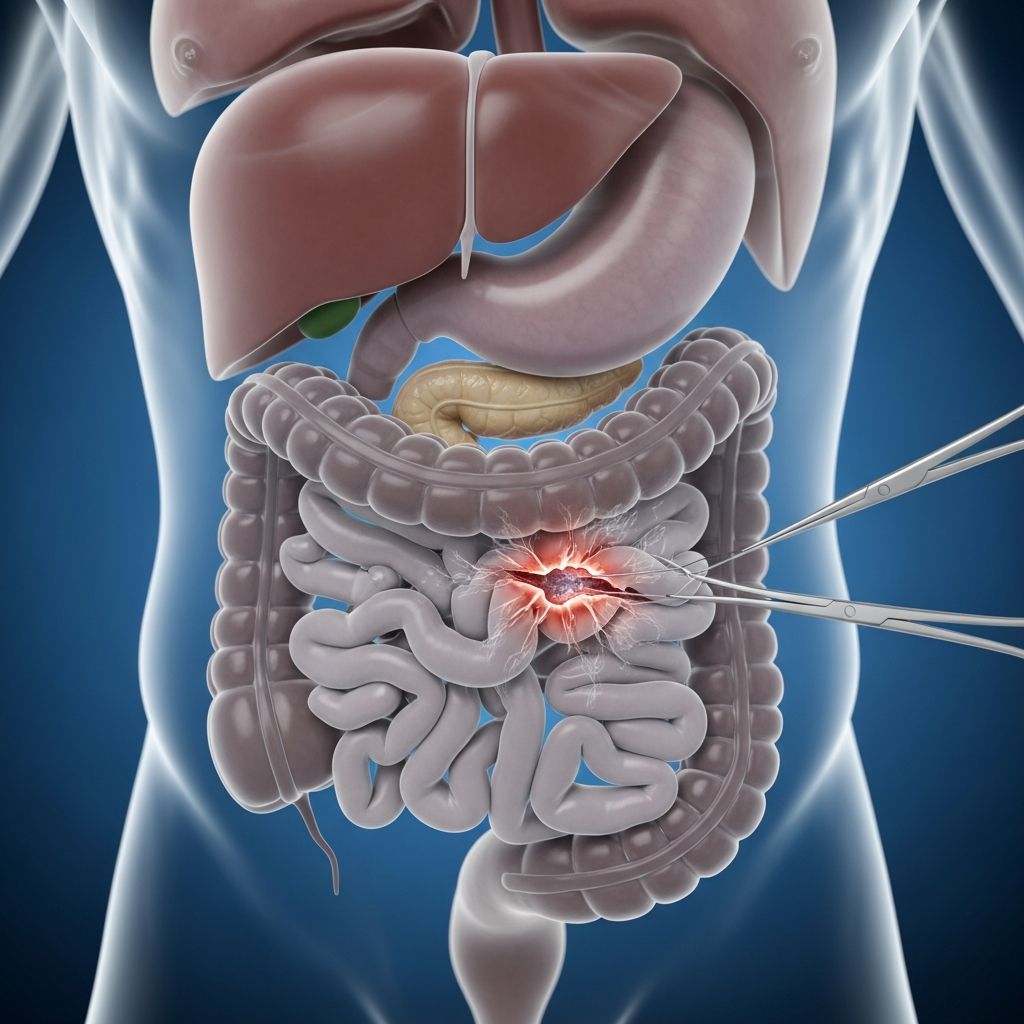
A gastrointestinal perforation is a hole in your gastrointestinal (GI) tract, which is a series of hollow organs responsible for moving food and liquids through your body. Your GI tract includes your mouth, esophagus, stomach, small intestine, and large intestine (colon and rectum). These organs work together to digest the food you eat and drink while absorbing essential nutrients. When a perforation occurs in any part of your GI tract, it becomes a serious medical emergency that requires immediate attention.
A perforation in your GI tract allows contents to leak into your abdominal cavity. If you have a hole in your large intestine, stool can escape into your abdomen. If the perforation is in your stomach or small intestine, food or digestive fluids can leak into the peritoneal cavity. Without prompt medical treatment, gastrointestinal perforation can lead to severe complications, including peritonitis (abdominal infection), sepsis, organ failure, and potentially death.
What Causes Gastrointestinal Perforation?
Gastrointestinal perforations can result from various causes, which are generally categorized into two groups: traumatic injuries and underlying medical conditions.
Traumatic Causes
Injury or trauma can puncture a hole directly in your GI tract. These injuries may include:
– Motor vehicle accidents that cause blunt abdominal trauma- Falls from significant heights- Penetrating wounds from gunshot or stab injuries- Accidental or intentional abdominal injuries- Complications from medical procedures such as endoscopy, colonoscopy, or surgery- Swallowed foreign objects that perforate the digestive tract
Medical Conditions That Increase Risk
Certain medical conditions increase your likelihood of developing a gastrointestinal perforation, even without direct trauma:
– Peptic ulcer disease (the most common cause of perforation)- Inflammatory bowel disease, including Crohn’s disease and ulcerative colitis- Diverticulitis (inflammation of small pouches in the colon)- Appendicitis- Bowel obstruction from tumors, strictures, or hernias- Ischemic colitis from reduced blood flow to the intestines- Cancer of the GI tract- Infectious diseases causing severe inflammation- Perforated viscus from trauma or other causes
Having one of these conditions does not guarantee you will experience a perforation, but it significantly increases your risk. Understanding these risk factors helps you recognize when to seek medical care.
Recognizing the Symptoms of Gastrointestinal Perforation
If you have a gastrointestinal or bowel perforation, you may experience various symptoms that develop suddenly or progress rapidly:
– Sudden, severe abdominal pain- Rigid or board-like abdominal tenderness- Fever and chills- Rapid heart rate (tachycardia)- Nausea and vomiting- Abdominal bloating or distension- Loss of appetite- Signs of shock, including pale skin, dizziness, or loss of consciousness- Difficulty breathing
These symptoms indicate a medical emergency. Do not attempt home treatment or wait to see if symptoms resolve on their own. Seek emergency medical care immediately if you experience any combination of these symptoms, particularly if they develop suddenly or follow an abdominal injury.
Related Stories



How Is Gastrointestinal Perforation Diagnosed?
Diagnosing a gastrointestinal perforation requires a combination of physical examination and imaging studies. Your healthcare provider will begin with a thorough evaluation:
Physical Examination
Your provider will perform a complete physical examination that includes:
– Palpating (pressing on) your abdomen to check for tenderness, rigidity, or guarding- Taking your vital signs, including body temperature, heart rate, blood pressure, and respiratory rate- Assessing your overall appearance and level of distress- Asking about your medical history, recent injuries, and current medications- Inquiring about the onset and characteristics of your symptoms- Discussing any recent medical procedures or endoscopic interventions
Diagnostic Tests
After the initial evaluation, your provider may order several tests to confirm the diagnosis:
– CT (computed tomography) scan: This is often the most sensitive imaging test for detecting perforation. It can show free air in the abdomen, fluid collections, and the location of the perforation.- Chest X-ray: Can reveal free air under the diaphragm (pneumoperitoneum), which suggests perforation.- Abdominal X-ray: May show free air and other signs of perforation.- Blood tests: Including complete blood count and metabolic panel to assess infection markers and organ function.- Endoscopy: In some cases, an endoscopic examination may be performed to visualize the perforation directly.
Treatment Options for Gastrointestinal Perforation
Treatment of gastrointestinal perforation depends on the size, location, and severity of the perforation, as well as the patient’s overall health status. Most cases require emergency intervention.
Surgical Treatment
If your provider diagnoses you with a gastrointestinal perforation, you will likely need emergency surgery to repair it. Depending on the severity and location of the perforation, your surgical options may include:
– Primary repair: The surgeon closes the perforation with stitches, which is often the first choice for small perforations.- Resection: Removal of the damaged portion of the GI tract followed by reconnection of the healthy ends.- Patch repair: Placing tissue over the perforation to seal it.- Temporary colostomy: In severe cases affecting the colon, your surgeon may create a temporary opening (stoma) in your abdominal wall to allow stool to bypass the damaged area.
Colostomy Management
If you require a temporary colostomy, your surgeon creates a stoma that connects your colon to the outside of your abdomen. A sealed, discreet colostomy bag collects the stool. You or your caregiver will empty this bag daily. Your healthcare provider typically removes the stoma and colostomy bag once you have healed sufficiently, usually after several weeks or months.
Conservative Treatment
Small gastrointestinal or bowel perforations can sometimes heal without surgery, though this is rare and requires close medical monitoring. In these cases, you will receive:
– Intravenous (IV) antibiotics to prevent infection- Nothing by mouth (NPO status) to allow your digestive tract to rest- IV fluids to maintain hydration and electrolyte balance- Close monitoring in an intensive care unit or hospital setting- Regular imaging studies to ensure the perforation is healing
Antibiotic Therapy and Medical Management
Most people with gastrointestinal perforation receive antibiotics, either with or without surgery. These medications are crucial for preventing life-threatening infections that can result from perforation. You typically take antibiotics for several weeks following diagnosis.
It is essential to take the full course of prescribed antibiotics exactly as directed by your healthcare provider. Do not stop taking antibiotics unless your provider specifically instructs you to do so, even if you feel better. Stopping prematurely increases the risk of infection recurrence and complications.
Recovery and Follow-Up Care
Recovery after gastrointestinal perforation surgery varies depending on the extent of the procedure and your overall health. Most people can expect the following timeline:
Immediate Post-Operative Period (First Few Days to Weeks): You will remain hospitalized for close monitoring. Your healthcare team will manage pain, administer antibiotics, and monitor for complications. You will initially receive nutrition through IV fluids and may gradually progress to oral intake as your digestive system heals.
Weeks to Months: Full recovery typically takes several weeks to months. During this time, you will gradually return to normal activities and eating habits. Your surgeon will provide specific guidance on activity restrictions and dietary modifications.
Follow-Up Appointments: Attend all scheduled follow-up appointments with your surgeon and gastroenterologist. These visits ensure proper healing and allow your healthcare team to address any concerns or complications that may arise.
Many people who receive successful treatment recover completely and return to their normal quality of life. However, recovery timelines vary based on individual circumstances and the severity of the initial perforation.
Prevention Strategies
While you may not be able to prevent gastrointestinal perforation entirely, you can significantly decrease your risk by taking these steps:
– Manage peptic ulcer disease: If you have a history of ulcers, follow your healthcare provider’s treatment recommendations and use medications as prescribed.- Control inflammatory bowel disease: Take medications as directed and maintain regular follow-up care with your gastroenterologist.- Avoid NSAIDs when possible: Nonsteroidal anti-inflammatory drugs increase ulcer risk. Use alternatives like acetaminophen when appropriate.- Limit alcohol consumption: Excessive alcohol can irritate your GI tract and increase perforation risk.- Don’t smoke: Smoking increases acid production and delays ulcer healing.- Manage stress: Chronic stress can exacerbate GI conditions.- Seek prompt treatment for abdominal injuries: Any significant abdominal trauma requires immediate medical evaluation.- Be cautious with medications: Take medications with food and water as directed to minimize GI irritation.
Frequently Asked Questions
Q: Can gastrointestinal perforation recur after treatment?
A: While it is possible to have a gastrointestinal perforation more than once, this is uncommon. Regular follow-up care with your healthcare provider to manage underlying conditions helps reduce your risk of future perforation.
Q: Is gastrointestinal perforation fatal?
A: Gastrointestinal perforations can be fatal without prompt treatment. However, with modern surgical techniques, antibiotics, and medical care, many people make a full recovery when treated immediately.
Q: How quickly do I need emergency care for perforation symptoms?
A: You should seek emergency medical care immediately upon experiencing symptoms of perforation. Do not wait or attempt home treatment, as delays can lead to life-threatening complications.
Q: What is the recovery time after perforation surgery?
A: Full recovery typically takes several weeks to months, depending on the surgery’s extent and your overall health. Most people can gradually return to normal activities during this period with proper medical guidance.
Q: Will I need a permanent colostomy after surgery?
A: Many colostomies created for perforation treatment are temporary. Your surgeon will remove the stoma and reconnect your colon after you have healed, which usually takes several weeks to months.
Q: What complications can arise from untreated perforation?
A: Untreated perforation can lead to peritonitis (abdominal infection), sepsis, shock, organ failure, and death. Immediate medical treatment is essential to prevent these life-threatening complications.
Conclusion
Gastrointestinal perforation is a serious medical condition requiring immediate emergency care. Understanding the signs, symptoms, and risk factors empowers you to take an active role in your health. If you experience sudden severe abdominal pain, especially following an injury or if you have a history of GI conditions, seek emergency medical attention without delay. With prompt diagnosis and modern treatment options, many people with gastrointestinal perforation recover well and return to normal functioning. Always maintain regular follow-up care with your healthcare providers to manage underlying conditions and reduce your risk of future complications.
References
- Gastrointestinal Perforation: Symptoms, Surgery, Causes & Treatment — Cleveland Clinic. 2022-07-11. https://my.clevelandclinic.org/health/diseases/23478-gastrointestinal-perforation
- Esophageal Perforation: Effective Options Exist for Even the Most Severe Cases — Cleveland Clinic. 2021. https://consultqd.clevelandclinic.org/esophageal-perforation-effective-options-exist-for-even-the-most-severe-cases
- Diverticulitis: Symptoms, Causes & Treatment — Cleveland Clinic. https://my.clevelandclinic.org/health/diseases/10352-diverticulitis
- Bowel Obstruction: Signs & Symptoms, Causes, Treatment — Cleveland Clinic. https://my.clevelandclinic.org/health/diseases/bowel-obstruction
- Perforation of an Acute Peptic Ulcer — MDEdge/Cleveland Clinic Journal of Medicine. https://mdedge.com/ccjm/article/90507/perforation-acute-peptic-ulcer
Similar Articles








Read full bio of medha deb