GI Problems And Rheumatoid Arthritis: Expert Tips
Understand the link between rheumatoid arthritis and GI issues, including causes, symptoms, medication effects, and management strategies for better health.
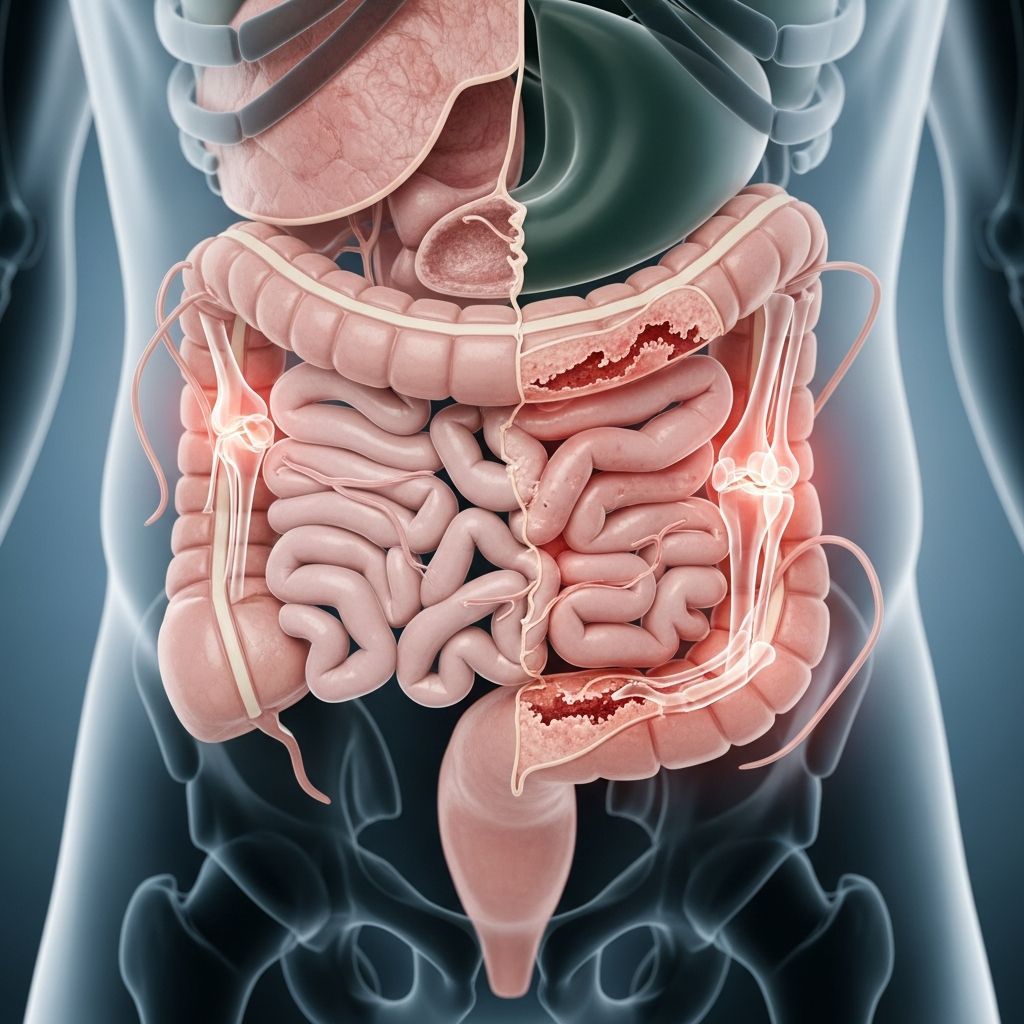
Rheumatoid arthritis (RA) is an autoimmune disease primarily known for joint inflammation, but it frequently impacts the gastrointestinal (GI) system, leading to issues like nausea, abdominal pain, and more severe complications. People with RA face a 70 percent higher risk of developing GI problems compared to those without the condition.
This connection arises from shared inflammation, coexisting autoimmune disorders, gut microbiome imbalances, and side effects from RA treatments. Recognizing these links is crucial for comprehensive management.
Why Does RA Affect the GI Tract?
The GI tract spans from the mouth to the anus, including the esophagus, stomach, small and large intestines, and associated organs like the pancreas and liver. RA’s systemic inflammation can target this system, causing upper GI issues like ulcers and esophagitis, and lower GI problems such as perforations and infections.
Studies from the Mayo Clinic indicate higher rates of stomach ulcers, bleeding, esophagitis, bowel perforations, and infections in RA patients. Common symptoms include abdominal pain, bloating, difficulty swallowing, nausea, diarrhea, constipation, and reflux.
Inflammation as a Key Driver
Chronic inflammation in RA, driven by an overactive immune system, extends beyond joints to the GI tract. Gastroenterologist Dana Lukin, MD, notes that several GI conditions in arthritis patients stem directly from this inflammation. This can lead to conditions like gastritis or enteritis.
Coexisting Conditions
RA often overlaps with other disorders affecting the gut:
- Fibromyalgia: Frequently co-occurs with RA and irritable bowel syndrome (IBS), causing abdominal pain, bloating, gas, diarrhea, and constipation.
- Celiac Disease: Linked to RA; gluten intake damages the small intestine, leading to malabsorption and GI distress.
- Inflammatory Bowel Disease (IBD): Includes Crohn’s disease and ulcerative colitis, sharing genetic and environmental risk factors with RA, ankylosing spondylitis, and psoriatic arthritis.
- Enteropathic Arthritis: Arthritis tied to IBD, causing joint pain alongside digestive symptoms like chronic diarrhea and abdominal cramps.
Gut Microbiome Dysbiosis
Imbalances in gut bacteria (dysbiosis) are associated with RA development. Altered microbiota may contribute to inflammatory arthritis, including RA and spondyloarthritis. Research explores how restoring gut balance could mitigate symptoms.
Medication Side Effects
RA treatments are a leading cause of GI issues. Here’s a breakdown:
| Medication Class | Common GI Side Effects | Severe Risks |
|---|---|---|
| DMARDs (e.g., Methotrexate, Sulfasalazine) | Diarrhea, nausea, abdominal pain, vomiting, indigestion | Hepatotoxicity, infections |
| Biologics | Nausea, diarrhea, cramps | GI bleeding, perforations, bowel obstruction |
| NSAIDs | Indigestion, heartburn | Ulcers, bleeding |
| Janus Kinase Inhibitors | Abdominal pain, nausea, diarrhea | GI perforations |
| Azathioprine | Anorexia, nausea, vomiting | Hepatotoxicity |
DMARDs like methotrexate commonly cause nausea (53%) and abdominal pain (19%). Biologics and others increase infection risk, leading to colitis or diverticulitis. Always weigh risks with your doctor.
Specific GI Complications in RA
Rheumatoid Vasculitis (RV)
Affecting about 5% of RA patients, RV inflames blood vessels, including in the GI tract, causing weight loss, appetite loss, abdominal pain, diarrhea, ulcers, bleeding, and perforations. Other signs: fever, rashes, neuropathy.
Related Stories



AA Amyloidosis
A rare RA complication depositing amyloid proteins in GI organs, leading to weight loss, pain, diarrhea, GERD, and potentially fatal bleeding.
Other Issues
- Ulcerations: Indigestion, nausea, heartburn, appetite/weight loss, pain.
- GI Bleeding: Cramps, black/tarry stools, coffee-ground vomit, blood in stool/vomit.
- Colitis: Diarrhea, pain, urgency.
- Leaky Gut: May precede RA; intestinal permeability allows toxins to trigger autoimmunity.
Managing GI Problems with RA
Effective strategies include lifestyle changes, dietary adjustments, and medical interventions.
Dietary Tips
Avoid triggers like sugar, processed meats, alcohol, and caffeine, which worsen reflux and inflammation. Focus on anti-inflammatory foods: fruits, vegetables, whole grains, lean proteins, and probiotics for gut health.
- Eat smaller, frequent meals to reduce reflux.
- Stay hydrated but sip slowly.
- Consider gluten-free if celiac is suspected.
Lifestyle Modifications
- Exercise regularly to aid digestion and reduce inflammation.
- Manage stress, as it exacerbates IBS and flares.
- Elevate head during sleep for GERD relief.
Medical Management
Work with rheumatologists and gastroenterologists. Options include:
- Proton pump inhibitors (PPIs) for ulcers/reflux.
- Probiotics or antibiotics for dysbiosis/infections.
- Adjusting RA meds; switching to less GI-toxic options.
- Treating coexisting conditions like IBD with specific therapies.
Early recognition improves prognosis; monitor for severe symptoms like persistent pain or bleeding.
Frequently Asked Questions (FAQs)
Why do RA patients experience more GI problems?
RA increases GI risk by 70% due to inflammation, autoimmune overlaps, dysbiosis, and medications.
Can RA medications cause serious gut issues?
Yes, DMARDs and biologics can lead to ulcers, bleeding, perforations; discuss alternatives with your doctor.
Is there a link between RA and IBD?
Yes, shared factors increase IBD risk in RA patients, and vice versa.
How can diet help RA-related GI symptoms?
Anti-inflammatory diets reduce triggers; focus on whole foods and probiotics.
When should I see a doctor for GI symptoms with RA?
Seek care for severe pain, bleeding, unexplained weight loss, or persistent nausea.
Conclusion
Managing GI issues in RA requires a holistic approach integrating diet, lifestyle, and tailored treatments. Consult healthcare providers for personalized care to improve quality of life.
References
- How Inflammatory Arthritis Affects Your Gut, and 3 Ways to Ease GI … — CreakyJoints. 2023. https://creakyjoints.org/living-with-arthritis/complications/inflammatory-arthritis-gastrointestinal-issues/
- Rheumatoid arthritis and gastrointestinal symptoms: Causes and more — Medical News Today. 2023. https://www.medicalnewstoday.com/articles/rheumatoid-arthritis-stomach-issues
- Gastrointestinal Manifestations of Rheumatic Diseases — NCBI/NIH. 2023. https://www.ncbi.nlm.nih.gov/books/NBK585761/
- The Connection Between Leaky Gut and Arthritis — Institute for Functional Medicine. 2023. http://www.ifm.org/articles/ai-connection-leaky-gut-arthritis
- Inflammatory Bowel Disease Linked to Increased Risk for Rheumatoid Arthritis — Rheumatology Advisor. 2023. https://www.rheumatologyadvisor.com/news/inflammatory-bowel-disease-linked-to-increased-risk-for-rheumatoid-arthritis/
- Enteropathic Arthritis: What It Is, Symptoms & Treatment — Cleveland Clinic. 2023. https://my.clevelandclinic.org/health/diseases/23166-enteropathic-arthritis
Similar Articles








Read full bio of Sneha Tete