Gastroparesis Symptoms: 8 Signs, Causes, And Treatments
Understanding gastroparesis: symptoms, causes, diagnosis, treatment, and living strategies for delayed gastric emptying.
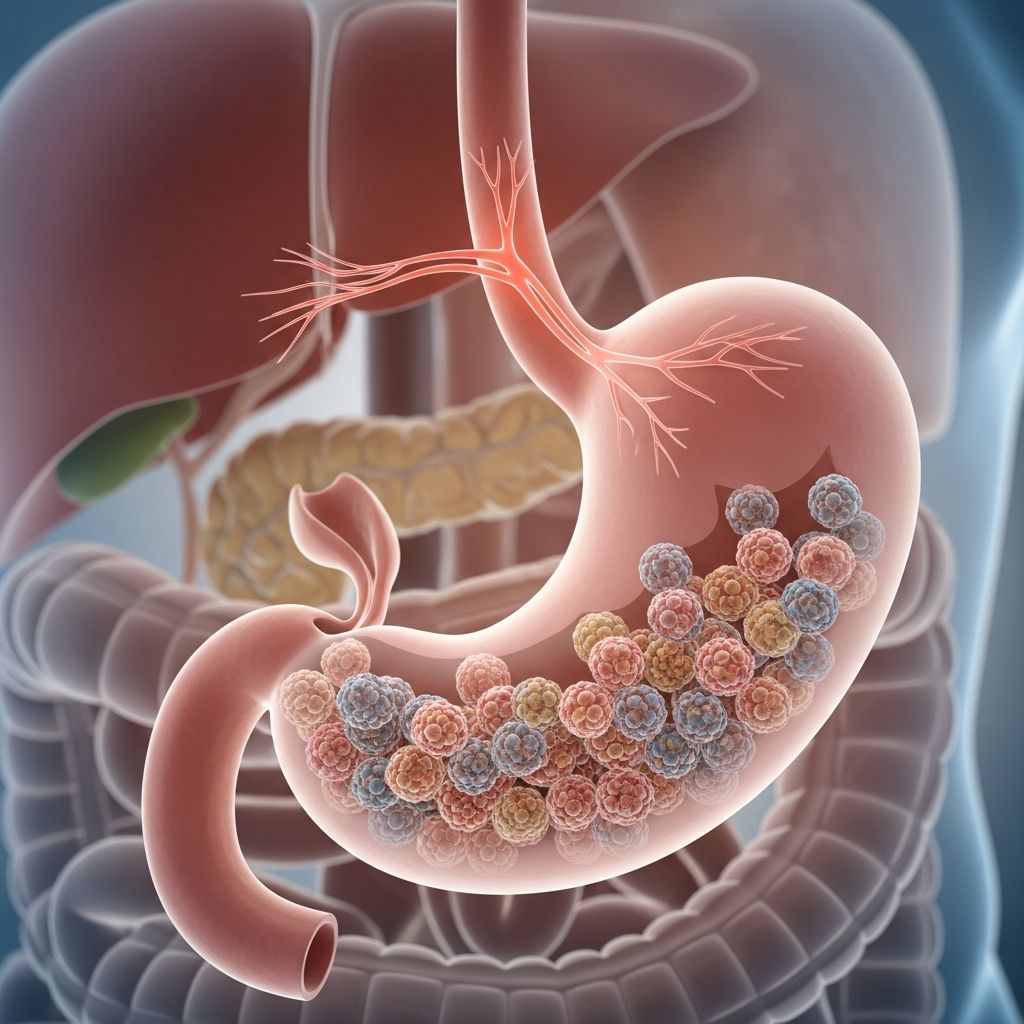
Gastroparesis, often called stomach paralysis, is a chronic motility disorder where the stomach empties food too slowly without any mechanical blockage, leading to symptoms like nausea, vomiting, bloating, early satiety, and abdominal pain.
What Is Gastroparesis?
Gastroparesis refers to delayed gastric emptying lasting at least three months in the absence of mechanical obstruction. The stomach’s muscles and nerves fail to contract properly, impairing peristalsis—the wave-like movements that push food into the small intestine. This results in food remaining in the stomach longer than normal, causing digestive distress and potential complications like malnutrition or blood sugar instability, especially in diabetics.
Normally, the stomach grinds food into small particles (less than 2 mm) through antral contractions and pyloric relaxation before releasing it to the duodenum. In gastroparesis, antral hypomotility (fewer than one contraction per minute post-meal) and impaired pyloric function disrupt this process, leading to food accumulation, bezoar formation (hardened food masses), and bacterial overgrowth.
Symptoms of Gastroparesis
Symptoms arise from food stagnation and vary in severity, impacting quality of life significantly. Common symptoms include:
- Nausea: Persistent queasiness, often the most frequent complaint.
- Vomiting: Undigested food from hours or days prior.
- Early satiety: Feeling full after small meals.
- Bloating and abdominal distension: Due to gas and retained food.
- Abdominal pain: Cramping or burning sensation.
- Heartburn and reflux: Acid escaping into the esophagus from distension.
- Weight loss: Unintentional from reduced intake.
- Erratic blood sugars: Particularly in diabetes, with delayed glucose absorption causing hypoglycemia followed by hyperglycemia.
Severe cases may lead to malnutrition, dehydration, or bezoars, requiring urgent care.
Causes of Gastroparesis
Gastroparesis stems from impaired gastric motility due to nerve or muscle damage. Causes are categorized as diabetic, idiopathic, post-surgical, or secondary.
| Type | Description | Prevalence |
|---|---|---|
| Diabetic | Nerve damage (vagopathy) from long-term high blood sugar, common in type 1 diabetes. | ~1/3 of cases |
| Idiopathic | Unknown cause, possibly viral aftermath or autoimmune; most common. | ~40% |
| Post-surgical | Vagus nerve injury from surgeries like fundoplication or bariatric procedures. | ~1/3 |
| Other | Medications (opioids, anticholinergics), infections (norovirus, rotavirus, COVID-19), scleroderma, Parkinson’s, hypothyroidism. | Rare |
Pathophysiology involves loss of interstitial cells of Cajal (pacemaker cells), neuronal damage, inflammation, and fibrosis in gastric layers.
Diagnosis of Gastroparesis
Diagnosis requires symptoms plus objective evidence of delayed emptying, ruling out obstruction via endoscopy.
Gold Standard: Gastric Emptying Scintigraphy
Patient eats a low-fat, egg-white meal with radioactive tracer; scans at 0, 1, 2, 4 hours measure retention. Delayed if >10% at 4 hours (normal: 60% emptied by 2 hours, 90% by 4).
- Wireless Motility Capsule: Measures emptying of solids/liquids via pH, pressure, impedance.
- Breath Tests: 13C-spirulina or octanoate tracks gastric emptying non-invasively.
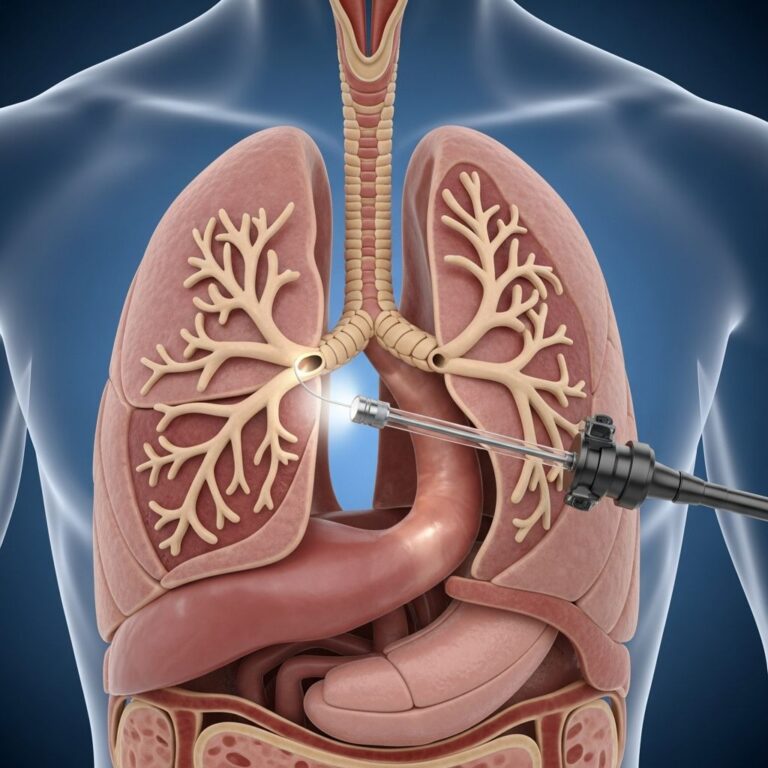
- Endoscopy/Upper GI Series: Exclude obstruction, check for bezoars.
- Manometry/SmartPill: Assess antral/pyloric function.
Histopathology from biopsies shows reduced ganglia, inflammation, and Cajal cell loss.
Treatment for Gastroparesis
Treatment is multidisciplinary, focusing on symptom relief, nutrition, glycemic control, and motility improvement. No cure exists; goals are symptom management and complication prevention.
Related Stories



Dietary Modifications
First-line: Small, frequent low-fat, low-fiber meals to ease emptying.
- Diet Progression: Liquid/pureed → soft solids → solid foods as tolerated.
- Avoid: Raw veggies, nuts, fatty meats, carbonated drinks.
- Posture: Upright eating/walking aids emptying.
Medications
Prokinetics: Enhance motility.
- Metoclopramide: Dopamine antagonist; 10 mg before meals (FDA black box for tardive dyskinesia).
- Domperidone: Similar efficacy, fewer CNS effects (not FDA-approved in US).
- Erythromycin: Motilin agonist; low-dose chronic use risks tachyphylaxis.
Antiemetics: Nausea control—ondansetron, prochlorperazine.
Pain/Depression: TCA like nortriptyline for visceral hypersensitivity.
Advanced Therapies
- Gastric Electrical Stimulation (GES): Pacemaker-like device for refractory cases; reduces nausea/vomiting.
- Botulinum Toxin: Pyloric injection relaxes sphincter (mixed evidence).
- Surgery: Pyloroplasty, gastrostomy for venting, feeding jejunostomy.
Diabetes Management
Tight glycemic control prevents progression; adjust insulin for delayed absorption.
Complications of Gastroparesis
Untreated gastroparesis risks:
- Malnutrition/Dehydration: Weight loss, vitamin deficiencies.
- Bezoars: Impacted food masses causing obstruction.
- Bacterial Overgrowth: SIBO leading to diarrhea, malabsorption.
- Gastroesophageal Reflux: Esophagitis, Barrett’s esophagus.
- Erratic Glycemic Control: Hypo/hyperglycemia in diabetics.
- Worsened Comorbidities: Poor oral intake exacerbates other conditions.
Living With Gastroparesis
Manage daily with:
- Diet diary tracking triggers.
- Hydration: Oral rehydration solutions.
- Exercise: Light post-meal activity.
- Stress reduction: Mindfulness, as anxiety worsens symptoms.
- Support: Gastroparesis communities, nutritionists.
Prognosis varies; some idiopathic cases resolve post-infection, diabetic may progress without control.
Frequently Asked Questions (FAQs)
What triggers gastroparesis flares?
High-fat/fibrous foods, infections, medications like opioids, stress, or poor diabetes control.
Can gastroparesis be cured?
Rarely; idiopathic post-viral may improve, but most require lifelong management.
Is gastroparesis life-threatening?
Complications like severe malnutrition or bezoars can be, but proactive care mitigates risks.
How does gastroparesis affect diabetes?
Delays glucose entry, causing unpredictable blood sugars and harder control.
What’s the best diet for gastroparesis?
Gastroparesis diet: low-fat, low-fiber, small frequent meals; consult a dietitian.
References
- Gastroparesis – StatPearls — Camilleri M, et al. National Center for Biotechnology Information (NCBI). 2023-10-01. https://www.ncbi.nlm.nih.gov/books/NBK551528/
- Gastroparesis Overview — Northwestern Medicine. 2024. https://www.nm.org/conditions-and-care-areas/gastroenterology/gastroparesis
- Gastroparesis: Symptoms, Causes, Diagnosis & Treatment — Cleveland Clinic. 2023-11-15. https://my.clevelandclinic.org/health/diseases/15522-gastroparesis
- Gastroparesis Overview — International Foundation for Gastrointestinal Disorders (IFFGD). 2021-01-01. https://iffgd.org/wp-content/uploads/565_Gastroparesis-Overview.pdf
- Gastroparesis – Symptoms and causes — Mayo Clinic. 2024-05-20. https://www.mayoclinic.org/diseases-conditions/gastroparesis/symptoms-causes/syc-20355787
Similar Articles








Read full bio of medha deb