Gastroparesis Symptoms: 10 Common Signs And Practical Steps
Understand the key symptoms of gastroparesis, from nausea and bloating to serious complications like malnutrition.
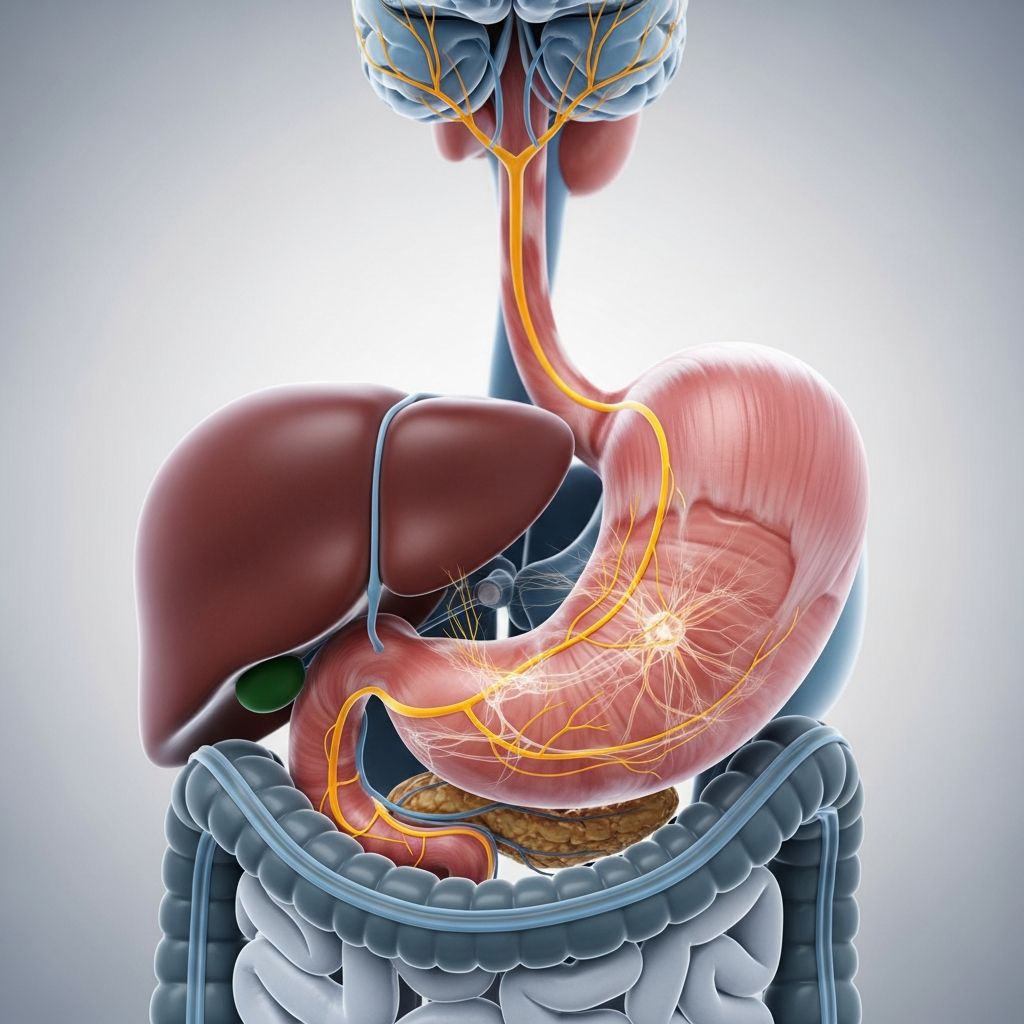
Gastroparesis is a chronic condition where the stomach muscles fail to properly empty food into the small intestine, leading to delayed gastric emptying without mechanical obstruction. This results in a range of uncomfortable digestive symptoms that can significantly impact daily life and nutrition.
What Is Gastroparesis?
Gastroparesis, often called delayed gastric emptying, occurs when the stomach’s peristaltic muscles do not function correctly, preventing food from moving efficiently into the small intestine. Normally, food leaves the stomach within 1-2 hours, mixing with digestive juices to form chyme before entering the intestines via wave-like contractions called peristalsis. In gastroparesis, this process is impaired, causing food to remain in the stomach for extended periods.
The condition affects digestion profoundly, leading to symptoms like nausea and bloating, and can complicate blood sugar control, especially in diabetics. It is diagnosed when symptoms persist for at least three months without obstruction. While not everyone experiences symptoms, those who do often report persistent discomfort that varies in severity.
Gastroparesis Symptoms
Symptoms of gastroparesis arise from food stagnation in the stomach and can fluctuate based on meal type, with fatty or carbonated foods often worsening them. Common signs include:
- Nausea: A hallmark symptom, often severe and linked to the degree of emptying delay.
- Vomiting: Frequently undigested food from hours earlier.
- Abdominal bloating and distention: Due to food buildup stretching the stomach.
- Early satiety: Feeling full after just a few bites.
- Abdominal pain: Upper belly discomfort, not always correlating with emptying severity.
- Acid reflux or heartburn: From stomach acid backing into the esophagus.
- Loss of appetite and weight loss: From prolonged fullness and aversion to eating.
- Belching and gas: Trapped air from slowed digestion.
- Changes in blood sugar levels: Unpredictable absorption, risky for diabetics.
- Constipation: Delayed overall digestion affecting bowels.
Symptoms may not always match the extent of delay; some with severe gastroparesis are asymptomatic, while others with mild cases suffer greatly. Idiopathic cases often feature more early satiety and pain, while diabetic cases emphasize nausea and vomiting.
Symptoms of Gastroparesis by Severity
Gastroparesis severity influences symptom intensity. Mild cases may cause occasional bloating, while severe ones lead to debilitating effects.
| Severity Level | Common Symptoms | Potential Impacts |
|---|---|---|
| Mild | Occasional nausea, bloating, early fullness | Minor diet adjustments needed |
| Moderate | Frequent vomiting, pain, reflux | Weight fluctuations, blood sugar issues |
| Severe | Constant vomiting, significant weight loss | Dehydration, malnutrition, hospitalization |
This table summarizes progression based on clinical observations.
Causes of Gastroparesis
Gastroparesis stems from disrupted stomach motility involving nerves, muscles, and the pyloric sphincter. Primary causes include:
- Diabetes: High blood sugar damages the vagus nerve, controlling stomach muscles; most common in type 1 or long-term type 2.
- Idiopathic: Unknown origin, possibly viral or autoimmune; 30-50% of cases.
- Postsurgical: Nerve damage from surgeries like fundoplication or bariatric procedures.
- Neurological disorders: Parkinson’s, multiple sclerosis affecting vagus nerve.
- Medications: Opioids, antidepressants slowing motility.
- Other: Hypothyroidism, scleroderma, or infections.
Nerve damage impairs peristalsis, leading to bacterial overgrowth and bezoar formation.
Gastroparesis Complications
Untreated gastroparesis can lead to serious issues:
- Dehydration and electrolyte imbalance: From repeated vomiting.
- Malnutrition: Inadequate calorie and nutrient intake.
- Bezoars: Hardened food masses blocking the intestine, potentially life-threatening.
- Weight loss: Unintended, severe in advanced cases.
- Blood sugar instability: Especially in diabetics.
- Bacterial overgrowth: Stagnant food promotes infections.
Related Stories



Chronic cases may require hospitalization for IV fluids and nutrition.
How Gastroparesis Is Diagnosed
Diagnosis begins with history and exam, ruling out obstruction via endoscopy. Key tests include:
- Gastric emptying scintigraphy: Gold standard; tracks radioactive food over 4 hours.
- SmartPill: Wireless motility capsule measuring emptying.
- Breath tests: Detects labeled meal digestion.
- Upper endoscopy: Excludes ulcers or blockages.
- Lab tests: Blood work for electrolytes, glucose, thyroid.
The Gastroparesis Cardinal Symptom Index (GCSI) quantifies symptoms like nausea and bloating.
Gastroparesis Treatment
No cure exists, but management relieves symptoms:
- Dietary changes: Small, low-fat, low-fiber meals; liquids if severe.
- Medications: Prokinetics like metoclopramide stimulate motility; antiemetics for nausea.
- Botulinum toxin: Injections into pylorus (limited evidence).
- Gastric electrical stimulation: Pacemaker-like device for refractory cases.
- Surgery: Pyloroplasty or feeding tubes for severe malnutrition.
Tailored to cause; diabetics focus on glycemic control.
Gastroparesis Diet Tips
Diet is cornerstone:
- Eat small, frequent meals (4-6 daily).
- Choose soft, low-fat foods: smoothies, soups, mashed potatoes.
- Avoid fiber-rich, fatty, or fizzy items.
- Chew thoroughly; stay upright post-meal.
- Consider liquid nutrition or jejunal feeding.
When to See a Doctor for Gastroparesis Symptoms
Seek care for persistent nausea, vomiting, unexplained weight loss, or blood sugar swings. Emergency if severe dehydration or bezoar suspected.
Frequently Asked Questions (FAQs)
What are the first signs of gastroparesis?
Early signs include nausea, bloating, and feeling full quickly after small meals.
Can gastroparesis be cured?
No cure, but symptoms manage well with diet, meds, and procedures.
Does gastroparesis cause weight gain or loss?
Typically loss from poor intake; gain rare.
Is gastroparesis life-threatening?
Complications like bezoars or malnutrition can be if unmanaged.
How does diabetes cause gastroparesis?
High sugars damage vagus nerve, impairing stomach motility.
References
- Gastroparesis – Symptoms and causes — Mayo Clinic. 2023-10-28. https://www.mayoclinic.org/diseases-conditions/gastroparesis/symptoms-causes/syc-20355787
- Gastroparesis — American College of Gastroenterology. 2024-01-15. https://gi.org/topics/gastroparesis/
- Gastroparesis: Symptoms, Causes, Diagnosis & Treatment — Cleveland Clinic. 2024-05-10. https://my.clevelandclinic.org/health/diseases/15522-gastroparesis
- Gastroparesis – StatPearls — NCBI Bookshelf / NIH. 2023-07-17. https://www.ncbi.nlm.nih.gov/books/NBK551528/
- Gastroparesis caused by damaged nerves delaying digestion — UCLA Health. 2023-02-14. https://www.uclahealth.org/news/article/gastroparesis-caused-damaged-nerves-delaying-digestion
- What is Gastroparesis? — AdventHealth. 2024-03-22. https://www.adventhealth.com/hospital/adventhealth-hendersonville/blog/what-gastroparesis
Similar Articles








Read full bio of Sneha Tete