Gastroparesis Treatment: Options and Management
Comprehensive guide to treating gastroparesis: dietary, medical, and surgical approaches.
Understanding Gastroparesis Treatment
Gastroparesis is a condition characterized by delayed gastric emptying, where the stomach muscles are either damaged or weak, preventing food from moving efficiently into the small intestine. This condition can cause significant discomfort, including nausea, vomiting, bloating, pain, and early satiety. The good news is that multiple treatment approaches are available, ranging from dietary modifications to advanced surgical interventions. Treatment selection depends on the severity of symptoms, the underlying cause, and the patient’s response to initial therapies.
Dietary Management and Lifestyle Modifications
Dietary therapy is typically the first line of treatment for gastroparesis. Making specific changes to eating habits can significantly reduce symptoms and improve gastric emptying rates. The gastroparesis diet focuses on consuming foods that are easier for the stomach to process and move through the digestive tract.
Key Dietary Recommendations
Patients with gastroparesis should follow these dietary guidelines:
- Eat small, frequent meals (5-6 meals per day) rather than three large meals
- Consume low-fiber foods that are easier to digest
- Choose low-residue foods that leave minimal undigested material
- Avoid high-fat foods, which slow gastric emptying
- Limit carbonated beverages and caffeine
- Stay hydrated with adequate fluid intake between meals
- Consider liquid or pureed foods if solid foods are not tolerated
Foods that are generally well-tolerated include skinless chicken, fish, eggs, low-fat dairy products, refined grains, canned fruits without skin, and cooked vegetables without skin. Keeping a food diary can help identify which foods trigger symptoms and which are better tolerated.
Medical Therapy and Medications
When dietary modifications alone are insufficient, medications can help improve gastric motility and manage symptoms. Several classes of drugs have been shown to be effective in treating gastroparesis.
Prokinetic Medications
Metoclopramide is the most widely used medication for gastroparesis treatment. This drug works by blocking dopamine receptors and enhancing acetylcholine effects, which strengthens stomach muscle contractions and promotes gastric emptying. Metoclopramide also helps reduce nausea and vomiting. It is typically taken 30 minutes before meals.
Other prokinetic agents may be prescribed depending on individual circumstances and geographic availability. These medications work through various mechanisms to enhance stomach muscle function and facilitate food movement.
Anti-emetic Medications
For patients whose primary concern is nausea and vomiting rather than delayed emptying, anti-emetic medications may be recommended. These drugs help control the sensation of nausea even when gastric emptying rates remain unchanged.
Important Medication Considerations
Certain medications and therapies should be avoided or used with caution in gastroparesis patients:
- Incretin-based diabetes therapies such as GLP-1 agonists and DPP4 inhibitors can delay gastric emptying and should be avoided
- Pramlintide, used for diabetes management, may worsen gastroparesis symptoms
- Narcotic pain medications can significantly impair gastric motility
Endoscopic Procedures
For patients who do not respond adequately to dietary modifications and medications, endoscopic therapies offer minimally invasive options that can provide symptom relief without major surgery.
Related Stories



G-POEM Procedure
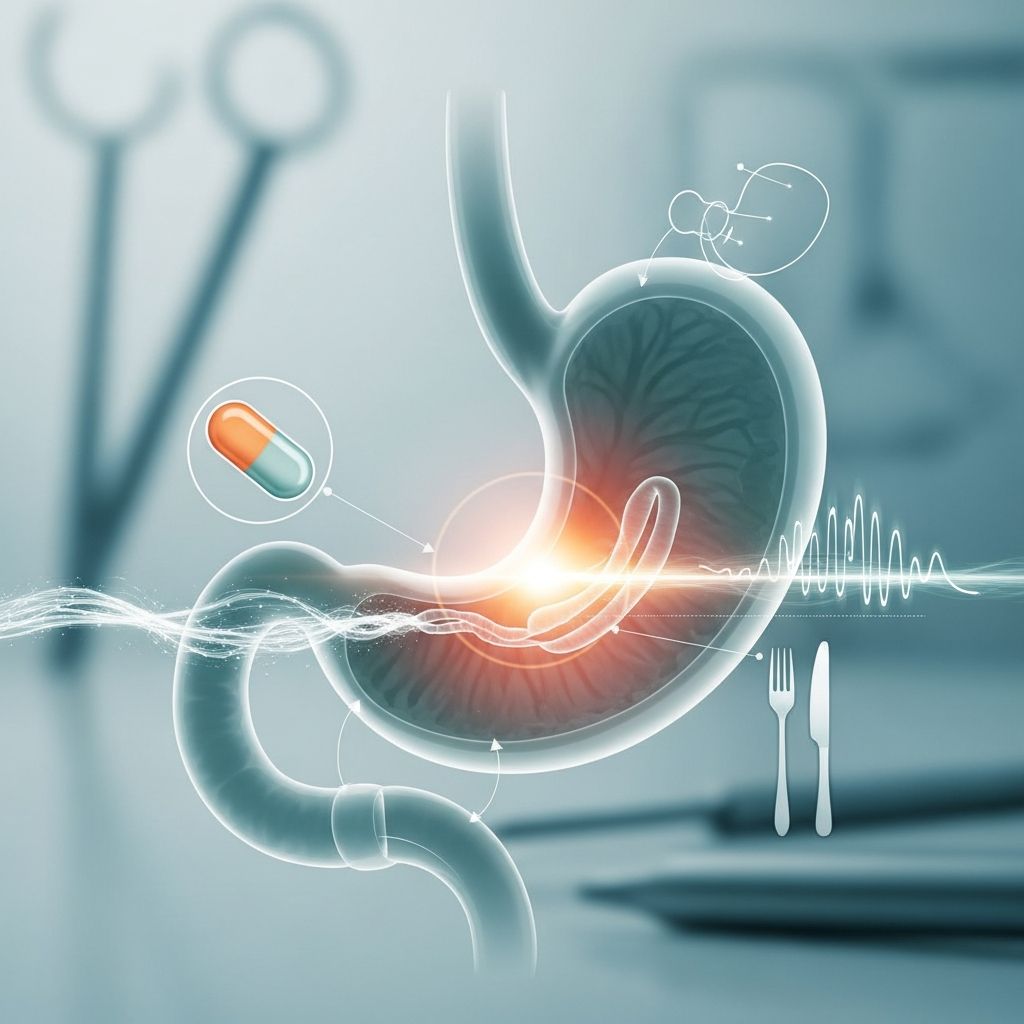
Gastric Per-Oral Endoscopic Myotomy (G-POEM) is an advanced endoscopic procedure that has shown promising results for gastroparesis treatment. During this procedure, an endoscope is passed through the mouth to access the stomach. The physician then carefully cuts the pyloric sphincter muscle, which is the muscular ring that controls the opening between the stomach and small intestine. In gastroparesis patients, this muscle is often too tight, preventing food from moving forward. By carefully incising these muscles, the procedure facilitates improved gastric emptying.
The G-POEM procedure is performed under sedation and typically requires overnight hospital observation for monitoring. Most patients can begin eating soft foods the following day and advance to a normal diet within 10 days. Clinical cases have demonstrated significant symptom improvement, with patients experiencing relief from pain, nausea, and bloating, and regaining the ability to consume normal meals.
Other Endoscopic Pyloric Therapies
Additional endoscopic treatments may be available depending on individual patient factors and institutional capabilities. These therapies work by modifying pyloric function to improve gastric emptying without requiring traditional surgery.
Surgical Treatment Options
For patients who remain symptomatic despite medical management and endoscopic interventions, surgical treatments may be considered.
Gastric Electric Stimulator Placement
One surgical option involves the placement of a gastric electric stimulator, also known as a gastric pacemaker. This device is surgically implanted and works by delivering electrical impulses to the stomach muscles, promoting more coordinated contractions that facilitate food movement. This approach can be effective for certain patients who have not responded to other treatments.
Surgical Drainage Procedures
In cases where other treatments have failed, various surgical procedures may be performed to improve gastric drainage. These procedures create alternative pathways for food to move from the stomach into the small intestine, bypassing the obstructed pyloric region.
Treatment Approach by Severity
Treatment selection typically follows a stepped approach based on symptom severity and treatment response:
| Treatment Level | Approach | Timing |
|---|---|---|
| First-Line | Dietary modifications and lifestyle changes | Initial management |
| Second-Line | Prokinetic medications and anti-emetics | When diet alone insufficient |
| Third-Line | Endoscopic procedures (G-POEM, pyloric therapies) | Refractory to medical therapy |
| Fourth-Line | Surgical interventions (gastric stimulator, drainage) | Failed endoscopic/medical treatment |
Alternative and Complementary Therapies
Research has explored additional treatment modalities that may complement conventional approaches. Studies have demonstrated that acupuncture can help relieve gastroparesis symptoms in some patients. This traditional medicine approach works through different mechanisms than Western medicine, potentially helping restore digestive function through targeted needle placement. While more research is needed, acupuncture may be considered as an adjunct therapy for symptom management in patients seeking additional relief options.
Managing Underlying Conditions
Since diabetes is a significant cause of gastroparesis, proper blood sugar control is essential for managing the condition. Maintaining optimal glycemic control may help prevent disease progression and improve treatment outcomes. Patients with diabetes-related gastroparesis should work closely with their healthcare providers to ensure their diabetes medications are optimized and are not inadvertently worsening gastroparesis symptoms.
Frequently Asked Questions
Q: How long does it take for gastroparesis treatment to work?
A: Treatment timelines vary depending on the approach. Dietary changes may show benefits within days to weeks. Medications typically take several weeks to demonstrate their full effect. Endoscopic procedures like G-POEM can provide rapid symptom relief, with patients often tolerating normal diets within 10 days post-procedure.
Q: Can gastroparesis be cured?
A: Gastroparesis management depends on its underlying cause. While some cases may improve with treatment, the goal is typically symptom management and improved quality of life rather than complete cure. Proper treatment allows many patients to resume normal eating patterns and eliminate symptoms.
Q: What should I do if medications are not helping?
A: If initial medical therapy is ineffective, discuss endoscopic options with your gastroenterologist. Procedures like G-POEM have shown promising results for medication-resistant cases. Your physician can evaluate whether you are a candidate for these advanced treatments.
Q: Are there dietary supplements that help with gastroparesis?
A: While certain supplements are marketed for digestive health, evidence for their effectiveness in gastroparesis is limited. Always consult your healthcare provider before starting supplements, as some may interfere with medications or worsen symptoms.
Q: How often should I see my doctor if I have gastroparesis?
A: Follow-up frequency depends on treatment response and disease severity. Initially, regular monitoring is important to assess medication effectiveness and symptom control. Once stable, periodic check-ups ensure continued management and allow for treatment adjustments if symptoms change.
Q: Can stress affect gastroparesis symptoms?
A: Yes, stress can exacerbate gastroparesis symptoms. Stress management techniques such as relaxation exercises, meditation, and counseling may help improve symptom control alongside medical treatment.
References
- G-POEM Procedure for Gastroparesis — Johns Hopkins Medicine. 2018-03-09. https://www.hopkinsmedicine.org
- Investigational Drug Therapies for the Treatment of Gastroparesis — Sanger, G. J., & Pasricha, P. J. Expert Opinion on Investigational Drugs. 2017-03. https://pubmed.ncbi.nlm.nih.gov/28127997/
- Acupuncture as Adjunctive Therapy in Gastroparesis Management — Johns Hopkins Center for Integrative Medicine. 2016. https://www.hopkinscim.org
Similar Articles








Read full bio of Sneha Tete