Gaviscon Infant: Dosage, Safety, And Evidence For Baby Reflux
Discover how Gaviscon Infant helps manage reflux in babies, its mechanism, usage guidelines, and what parents need to know for safe administration.
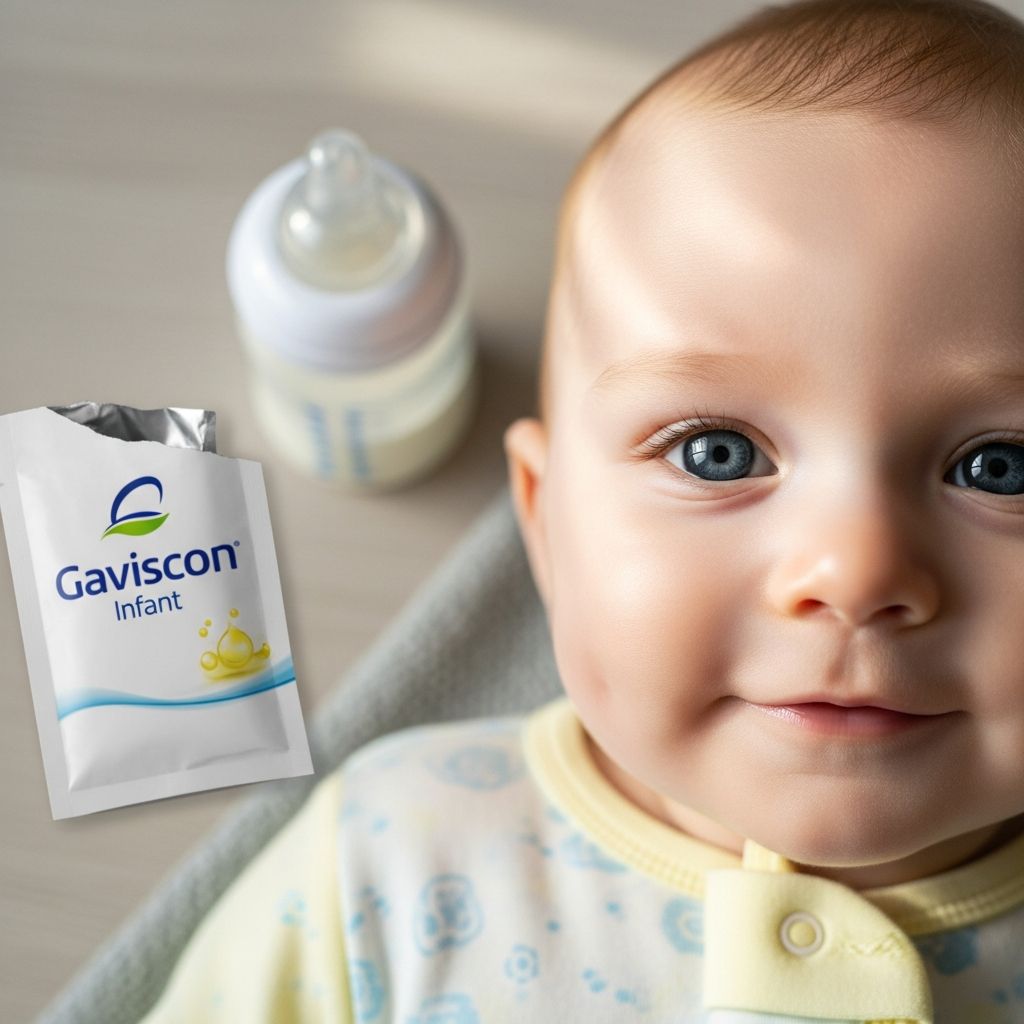
Gaviscon Infant is a specialized powder formulation designed to alleviate discomfort from gastro-oesophageal reflux and regurgitation in young children. By creating a floating gel barrier in the stomach, it helps prevent stomach contents from rising back into the oesophagus, offering targeted relief for a common infant issue.
Understanding Reflux in Infants
Reflux, or gastro-oesophageal reflux (GOR), occurs when the lower oesophageal sphincter—the muscle ring that keeps stomach contents in place—is immature or relaxes inappropriately. This allows milk or food to flow back up, leading to spitting up, discomfort, or more severe symptoms. In babies, this affects up to half of all infants, often peaking between 1-4 months.
Symptoms vary but commonly include frequent vomiting after feeds, irritability during or after eating, arching of the back, poor weight gain, and disrupted sleep. Silent reflux, where no visible spit-up occurs but acid irritates the throat, can cause excessive crying, hiccups, or feeding refusal without obvious regurgitation.
- Frequent possetting or vomiting post-feeding
- Crying or fussiness linked to meals
- Failure to thrive or slow weight gain
- Breathing issues or wheezing in severe cases
- Sleep disturbances due to discomfort
While most cases resolve by 12-18 months as the digestive system matures, persistent symptoms warrant intervention to prevent complications like oesophageal inflammation or growth delays.
How Gaviscon Infant Functions in the Body
The active components—sodium alginate (225 mg) and magnesium alginate (87.5 mg) per sachet—react with stomach acid to form a thick, viscous raft. This gel-like structure floats atop the gastric contents, acting as a physical barrier against reflux episodes. Unlike antacids that neutralize acid, Gaviscon’s mechanism is primarily mechanical, stabilizing stomach activity without altering pH significantly.
This raft reduces regurgitation frequency, with studies noting up to a two-thirds decrease in spit-up incidents. For formula-fed babies, it also aids nutrient retention by minimizing milk loss, supporting better growth in those prone to failure to thrive.
| Component | Amount per Sachet | Role |
|---|---|---|
| Sodium Alginate | 225 mg | Forms the primary gel matrix |
| Magnesium Alginate | 87.5 mg | Enhances raft stability and buoyancy |
Derived from seaweed, alginates are inert and pass through the system without systemic absorption, making them suitable for short-term infant use.
Appropriate Age Groups and Dosing Guidelines
Gaviscon Infant is approved for children aged 1-2 years. For infants under 1 year or premature babies, use only under medical supervision due to risks like over-thickening feeds.
- Infants under 4.5 kg: One sachet per feed, mixed into at least 115 mL formula or cool boiled water (for breastfed babies).
- Infants over 4.5 kg: Two sachets per feed, mixed into at least 225 mL formula or water.
- Maximum: 6 doses in 24 hours.
Related Stories



Preparation involves tearing the sachet, emptying the powder into a sterile bottle with the required liquid volume, shaking vigorously for 10-20 seconds until dissolved, then feeding immediately. For breastfeeding, mix with 15 mL water and administer via syringe post-feed.
Always consult a healthcare provider for personalized dosing, especially if combining with other therapies.
Safe Preparation and Administration Methods
Proper mixing ensures efficacy and safety. Use room-temperature liquids to avoid clumping; shake thoroughly to create a uniform suspension. Administer during or right after feeds to coat the stomach contents effectively.
- Measure feed volume accurately.
- Add powder directly to bottle or small volume of water.
- Secure lid and shake until no lumps remain.
- Feed baby promptly to prevent settling.
Avoid using with thickened formulas, human milk fortifiers (especially for preemies under 34 weeks), or during gastroenteritis, as it may exacerbate blockages or cause excessive thickening.
Potential Side Effects and Risks
Gaviscon Infant is generally well-tolerated, with rare side effects. Occasional constipation may occur due to its thickening properties. Overdose risks are low but can lead to abdominal discomfort; treat symptomatically.
- Constipation (mild, resolves on discontinuation)
- Flatulence or bloating
- Rare allergic reactions (rash, swelling)
Monitor for worsening symptoms beyond 7 days, weight loss, blood in vomit, or feeding refusal—these require immediate medical review.
Scientific Evidence on Effectiveness
Clinical data shows mixed results. Some reports indicate significant reflux reduction, aiding weight gain in vomiting-prone babies. However, a double-blind impedance/pH study in 20 infants found no significant difference in reflux events/hour (1.58 vs 1.68), acid exposure, or clearance time compared to placebo, though reflux height was slightly lower.
Guidelines note limited evidence overall, positioning it as an adjunct rather than first-line for all cases. ESPGHAN recommends caution in neonates. It excels in visible regurgitation but less so in silent reflux or motility issues.
Precautions and When to Avoid Use
Contraindications include intestinal obstruction risk, swallowing difficulties, or concurrent thickener use. Not for neonates without supervision. Discontinue if symptoms persist or worsen.
| Do Use If | Avoid If |
|---|---|
| Confirmed reflux symptoms | Suspected bowel obstruction |
| Under medical advice <1 year | Using feed thickeners |
| 1-2 years old | Gastroenteritis active |
Complementary Strategies for Reflux Management
Pair Gaviscon with lifestyle adjustments: smaller, frequent feeds; upright positioning post-meal (20-30 minutes); thickened feeds if tolerated; and burping frequently. Elevate crib head cautiously per pediatric advice. Probiotics or dietary changes (for breastfed) may help some.
Frequently Asked Questions (FAQs)
Can Gaviscon Infant be used for breastfed babies?
Yes, mix one or two sachets with 15 mL cool boiled water and give via spoon or syringe after breastfeeding.
Is Gaviscon Infant sugar-free?
Yes, it contains no sugar, making it suitable for dental health and diabetics if applicable.
How quickly does it work?
Relief often starts within feeds, with reduced regurgitation noticeable after 1-2 doses, though full benefits may take days.
What if my baby is under 1 year?
Consult a doctor; it’s not for routine use in this group.
Does it cause dependency?
No, it’s for short-term symptom relief; taper as reflux improves naturally.
Consulting Healthcare Professionals
Always discuss with a pediatrician before starting, especially for persistent or severe reflux. They can rule out allergies, cow’s milk protein intolerance, or other causes mimicking reflux. Regular growth checks ensure interventions support development.
References
- Does Gaviscon Infant Cure Reflux in Babies? — The Baby Reflux Lady. 2023. https://www.thebabyrefluxlady.co.uk/blog/infant-baby-gaviscon
- Gaviscon Infant Sachets — Gaviscon Australia. 2024. https://www.gaviscon.com.au/products/gaviscon-infant-sachets/
- Gaviscon Infant Sachets — Gaviscon UK. 2024. https://www.gaviscon.co.uk/products/gaviscon-infant-sachets/
- Gaviscon Infant Sachets – Summary of Product Characteristics — Medicines.org.uk (MHRA). 2024-02-01. https://www.medicines.org.uk/emc/product/6581/smpc
- Clinical Guideline: Use of Infant Gaviscon in Neonates — EOE Neonatal PCCSIC Network (NHS). 2025-06. https://eoeneonatalpccsicnetwork.nhs.uk/wp-content/uploads/2025/06/Gaviscon-Guideline.pdf
- Effect of Gaviscon Infant on gastro-oesophageal reflux — PMC (NCBI). 2004-10-22. https://pmc.ncbi.nlm.nih.gov/articles/PMC1720405/
- Gaviscon for gastro-oesophageal reflux disease — Medicines for Children (RCPCH). 2023. https://www.medicinesforchildren.org.uk/medicines/gaviscon-for-gastro-oesophageal-reflux-disease/
Similar Articles








Read full bio of medha deb