Gay And Bisexual Men’s Health: Essential Guide For 2025
Understanding unique health challenges and disparities affecting gay and bisexual men in America.
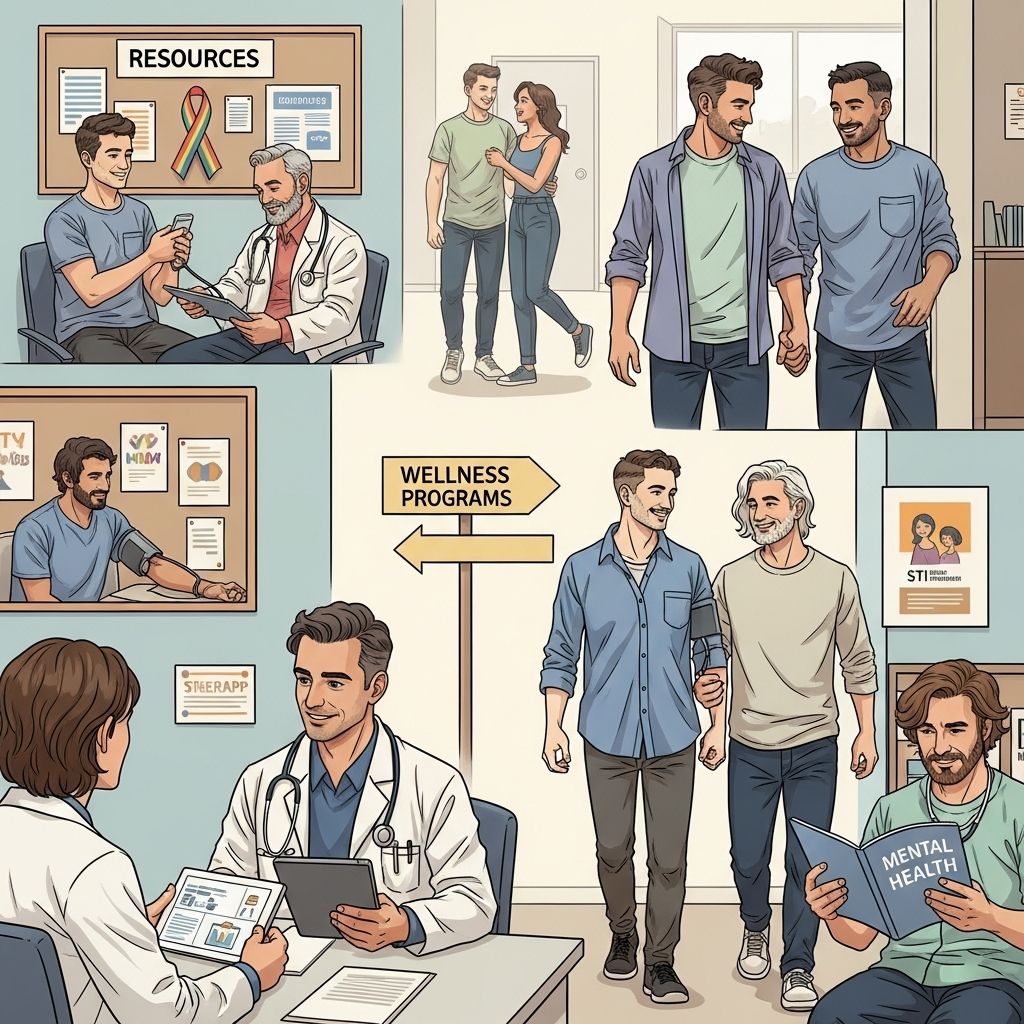
Understanding Gay and Bisexual Men’s Health Issues
Gay and bisexual men face unique and often overlooked health challenges that differ from the general male population. These health disparities stem from a combination of biological factors, behavioral patterns, social determinants, and healthcare access barriers. Understanding these issues is essential for both individuals and healthcare providers to ensure appropriate screening, prevention, and treatment strategies.
Research demonstrates that sexual minority men experience higher prevalence rates of certain physical health conditions compared to heterosexual men. A comprehensive systematic review found that gay and bisexual men were significantly more likely to suffer from chronic respiratory diseases, particularly asthma, with rates nearly 50% higher than heterosexual men. Additionally, evidence supports higher prevalence of chronic kidney diseases, headache disorders, and hepatitis B and C infections among gay and bisexual men. These disparities highlight the importance of tailored healthcare approaches and increased awareness among both patients and providers.
Physical Health Disparities
Physical health disparities among gay and bisexual men encompass a range of conditions that require targeted prevention and management strategies. Understanding these specific health risks enables individuals to take proactive steps in their healthcare decisions.
Respiratory and Chronic Diseases
Asthma represents one of the most significant physical health disparities among sexual minority men. Gay and bisexual men experience substantially higher rates of asthma diagnosis and symptoms compared to heterosexual men. Multiple factors contribute to this increased prevalence, including higher smoking rates among some segments of this population, exposure to environmental triggers, and potential psychosocial stress-related immune responses. Additionally, gay and bisexual men show increased susceptibility to chronic kidney disease, which may be related to lifestyle factors, healthcare access barriers, or undiagnosed hypertension.
Cardiovascular Health Concerns
Bisexual men, in particular, demonstrate higher rates of cardiovascular disease compared to both gay men and heterosexual men. This disparity may be influenced by higher prevalence of smoking, increased stress levels, and delayed healthcare seeking. Preventive measures including regular cardiovascular screening, blood pressure monitoring, and lifestyle modifications such as exercise and healthy diet are crucial for reducing cardiovascular risk in this population.
Infectious Disease Risk
Hepatitis B and C infections occur at elevated rates among gay and bisexual men, reflecting both behavioral risk factors and historical transmission patterns within communities. Vaccination against hepatitis A and B is strongly recommended for all gay and bisexual men who have not previously been immunized. Regular screening for hepatitis C is also important, particularly for those with potential exposure risks.
Sexual Health and STI Prevention
Sexual health represents a critical area where gay and bisexual men face distinct challenges and require specialized preventive strategies. Understanding transmission risks and available prevention tools is essential for maintaining sexual health.
HIV Prevention and Treatment
HIV prevention remains a paramount concern for gay and bisexual men. Pre-exposure prophylaxis (PrEP) represents a revolutionary prevention strategy that significantly reduces the risk of HIV infection when taken consistently. However, awareness of PrEP remains concerningly low within the community. Research indicates that approximately 60% of gay and bisexual men are unaware that PrEP could substantially reduce their HIV infection risk. This knowledge gap represents a critical public health challenge, as PrEP access and awareness are essential components of comprehensive HIV prevention strategies.
Related Stories



For individuals living with HIV, modern antiretroviral therapy enables undetectable viral loads, which means the virus cannot be sexually transmitted to partners (undetectable equals untransmittable, or U=U). This breakthrough has transformed HIV from a terminal diagnosis to a manageable chronic condition, yet stigma and misinformation continue to affect treatment engagement and disclosure.
Other Sexually Transmitted Infections
Gay and bisexual men experience higher rates of many sexually transmitted infections, including gonorrhea, chlamydia, syphilis, and human papillomavirus (HPV). Regular STI screening is recommended for sexually active gay and bisexual men, particularly those with multiple partners or those not in mutually monogamous relationships. Barrier protection methods, including condoms, remain effective prevention strategies. HPV vaccination is recommended for all men up to age 26, and may be considered for some older men, as vaccination can prevent several types of cancer.
Barriers to Sexual Health Care
Multiple barriers prevent gay and bisexual men from accessing appropriate sexual health services. These include fear of STI testing, difficulty finding providers who are knowledgeable and affirming of LGBTQ+ identities, lack of clear health communication about sexual health risks, and concerns about confidentiality. Healthcare providers must create welcoming environments, use inclusive language, and provide non-judgmental care to encourage preventive health-seeking behavior.
Mental Health Challenges
Mental health disparities represent one of the most significant yet often underaddressed health issues affecting gay and bisexual men. These populations experience higher rates of depression, anxiety, substance use disorders, and suicidal ideation compared to heterosexual men.
Depression and Anxiety
Gay and bisexual men face elevated rates of depression and anxiety disorders, driven by factors including discrimination, stigma, minority stress, social isolation, and internalized homophobia. Coming out experiences, relationship challenges, and discrimination in workplace and social settings can substantially impact mental health. Access to affirming mental health professionals who understand the unique stressors facing sexual minority men is critical for effective treatment.
Substance Use and Addiction
Substance use disorders occur at higher rates among gay and bisexual men, sometimes serving as a coping mechanism for stress, depression, and social rejection. Club drugs, alcohol, and other substances may be used within social or sexual contexts. Comprehensive substance abuse treatment programs that are LGBTQ+-affirming and address underlying trauma and mental health conditions are essential for supporting recovery.
Suicide Prevention
Gay and bisexual men face significantly elevated suicide risk compared to heterosexual men. This increased risk is associated with experiences of discrimination, rejection by family and communities, mental health challenges, and social isolation. Suicide prevention initiatives must include access to mental health services, crisis hotlines, peer support networks, and community-based interventions that reduce isolation and build resilience.
Cancer Risk and Screening
Gay and bisexual men face elevated risks for several cancer types, necessitating heightened awareness and screening protocols. Anal cancer risk is substantially elevated among gay and bisexual men, particularly those with a history of HPV infection or HIV. The introduction of HPV vaccines has created opportunities for prevention. Gay men also experience higher rates of certain other cancers compared to heterosexual men.
Regular screening appropriate to individual risk factors is important. This includes awareness of anal cancer symptoms and screening recommendations, as well as standard cancer screenings including prostate cancer screening discussions, colorectal cancer screening, and skin cancer surveillance. Healthcare providers should discuss individualized screening strategies based on personal and family history.
Barriers to Healthcare Access
Despite significant health disparities, gay and bisexual men face substantial barriers to accessing appropriate, affirming healthcare. These structural and interpersonal barriers significantly impact health outcomes and disease prevention.
Provider Knowledge and Competence
Many healthcare providers lack specific training in sexual minority health issues, resulting in inadequate screening, misdiagnosis, or inappropriate treatment recommendations. Gay and bisexual men often encounter providers who are unfamiliar with their specific health risks, prevention needs, and psychosocial circumstances. Increasing provider education about sexual minority health is essential for improving healthcare quality.
Stigma and Discrimination
Perceived and experienced discrimination within healthcare settings creates substantial barriers to care seeking. Gay and bisexual men may delay or avoid healthcare due to fear of judgment, prior negative experiences, or concerns about confidentiality. Creating inclusive, affirming healthcare environments requires explicit anti-discrimination policies, inclusive intake forms that allow patients to disclose sexual identity and relationship status, and ongoing staff training.
Insurance and Financial Access
Financial barriers including insurance gaps, high out-of-pocket costs, and limited access to LGBTQ+-competent providers affect healthcare access. Underinsured or uninsured gay and bisexual men may delay preventive care or treatment, leading to more advanced disease at diagnosis. Advocacy for inclusive insurance coverage and expanding community health resources is essential.
Preventive Health Recommendations
Comprehensive preventive care strategies tailored to the specific health risks of gay and bisexual men are essential for optimizing health outcomes.
Vaccinations
All gay and bisexual men should ensure they have received recommended vaccinations including:
– Hepatitis A and B (or combination vaccine)- HPV vaccine (ages 18-26 recommended; ages 27-45 may be considered)- Influenza (annual)- COVID-19 (with boosters as recommended)- Meningococcal vaccines- Mpox vaccine (for those at higher risk)
Screening Recommendations
Regular health screenings should include:
– Annual STI screening for sexually active individuals- Regular blood pressure monitoring- Cholesterol screening at age 35 or earlier if risk factors present- Prostate cancer screening discussions beginning at age 40-50- Colorectal cancer screening beginning at age 45- Mental health screening for depression and anxiety- Substance use screening- Skin cancer surveillance
Behavioral Health Strategies
Maintaining sexual and overall health includes practicing safer sex through consistent condom use, regular STI testing, maintaining open communication with sexual partners, avoiding substance use that impairs judgment, and seeking prompt treatment for any infections or health concerns. Engaging in regular physical activity, maintaining healthy diet, limiting alcohol consumption, and avoiding smoking all contribute to better health outcomes.
Building Affirming Healthcare Relationships
Developing strong relationships with healthcare providers who understand and affirm sexual identity is crucial for optimal health management. When seeking healthcare, gay and bisexual men should:
– Seek providers who explicitly welcome LGBTQ+ patients- Disclose sexual identity and relevant sexual behaviors to enable appropriate screening and care- Ask questions about provider experience with sexual minority health- Report discrimination or inappropriate care- Build healthcare teams including primary care, mental health, and sexual health specialists
Community Resources and Support
Numerous organizations provide resources, support, and advocacy specifically addressing gay and bisexual men’s health. These include community health centers offering LGBTQ+-affirming care, support groups addressing specific health conditions or mental health challenges, peer mentorship programs, and advocacy organizations working to reduce health disparities. Connecting with these resources can provide both practical health information and emotional support from others with shared experiences.
Frequently Asked Questions
Q: What is PrEP and how effective is it?
A: Pre-exposure prophylaxis (PrEP) is a daily medication containing antiretroviral drugs that significantly reduces the risk of HIV infection when taken consistently, even with condomless sex. When taken as prescribed, PrEP is over 99% effective at preventing HIV transmission. It is recommended for gay and bisexual men at higher risk of HIV exposure.
Q: How often should sexually active gay and bisexual men get STI testing?
A: Annual STI testing is recommended for all sexually active gay and bisexual men. Those with multiple partners or those not in mutually monogamous relationships may benefit from more frequent testing (every 3-6 months). Testing frequency should be individualized based on risk behaviors and sexual practices.
Q: Why do gay and bisexual men have higher rates of mental health conditions?
A: Higher rates of depression, anxiety, and other mental health conditions among gay and bisexual men are primarily driven by minority stress, including experiences of discrimination, stigma, social rejection, and internalized homophobia, rather than sexual orientation itself. Creating supportive social environments and accessing affirming mental health care can significantly improve outcomes.
Q: What is the HPV vaccine and who should receive it?
A: HPV vaccines prevent infection with human papillomavirus types that cause various cancers including anal cancer and other malignancies. HPV vaccination is recommended for all gay and bisexual men through age 26, and may be considered for older men through age 45. Vaccination is most effective when given before sexual debut but can benefit sexually active individuals.
Q: How can I find LGBTQ+-affirming healthcare providers?
A: Several directories and resources can help locate affirming providers, including LGBTQ+ community health centers, online provider directories that allow filtering by LGBTQ+ competency, referrals from community organizations and support groups, and recommendations from other members of the gay and bisexual community.
Q: What should I discuss with my healthcare provider about sexual health?
A: Open communication with healthcare providers about sexual practices, number of partners, barrier method use, history of STIs, and substance use during sexual activity enables appropriate screening and prevention recommendations. Providers need this information to identify risks and recommend suitable testing and preventive strategies.
References
- Higher Risk of Many Physical Health Conditions in Sexual Minority Men: Comprehensive Systematic Review and Meta-Analysis in Gay- and Bisexual-Identified Compared with Heterosexual-Identified Men — LGBT Health Journal. 2023. https://www.liebertpub.com/doi/10.1089/lgbt.2023.0084
- Sexual Behavior Stigma Among Cisgender Gay, Bisexual, and Other Men Who Have Sex With Men — U.S. Centers for Disease Control and Prevention. 2025. https://pubmed.ncbi.nlm.nih.gov/39935519/
- Most Gay Men Are Not Aware of Treatment To Protect Them From HIV — Johns Hopkins Bloomberg School of Public Health. 2016. https://publichealth.jhu.edu/2016/most-gay-men-are-not-aware-of-treatment-to-protect-them-from-hiv
- Young Sexual Minority Men and Transgender Women Are at Higher Risk of Transactional Sex — Johns Hopkins Medicine Center for AIDS Research. 2023. https://hopkinscfar.org/news-events/news/P230/news.detail/60-percent-of-gay-and-bisexual-men-arent-aware-prep-could-save-their-life
- Johns Hopkins Researchers Identify Barriers to Young Men’s Sexual and Reproductive Health — Johns Hopkins University. 2017. https://www.news-medical.net/news/20170110/Johns-Hopkins-researchers-identify-barriers-to-young-mens-sexual-and-reproductive-health.aspx
- Health Disparities Affecting Gay and Bisexual Men in the United States — Johns Hopkins University Academic Affairs. 2024. https://pure.johnshopkins.edu/en/publications/unequal-opportunity-health-disparities-affecting-gay-and-bisexual/
Similar Articles








Read full bio of Sneha Tete