Gefitinib Tablets (Iressa): Uses, Dosage & Side Effects
Complete guide to Gefitinib (Iressa): mechanism, dosage, side effects, and treatment information for lung cancer.
What is Gefitinib (Iressa)?
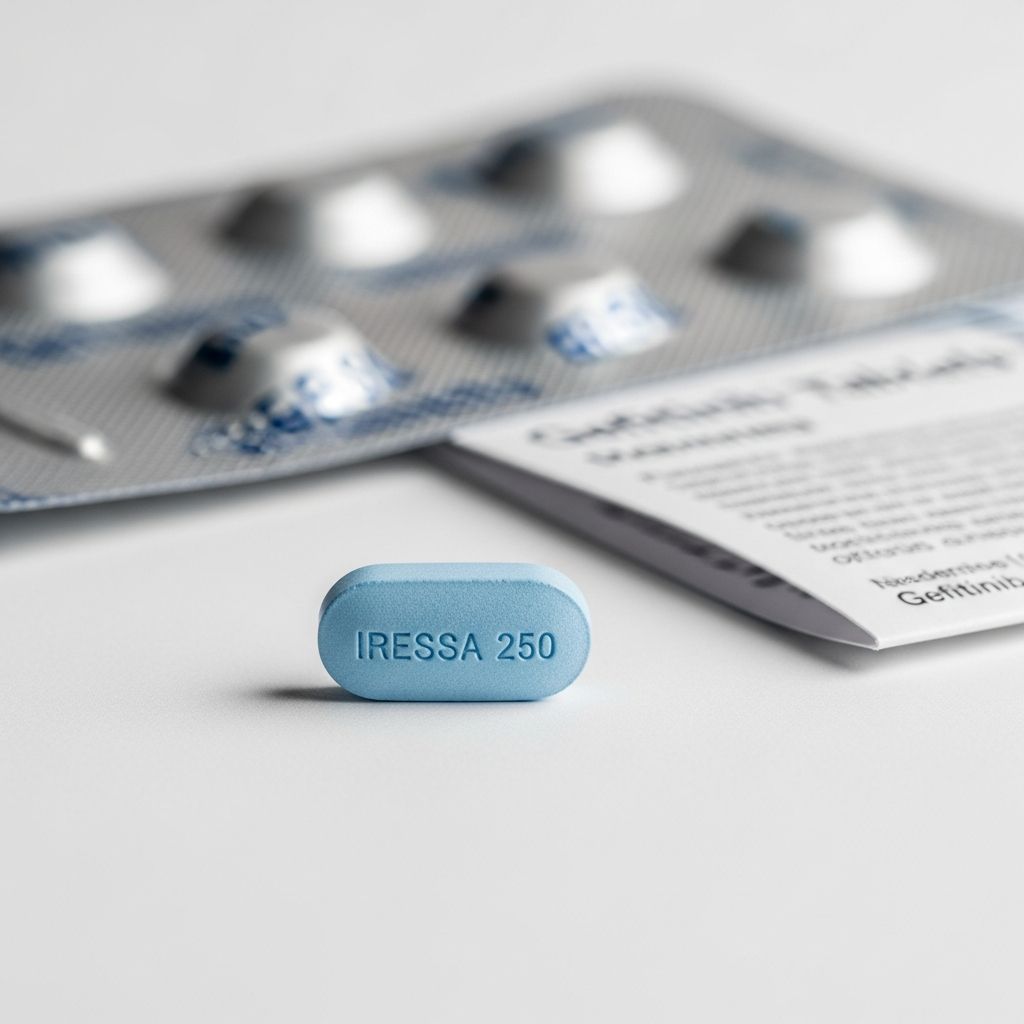
Gefitinib, marketed under the brand name Iressa, is a prescription medication used to treat certain types of non-small-cell lung cancer (NSCLC). It is available as brown film-coated tablets containing 250 mg of gefitinib for oral administration. This medication represents a targeted approach to cancer treatment, specifically designed for patients whose tumors have particular genetic mutations that make them responsive to this therapy.
How Gefitinib Works
Gefitinib is classified as a tyrosine kinase inhibitor, which means it works by blocking specific enzymes responsible for cancer cell growth. The medication specifically targets the epidermal growth factor receptor (EGFR), a protein found on the surface of cancer cells. In patients with EGFR mutations, this receptor becomes overactive, causing cancer cells to grow and divide uncontrollably.
By inhibiting EGFR tyrosine kinase, gefitinib prevents the downstream signaling cascades that lead to cancer cell proliferation. The drug selectively targets mutant proteins in malignant cells while sparing normal healthy cells, which helps to slow down the growth and spread of cancer cells. This targeted mechanism of action is what distinguishes gefitinib from traditional chemotherapy agents, offering a more precise treatment approach with potentially fewer effects on healthy tissue.
What is Gefitinib Used For?
Gefitinib is primarily indicated for the treatment of metastatic non-small-cell lung cancer (NSCLC) in patients whose tumors have specific EGFR mutations. Specifically, the medication is approved for first-line treatment of patients with metastatic NSCLC whose tumors have epidermal growth factor receptor (EGFR) exon 19 deletions or exon 21 (L858R) substitution mutations as detected by an FDA-approved test.
The medication is used for locally advanced or metastatic NSCLC, which means the cancer has either spread from its original site to other parts of the body or is present in multiple locations within the chest. Before starting treatment with gefitinib, your healthcare provider will perform specific genetic testing on your tumor to confirm the presence of these activating EGFR mutations, as the medication works only in cancer cells that have these particular genetic abnormalities.
Before Taking Gefitinib
Before starting gefitinib treatment, it is essential to inform your healthcare provider about your complete medical history and current medications. Certain conditions and drug interactions may affect whether gefitinib is appropriate for you.
Who Should Not Take Gefitinib
Gefitinib should not be used in the following situations:
- Hypersensitivity or allergies to gefitinib or any of the other tablet ingredients
- Pregnancy, as the medication may harm the developing fetus
- Breastfeeding, as gefitinib must not be used in mothers who are breastfeeding
- Severe hepatic (liver) impairment
Important Drug Interactions
Gefitinib can interact with several medications, potentially affecting its effectiveness or increasing side effects. Notable interactions include:
- Rifampin (Rifadin), used to treat tuberculosis
- Tricyclic antidepressants such as amitriptyline, nortriptyline, or protriptyline
- Seizure control medications like phenytoin (Dilantin, Phenytek), carbamazepine, and phenobarbital
- Certain antiviral medications for HIV or AIDS
- Antifungal medications including ketoconazole and itraconazole
- Stomach acid-reducing medications such as cimetidine, famotidine, omeprazole, and lansoprazole
- Antacids
Related Stories



Dosage and Administration
Gefitinib is available as 250 mg brown film-coated tablets taken orally. The specific dosage and treatment schedule should be determined by your healthcare provider based on your individual condition, tumor characteristics, and response to treatment. Your oncology team will establish the appropriate dosing regimen and monitor your response to therapy through regular follow-up appointments and blood work.
It is important to take gefitinib exactly as prescribed and to keep all appointments for blood work before and during treatment, as regular monitoring is essential for safe and effective therapy.
Common Side Effects
While gefitinib offers targeted cancer treatment, it can produce side effects in many patients. The most commonly reported side effects include:
- Diarrhea: One of the most frequent side effects, which can range from mild to severe
- Skin reactions: Including rashes, acne-like eruptions, and dermatitis
- Nausea and vomiting: Which may affect appetite and nutritional intake
- Mouth ulcers and stomatitis: Inflammation or sores in the mouth
- Dry skin: Particularly on the hands and feet
- Loss of appetite
- Eye irritation and sensitivity to light
These side effects are often manageable with appropriate supportive care measures and do not necessarily require stopping treatment. However, it is important to discuss any concerning symptoms with your healthcare provider.
Serious Side Effects
While less common, gefitinib can cause serious adverse reactions that require immediate medical attention. Seek emergency help right away if you experience any of the following:
- Severe skin reactions: Painful red or purple skin that looks burned and peels off, which may be accompanied by fever and light sensitivity. This could indicate Stevens-Johnson syndrome or toxic epidermal necrolysis, conditions that are serious and potentially life-threatening.
- Severe gastrointestinal symptoms: Severe stomach pain or signs of serious digestive complications
- Respiratory problems: New or worsening trouble breathing, which could indicate pulmonary complications
- Dehydration signs: Extreme diarrhea (4-6 episodes in 24 hours), inability to eat or drink for 24 hours, persistent vomiting (more than 4-5 times daily), or signs of dehydration including tiredness, excessive thirst, dry mouth, dark urine, or dizziness
- Hand-foot syndrome: Severe pain, redness, peeling, tingling, numbness, or dryness of the hands and feet
Managing Side Effects
Many side effects from gefitinib can be effectively managed with appropriate interventions:
- For diarrhea, maintaining adequate hydration and dietary modifications can help; antidiarrheal medications may be recommended
- Skin reactions often improve with gentle skincare, moisturizers, and sometimes topical treatments
- Nausea can often be controlled with antiemetic medications and small, frequent meals
- Always inform your healthcare provider if you experience any unusual symptoms
Liver Function and Special Populations
Gefitinib is metabolized by the liver, so patients with hepatic impairment may experience increased drug exposure and potentially higher side effect risk. Studies have shown that systemic exposure to gefitinib can increase significantly in patients with liver impairment compared to those with normal liver function. Your healthcare provider will adjust dosing or monitoring if you have any degree of liver dysfunction.
Monitoring During Treatment
Regular monitoring is essential during gefitinib therapy to ensure safety and effectiveness. Your healthcare provider will typically conduct:
- Blood work before starting treatment and periodically during therapy
- Liver function tests, as gefitinib can affect liver enzymes
- Lung function assessments, particularly if respiratory symptoms develop
- Regular clinical assessments to evaluate treatment response and manage side effects
- Imaging studies (such as CT scans) to assess tumor response at predetermined intervals
Why Genetic Testing Matters
Genetic testing for EGFR mutations before starting gefitinib is crucial because the medication is effective only in patients whose tumors have specific EGFR abnormalities. Testing ensures that patients receive appropriate targeted therapy and helps avoid unnecessary treatment in those who would not benefit from this medication. Your oncology team will test your tumor for this abnormality, which must be present in order to receive the medication.
Frequently Asked Questions About Gefitinib
Q: How long do I need to take gefitinib?
A: The duration of treatment depends on how well the medication works for your cancer and how well you tolerate it. Your healthcare provider will discuss the anticipated treatment duration and monitoring plan with you. Treatment typically continues as long as the cancer is responding and side effects are manageable.
Q: Can gefitinib cure lung cancer?
A: Gefitinib is not a cure but rather a treatment that helps slow or stop the growth and spread of cancer cells in eligible patients. It is designed to extend survival and improve quality of life in patients with EGFR-mutated metastatic NSCLC.
Q: What should I do if I miss a dose of gefitinib?
A: If you miss a dose, take it as soon as you remember unless it is almost time for your next dose. Do not double up on doses. Contact your healthcare provider or pharmacist for specific guidance about missed doses.
Q: Can I drink alcohol while taking gefitinib?
A: While moderate alcohol consumption may be acceptable, it is best to discuss this with your healthcare provider, as alcohol can interact with medications and affect liver function, which is important when taking gefitinib.
Q: What should I do if I experience severe side effects?
A: Contact your healthcare provider immediately if you experience severe side effects. Do not stop taking the medication without medical guidance. Your doctor may adjust your dose, recommend supportive treatments, or discontinue gefitinib if necessary.
Q: How is gefitinib different from traditional chemotherapy?
A: Gefitinib is a targeted therapy that specifically blocks cancer cell growth signals, whereas traditional chemotherapy works by damaging cells’ DNA. Targeted therapies like gefitinib often have different side effect profiles and may be more effective for cancers with specific genetic mutations.
Q: Will I need imaging studies while taking gefitinib?
A: Yes, your healthcare provider will typically order imaging studies (such as CT scans) at regular intervals to monitor how well your cancer is responding to treatment and to detect any new developments early.
References
- Iressa | European Medicines Agency (EMA) — European Medicines Agency. 2024. https://www.ema.europa.eu/en/medicines/human/EPAR/iressa
- Gefitinib (Iressa®) | OncoLink — Abramson Cancer Center of the University of Pennsylvania. 2024. https://www.oncolink.org/cancer-treatment/oncolink-rx/gefitinib-iressa-R
- Gefitinib (Iressa): Uses, Side Effects, Interactions, Pictures — WebMD. 2024. https://www.webmd.com/drugs/2/drug-75201/gefitinib-oral/details
- Gefitinib: Uses, Interactions, Mechanism of Action | DrugBank — DrugBank. 2024. https://go.drugbank.com/drugs/DB00317
- Gefitinib (oral route) – Side effects & dosage — Mayo Clinic. 2024. https://www.mayoclinic.org/drugs-supplements/gefitinib-oral-route/description/drg-20150913
- Iressa – Gefitinib Tablets | Chemocare — Chemocare. 2024. https://chemocare.com/chemotherapy/drug-info/iressa.aspx
- IRESSA (gefitinib) Tablets – Full Prescribing Information — U.S. Food and Drug Administration. 2021. https://www.accessdata.fda.gov/drugsatfda_docs/label/2021/206995s004lbl.pdf
Similar Articles








Read full bio of medha deb