Gefitinib Tablets (Iressa): Dosage, Side Effects, What To Expect
Comprehensive guide to Gefitinib (Iressa) for treating EGFR-mutated non-small cell lung cancer in adults.
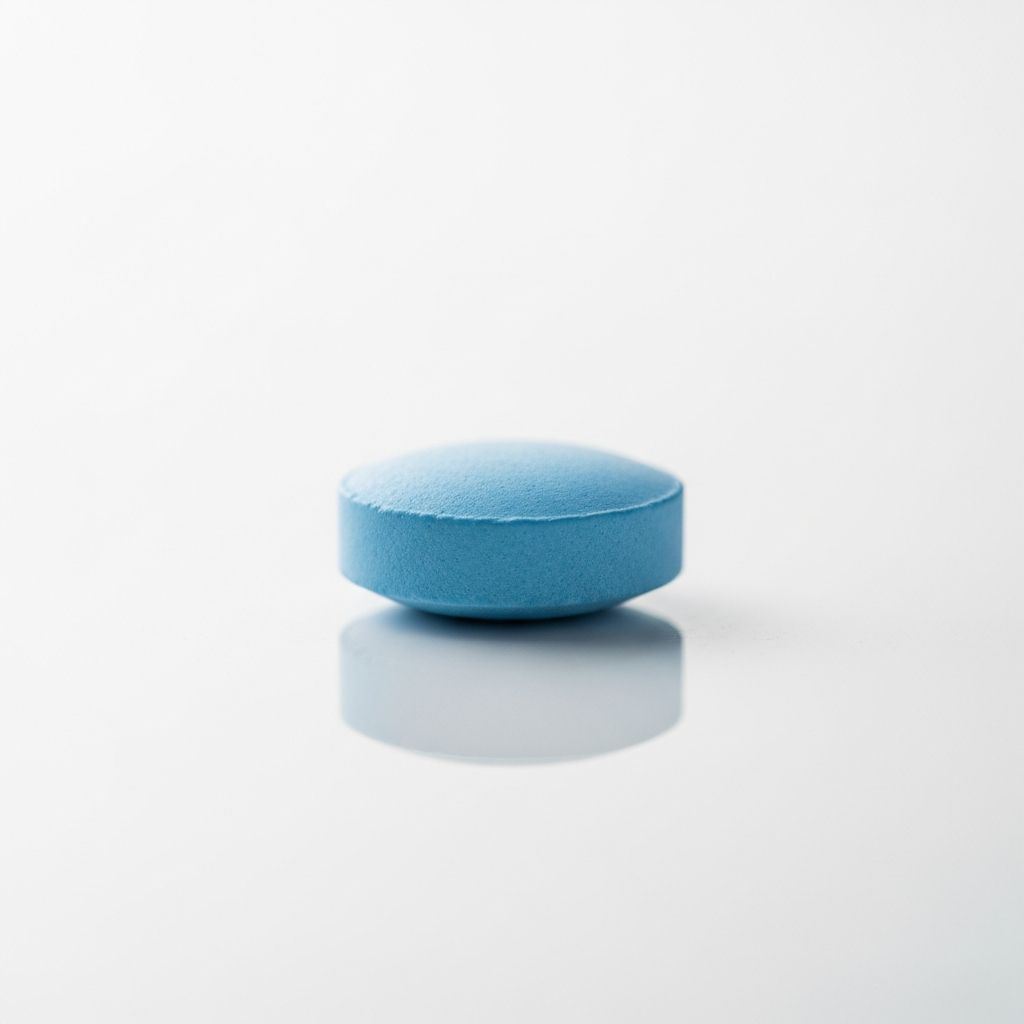
Gefitinib, sold under the brand name Iressa, is a targeted oral medication specifically approved for treating adults with locally advanced or metastatic non-small cell lung cancer (NSCLC) whose tumors have specific mutations in the epidermal growth factor receptor (EGFR) gene, such as exon 19 deletions or exon 21 (L858R) substitutions.
About Gefitinib Tablets
Gefitinib belongs to a class of drugs known as tyrosine kinase inhibitors (TKIs). It is designed to precisely target cancer cells with EGFR mutations, which are present in approximately 10-15% of NSCLC cases, particularly in non-smokers and those of Asian descent.
The medication is available as brown, film-coated tablets containing 250 mg of gefitinib. It is taken once daily without regard to food, making it convenient for long-term use in outpatient settings.
Before starting treatment, your doctor will order a tumor biopsy or liquid biopsy to confirm the presence of EGFR mutations using an FDA-approved or equivalent test. This ensures the therapy is appropriate, as gefitinib works only in EGFR-mutated cancers.
How Gefitinib Works
Gefitinib acts by blocking the tyrosine kinase enzyme associated with the EGFR protein on the surface of cancer cells. In NSCLC with EGFR mutations, this receptor is overactive, sending constant signals that promote uncontrolled cell growth, division, and survival.
By inhibiting EGFR tyrosine kinase, gefitinib disrupts downstream signaling pathways like Ras, preventing cancer cell proliferation and inducing cell death (apoptosis). This targeted mechanism spares most healthy cells, reducing some toxicities compared to traditional chemotherapy.
Clinical trials have shown gefitinib significantly prolongs progression-free survival in first-line treatment of EGFR-mutated metastatic NSCLC compared to standard chemotherapy.
Before Taking Gefitinib
Allergies
Do not take gefitinib if you are allergic to gefitinib or any ingredients in the tablets, such as lactose (present as lactose monohydrate). Allergic reactions may include rash, itching, swelling, or difficulty breathing.
Pregnancy and Breastfeeding
Gefitinib can harm an unborn baby. Women of childbearing potential must use effective contraception during treatment and for at least 2 weeks after the last dose. Men should use contraception during treatment and for 3 months post-treatment.
Do not breastfeed during treatment and for at least 2 weeks after the final dose, as gefitinib passes into breast milk.
Other Medical Problems
Inform your doctor if you have:
- Lung or breathing problems (e.g., interstitial lung disease)
- Liver disease (dose adjustments may be needed)
- Eye problems (e.g., dry eyes, keratitis)
- History of stomach ulcers or bowel disease
- Heart conditions
Hepatic impairment increases gefitinib exposure; monitor liver function regularly.
How to Take Gefitinib
The recommended dose is one 250 mg tablet once daily. Swallow whole with water, with or without food. If you miss a dose, take it as soon as remembered unless it’s within 12 hours of the next dose—then skip and resume normally. Do not double dose.
Related Stories



Treatment continues until disease progression or unacceptable toxicity. Regular tumor assessments (e.g., CT scans) are required.
Adults (18 years and over)
Standard 250 mg daily for EGFR-mutated metastatic NSCLC as first-line therapy.
Children and Adolescents
Not recommended for patients under 18 years due to lack of data.
Adults Over 65 Years
No dose adjustment needed, but elderly patients may experience higher rates of side effects like diarrhea and skin rash.
Dose Adjustments
| Condition | Adjustment |
|---|---|
| Severe diarrhea (Grade 3-4) | Interrupt until recovery to Grade 1 or less, then resume at 250 mg |
| Interstitial lung disease | Permanently discontinue |
| Severe skin reactions | Interrupt; consider dose reduction to 250 mg every other day if persistent |
| Hepatic impairment (severe) | Use with caution; monitor closely |
Note: Withhold for Grade 3-4 toxicities and resume at same dose upon improvement.
Caution with Other Medicines
Gefitinib interacts with CYP3A4 inducers/inhibitors and P-glycoprotein substrates. Avoid strong inducers like rifampin, phenytoin, carbamazepine, which reduce efficacy.
- Acid-reducing medicines (e.g., omeprazole, H2 blockers, antacids): Separate by 6-12 hours to avoid reduced absorption.
- Warfarin: Monitor INR closely due to bleeding risk.
- Drugs prolonging QT interval (e.g., certain antibiotics, antiarrhythmics).
Always provide your doctor/pharmacist with a full medication list, including vitamins and herbal supplements.
Possible Side Effects
Most patients experience side effects, mainly skin rash, diarrhea, and fatigue. Serious effects are less common but require immediate attention.
Common Side Effects (affecting more than 1 in 10 people)
- Skin rash (dry, itchy, acne-like; usually mild)
- Diarrhea (manage with loperamide)
- Nausea/vomiting
- Fatigue
- Loss of appetite
- Dry skin/itching
- Eye irritation (dry eyes, conjunctivitis)
Serious Side Effects (seek medical help immediately)
- Interstitial lung disease (ILD): New/worsening shortness of breath, cough, fever (occurs in ~1-5%; discontinue permanently).
- Severe skin reactions: Painful rash, blistering, peeling (Stevens-Johnson syndrome).
- Liver problems: Yellowing skin/eyes, dark urine (monitor LFTs).
- Eye issues: Pain, redness, vision changes (corneal perforation rare).
- GI perforation: Severe abdominal pain.
Side effects often improve over time or with supportive care.
Stopping Gefitinib and Alternatives
Do not stop without consulting your doctor. Abrupt discontinuation may lead to disease flare. If progression occurs, options include chemotherapy, other TKIs (e.g., osimertinib), or clinical trials.
How Gefitinib is Given
Prescribed by oncologists in specialized clinics. Tablets dispensed via hospital pharmacy. Regular blood tests (liver function, electrolytes) and imaging monitor response.
Pregnancy and Fertility
Animal studies show fetal harm; human pregnancy registry recommended. Discuss fertility preservation before starting.
Frequently Asked Questions
Q: How long does gefitinib take to work?
A: Tumor response may be seen within weeks, but full effects assessed after 2-3 months via scans.
Q: Can I drive while taking gefitinib?
A: Yes, unless side effects like fatigue or eye issues impair you.
Q: Will gefitinib cure my cancer?
A: It controls disease in many but is not curative; median progression-free survival is 9-11 months.
Q: What if I develop resistance?
A: Common after 9-13 months; biopsy may guide next therapy like T790M inhibitors.
Q: Is gefitinib covered by insurance?
A: Often yes for approved indications; check with provider.
Further information: Discuss with your oncologist.
References
- Iressa | European Medicines Agency (EMA) — EMA. 2023. https://www.ema.europa.eu/en/medicines/human/EPAR/iressa
- Gefitinib (Iressa®) | OncoLink — OncoLink/University of Pennsylvania. 2024-01-15. https://www.oncolink.org/cancer-treatment/oncolink-rx/gefitinib-iressa-R
- Gefitinib (Iressa): Uses, Side Effects, Interactions — WebMD. 2025-06-01. https://www.webmd.com/drugs/2/drug-75201/gefitinib-oral/details
- Gefitinib: Uses, Interactions, Mechanism of Action — DrugBank. 2024. https://go.drugbank.com/drugs/DB00317
- Gefitinib (oral route) – Mayo Clinic — Mayo Clinic. 2024-11-20. https://www.mayoclinic.org/drugs-supplements/gefitinib-oral-route/description/drg-20150913
- IRESSA® (gefitinib) Prescribing Information — FDA/AstraZeneca. 2021-08-27. https://www.accessdata.fda.gov/drugsatfda_docs/label/2021/206995s004lbl.pdf
Similar Articles








Read full bio of Sneha Tete