Gel Caps Vs Coated Pills: Expert Guide To Fast Migraine Relief
Discover how to choose between gel caps, coated tablets, and other pill forms for faster relief from headaches and migraines.
When a
headache
ormigraine
strikes, you want relief as quickly as possible. But did you know the form of your pain reliever—**gel cap**,coated tablet
,caplet
, orchewable
—can affect how fast it works? Each type has unique traits that impact absorption, ease of swallowing, and even taste masking, helping you choose the best option for your needs.This guide breaks down the differences, pros, and cons of common over-the-counter (OTC) pain reliever formats, focusing on popular options like ibuprofen, acetaminophen, and aspirin. Understanding these can help you get faster relief and avoid common pitfalls like stomach upset or slow onset.
What Are the Different Types of Pain Reliever Pills?
Pain relievers come in various forms, each designed for specific benefits in delivery, absorption, and user experience. Here’s a breakdown:
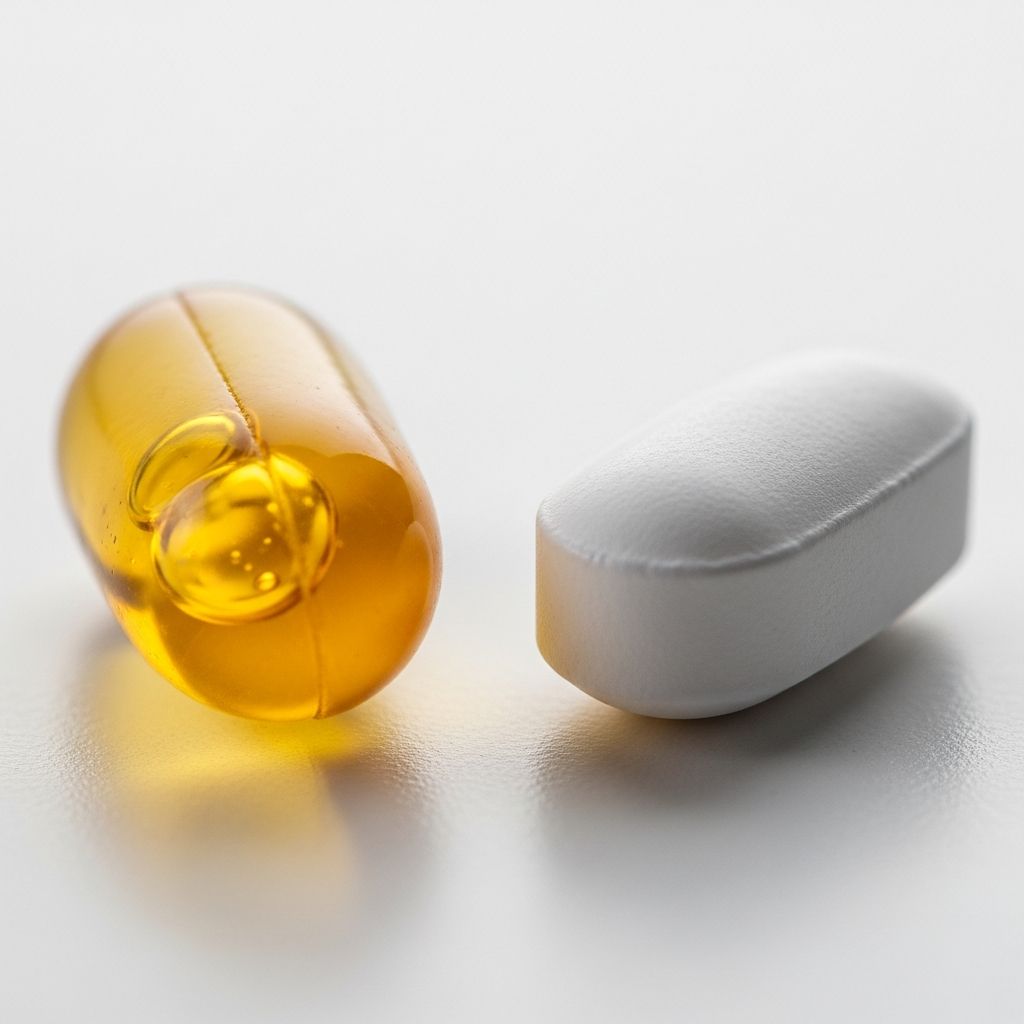
- Gel Caps (Softgels): These are liquid-filled capsules with a soft, gelatin-based shell. They’re semi-transparent, oval-shaped, and often used for medications like ibuprofen or acetaminophen. The liquid inside dissolves quickly in the stomach for rapid absorption.
- Coated Tablets: Solid tablets covered in a thin film or sugar coating. The coating masks bitter tastes, eases swallowing, and protects the stomach lining from irritation—ideal for aspirin.
- Caplets: Oval-shaped, film-coated tablets that mimic capsules’ smooth shape but are solid inside. They’re easier to swallow than round tablets and common in acetaminophen brands.
- Chewables: Flavored tablets meant to be chewed before swallowing. Great for kids or those who dislike swallowing pills, often found in children’s ibuprofen or aspirin.
- Standard Tablets: Uncoated, compressed powder pills. They’re basic but can be harder to swallow and may cause stomach upset without protection.
| Pill Type | Composition | Common Uses | Absorption Speed |
|---|---|---|---|
| Gel Caps | Liquid in gelatin shell | Ibuprofen, acetaminophen | Fastest |
| Coated Tablets | Coated solid tablet | Aspirin, NSAIDs | Moderate |
| Caplets | Oval coated tablet | Acetaminophen | Moderate-Fast |
| Chewables | Flavored chewable | Children’s pain relief | Fast (if chewed fully) |
| Standard Tablets | Uncoated compressed powder | Basic generics | Slowest |
Gel Caps vs. Tablets: Key Differences
**Gel caps** and
tablets
differ in makeup, absorption, and usability, directly affecting headache relief speed.Composition
Gel caps encase liquid or powder in a soft gelatin shell (or vegetarian alternatives), while tablets compress powders with binders into a solid form. Gel caps have fewer fillers, potentially reducing allergy risks.
Absorption and Onset of Action
Gel caps shine here: their liquid contents dissolve rapidly, leading to quicker bloodstream entry and faster pain relief—crucial for migraines. Tablets must disintegrate first, delaying effects by 15-30 minutes. Studies show capsules offer better bioavailability for quick-acting drugs like analgesics.
Ease of Swallowing
The slippery gel shell makes capsules easiest to swallow, especially during nausea from migraines. Coated tablets and caplets follow, while uncoated tablets can stick.
Shelf Life and Stability
Tablets win with longer stability, resisting moisture better. Gel caps are sensitive to humidity, shortening shelf life.
Pros and Cons of Each Pill Type
Gel Caps: Pros
Related Stories



- Ultra-Fast Relief: Liquid form absorbs in as little as 15 minutes—perfect for acute headaches.
- Taste Masked: Shell hides bitterness.
- Stomach-Friendly: Less irritation than uncoated tablets.
- Easy Swallow: Smooth and small.
Gel Caps: Cons
- Shorter shelf life.
- Not splittable for dose adjustments.
- May not suit vegans (gelatin-based).
Coated Tablets: Pros
- Stomach Protection: Film reduces acid irritation, key for NSAID users.
- Long shelf life.
- Cost-effective.
Coated Tablets: Cons
- Slower absorption.
- More ingredients raise allergy risk.
Caplets: Pros and Cons
Caplets blend tablet durability with capsule-like swallowability. Pros: Portable, splittable. Cons: Slower than gel caps.
Chewables: Pros and Cons
Pros: No water needed, kid-friendly. Cons: Sugary, less precise dosing.
| Type | Pros | Cons |
|---|---|---|
| Gel Caps | Fast absorption, easy swallow | Short shelf life, not vegan |
| Coated Tablets | Stomach protection, stable | Slower action, more fillers |
| Caplets | Smooth swallow, durable | Moderate speed |
| Chewables | Water-free, palatable | Sugars, imprecise |
Which Pill Form Is Best for Headaches and Migraines?
No one-size-fits-all, but here’s how to choose:
- For Fastest Migraine Relief:
Gel caps
—opt for liquid ibuprofen or acetaminophen. Ideal if nausea hinders swallowing. - Sensitive Stomach:
Coated tablets
or enteric-coated for aspirin/NSAIDs. - On-the-Go: Compact caplets or tablets.
- Kids or Dysphagia: Chewables or small gel caps.
- Cost/Shelf Life: Tablets for bulk buys.
Consider allergies: Vegetarians prefer HPMC capsules. For high doses, tablets hold more active ingredient.
Are There Safety Differences?
All forms are safe when used as directed, but nuances exist. Tablets have more excipients (binders, fillers), slightly raising allergy odds. Gel caps’ gelatin may trigger issues for some; vegetarian options mitigate this. Softgels dissolve gently, reducing GI upset. No major risks, but consult a doctor for chronic use.
Frequently Asked Questions (FAQs)
Do gel caps work faster than tablets for headaches?
Yes, gel caps typically provide quicker relief due to faster dissolution and absorption.
Are gel caps better for migraines?
Often yes, especially with nausea, as they’re easier to swallow and act fast.
Can I split gel caps for smaller doses?
No—splitting compromises integrity. Use tablets or caplets instead.
Are all gel caps vegetarian?
No, most use gelatin; look for HPMC/veggie labels.
Which lasts longer on the shelf?
Tablets, due to moisture resistance.
Do coatings cause stomach issues?
They prevent them by protecting against irritation.
Expert Tips for Choosing Pain Relievers
Pharmacists recommend matching form to symptoms: gel caps for speed, coated for sensitivity. Always check expiration, store properly (cool, dry for gel caps), and pair with water/food as needed. For migraines, combine with lifestyle tweaks like hydration.
In summary,
gel caps
excel for rapid headache relief, whilecoated options
offer protection and longevity. Experiment safely to find your best match.References
- Gel Capsules vs Tablets: Which Is Better? — World Nutrition. 2023. https://worldnutrition.net/blogs/learn-more-about-vitalzym/gel-capsules-vs-tablets
- Capsule vs Tablet: Differences, Pros, and Cons Explained — SED Pharma. 2023. https://sedpharma.com/news-events/capsule-vs-tablet/
- What’s the difference: capsules vs. tablets & caplets? — medino. 2023. https://www.medino.com/article/capsules-vs-tablets
- Capsule vs. Tablet: Types, Differences, Pros and Cons — Healthline. 2023-10-01. https://www.healthline.com/health/capsule-vs-tablet
- Are your capsules vegetarian or nonvegetarian — PubMed Central (PMC). 2018-03-12. https://pmc.ncbi.nlm.nih.gov/articles/PMC5830853/
- Choosing the Right Type of Pill: Capsules, Tablets, Softgels, and More — GoodRx. 2023. https://www.goodrx.com/drugs/medication-basics/why-do-some-medications-come-as-pills-and-others-as-injections
Similar Articles








Read full bio of Sneha Tete