Gelatin Benefits: 9 Science-Backed Health Uses
Discover the science-backed health benefits of gelatin, from joint pain relief to improved skin elasticity and gut health.
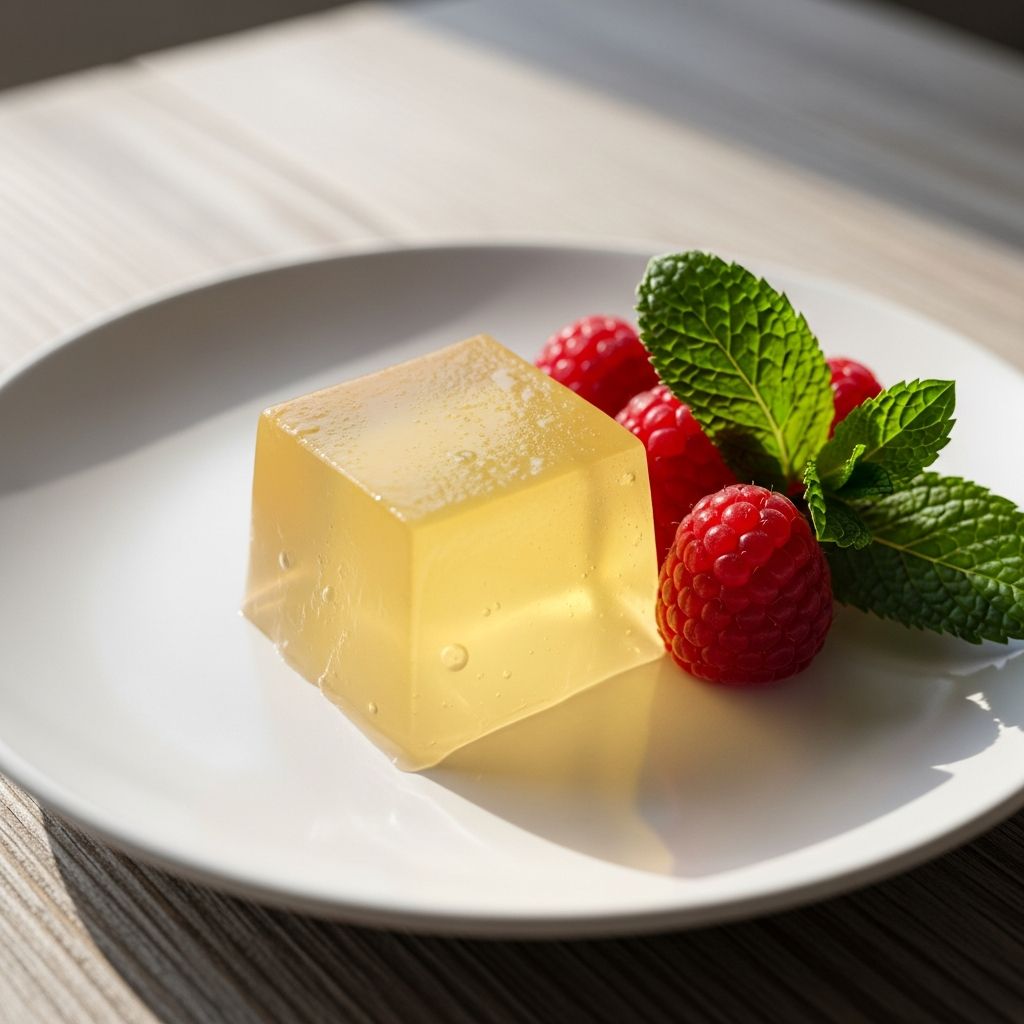
Gelatin, a protein derived from collagen found in animal connective tissues, provides multiple health benefits supported by scientific research, including improved joint health, skin elasticity, bone strength, and gut function.
What Is Gelatin?
Gelatin is a hydrolyzed form of collagen extracted primarily from cow and pig skins, bones, and connective tissues through a process involving boiling and purification. This results in a flavorless, odorless powder rich in amino acids like glycine, proline, and hydroxyproline, which are essential for building proteins in the body.
Unlike collagen, which is its intact precursor, gelatin is partially broken down, making it more digestible and versatile for culinary and supplemental uses. It forms a gel when mixed with water and cooled, commonly used in foods like desserts, capsules, and cosmetics.
9 Science-Backed Benefits of Gelatin
1. May Improve Joint Pain and Function
Gelatin supplementation has shown promise in reducing joint pain and stiffness, particularly in osteoarthritis patients. A study involving 80 individuals with osteoarthritis found that daily gelatin intake over 70 days significantly decreased pain and improved mobility compared to placebo.
In athletes, 97 participants taking gelatin for 24 weeks reported less joint pain during rest and activity. A review confirmed gelatin’s superiority over placebo for pain relief, though more evidence is needed for routine recommendation.
2. Could Strengthen Bones
Gelatin contains lysine, an amino acid that enhances calcium absorption, crucial for bone density. Research links gelatin-derived collagen to reduced bone loss, with studies showing improved bone strength in participants supplementing with it.
However, human trials are limited, and experts call for further research to confirm direct benefits on osteoporosis prevention.
3. May Boost Brain Function
The amino acid glycine in gelatin supports neurotransmitter function, potentially enhancing cognitive performance. Animal studies indicate glycine improves memory and learning, while human evidence suggests better mental clarity with supplementation.
4. Could Help Skin Stay Youthful
Gelatin promotes collagen production, increasing skin moisture and elasticity. A study of 106 women taking fish collagen (similar to gelatin) for 84 days showed significant improvements in skin collagen density.
Meta-analyses support hydrolyzed collagen’s role in reducing wrinkles after 90 days, though effects from dietary gelatin require more validation. Gelatin also thickens hair; one trial noted an 11% increase in hair thickness with 14g daily intake.
5. May Strengthen Nails
Anecdotal and preliminary evidence suggests gelatin reinforces brittle nails by providing building-block amino acids for keratin production, a key nail protein.
6. Could Improve Sleep Quality
Glycine in gelatin may regulate body temperature and calm the nervous system, aiding sleep. Older studies link glycine supplementation to better sleep onset and quality without specific gelatin recommendations.
7. May Aid Blood Sugar Management
Gelatin’s protein content supports satiety and stable blood sugar, beneficial for type 2 diabetes management. Research shows it helps control post-meal glucose levels, especially in obesity-related cases.
8. Could Promote Weight Loss
Low-calorie and high-protein, gelatin increases fullness. Incorporating it into a balanced diet may support weight management, but avoid high-sugar sources like candies.
Related Stories



9. May Support Gut and Liver Health
Gelatin protects the gut lining via glutamine conversion, preventing leaky gut in animal models. Glycine reduces alcohol-induced liver damage in rats and enhances liver function in injured rabbits.
In wound healing, gelatin scaffolds accelerate tissue repair, vascularization, and re-epithelialization without cytotoxicity.
Gelatin Nutrition Facts
A typical 1-tablespoon (10g) serving of unflavored gelatin powder provides approximately:
| Nutrient | Amount | % Daily Value |
|---|---|---|
| Calories | 34 | 2% |
| Protein | 6g | 12% |
| Glycine | ~1.8g | – |
| Proline | ~1.2g | – |
| Hydroxyproline | ~1g | – |
It contains no fat, carbs, or significant vitamins but excels in unique amino acids absent in many plant proteins.
Potential Downsides and Risks
- Allergies: Avoid if allergic to source animals (beef/pork).
- Digestive Issues: High doses may cause bloating or heartburn.
- Heavy Metals: Poor-quality sources might contain contaminants; choose reputable brands.
- Interactions: May affect blood sugar or interact with diabetes meds.
- Pregnancy/Breastfeeding: Insufficient safety data; consult a doctor.
How to Use Gelatin
- Supplements: 10-15g daily in powder form mixed into drinks.
- Food: Add to soups, smoothies, yogurt, or homemade gummies.
- Recipes: Bone broth (simmer bones for natural gelatin), jello alternatives with fruit juice.
Start low to assess tolerance. Hydrolyzed (collagen peptides) dissolves better in hot/cold liquids.
Dosage: How Much Gelatin per Day?
Studies use 10-15g daily for joint/skin benefits. No official RDA exists; divide doses and pair with vitamin C for collagen synthesis.
Is Gelatin Healthy?
Yes, as a protein source with benefits outweighing risks for most, but not a cure-all. Whole foods complement it best.
Frequently Asked Questions (FAQs)
What is gelatin made from?
Gelatin is derived from animal collagen via hydrolysis of bones, skin, and tissues from cows or pigs.
Is gelatin the same as collagen?
No, gelatin is cooked/processed collagen; collagen peptides are further hydrolyzed for easier use.
Can vegetarians eat gelatin?
No, it’s animal-based; agar-agar or pectin are plant alternatives.
Does gelatin help with hair growth?
Yes, studies show increased thickness and potential growth via collagen support.
Is gelatin good for leaky gut?
Animal studies suggest it strengthens gut lining via glutamine.
Can gelatin cause weight gain?
Unlikely at recommended doses due to low calories; high-sugar products might.
Alternatives to Gelatin
- Agar-Agar: Seaweed-based, vegan gelling agent.
- Pectin: Fruit-derived thickener.
- Collagen Peptides: More bioavailable powder form.
References
- What Is Gelatin Good For? Benefits, Uses and More — Healthline. 2017-06-04. https://www.healthline.com/nutrition/gelatin-benefits
- Gelatin: What it is made of, health benefits, nutrition, and more — Medical News Today. N/A. https://www.medicalnewstoday.com/articles/319124
- Natural-Based Biomaterial for Skin Wound Healing (Gelatin vs …) — NIH (PMC). 2021. https://pmc.ncbi.nlm.nih.gov/articles/PMC8309321/
- Gelatin – Uses, Side Effects, and More — WebMD. N/A. https://www.webmd.com/vitamins/ai/ingredientmono-1051/gelatin
Similar Articles








Read full bio of medha deb