Generalised Pustular Psoriasis: Comprehensive Guide
Rare severe psoriasis variant with recurrent sterile pustules, systemic inflammation, and life-threatening flares requiring urgent care.
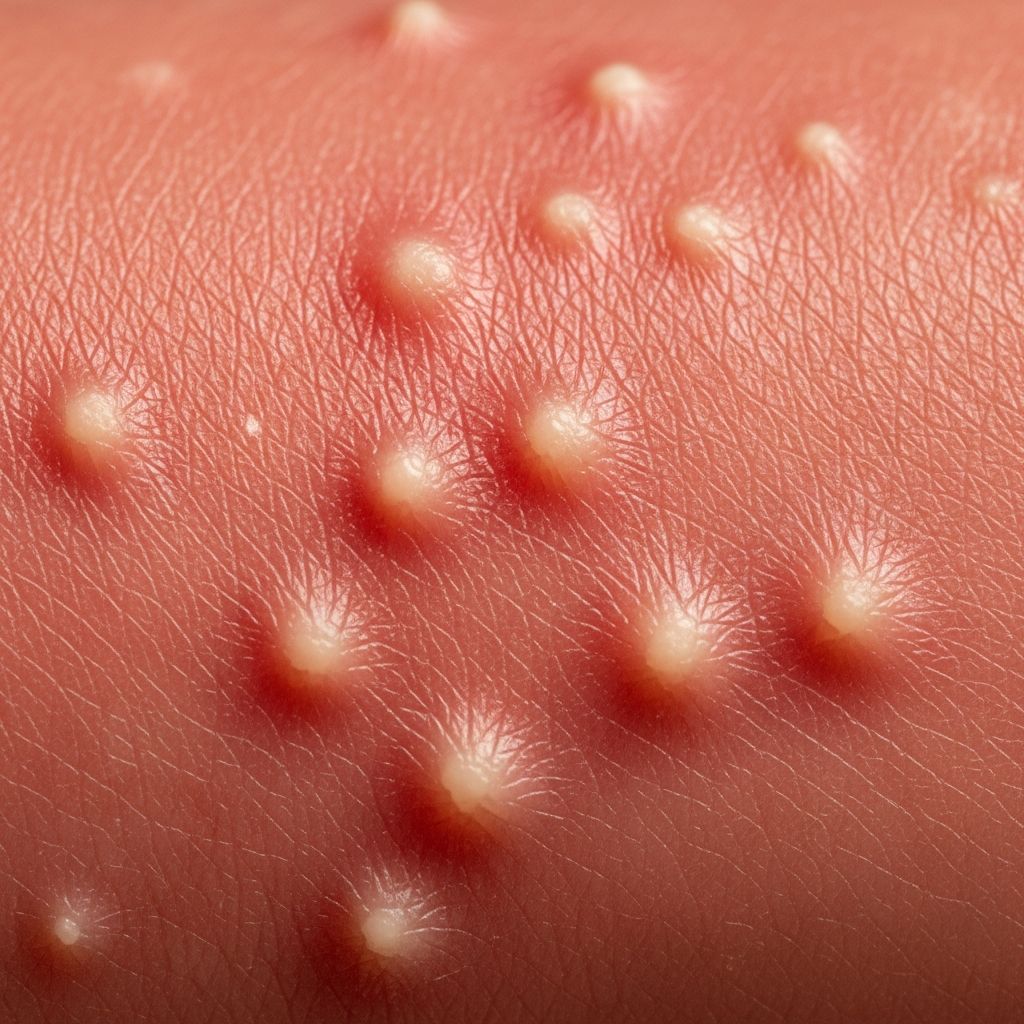
Generalised pustular psoriasis (GPP) is a rare, severe variant of pustular psoriasis characterised by recurrent episodes of widespread, sterile pustules on erythematous and tender skin, often accompanied by systemic symptoms such as fever, fatigue, and potential involvement of multiple organ systems including hepatic, gastrointestinal, musculoskeletal, renal, or pulmonary.
Introduction
GPP stands out as one of the most acute and potentially life-threatening forms of psoriasis due to its rapid onset and capacity to induce profound systemic inflammation. Unlike common plaque psoriasis, GPP involves neutrophilic infiltration leading to macroscopically visible pustules that are sterile, meaning they lack bacterial infection. Flares can occur suddenly, covering large areas of the body, and may necessitate hospitalisation. The condition affects individuals across all ages, though it is more prevalent in adults, and carries significant morbidity and mortality risks if not managed promptly.
Historically recognised as von Zumbusch psoriasis, GPP has been linked to genetic predispositions and environmental triggers. Recent advances in understanding its pathophysiology, particularly involving IL-36 pathway dysregulation, have led to targeted therapies revolutionising management.
Demographics
GPP is uncommon, with an estimated incidence of 0.04 to 1.4 cases per 100,000 people annually, predominantly affecting adults aged 20-60 years, though paediatric cases occur, especially in infancy where symptoms may be milder and flexural. It shows no strong gender predilection, but pregnancy-associated GPP, termed impetigo herpetiformis, predominantly impacts women in the third trimester.
Geographic variations exist; higher prevalence is noted in East Asia, possibly due to genetic factors like IL36RN mutations. A personal or family history of psoriasis increases risk, with up to 50-70% of GPP patients having prior plaque psoriasis. Metabolic syndrome and polyarthritis are associated comorbidities.
Causes
The aetiology of GPP is multifactorial, involving genetic mutations, immune dysregulation, and external triggers. Key genetic associations include mutations in IL36RN (most common, causing deficiency of IL-36 receptor antagonist, leading to unchecked IL-36 signalling and autoinflammation), CARD14, and AP1S3. These disrupt epidermal barrier function and innate immune pathways, predisposing to pustular eruptions.
Common triggers precipitating flares include:
- Rapid withdrawal of systemic or potent topical corticosteroids: The most frequent iatrogenic cause, rebounding inflammation.
- Infections: Bacterial (e.g., Staphylococcus aureus, streptococci), viral (cytomegalovirus, varicella-zoster, Epstein-Barr, COVID-19).
- Medications: Lithium, antimalarials, TNF-α inhibitors, IL-17 inhibitors, ustekinumab, rituximab, terbinafine, methotrexate (rarely).
- Pregnancy and hormonal changes: Impetigo herpetiformis form.
- Other: Emotional/physical stress, smoking, UV exposure/sunburn, hypocalcaemia, vaccinations.
In some cases, no identifiable trigger is found, suggesting an intrinsic autoinflammatory basis akin to DITRA (deficiency of IL-36RN).
Clinical Features
Acute GPP flares present with sudden onset of widespread small (1-2 mm) sterile pustules atop oedematous, erythematous skin, rapidly coalescing into lakes of pus that desquamate, leaving glossy, red skin. Initial symptoms include burning/pruritus, fever (>38°C), chills, fatigue, anorexia, and tachycardia. Severe cases show leucocytosis, neutrophilia, elevated CRP/ESR, hypoalbuminaemia, and electrolyte imbalances.
Systemic involvement may manifest as:
- Musculoskeletal pain/arthritis
- GI symptoms (nausea, diarrhoea)
- Hepatic dysfunction (elevated transaminases)
- Renal impairment
- Pulmonary complications (ARDS)
Post-flare, skin may revert to normal or show residual erythema/desquamation.
Variation in Skin Types
GPP presentation varies by skin phototype:
- Fair skin (Fitzpatrick I-III): Vivid erythema with white/yellow pustules prominent.
- Darker skin (Fitzpatrick IV-VI): Violaceous/hyperpigmented erythema, pustules less conspicuous against background, hypopigmentation post-desquamation common. Systemic symptoms equally severe, but diagnosis delayed due to subtler cutaneous signs.
This underscores the need for clinician awareness across ethnicities to avoid misdiagnosis as infection.
Complications
GPP flares can be life-threatening, with mortality up to 7% in acute episodes due to:
Related Stories



- Sepsis/septic shock (despite sterile pustules, secondary bacteraemia possible)
- ARDS and respiratory failure
- Multiorgan failure (heart, kidney, liver)
- Electrolyte disturbances (hypocalcaemia)
- Secondary infection
Chronic flares lead to dehydration, malnutrition, and psychological distress. Paediatric cases risk growth impairment.
Diagnosis
Diagnosis is primarily clinical, supported by:
- History: Rapid pustule onset, triggers, psoriasis history.
- Examination: Widespread sterile pustules on erythematous base.
- Labs: Neutrophilia, high CRP/ESR, exclude infection (cultures, bloods).
- Histopathology: Subcorneal pustules (Kogoj spongiform), spongiosis, neutrophils; no organisms.
- Genetics: IL36RN etc. in recurrent/selective cases.
Severe cases warrant hospitalisation for monitoring.
Differential Diagnoses
| Condition | Key Distinguishing Features |
|---|---|
| Acute Generalized Exanthematous Pustulosis (AGEP) | Drug-induced, shorter duration (<2 weeks), resolves faster, facial/mucosal sparing, eosinophils. |
| Subcorneal Pustular Dermatosis (Sneddon-Wilkinson) | Annular/flaccid pustules, IgA on DIF, older females, responds to dapsone. |
| Bacterial SSSS/Staphylococcal scalded skin | Infectious, Nikolsky+, NIKA bodies, responds to antibiotics. |
| Pemphigus foliaceus | Flaccid vesicles, acantholysis, IgG on DIF. |
| Hypereosinophilic syndrome | Peripheral eosinophilia, organ involvement. |
Biopsy and cultures differentiate.
Treatment
Management targets flare control, symptom relief, trigger avoidance, and flare prevention. Hospitalisation for severe cases includes fluids, electrolytes, wound care, infection surveillance.
Systemic therapies (1st-line adults): Acitretin (retinoid), cyclosporine, methotrexate, infliximab, spesolimab (IL-36R monoclonal, FDA-approved 2022, rapid flare clearance via IV/subQ).
Paediatrics: Acitretin, cyclosporine, methotrexate, etanercept.
Other options: Prednisone (short-term, taper cautiously), etanercept, ustekinumab (off-label).
Supportive: Wet wraps, emollients, analgesics, anti-pyretics. Avoid triggers.
Outcome
GPP is chronic/incurable with unpredictable flares. Prognosis improves with prompt treatment; untreated flares risk fatality. Spesolimab reduces recurrence. Long-term: Maintenance therapy, genetic counselling if familial. Multidisciplinary care essential.
Frequently Asked Questions
What is generalised pustular psoriasis?
A rare, severe psoriasis causing recurrent widespread sterile pustules and systemic inflammation.
Is GPP life-threatening?
Yes, flares can lead to sepsis, ARDS, multiorgan failure.
What triggers GPP flares?
Corticosteroid withdrawal, infections, stress, pregnancy, certain drugs.
How is GPP treated?
Hospitalisation, systemic agents like spesolimab, retinoids, immunosuppressants.
Can GPP be cured?
No, but flares can be controlled and prevented.
References
- Generalized Pustular Psoriasis – StatPearls — Bolognia J, et al. National Center for Biotechnology Information (NCBI). 2023-10-01. https://www.ncbi.nlm.nih.gov/books/NBK493189/
- Generalized Pustular Psoriasis: Symptoms, Causes, Treatment — WebMD Editorial Contributors. WebMD. 2024-05-15. https://www.webmd.com/skin-problems-and-treatments/psoriasis/generalized-pustular-psoriasis-symptoms-causes-treatments
- Generalized Pustular Psoriasis — NORD. National Organization for Rare Disorders. 2023-11-20. https://rarediseases.org/rare-diseases/generalized-pustular-psoriasis/
- Generalized pustular psoriasis — Genetics Home Reference. MedlinePlus. 2024-01-10. https://medlineplus.gov/genetics/condition/generalized-pustular-psoriasis/
- Generalised pustular psoriasis — DermNet NZ. 2024-03-05. https://dermnetnz.org/topics/generalised-pustular-psoriasis
Similar Articles








Read full bio of Sneha Tete