Generalised Vulvodynia: Expert Guide To Diagnosis & Treatment
Understanding the causes, symptoms, diagnosis, and management of generalised vulvodynia, a chronic vulvar pain condition affecting quality of life.
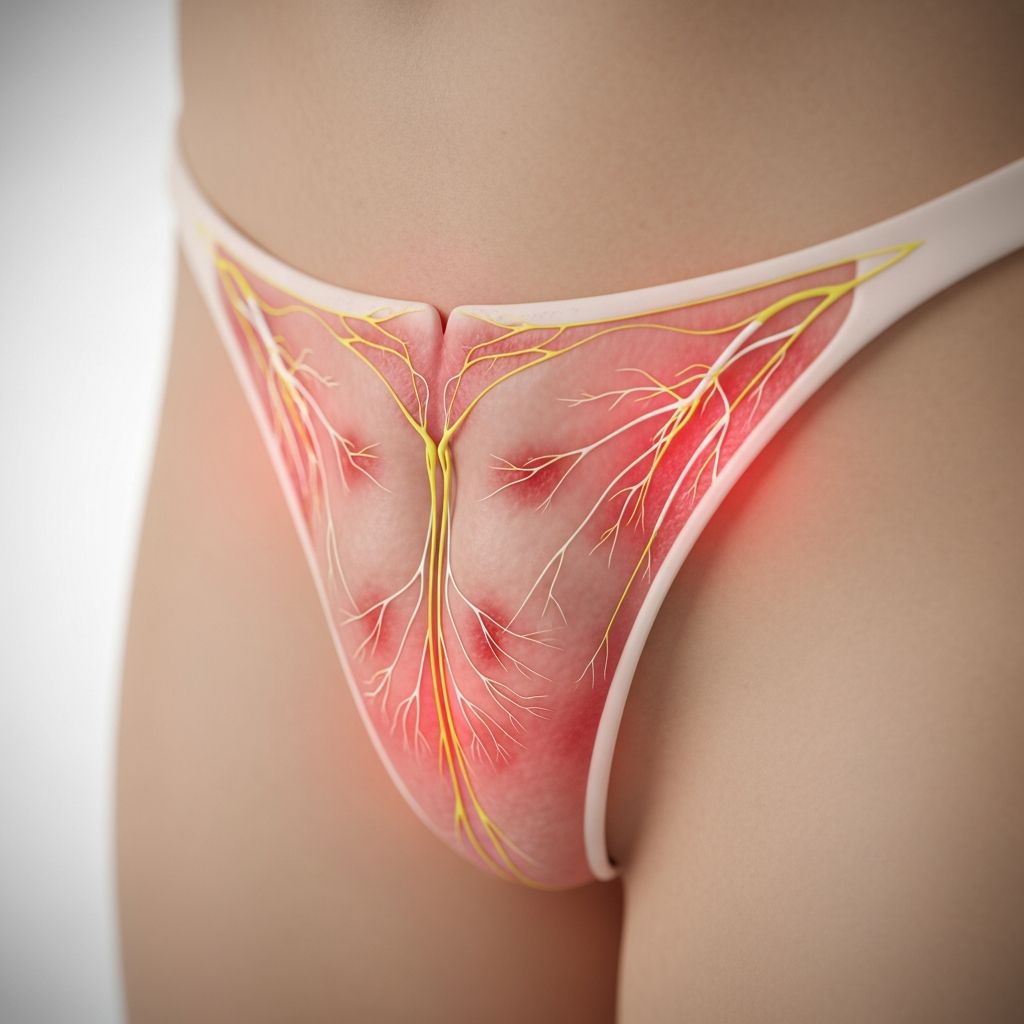
Generalised vulvodynia is a chronic pain syndrome characterised by burning discomfort affecting the entire vulva, often without visible skin changes or identifiable infection. The pain can be constant or intermittent, provoked by touch or unprovoked, significantly impacting daily activities, sexual function, and emotional well-being.
What is generalised vulvodynia?
Generalised vulvodynia refers to diffuse pain across the whole vulvar area, distinguishing it from localised vulvodynia, which affects specific sites like the vestibule. Symptoms include burning, stinging, throbbing, or raw sensations that may persist or flare with pressure, sitting, or intercourse. Unlike acute vulvar pain from infections or trauma, generalised vulvodynia lacks an obvious cause and lasts over three months.
The condition is classified as primary (pain from first sexual activity or tampon use) or secondary (developing later). Pain may be provoked (worsened by touch) or spontaneous. It predominantly affects women aged 20-50 but can occur at any age, with prevalence estimates of 8-16% in reproductive-age women.
Who gets generalised vulvodynia?
Generalised vulvodynia impacts women of all ages, ethnicities, and parities, though it is more common in premenopausal adults. Risk factors include:
- History of recurrent yeast infections or vaginitis.
- Pelvic floor muscle dysfunction or spasms.
- Hormonal changes, such as estrogen deficiency post-menopause.
- Genetic predisposition to heightened nerve sensitivity.
- Psychosocial factors like chronic stress or history of sexual abuse.
- Associated conditions: irritable bowel syndrome, fibromyalgia, or interstitial cystitis.
Women with endometriosis may have overlapping symptoms due to pelvic nerve hypersensitivity, though endometriosis does not directly cause vulvodynia.
What causes generalised vulvodynia?
The aetiology is multifactorial and poorly understood, with no single cause identified. Potential contributors include:
- Nerve proliferation and hypersensitivity: Increased vulvar nerve fibres and altered pain signalling from pudendal nerve irritation.
- Inflammation: Elevated cytokines and mast cell activation leading to chronic low-grade vulvar inflammation.
- Pelvic floor dysfunction: Hypertonicity, weakness, or spasms in levator ani muscles compressing vulvar nerves.
- Hormonal imbalances: Estrogen deficiency altering vulvar tissue resilience and nerve function.
- Genetic factors: Polymorphisms in pain-processing genes increasing susceptibility.
- Triggers: Past infections, allergies to soaps/pads, trauma (e.g., straddle injuries), or iatrogenic from biopsies.
Vulvodynia is a diagnosis of exclusion; infections (e.g., candidiasis, herpes) and dermatoses must be ruled out first.
What are the symptoms of generalised vulvodynia?
Symptoms vary in intensity and timing but typically involve:
- Burning, stinging, throbbing, or raw sensation across the entire vulva.
- Constant aching or intermittent flares.
- Pain worsened by sitting, cycling, tight clothing, tampon insertion, or intercourse (dyspareunia).
- Sexual dysfunction: reduced arousal, lubrication issues, or avoidance of intimacy.
- Secondary effects: anxiety, depression, relationship strain, sleep disturbance.
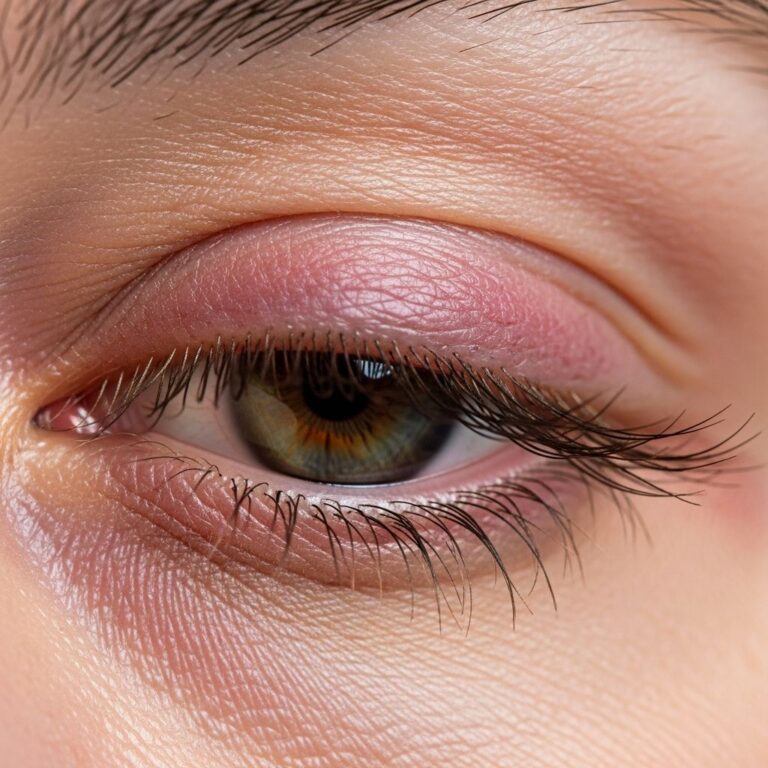
Physical exam often shows normal vulvar appearance without erythema, erosions, or discharge, though tenderness is elicited on cotton-swab testing.
Diagnosis
Diagnosis relies on history, exclusion of confounders, and physical exam. Key steps:
- Detailed history: Pain onset, triggers, duration (>3 months), impact on function, prior treatments.
- Physical exam: Vulvoscopy, cotton-swab test for provoked pain, pelvic floor assessment.
- Laboratory tests: Vaginal pH, wet mount, cultures for yeast/bacteria/STIs; biopsy if lesions present.
- Rule out differentials: Vulvovaginal candidiasis, dermatitis, lichen sclerosus, vestibulitis, neuralgia.
Related Stories



Multidisciplinary input from gynaecology, dermatology, neurology, or pain specialists may be needed.
What is the differential diagnosis for generalised vulvodynia?
| Condition | Key Features | Differentiating Tests |
|---|---|---|
| Vulvovaginal candidiasis | Itch > pain, white discharge, positive microscopy | KOH prep, culture |
| Contact dermatitis | Eczema, history of irritant exposure | Patch testing |
| Lichen sclerosus | White plaques, architectural changes | Biopsy |
| Pudendal neuralgia | Perineal pain radiating to vulva | Nerve block |
| Genitourinary syndrome of menopause | Dryness, atrophy, post-menopausal | Vaginal maturation index |
| Pelvic floor myalgia | Levator tenderness, pain with strain | Physical therapy eval |
Vulvodynia treatment
Treatment is multimodal, tailored to symptoms and triggers. No cure exists, but 60-80% achieve improvement.
Non-pharmacological
- Pelvic floor physical therapy: Myofascial release, biofeedback to relax hypertonic muscles (first-line).
- Cognitive behavioural therapy (CBT): Addresses pain catastrophizing and anxiety.
- Sex therapy: For dyspareunia, using lubricants and graded exposure.
Pharmacological
- Topicals: Lidocaine 5% ointment for flares; low-dose amitriptyline or gabapentin compounded.
- Oral medications: Tricyclic antidepressants (amitriptyline 10-50mg), SNRIs (duloxetine), anticonvulsants (gabapentin 900-3600mg).
- Hormonals: Topical estrogen or ospemifene for atrophy.
Interventional
- Nerve blocks (pudendal), trigger point injections.
- Neuromodulation or vestibulectomy (for refractory localised overlap).
What is the outcome for generalised vulvodynia?
Prognosis varies; many improve with consistent therapy, though flares recur. Long-term management focuses on symptom control and quality of life. Early intervention prevents central sensitization. Regular follow-up tracks progress and adjusts plans.
Self-care for generalised vulvodynia
Lifestyle modifications reduce flares:
- Hygiene: Use fragrance-free soap, pat dry, avoid douching/wipes.
- Clothing: Loose cotton underwear, breathable fabrics; avoid nylon.
- Activity:
- Diet: Avoid irritants (caffeine, alcohol, spicy foods); trial low-oxalate if suspected.
- Sex: Water-based lubricants, positions minimising pressure.
Use donut cushions for sitting, cool packs for relief, limit cycling.
Prevention of generalised vulvodynia
No proven prevention, but minimising risks helps:
- Prompt treatment of vaginitis.
- Avoid irritants (perfumed products, synthetic fabrics).
- Pelvic floor exercises during pregnancy/postpartum.
- Stress management techniques.
Frequently Asked Questions (FAQs)
Q: Is generalised vulvodynia the same as a yeast infection?
A: No. Yeast infections cause itch and discharge with positive cultures; vulvodynia shows normal exams and no infection.
Q: Can generalised vulvodynia be cured?
A: Not typically cured, but symptoms improve in most with multimodal therapy.
Q: Does stress worsen generalised vulvodynia?
A: Yes, stress exacerbates pain via central sensitisation and muscle tension.
Q: Is surgery an option for generalised vulvodynia?
A: Rarely; reserved for refractory localised types, not diffuse pain.
Q: Can hormonal birth control cause it?
A: Possibly, via estrogen changes; switching may help.
References
- Vulvodynia – Symptoms and causes — Mayo Clinic. 2023-10-01. https://www.mayoclinic.org/diseases-conditions/vulvodynia/symptoms-causes/syc-20353423
- Vulvodynia — NCBI Bookshelf / StatPearls. 2023-08-08. https://www.ncbi.nlm.nih.gov/books/NBK430792/
- Vulvodynia — Endometriosis Treatment Center of America. 2024-01-15. https://www.centerofendometriosis.com/blog/ovarian-cysts-101-causes-symptoms-treatment/
- Vulvodynia — University of Utah Health. 2023-05-20. https://healthcare.utah.edu/womens-health/gynecology/vulvodynia
- Vulvar Pain Vulvodynia Causes, Symptoms, and Treatments — YouTube / Pelvic Health. 2022-11-10. https://www.youtube.com/watch?v=d4gArbuo1BQ
Similar Articles








Read full bio of Sneha Tete