Generalized Seizures: Types, Symptoms, and Treatment
Understanding generalized seizures: comprehensive guide to types, symptoms, diagnosis, and treatment options.
Understanding Generalized Seizures
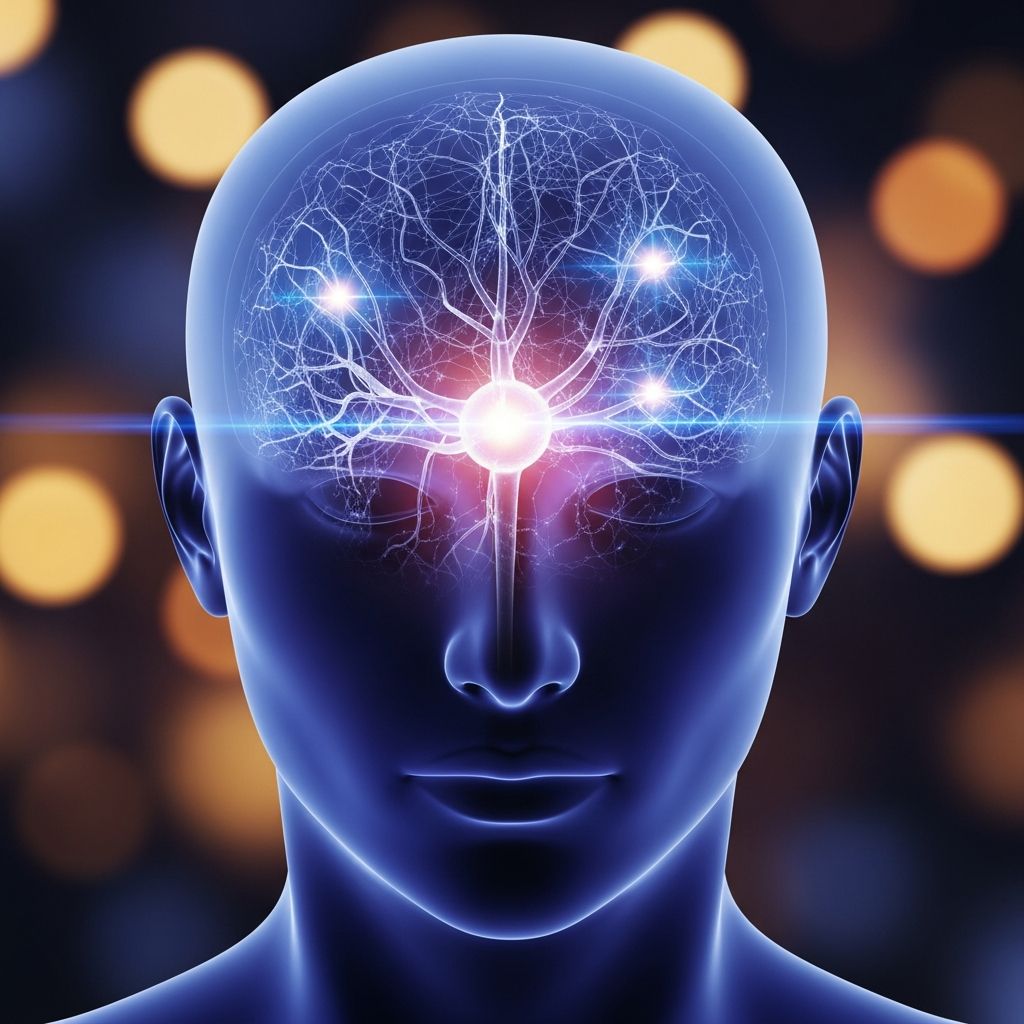
Generalized seizures represent a significant category of epileptic events that affect approximately 40 percent of people living with epilepsy. These seizures are fundamentally different from other seizure types because they involve abnormal electrical activity occurring simultaneously across both hemispheres of the brain. This widespread neurological activity distinguishes generalized seizures from focal seizures, which occur only on one side of the brain and may not involve loss of consciousness. When abnormal electrical discharges affect the entire brain at once, they typically result in loss of awareness or consciousness, along with symptoms that can impact the entire body.
The classification of generalized seizures depends on whether they involve motor symptoms (affecting movement) or nonmotor symptoms. Understanding the specific type of generalized seizure a person experiences is crucial for appropriate diagnosis, treatment selection, and management strategies. Healthcare providers use various diagnostic tools, most notably electroencephalography (EEG), to identify unusual brain wave patterns and determine the precise seizure classification.
Types of Generalized Seizures
Generalized seizures are classified into two main categories by the International League Against Epilepsy: motor seizures and nonmotor seizures. Each type presents with distinct characteristics and symptom patterns that help medical professionals identify and treat them appropriately.
Generalized Tonic-Clonic Seizures
Generalized tonic-clonic (GTC) seizures, formerly known as grand mal seizures, represent one of the most recognizable and potentially severe forms of generalized seizures. These seizures consist of several distinct phases that can vary between individuals, and understanding each phase helps caregivers and patients prepare and respond appropriately.
The Prodromal Phase: Before a GTC seizure begins, some individuals experience a prodromal phase characterized by warning signs or distinct feelings they have learned to associate with approaching seizures. Only about 20 percent of people with epilepsy experiencing GTC seizures go through this phase. During this time, individuals might notice mood swings, headaches, or confusion that serve as personal warning indicators.
The Ictal Phase: The ictal phase represents the actual seizure period, beginning with potential auras and continuing through the seizure’s end. During this phase, individuals may experience muscle contractions, twitching, loss of bowel or bladder control, and memory lapses. The characteristic movements that give GTC seizures their name occur during this phase—”tonic” refers to muscle stiffening, while “clonic” refers to jerking movements.
The Postictal Phase: Following a GTC seizure, individuals enter the postictal phase, which can last from minutes to several days depending on individual factors and seizure severity. During this recovery period, people commonly experience soreness, nausea, headaches, sadness, memory loss, or confusion. The length and intensity of postictal symptoms vary based on how extensively the brain was affected during the seizure.
Tonic Seizures
Tonic seizures involve a sudden stiffening or tightening of muscles throughout the body. During these seizures, individuals lose consciousness as their muscles contract intensely, often causing the back to arch. The arms, legs, and chest muscles tighten severely, and the eyes typically roll back in the head. One particularly concerning feature of tonic seizures is that the tightened chest muscles can make breathing difficult, potentially causing the lips or face to turn blue during the event.
Related Stories



Clonic Seizures
Clonic seizures are characterized by rhythmic twitching or jerking movements that typically affect the arms and legs, though muscles in the neck and face may also be involved. These jerking movements generally slow gradually before stopping completely. As the seizure subsides, individuals commonly let out a deep sigh as their muscle activity normalizes.
Absence Seizures
Absence seizures represent a unique category of generalized seizures that are often subtle and may go unnoticed by bystanders. These seizures can occur multiple times daily, and due to their brief duration and understated presentation, people nearby might not realize a seizure is happening. Typical absence seizures are very short, lasting only seconds.
Atypical absence seizures present differently, tending to be longer in duration, developing more gradually, and featuring more pronounced symptoms. An atypical absence seizure may last 20 seconds or longer and may include facial spasms, eyelid fluttering, or lip-smacking movements that are more noticeable than typical absence seizures.
Atonic Seizures
Atonic seizures, sometimes referred to as drop attacks, cause a sudden and complete loss of muscle tone. During an atonic seizure, individuals become limp, resulting in sudden falling if they were standing or dropping their head if seated. The person experiencing an atonic seizure remains unresponsive until the seizure concludes. Atonic seizures are particularly associated with Lennox-Gastaut syndrome, a rare form of epilepsy that typically develops between ages 3 and 5.
Diagnosis of Generalized Seizures
Accurate diagnosis of generalized seizures involves comprehensive evaluation by healthcare professionals using multiple diagnostic approaches. The electroencephalogram (EEG) is the primary tool for identifying seizure types, as it records electrical activity in the brain and can reveal unusual waves or spikes that provide diagnostic clues about the specific seizure type.
Beyond EEG monitoring, healthcare providers typically conduct thorough patient histories, neurological examinations, and may utilize imaging studies such as MRI to identify any structural abnormalities in the brain that might be causing seizures. Proper diagnosis is essential for determining the most effective treatment approach tailored to the individual’s specific seizure type and underlying cause.
Causes and Risk Factors
Generalized seizures can occur in individuals with and without an epilepsy diagnosis. However, when someone experiences two or more unprovoked generalized seizures not caused by fever, they may receive a generalized epilepsy diagnosis. Generalized epilepsy can result from various factors, including brain damage, genetic factors, brain tumors, stroke, or infectious diseases such as meningitis or encephalitis.
Understanding the underlying cause of generalized seizures is crucial for treatment planning, as addressing the root cause may help control or eliminate seizures in some cases. Some individuals may develop generalized epilepsy over time as a consequence of acquired brain conditions, while others may inherit genetic predispositions to seizure disorders.
Treatment Options for Generalized Seizures
No single treatment is universally effective for all types of generalized seizures, as optimal management depends on the specific seizure type, seizure origin in the brain, and the underlying cause. However, multiple treatment modalities are available to help individuals manage their condition effectively.
Medication Management
Antiepileptic medications represent the first-line treatment for most people with generalized seizures. These medications work through various mechanisms to reduce the frequency and severity of seizures. Treatment selection depends on factors including the specific seizure type, patient age, other medications, and potential side effects.
Specialized Diets
For individuals who do not respond adequately to medications alone, specialized diets such as the ketogenic diet or modified Atkins diet may provide additional seizure control. These dietary approaches have shown effectiveness, particularly in certain types of generalized epilepsy, especially in children with treatment-resistant seizures.
Surgical Interventions
When seizures originate from a specific, identifiable brain region and medications prove inadequate, surgical intervention may be considered. Surgical options range from laser ablation to open surgical resection, depending on seizure location and the presence of structural abnormalities. Surgical treatment requires careful evaluation to ensure that removing or interrupting the seizure-generating area will not cause significant neurological damage.
Neuromodulation Devices
For individuals with multiple seizure foci or those who cannot undergo traditional surgery, neuromodulation devices such as vagus nerve stimulation may offer beneficial seizure control. These devices transmit electrical signals to interrupt seizure formation, with studies showing that approximately 60 percent of patients experience significant improvement in seizure control.
Living with Generalized Seizures
Managing generalized seizures requires ongoing collaboration between patients, caregivers, and healthcare providers. Individuals with generalized seizures should maintain consistent medication schedules, avoid known seizure triggers, maintain adequate sleep, and work closely with their medical team to optimize treatment effectiveness.
Education for both patients and caregivers about seizure recognition, first aid response, and safety precautions is essential for managing this condition effectively. Understanding the specific type of seizure an individual experiences helps caregivers provide appropriate support and recognize warning signs when possible.
Frequently Asked Questions
Q: What is the difference between generalized and focal seizures?
A: Generalized seizures involve abnormal electrical activity across both brain hemispheres simultaneously, typically causing loss of consciousness and affecting the entire body. Focal seizures begin in one specific brain area and may not involve loss of consciousness unless they spread to become secondarily generalized.
Q: How are generalized seizures diagnosed?
A: Diagnosis primarily involves electroencephalography (EEG) to detect abnormal brain wave patterns, combined with patient history, neurological examination, and imaging studies like MRI to identify any underlying structural abnormalities.
Q: Can generalized seizures be cured?
A: While not all generalized seizures can be cured, many can be effectively managed or controlled with appropriate treatment, including medications, specialized diets, or surgery depending on the underlying cause and seizure type.
Q: What should I do if someone has a generalized seizure?
A: During a generalized seizure, keep the person safe by removing dangerous objects nearby, cushioning their head, turning them on their side if possible to maintain airway, and remaining with them until full consciousness returns. Call emergency services if the seizure lasts longer than five minutes or if injuries occur.
Q: What percentage of people with epilepsy experience generalized seizures?
A: Approximately 40 percent of people with epilepsy experience generalized seizures, making them a relatively common seizure type among the epilepsy population.
Q: Are there warning signs before a generalized seizure?
A: Some individuals experience a prodromal phase with warning signs such as mood changes, headaches, or unusual feelings before a seizure begins. However, only about 20 percent of people with generalized tonic-clonic seizures experience this prodromal phase.
References
- Generalized Seizures Overview — MyEpilepsyTeam. 2024. https://www.myepilepsyteam.com/resources/what-are-generalized-seizures
- Seizures and Epilepsy: An Overview for Neuroscientists — Johns Hopkins University School of Medicine. 2024. https://pure.johnshopkins.edu/en/publications/seizures-and-epilepsy-an-overview-for-neuroscientists-6/
Similar Articles








Read full bio of medha deb