Generalized Seizures: Understanding Grand Mal Seizures
Comprehensive guide to generalized seizures, symptoms, causes, and management strategies.
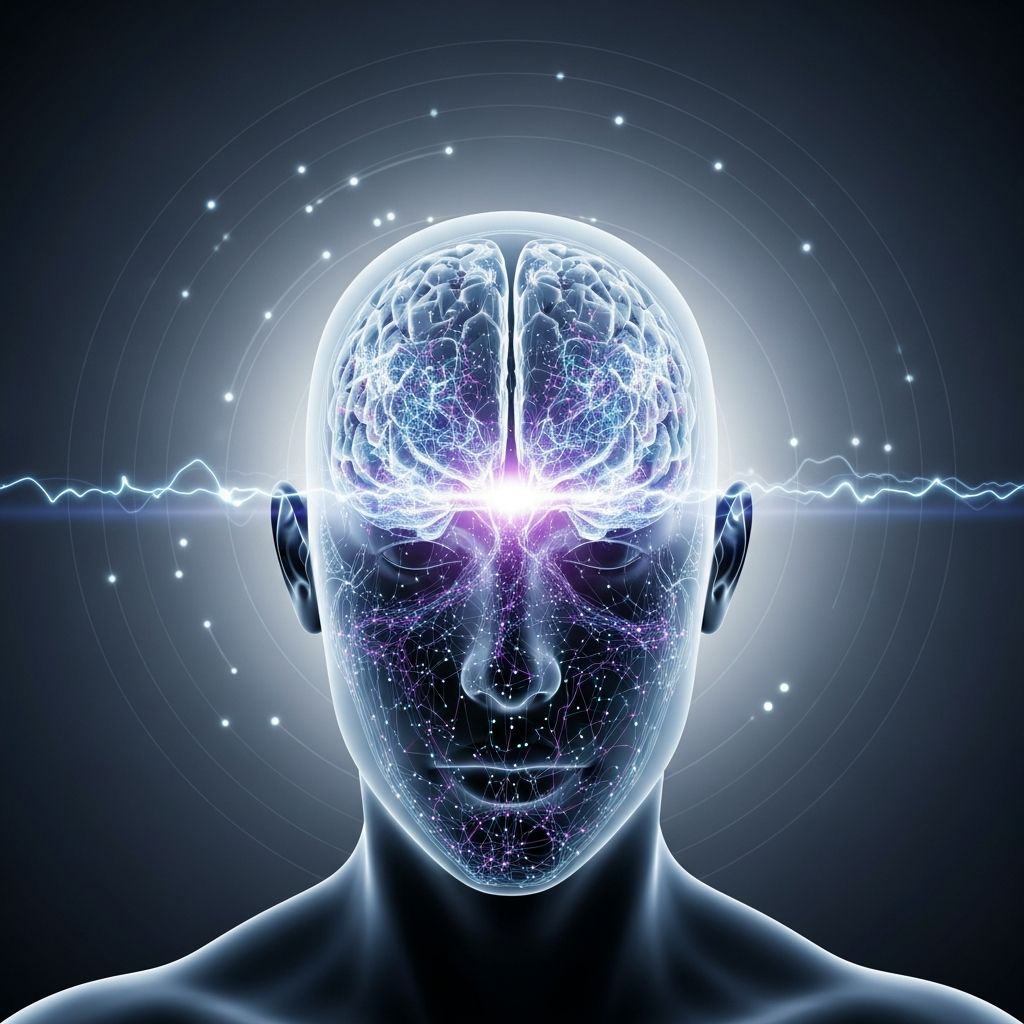
Generalized seizures, previously known as grand mal seizures, represent one of the most recognizable and dramatic forms of epileptic episodes. These seizures involve excessive electrical activity that begins (or appears to begin) on both sides of the brain simultaneously, resulting in widespread neurological effects. Understanding the nature of generalized seizures is essential for patients, families, and caregivers to recognize symptoms, seek appropriate treatment, and implement safety measures.
A generalized seizure typically causes a loss of consciousness or awareness and may also produce abnormal movements on both sides of the body. The term “grand mal” is now considered outdated medical terminology, with modern healthcare providers preferring the more descriptive term “tonic-clonic seizure” or “generalized seizure.” This shift in terminology reflects a more precise understanding of the seizure mechanism and allows for clearer communication among medical professionals.
What Are Generalized Seizures?
Generalized seizures are neurological events characterized by simultaneous electrical disturbances across both hemispheres of the brain. Unlike focal seizures, which originate in a specific brain region and may remain localized, generalized seizures involve widespread electrical discharge from the onset. This widespread activity distinguishes them from partial seizures that may later spread to cause secondary generalization.
During a generalized seizure, the excessive electrical activity causes significant changes in behavior, consciousness, and body movements. The brain’s normal electrical signaling becomes disrupted, leading to the characteristic symptoms associated with these seizures. Most people with generalized seizures lose consciousness during the episode, distinguishing them from focal seizures where consciousness may be retained.
Generalized seizures can be subdivided into two primary categories based on their effects on body movement and awareness:
Generalized Motor Seizures
Generalized motor seizures cause a person to lose awareness while experiencing significant muscle movements. During these seizures, muscles may stiffen, relax, jerk, spasm, or shake, or individuals may experience a combination of these movements. Tonic-clonic seizures represent the most well-known type of generalized motor seizure, characterized by two distinct phases of muscle activity.
Generalized Nonmotor (Absence) Seizures
Generalized nonmotor seizures, also called absence seizures, produce short, sudden lapses of consciousness that may go unnoticed by observers. These seizures often last only seconds and were previously termed “petit mal” seizures. People experiencing absence seizures may stare into space, blink rapidly, or make subtle hand or chewing movements.
Tonic-Clonic Seizures: The Most Common Type
Tonic-clonic seizures are the most widely recognized form of generalized seizure, representing what most people envision when they think of a seizure episode. These seizures cause a loss of consciousness and involve violent or intense muscle contractions that progress through two distinct phases.
The Tonic Phase
The tonic phase marks the beginning of a tonic-clonic seizure and typically lasts approximately 10 to 20 seconds. During this phase, several characteristic events occur:
- The person often makes a sound, such as a groan or yell, as air is forced through the vocal cords
- Muscles suddenly become stiff and rigid throughout the body
- The person typically falls down due to the muscle stiffness
- Loss of consciousness occurs rapidly
- The eyes may roll back
- The person may experience involuntary loss of bladder or bowel control
Related Stories



The Clonic Phase
Following the tonic phase, the clonic phase begins as muscles transition from stiffness to rhythmic contractions. This phase usually lasts one to two minutes or less. During the clonic phase:
- The arms and legs jerk in a rhythmic pattern
- Muscles alternately flex and relax repeatedly
- Convulsions involve the entire body or large muscle groups
- Drooling or foaming at the mouth may occur
- The person may bite their tongue or cheek inadvertently
- Skin may appear bluish if breathing becomes difficult
Recognizing Symptoms of Generalized Seizures
Generalized seizures produce a range of symptoms that can vary in intensity and presentation among individuals. Understanding these symptoms helps patients and caregivers identify when a seizure is occurring and respond appropriately.
During the Seizure
Observable symptoms during a generalized seizure include:
- Loss of consciousness or awareness
- Sudden falling to the ground
- Muscle stiffness or rigidity
- Rhythmic jerking or convulsive movements
- Vocalization such as crying out, groaning, or yelling
- Loss of bladder and bowel control
- Possible injury from falling
After the Seizure (Postictal Period)
Following a generalized seizure, individuals typically experience a postictal period characterized by specific aftereffects:
- Confusion and disorientation lasting minutes to hours
- Severe fatigue and sleepiness
- Headache, sometimes quite intense
- Delayed return to consciousness, sometimes taking several minutes
- Muscle soreness or pain from the convulsions
- Memory gaps regarding the seizure event
Causes of Generalized Seizures
Generalized seizures most commonly result from epilepsy, a chronic neurological condition characterized by recurrent seizures. However, generalized seizures can also be triggered by various other health conditions and circumstances:
- High fever, particularly in young children (febrile seizures)
- Head injury or traumatic brain damage
- Stroke or cerebrovascular events
- Brain tumors or abnormal growths
- Infections affecting the brain, such as meningitis or encephalitis
- Metabolic disorders or severe electrolyte imbalances
- Alcohol withdrawal
- Medication side effects or toxicity
- Genetic or hereditary predisposition to seizures
Diagnosis of Generalized Seizures
Accurate diagnosis of generalized seizures requires a comprehensive evaluation by a healthcare professional, typically a neurologist. The diagnostic process includes:
Medical History and Physical Examination
Healthcare providers begin by obtaining a detailed medical history, including the circumstances surrounding the seizure, any warning signs or aura, duration of the episode, and recovery time. Witnesses to the seizure can provide valuable information about the visible symptoms and progression of the event.
Electroencephalography (EEG)
EEG is the primary diagnostic tool for evaluating seizures. This test records the brain’s electrical activity using electrodes placed on the scalp. During a generalized seizure, EEG typically shows characteristic patterns of abnormal electrical discharge across both brain hemispheres simultaneously. Even between seizures, EEG may reveal abnormalities suggesting a predisposition to seizures.
Neuroimaging Studies
Magnetic resonance imaging (MRI) or computed tomography (CT) scans may be ordered to identify structural abnormalities in the brain that could cause seizures, such as tumors, lesions, or areas of scarring.
Blood Tests
Laboratory tests can help identify metabolic causes of seizures, including electrolyte imbalances, blood glucose abnormalities, or evidence of infection.
Treatment Options for Generalized Seizures
Treatment approaches for generalized seizures depend on the underlying cause and individual patient factors. The primary goal is to achieve seizure control with minimal medication side effects.
Antiepileptic Medications
Medications represent the first-line treatment for most patients with recurrent generalized seizures. Several classes of antiepileptic drugs (AEDs) are effective for generalized seizures, including:
- Valproic acid and divalproex sodium
- Lamotrigine
- Levetiracetam
- Topiramate
- Phenobarbital (older medication, less commonly used now)
- Phenytoin (older medication, less commonly used now)
Medication selection depends on seizure type, patient age, other medical conditions, potential drug interactions, and individual tolerance. Most patients achieve seizure control with the first or second medication tried, though some individuals require combination therapy.
Surgical Intervention
For patients whose seizures cannot be adequately controlled with medications (drug-resistant epilepsy), surgical intervention may be considered. Surgery involves identifying and removing the brain region responsible for generating seizures. Success rates vary depending on the underlying cause and location of the seizure focus.
Lifestyle Modifications
Complementary approaches to seizure management include:
- Maintaining consistent sleep schedules
- Avoiding alcohol consumption
- Managing stress through relaxation techniques
- Taking medications exactly as prescribed
- Identifying and avoiding personal seizure triggers
- Maintaining good overall health through exercise and nutrition
Safety Considerations and Precautions
Living with generalized seizures requires careful attention to safety to prevent injury during seizure episodes. Important safety considerations include:
Activity Restrictions
Individuals with uncontrolled seizures should avoid activities that pose significant risk during a seizure episode. These include driving a car or operating heavy machinery, swimming or bathing alone, working at heights, or operating potentially dangerous equipment. Activities should be reassessed once seizures are controlled.
Environmental Safety
Modify the home environment to reduce injury risk during seizures:
- Remove sharp objects from areas where seizures typically occur
- Use protective padding on furniture corners and hard surfaces
- Install seizure alert systems that monitor and alert caregivers
- Keep emergency medications easily accessible
- Maintain clear pathways to prevent tripping hazards
Medical Alert Identification
Patients should wear medical alert bracelets or necklaces identifying their seizure condition. This helps emergency responders understand the situation if a seizure occurs in public.
Emergency Preparedness
Develop an emergency action plan with family members and caregivers. This plan should include recognizing when a seizure is occurring, appropriate first aid measures, when to call emergency services, and medication administration protocols.
Types of Generalized Seizures Beyond Tonic-Clonic
While tonic-clonic seizures are the most common and recognizable type of generalized seizure, several other generalized seizure types exist:
Absence Seizures
Also called petit mal seizures, absence seizures cause brief lapses in consciousness lasting typically less than 30 seconds. The person may stare blankly, blink rapidly, or exhibit subtle movements. These seizures may occur dozens of times per day and sometimes go unrecognized as seizure activity.
Myoclonic Seizures
These seizures involve sudden, brief muscle jerks or twitches lasting only a couple of seconds. A person may experience several myoclonic seizures over a short period, often occurring when waking in the morning.
Atonic Seizures (Drop Attacks)
Atonic seizures cause sudden loss of muscle tone, resulting in the person dropping to the ground. These seizures pose particular injury risk and typically require protective headgear during the day.
Tonic Seizures
These seizures cause muscles to become stiff and rigid, often resulting in falls. They typically last longer than myoclonic seizures but shorter than tonic-clonic seizures.
Clonic Seizures
Characterized by repetitive, rhythmic jerking movements without the initial stiffening phase seen in tonic-clonic seizures, these seizures are less common than other generalized seizure types.
Prognosis and Long-Term Outlook
The prognosis for individuals with generalized seizures has improved significantly with modern antiepileptic medications. Approximately 70% of newly diagnosed patients achieve seizure control with the first medication attempted, while additional patients respond to alternative medications or combinations. With appropriate treatment, many individuals can live normal, productive lives with minimal lifestyle restrictions.
However, some patients develop drug-resistant epilepsy, requiring more intensive management approaches. Continued research into seizure mechanisms and new treatment options offers hope for improved outcomes for these challenging cases.
Frequently Asked Questions (FAQs)
Q: What is the difference between generalized and focal seizures?
A: Generalized seizures involve abnormal electrical activity across both brain hemispheres simultaneously and typically cause loss of consciousness, while focal seizures originate in a specific brain region and may not involve loss of awareness. Some focal seizures can spread to become secondarily generalized.
Q: How long does a typical tonic-clonic seizure last?
A: A typical tonic-clonic seizure lasts one to three minutes total, with the tonic phase lasting approximately 10 to 20 seconds and the clonic phase lasting one to two minutes. However, recovery may take much longer, with confusion and fatigue persisting for hours afterward.
Q: What should I do if someone is having a generalized seizure?
A: Stay calm, protect the person from injury by moving dangerous objects away, place a soft object under their head, turn them on their side if possible to keep airways clear, and time the seizure. Call emergency services immediately if the seizure lasts longer than five minutes, if another seizure begins before consciousness is regained, or if this is the person’s first seizure.
Q: Can generalized seizures be cured?
A: While generalized seizures cannot always be completely cured, they can usually be effectively managed with medication. About 50% of people with epilepsy eventually become seizure-free, either through medication or other treatments. However, lifelong management is often necessary.
Q: Is it safe to drive with a history of generalized seizures?
A: Driving restrictions vary by location and depend on seizure control. Most jurisdictions require a seizure-free period (typically 3-12 months) before driving is permitted. Always consult with your healthcare provider and local motor vehicle regulations regarding driving privileges.
Q: Can stress trigger generalized seizures?
A: Yes, stress is a common seizure trigger for many people with epilepsy. Other common triggers include lack of sleep, alcohol consumption, missed medications, hormonal changes, and certain foods or environmental factors. Identifying personal triggers can help with seizure management.
References
- Types of Seizures | Epilepsy — Centers for Disease Control and Prevention (CDC). 2024-11-15. https://www.cdc.gov/epilepsy/about/types-of-seizures.html
- Tonic-Clonic (Grand Mal) Seizure — Symptoms and Causes — Mayo Clinic. 2024. https://www.mayoclinic.org/diseases-conditions/grand-mal-seizure/symptoms-causes/syc-20363458
- Types of Epileptic Seizures — Barrow Neurological Institute. 2024. https://www.barrowneuro.org/resource/types-of-epileptic-seizures-2/
- Types of Epilepsy & Seizure Disorders — NYU Langone Health. 2024. https://nyulangone.org/conditions/epilepsy-seizure-disorders/types
- Understanding Pediatric Epilepsy: Types of Seizures — American Academy of Pediatrics (AAP). 2024. https://www.aap.org/en/patient-care/epilepsy/understanding-pediatric-epilepsy/understanding-pediatric-epilepsy-types-of-seizures/
Similar Articles








Read full bio of Sneha Tete