Genetic Disorders: Types, Causes & Treatment
Comprehensive guide to understanding genetic disorders, inheritance patterns, and clinical management options.
Understanding Genetic Disorders
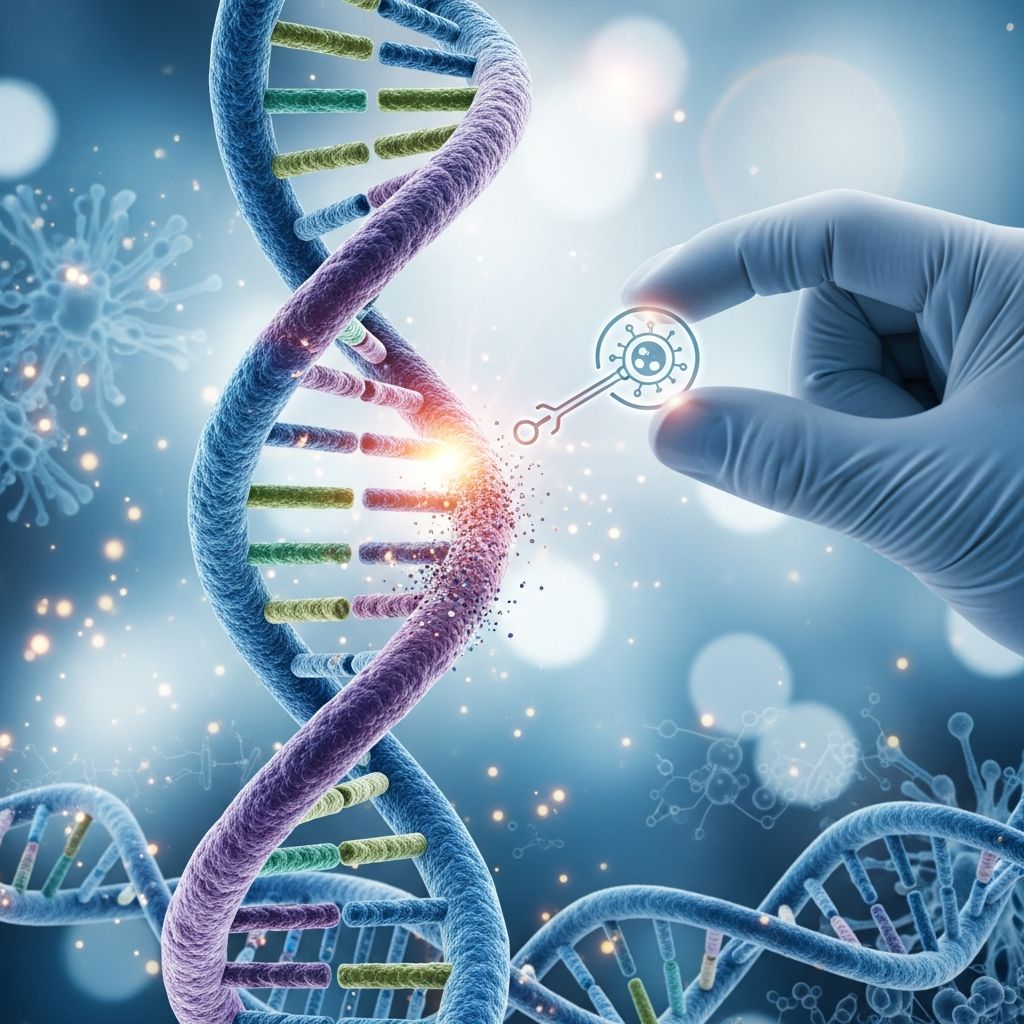
A genetic disorder is a condition caused by changes in your genome, or the genetic material present in a human. It includes your DNA, genes and chromosomes. These conditions can significantly impact your health and quality of life, but understanding them is the first step toward effective management and treatment. Genetic disorders can be inherited from parents or can occur randomly without any family history. Whether you have a personal or family history of genetic conditions, learning about these disorders helps you make informed decisions about your health and your family’s wellbeing.
What Causes Genetic Disorders?
Genetic disorders arise from several different factors that affect your genetic material. Understanding the underlying causes helps explain why these conditions develop and how they may be passed from one generation to the next. The primary causes include inherited mutations from parents, spontaneous mutations that occur during cell division, and environmental factors that may trigger genetic changes in certain individuals.
You can inherit a genetic condition from your parents if it’s present in the germ cell DNA in the sperm or egg. Alternatively, a genetic condition can happen randomly, without having a history of the genetic condition in your family. This means that even if no one else in your family has a genetic disorder, you could still develop one due to spontaneous genetic changes.
Types of Genetic Inheritance Patterns
Genetic disorders follow specific inheritance patterns that determine how conditions are passed from parents to children. Understanding these patterns is essential for assessing your risk and the risk to your family members. The main inheritance patterns include autosomal dominant, autosomal recessive, X-linked, and mitochondrial inheritance.
Autosomal Recessive Inheritance
In autosomal recessive inheritance, two disease-causing (pathogenic) variants in a gene are required for disease development, usually one copy from each parent. Parents who have one pathogenic variant, often referred to as carriers, are typically not affected with the condition. However, when parents who are carriers of pathogenic variants in the same gene have children, each child has a 25% chance of inheriting the disease. This means that two carrier parents could have children who are completely unaffected, carriers like themselves, or affected by the condition.
Autosomal Dominant Inheritance
In autosomal dominant inheritance, only one copy of a mutated gene is needed to cause the condition. An affected parent has a 50% chance of passing the condition to each child, regardless of the child’s sex. Examples of autosomal dominant conditions include Huntington’s disease and some forms of familial Alzheimer’s disease.
X-linked Inheritance
X-linked genetic disorders are caused by mutations on the X chromosome. Males, who have only one X chromosome, are more commonly affected by X-linked recessive conditions because they have no second X chromosome to mask the mutation. Females, having two X chromosomes, are typically carriers but may show symptoms if they have mutations on both X chromosomes.
Common Genetic Disorders
Numerous genetic disorders affect populations worldwide, each with distinct characteristics and health implications. These conditions range from relatively common chromosomal abnormalities to rare inherited diseases affecting specific body systems. Awareness of these conditions helps individuals recognize symptoms and seek appropriate medical care.
Related Stories



Chromosomal Abnormalities
Chromosomal abnormalities occur when there are errors in the number or structure of chromosomes. Trisomy is a genetic condition where a person is born with an extra chromosome, resulting in 47 chromosomes instead of the typical 46. The most common type of trisomy is Down syndrome (Trisomy 21). Other trisomy conditions include Trisomy 18 (Edwards syndrome) and Trisomy 13 (Patau syndrome). Sex chromosome trisomies can also occur, affecting the 23rd pair of chromosomes responsible for sex determination.
Neurological Genetic Disorders
Several genetic disorders affect the nervous system, including Huntington’s disease, early-onset Alzheimer’s disease, neurofibromatosis, and Charcot-Marie-Tooth disease. These conditions often cause progressive neurological decline, movement problems, or sensory loss. Genetic testing and counseling can help identify individuals at risk and inform treatment strategies.
Metabolic and Mitochondrial Disorders
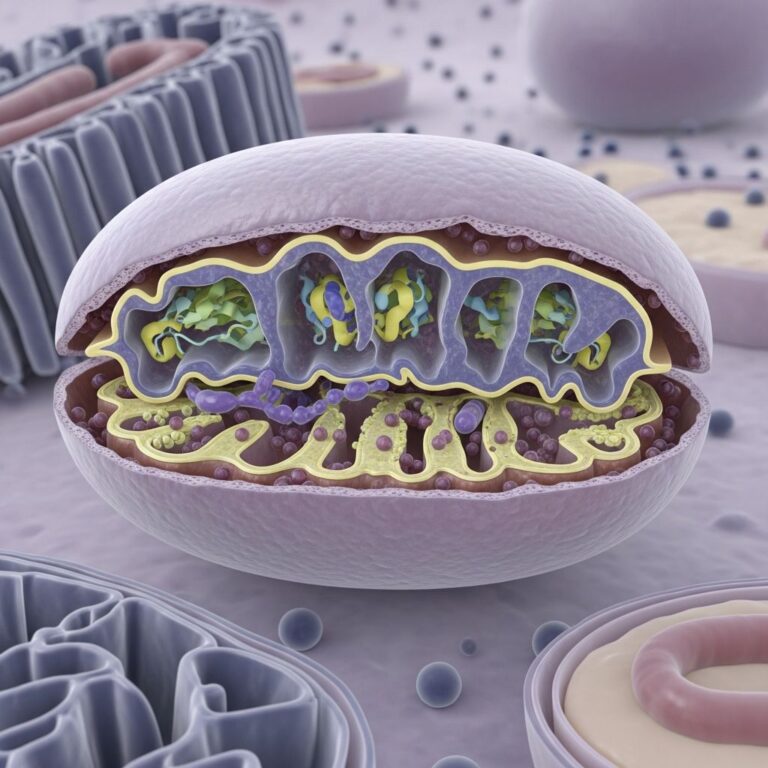
Metabolic disorders result from defects in genes that code for enzymes involved in breaking down food and producing energy. These include conditions such as lysosomal storage disorders and mitochondrial disorders, which affect the energy-producing structures in cells. Symptoms can range from mild to severe and may include developmental delays, muscle weakness, and organ dysfunction.
Blood Disorders
Genetic blood disorders include sickle cell disease, thalassemia, cystic fibrosis, and thrombophilia. These conditions affect the production or function of blood cells and proteins, impacting oxygen transport and blood clotting. Carrier screening can identify individuals who carry genes for these conditions.
Genetic Testing and Diagnosis
DNA tests, also known as gene testing, are medical tests that can identify changes (variations) in your genes, chromosomes and DNA. These tests play a crucial role in diagnosing genetic disorders and assessing your risk for developing certain conditions. There are several types of genetic tests available, each serving a specific purpose in the diagnostic process.
Types of Genetic Tests
Carrier Screening: Carrier screening can tell you if you carry a copy of an altered gene for an autosomal recessive disease. This test is particularly important for people planning pregnancy or with a family history of genetic conditions.
Diagnostic Testing: Diagnostic tests confirm or rule out a suspected genetic disorder in individuals showing symptoms or with a strong family history.
Prenatal Testing: These tests assess whether a fetus has certain genetic conditions, helping parents make informed decisions about pregnancy management.
Predictive Testing: Predictive tests identify whether someone will develop a genetic disorder later in life, even if they currently show no symptoms.
The Diagnostic Process
The comprehensive method for genetic diagnosis involves several steps: diagnosis of a genetic condition through review of family and medical history, examination by a clinical geneticist, and if appropriate, genetic testing. Following testing, healthcare providers review any abnormal genetic test results and educate patients about their specific diagnosis and associated health risks.
Genetic Counseling and Support
Genetic counseling is a vital component of managing genetic disorders. The Center for Personalized Genetic Healthcare provides comprehensive genetic counseling that involves multiple essential elements to support patients and families.
Components of Genetic Counseling
Education and Risk Assessment: Healthcare providers explain your specific diagnosis, associated health risks, and inheritance patterns so you understand how the condition affects you and your family.
Family Discussion: Genetic counselors help discuss health risks to family members and recommend genetic testing for at-risk relatives. Coordination of testing can be provided if family members wish to pursue it.
Medical Management: Counselors suggest future medical care options to optimize your health and help prevent complications associated with your genetic condition.
Emotional Support: Learning that you or your child may have a genetic condition can be frightening and confusing. Genetic counselors provide emotional support alongside medical information to help families navigate their diagnosis.
Preparing for Your Genetic Evaluation
To make the most of your visit with a genetic specialist, you should gather family health history information prior to your appointment. This includes discussing with relatives about genetic or developmental conditions running in your family. Key information to collect includes the names and ages of family members, specific diagnoses, ages at diagnosis, and any relevant health outcomes.
Personalized Genetic Healthcare
Modern genetic medicine emphasizes personalized treatment centered around your unique genetic profile and its impact on you and your family. Cleveland Clinic’s Center for Personalized Genetic Healthcare (CPGH), the clinical component of the Genomic Medicine Institute, is among the nation’s leading authorities in genetic and genomic medicine, recognized worldwide for excellence in patient care. This approach integrates genetic information into your overall healthcare plan, allowing for customized screening guidelines, medical management, and treatment options.
Specialized Clinics and Services
Specialized genetics clinics address specific genetic conditions and populations. Adult genetics services include clinics focusing on early-onset Alzheimer’s disease, Huntington’s disease, neurofibromatosis, and tuberous sclerosis. Pediatric genetics services provide evaluation and support for children with genetic conditions, including specialized clinics for hearing loss, developmental delay, and metabolic disorders.
Who Should See a Genetic Specialist?
You should consider having a genetic evaluation if you have a family and/or personal history of specific conditions. Indicators for genetic evaluation include known genetic conditions in the family, genetic mutation carriers, families concerned about recurrence risk in future pregnancies, and known family history of genetic or developmental conditions.
In Adults
Adults should seek genetic evaluation if they have a personal or family history of inherited conditions such as Huntington’s disease, myotonic dystrophy, muscular dystrophy, Charcot-Marie-Tooth disease, or thrombophilia. Additionally, if family members are carriers of genetic mutations associated with sickle cell anemia, cystic fibrosis, or Tay-Sachs disease, genetic counseling is recommended.
In Children
Children should be evaluated by a genetics expert if they have developmental delay or learning difficulties, birth defects such as spina bifida or cleft palate, unusual physical features, hearing loss, abnormal growth, muscular dystrophy, abnormal genetic test results, a known or suspected genetic condition, or a family history of genetic conditions. Parents interested in learning about recurrence risks for future children should also seek genetic counseling.
Treatment and Management of Genetic Disorders
Trisomy is a lifelong condition and requires long-term treatment to alleviate any symptoms associated with the condition. Treatment approaches vary depending on the specific genetic disorder but generally focus on managing symptoms, preventing complications, and improving quality of life.
Management Strategies
Medical Monitoring: Regular healthcare visits and screening help identify and manage complications early. Children born with trisomy will have subsequent health concerns that arise following their diagnosis like frequent ear infections, heart problems or sleep apnea, but with adequate treatment, your child will be able to live a happy and full life.
Specialized Therapies: Physical therapy, occupational therapy, and speech therapy help individuals with genetic disorders maximize their functional abilities and independence.
Medication Management: Medications may be prescribed to manage specific symptoms or prevent complications associated with genetic conditions.
Surgical Interventions: Some genetic disorders may require surgical correction of structural abnormalities, such as heart defects or skeletal abnormalities.
Genetic Research and Innovation
Ongoing research in genomic medicine aims to better understand genetic disorders and develop improved diagnostic and treatment approaches. Research teams work to characterize the relationship between mutations and diseases, with the goal of improving diagnostic, prevention, and treatment techniques. This includes studying the frequency of disease characteristics among those with specific genetic alterations and exploring alternative mechanisms of disease in patients without identified variants.
Frequently Asked Questions
Q: Can genetic disorders be prevented?
A: You cannot prevent genetic disorders that occur spontaneously or are inherited from parents. However, genetic counseling and carrier screening can help you understand your risk and make informed reproductive decisions. Prenatal testing can also help identify genetic conditions during pregnancy.
Q: What is the difference between a genetic disorder and a genetic mutation?
A: A genetic mutation is a change in your DNA sequence, while a genetic disorder is a condition caused by changes in your genome. Not all mutations cause disorders; some are benign. A pathogenic variant is a genetic change associated with increased susceptibility or predisposition to a disease or disorder.
Q: How is a genetic disorder diagnosed?
A: Diagnosis involves review of family and medical history, examination by a clinical geneticist, and genetic testing if appropriate. Healthcare providers analyze test results and provide counseling about your diagnosis and health implications.
Q: What should I bring to my genetic counseling appointment?
A: Bring family health history information including names, ages, and specific diagnoses of relatives. Also bring any previous medical records, genetic test results, or documentation of genetic conditions in your family.
Q: Can genetic disorders skip generations?
A: Yes, in autosomal recessive inheritance patterns, genetic disorders can appear to skip generations. Carriers with one copy of a mutated gene typically don’t show symptoms but can pass the condition to their children if their partner is also a carrier.
Q: What does it mean to have a family history of genetic disorders?
A: A family history of genetic disorders means that one or more relatives have had a diagnosed genetic condition. This increases your risk of inheriting or developing the same condition and warrants genetic evaluation and counseling.
References
- Genetic Disorders & Adult Genetics — Cleveland Clinic. 2024. https://my.clevelandclinic.org/departments/genomics/specialties/adult-genetics
- Genetic Disorders & Pediatric Genomic DNA — Cleveland Clinic. 2024. https://my.clevelandclinic.org/departments/genomics/specialties/pediatric-genetics
- What Is a Genetic Mutation? Definition & Types — Cleveland Clinic. 2024. https://my.clevelandclinic.org/health/body/23095-genetic-mutations-in-humans
- DNA Tests: What Is Gene Testing? — Cleveland Clinic. 2024. https://my.clevelandclinic.org/health/diagnostics/23065-dna-test–genetic-testing
- Commonly-Used Genetic Terms — Cleveland Clinic Laboratories. 2024. https://clevelandcliniclabs.com/laboratory-resources/laboratory-genetic-counseling/definitions-of-commonly-used-genetic-terms/
- Types of Trisomy Disorders — Cleveland Clinic. 2024. https://my.clevelandclinic.org/health/diseases/22912-trisomy
- Center for Personalized Genetic Healthcare — Cleveland Clinic. 2024. https://my.clevelandclinic.org/departments/genomics
Similar Articles








Read full bio of Sneha Tete