Genetic Mutations in Humans: Definition, Types & Effects
Understand genetic mutations: how they occur, their types, and their impact on human health and disease.
Understanding Genetic Mutations in Humans
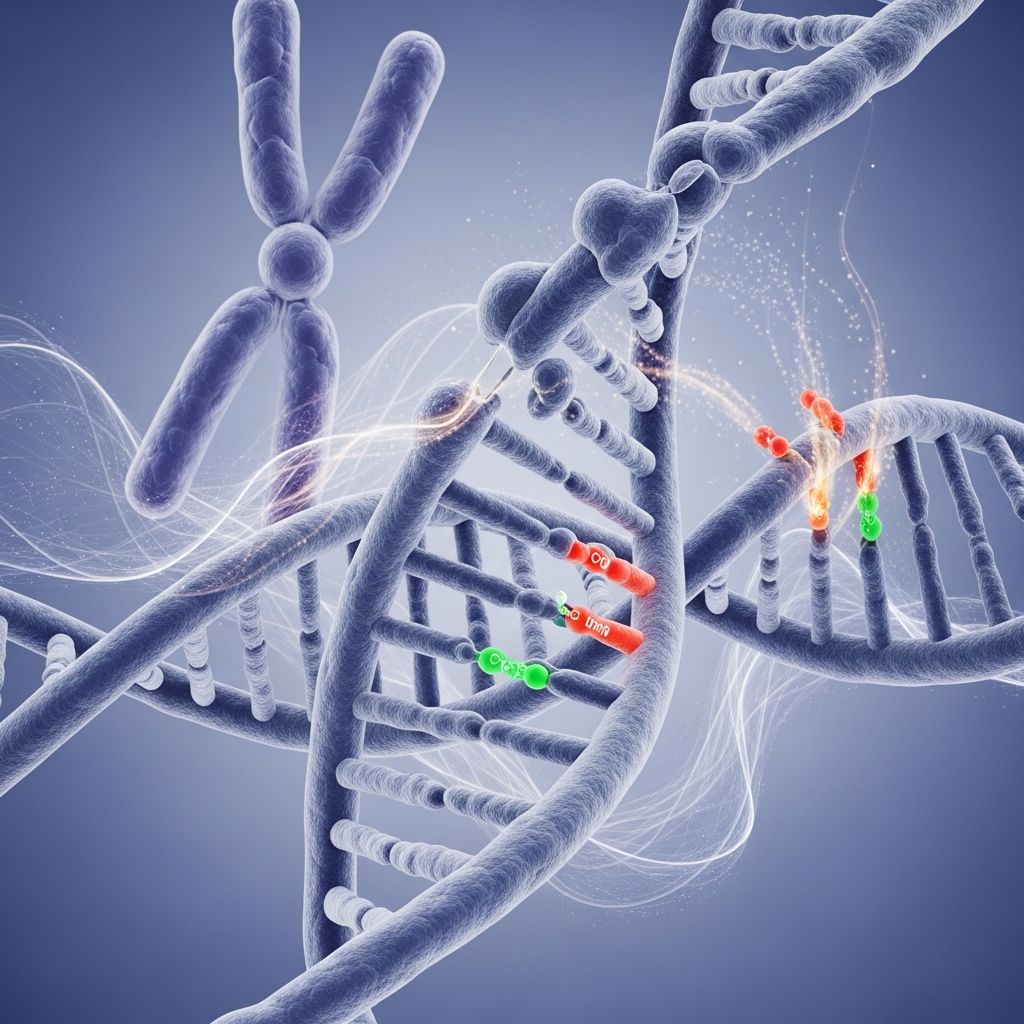
Genetic mutations are permanent changes to your DNA sequence that occur during cell division when your cells make copies of themselves. These alterations can happen spontaneously or be inherited from parents, and they represent the fundamental mechanism through which genetic variation arises in human populations. While the term “mutation” often carries negative connotations in popular culture, mutations are actually essential drivers of human evolution and genetic diversity. Some mutations have no effect on health, while others can lead to significant changes in physical characteristics, disease susceptibility, or cellular function. Understanding what mutations are, how they develop, and their various manifestations is crucial for comprehending human genetics and modern medicine.
What Are Genetic Mutations?
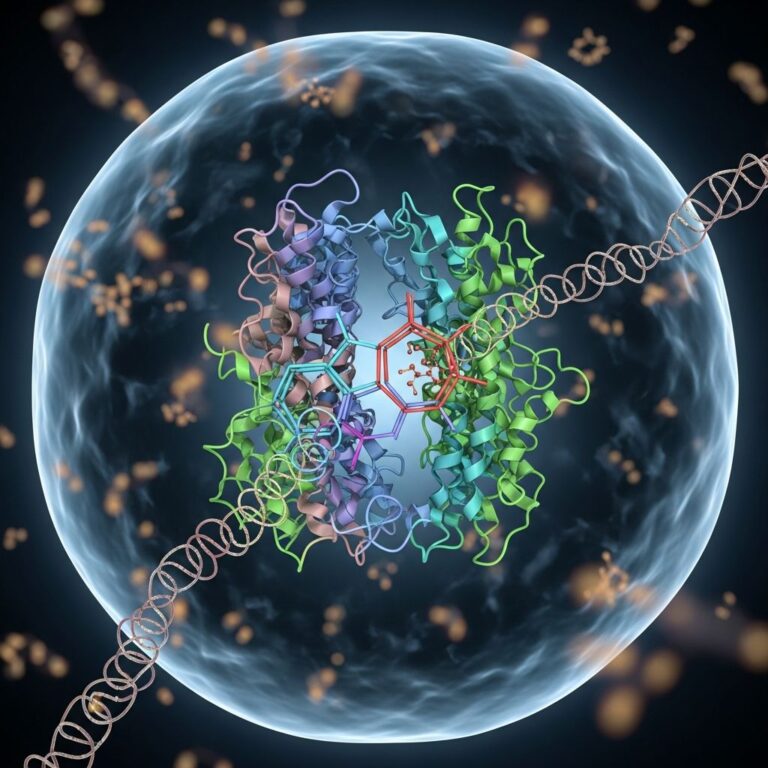
A genetic mutation is defined as any change in the sequence of nucleotides that make up your DNA. Your DNA contains billions of these nucleotides organized into genes and chromosomes. During cell division, your cells must accurately replicate this enormous amount of genetic information. Despite the cell’s sophisticated copying mechanisms, errors occasionally occur, resulting in mutations. These changes can affect a single nucleotide (point mutations) or involve larger segments of DNA. Some mutations occur in genes that produce proteins, directly affecting the structure and function of those proteins. Others occur in regulatory regions that control when genes are turned on or off. The significance of any given mutation depends on its location, the nature of the change, and whether it affects protein function.
How Do Genetic Mutations Occur?
Genetic mutations arise through several different mechanisms, each with distinct characteristics and frequencies:
Spontaneous Mutations
Spontaneous mutations occur naturally during DNA replication when the cell’s copying machinery makes errors. Despite the high fidelity of DNA polymerase enzymes, which have proofreading capabilities, mistakes occasionally slip through. These errors happen at a relatively consistent rate across the genome, contributing to the natural genetic variation observed in human populations. Environmental factors such as radiation, chemicals, and oxidative stress can increase the rate of spontaneous mutations by damaging DNA before replication occurs.
Inherited Mutations
Inherited mutations are passed down from parents to children through reproductive cells. If a mutation exists in the egg or sperm cells that combine to create a new individual, that mutation will be present in every cell of the offspring’s body. These germline mutations can be passed on to subsequent generations, establishing family patterns of genetic conditions. Some inherited mutations are autosomal dominant (requiring only one copy to cause disease), while others are autosomal recessive (requiring two copies), or X-linked (affecting males and females differently).
Environmental Mutations
External environmental factors can increase mutation rates by damaging DNA. Ultraviolet radiation, ionizing radiation, and certain chemicals are well-documented mutagens. Additionally, some viruses can integrate into the genome and cause mutations. Cigarette smoke, asbestos, and certain pesticides represent common environmental exposures that increase mutation risk. The body possesses DNA repair mechanisms to fix many of these damage events, but when repairs fail or are overwhelmed, mutations can result.
Types of Genetic Mutations
Genetic mutations are classified into several categories based on their size, location, and mechanisms of occurrence:
Point Mutations
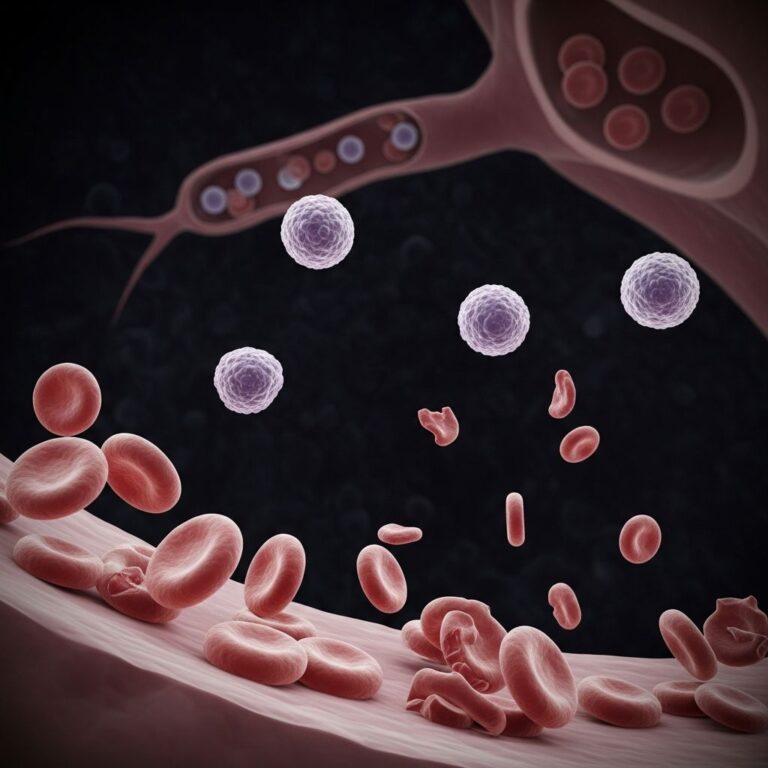
Point mutations involve changes to a single nucleotide in the DNA sequence. These are further subdivided into two main types: substitutions (where one nucleotide is replaced by another) and indels (insertions or deletions of nucleotides). Substitutions can be silent (causing no change in the protein produced), missense (changing the amino acid incorporated into the protein), or nonsense (creating a premature stop signal). A classic example is the point mutation causing sickle cell disease, where a single nucleotide change in the beta-globin gene results in the production of abnormal hemoglobin.
Related Stories



Insertions and Deletions
Insertions occur when extra nucleotides are added into the DNA sequence, while deletions involve the removal of nucleotides. Both types can disrupt the reading frame of genes, causing frameshift mutations that alter all subsequent amino acids in the protein. Even small insertions or deletions can have severe consequences if they shift the reading frame, potentially resulting in nonfunctional proteins. Larger insertions and deletions can remove entire genes or regulatory sequences, leading to loss of function.
Chromosomal Abnormalities
Beyond mutations affecting individual nucleotides, larger-scale changes can occur involving entire chromosomes or large chromosomal segments. Duplications occur when a section of chromosome is copied, resulting in extra genetic material. Inversions happen when a chromosome segment breaks at two points and reinserts in reverse orientation. Translocations involve the transfer of genetic material from one chromosome to another. These chromosomal rearrangements can have significant effects, particularly if they disrupt important genes or create fusion genes with novel functions.
Aneuploidy
Aneuploidy refers to an abnormal number of chromosomes. Normally, humans have 46 chromosomes in 23 pairs. Trisomy occurs when three copies of a chromosome are present instead of two, while monosomy occurs when only one copy is present. Down syndrome (trisomy 21) is a well-known example of aneuploidy, resulting from the presence of three copies of chromosome 21. Aneuploidy typically arises from errors during meiosis when sex cells are formed, often due to improper chromosome segregation.
Effects of Genetic Mutations
The consequences of genetic mutations vary enormously depending on where the mutation occurs and what change it produces:
Beneficial Mutations
While less common than neutral or harmful mutations, some mutations provide advantages to carriers. Beneficial mutations may enhance protein function, increase disease resistance, or improve adaptation to environmental conditions. A notable example is the CCR5-Δ32 mutation, which confers resistance to HIV infection in individuals who carry two copies. Such mutations can increase in frequency within populations over time through natural selection, contributing to evolutionary adaptation.
Neutral Mutations
Many mutations have no discernible effect on health or fitness. These silent mutations may occur in non-coding regions of the genome or may result in codon changes that produce the same amino acid due to the redundancy of the genetic code. Silent mutations in genes don’t alter the protein product and therefore don’t affect phenotype. These neutral variations contribute significantly to genetic diversity without causing disease.
Harmful Mutations
Mutations that damage protein function or disrupt important cellular processes can cause disease. Some harmful mutations lead to loss of protein function, while others result in gain of function where the mutant protein acquires abnormal activity. Harmful mutations can cause rare genetic disorders affecting single genes (monogenic diseases) or can contribute to the development of common diseases like cancer when combined with other mutations and environmental factors. The severity of disease caused by harmful mutations ranges from mild to lethal, depending on the gene affected and whether one or both copies of the gene are mutated.
Genetic Mutations and Disease
Genetic mutations are responsible for thousands of known inherited disorders. In recent research, Cleveland Clinic scientists discovered that up to 5% of Americans—approximately 17 million people—carry genetic mutations associated with increased cancer susceptibility, regardless of whether they have family history or conventional risk factors. This groundbreaking finding analyzed data from over 70 cancer-related genes and identified more than 3,400 unique mutations, revealing that genetic predisposition to cancer may be far more common than previously appreciated. The research team emphasized that these mutations may be underdiagnosed because genetic testing has traditionally been reserved for individuals with strong family histories or other high-risk indicators. Beyond cancer, countless other genetic disorders result from mutations, including cystic fibrosis, hemophilia, muscular dystrophy, and Huntington’s disease. Some conditions follow predictable inheritance patterns, while others arise from spontaneous new mutations. Understanding the genetic basis of disease has opened new therapeutic possibilities, including gene therapy approaches that aim to correct disease-causing mutations.
Screening and Genetic Testing
Modern genetic testing can identify mutations in individuals and families, enabling risk assessment and early intervention. Advances in sequencing technology have made genetic testing more accessible and affordable than ever before. As genetic testing becomes more widespread, expanded screening protocols beyond traditional high-risk groups may help identify more individuals who would benefit from enhanced cancer surveillance and preventive measures. Routine cancer screenings such as mammography and colonoscopy remain important for all Americans regardless of genetic status, as they can detect cancers at earlier, more treatable stages. Pharmacogenetic testing can also identify mutations affecting medication metabolism, helping healthcare providers optimize drug selection and dosing for individual patients, with research suggesting that more than 90% of patients carry at least one genetic variant affecting medication dosing.
Genetic Mutations and Evolution
Mutations are the ultimate source of genetic variation upon which natural selection acts. Over evolutionary time, beneficial mutations increase in frequency within populations while harmful mutations are eliminated. This process has shaped human evolution and the development of human genetic diversity. The accumulation of mutations over millions of years has led to the emergence of new species and the remarkable diversity of life on Earth. Understanding mutation rates and patterns helps scientists trace human evolutionary history and understand our relationships to other species.
Frequently Asked Questions
What is the difference between a mutation and a genetic disorder?
A mutation is a change in DNA sequence, while a genetic disorder is a disease caused by one or more mutations. Not all mutations cause disorders—many are silent or have minimal effects. However, mutations that significantly damage protein function or disrupt essential cellular processes can result in genetic disorders.
Can mutations be prevented?
While spontaneous mutations cannot be completely prevented, exposure to environmental mutagens can be minimized through sun protection, avoiding tobacco and excessive alcohol, limiting radiation exposure, and reducing contact with known carcinogens. During pregnancy, prenatal care and avoidance of teratogens can help protect fetal development.
Are all inherited mutations harmful?
No, many inherited mutations have no effect on health. Additionally, some individuals can carry mutations in recessive genes without developing disease if they inherit only one copy. Only when mutations significantly affect protein function or when harmful recessive mutations are inherited from both parents do genetic disorders typically manifest.
How can genetic testing help with cancer prevention?
Genetic testing can identify individuals at increased cancer risk, enabling enhanced surveillance through more frequent screening and earlier detection at more treatable stages. This personalized approach based on genetic risk can potentially save lives by catching cancers earlier.
Is gene therapy available for all genetic mutations?
Gene therapy is currently available only for specific genetic conditions and is still largely experimental for most disorders. However, several gene therapy approaches have been approved by regulatory agencies, and many others are in clinical trials. Gene therapy works by introducing a healthy copy of a gene or by correcting a disease-causing mutation.
Can environmental factors increase my mutation risk?
Yes, exposure to ultraviolet radiation, ionizing radiation, certain chemicals, and tobacco smoke can increase mutation risk. Protecting yourself from known environmental mutagens through sun protection, occupational safety, and lifestyle choices can help reduce mutation accumulation.
References
- New Cleveland Clinic Research Finds Up to 5% of Americans Carry Genetic Mutations Associated with Cancer Risk — Cleveland Clinic Newsroom. 2025-10-27. https://newsroom.clevelandclinic.org/2025/10/27/new-cleveland-clinic-research-finds-up-to-5-of-americans-carry-genetic-mutations-associated-with-cancer-risk
- New Cleveland Clinic Study Reveals That Up to 5% of Americans Harbor Cancer-Linked Genetic Mutations — Bioengineer. 2025-10-27. https://bioengineer.org/new-cleveland-clinic-study-reveals-that-up-to-5-of-americans-harbor-cancer-linked-genetic-mutations/
- Genetic Mutations in Humans: Definition & Types — Cleveland Clinic. https://my.clevelandclinic.org/health/body/23095-genetic-mutations-in-humans
- Genetic Disorders: What Are They, Types, Symptoms & Causes — Cleveland Clinic. https://my.clevelandclinic.org/health/diseases/21751-genetic-disorders
- What Is Gene Therapy? Pros, Cons & Examples — Cleveland Clinic. https://my.clevelandclinic.org/health/treatments/17984-gene-therapy
- Genetics — Cleveland Clinic Journal of Medicine. https://www.ccjm.org/genetics
- New Class of Disease-Causing Mutations Discovered While Studying Ultra-Rare Neurological Disorder — Cleveland Clinic Lerner Research Institute. 2024-05-21. https://www.lerner.ccf.org/news/article/?title=New+class+of+disease-causing+mutations+discovered+while+studying+ultra-rare+neurological+disorder
Similar Articles








Read full bio of Sneha Tete