Genetics Of Melanoma: An Essential Guide To Risk And Treatment
Unraveling the genetic factors behind melanoma risk, inheritance, mutations, and targeted therapies for prevention and treatment.
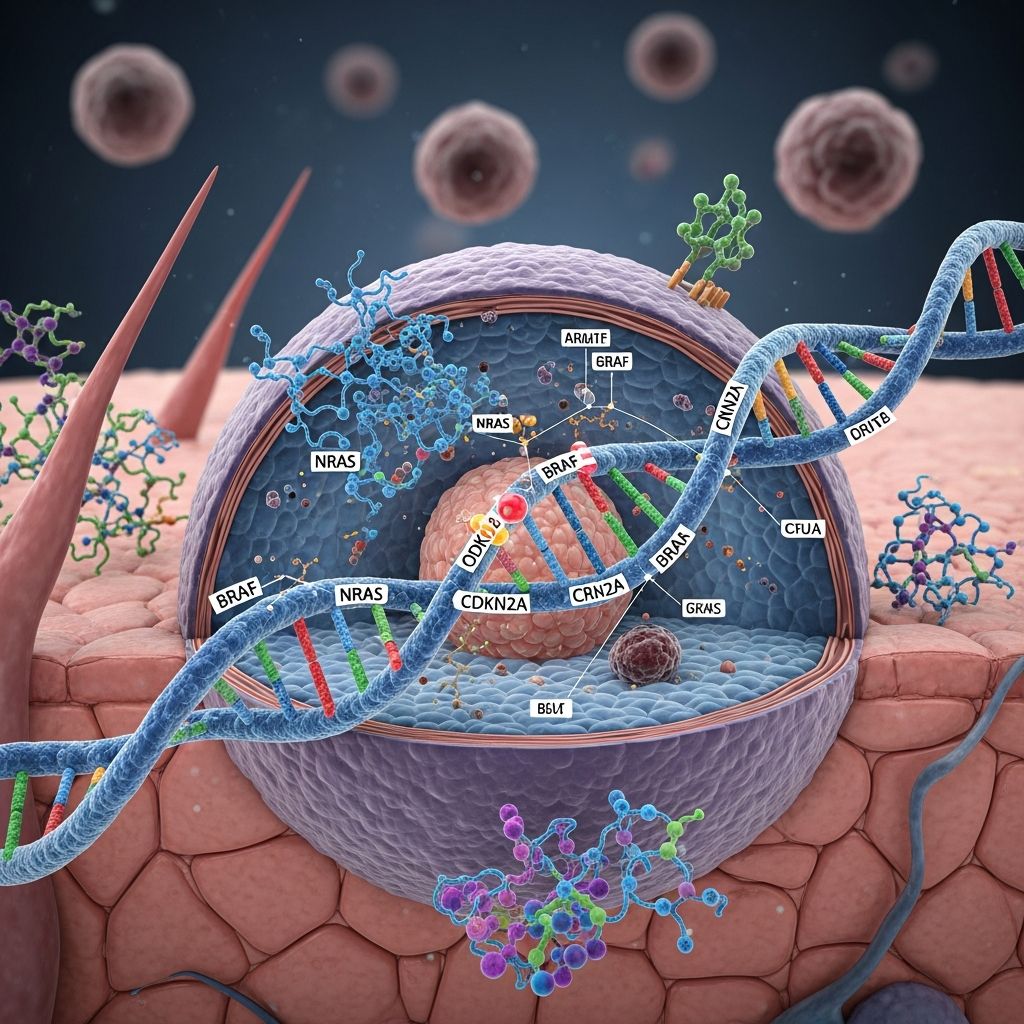
Melanoma, a potentially lethal form of skin cancer, arises from genetic alterations in melanocytes, the pigment-producing cells in the skin. While ultraviolet (UV) radiation is the primary environmental trigger, genetic factors significantly influence susceptibility, progression, and treatment response. This article delves into the complex genomics of melanoma, covering inherited predispositions, somatic mutations, familial patterns, and the role of genetic testing.
Who is at Risk of Melanoma?
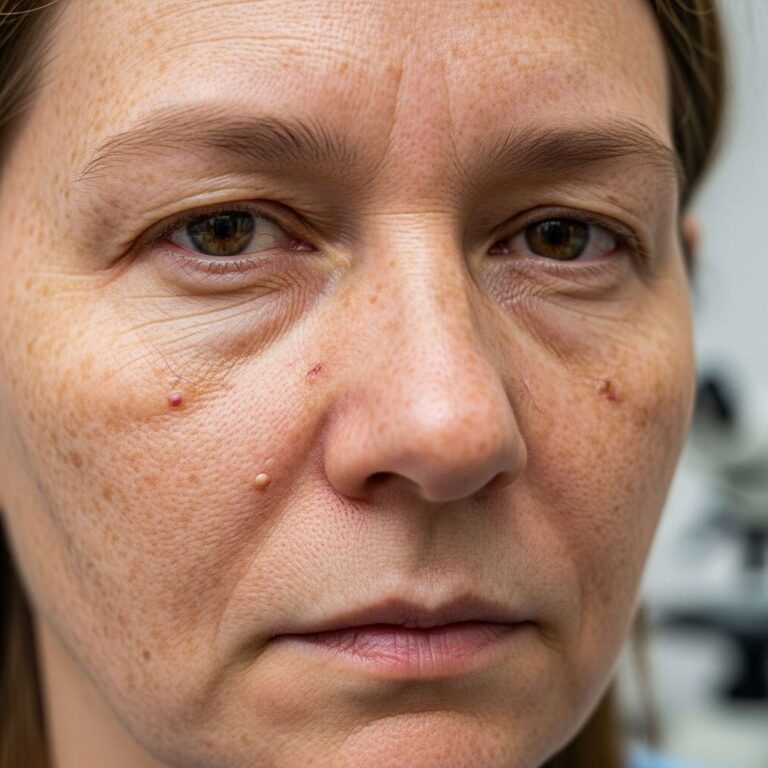
Genetic risk for melanoma is heightened in individuals with fair skin, multiple atypical moles, or a family history of the disease. Approximately 10% of melanomas occur in familial clusters, where two or more first-degree relatives (parents, siblings, or children) are affected. People with pale skin that burns easily and freckles are particularly vulnerable due to variants in genes regulating pigmentation.
- High-risk genetic profiles: Carriers of germline mutations in tumor suppressor genes like CDKN2A.
- Individuals with dysplastic nevus syndrome, characterized by numerous large, irregular moles.
- Those with a personal history of melanoma, increasing recurrence risk through shared genetic pathways.
Environmental interactions amplify genetic risks; for instance, UV exposure induces DNA damage in genetically susceptible melanocytes.
Genetic Inheritance of Melanoma
Familial melanoma accounts for about 10% of cases and is linked to germline mutations passed from parent to child. These mutations impair cell cycle control, DNA repair, or telomere maintenance, predisposing carriers to early-onset melanoma. Suspicion arises with multiple affected first-degree relatives or atypical/dysplastic nevi.
Key inherited syndromes include:
- CDKN2A/p16 mutations: Found in 40% of familial melanoma kindreds; associated with pancreatic cancer risk and multiple primary melanomas at young ages (average onset <40 years).
- CDK4 mutations: Rare; act as oncogenes by overriding p16 inhibition.
- BAP1 tumor predisposition syndrome: Germline BAP1 mutations cause uveal melanoma (higher prevalence), cutaneous melanocytic tumors, mesothelioma, and renal cancer. About 13% of carriers develop cutaneous melanoma.
- Telomerase reverse transcriptase (TERT) promoter mutations: Linked to chronic sun-damaged skin and familial clusters.
Inheritance follows an autosomal dominant pattern with incomplete penetrance, meaning not all carriers develop cancer.
Driver Mutations
Driver mutations are somatic alterations that initiate and propel melanomagenesis, primarily activating the mitogen-activated protein kinase (MAPK) pathway, which regulates cell proliferation and survival. Nearly all melanomas harbor at least one such mutation.
| Mutation | Prevalence | Associated Melanoma Type | Therapeutic Implications |
|---|---|---|---|
| BRAF V600E/K | 45-70% (cutaneous) | Superficial spreading, nodular | BRAF inhibitors (e.g., vemurafenib) + MEK inhibitors |
| NRAS | 15-20% | Occular, mucosal | MEK inhibitors; immunotherapy |
| NF1 | 10-15% | UV-exposed skin | MEK inhibitors |
| KIT | 5-10% | Mucosal, acral | KIT inhibitors (imatinib) |
These mutations cause constitutive pathway activation: BRAF phosphorylates MEK, leading to uncontrolled ERK signaling and melanocyte transformation. BRAF mutations predominate in intermittent sun-exposed skin melanomas, while NRAS is common in chronic sun damage cases.
Additional pathways involve PI3K/AKT/mTOR (e.g., PTEN loss) and cell cycle dysregulation (e.g., CCND1 amplification).
Genetics of Melanoma Subtypes
Melanoma heterogeneity reflects distinct genetic landscapes:
- Superficial spreading melanoma (SSM): BRAF/NRAS early; UV signature C>T transitions.
- Nodular melanoma (NM): CDK4/CDKN2A germline; rapid vertical growth.
- Lentigo maligna melanoma (LMM): High mutational burden from chronic UV; NRAS/ NF1.
- Acral lentiginous melanoma (ALM): KIT, limited UV role; chromothripsis.
- Mucosal/uveal: GNAQ/GNA11 (uveal); SF3B1.
Related Stories



Uveal melanoma, non-cutaneous, shows near-universal GNAQ/11 mutations and BAP1 somatic alterations.
Genes and Skin Colour
Skin pigmentation modulates melanoma risk via the melanocortin 1 receptor (MC1R) gene on chromosome 16. MC1R variants (“red hair color” alleles: R151C, R160W, D294H) reduce eumelanin (protective brown pigment) while increasing pheomelanin (red pigment, pro-oxidant). This impairs DNA repair post-UV and doubles melanoma risk independently of sun exposure.
MC1R loss-of-function leads to fair skin, red hair, freckling—classic Celtic phenotype. Compound heterozygotes have 2-4 fold risk elevation.
Genetic Testing for Melanoma
Germline testing identifies heritable mutations guiding surveillance. American Academy of Dermatology (2019) criteria for CDKN2A testing:
- Personal + family history of ≥3 invasive melanomas.
- ≥2 invasive melanomas, one <50 years.
- Multiple primary melanomas + pancreatic cancer.
For BAP1: ≥2 melanomas (one uveal/cutaneous) in first/second-degree relatives.
Process: Genetic counseling assesses risks/benefits. Testing via blood/saliva analyzes panels (CDKN2A, CDK4, BAP1, POT1, etc.). Positive results prompt intensified screening (dermatology exams q3-6mo, sun protection).
Somatic testing (tumor biopsy) for advanced disease detects BRAF (50-70%), NRAS, etc., enabling targeted therapies.
Implications for Prevention and Treatment
Genomic insights revolutionize management:
- Prevention: High-risk carriers: self-exams, annual full-body exams, sun avoidance.
- Targeted therapy: BRAF+ tumors respond to dabrafenib/trametinib (PFS 11-12mo).
- Immunotherapy: PD-1 inhibitors effective across subtypes; tumor mutation burden predicts response.
- Future: Liquid biopsies, polygenic risk scores.
Familial cases warrant cascade testing for relatives.
Frequently Asked Questions (FAQs)
Q: Should I get genetic testing for melanoma?
A: Consider if you have multiple melanomas, early-onset disease, or strong family history meeting AAD criteria. Consult a genetic counselor.
Q: What is the most common driver mutation in melanoma?
A: BRAF V600E, present in 45-70% of cutaneous melanomas, targetable with inhibitors.
Q: Does red hair increase melanoma risk genetically?
A: Yes, MC1R variants associated with fair skin reduce eumelanin, elevating risk 2-4 fold.
Q: Can melanoma be inherited?
A: Up to 10% familial; germline CDKN2A/BAP1 mutations confer autosomal dominant risk.
Q: How does UV radiation interact with melanoma genes?
A: UV induces C>T mutations (e.g., BRAF), synergizing with predisposing germline variants.
References
- Genes and melanoma — DermNet NZ. 2023. https://dermnetnz.org/topics/genes-and-melanoma
- Genetic testing for melanoma — DermNet NZ. 2023. https://dermnetnz.org/topics/genetic-testing-for-melanoma
- Skin Cancer: Epidemiology, Screening and Clinical Features — National Library of Medicine, NIH. 2024-10-15. https://pmc.ncbi.nlm.nih.gov/articles/PMC12491154/
- Melanoma Comprehensive Guide — Skintel NZ. 2023. https://skintel.co.nz/articles/melanoma/
- Early detection of melanoma — bpac.org.nz. 2021-06-01. https://bpac.org.nz/2021/melanoma-detection.aspx
- Melanoma Skin Cancer — DermNet NZ. 2023. https://dermnetnz.org/topics/melanoma
Similar Articles








Read full bio of Sneha Tete