Genital Herpes: Essential Guide To Causes, Symptoms, Treatment
Comprehensive guide to genital herpes: causes, symptoms, diagnosis, treatment, and prevention strategies for this common STI.
Genital herpes
Authoritative facts about genital herpes from DermNet New Zealand, covering causes, symptoms, diagnosis, treatment, and prevention of this common sexually transmitted infection (STI).
What is genital herpes?
Genital herpes is a sexually transmitted infection caused by the
herpes simplex virus (HSV)
, primarily types 1 (HSV-1) and 2 (HSV-2). HSV-1 typically causes oral herpes (cold sores), but can infect genitals through oral-genital contact, while HSV-2 is the main cause of genital infections. The virus establishes lifelong latency in nerve ganglia after initial infection, leading to potential recurrent outbreaks. Globally, over 500 million people aged 15–49 have HSV-2, with many asymptomatic carriers unknowingly transmitting it.Infection occurs via skin-to-skin contact with infected areas during sexual activity, including vaginal, anal, or oral sex. Asymptomatic viral shedding allows transmission even without visible sores. Most individuals with genital herpes are unaware of their status, contributing to its high prevalence.
Who gets genital herpes?
Genital herpes affects sexually active individuals worldwide, with higher incidence among those with multiple partners or unprotected sex. Women are at greater risk due to larger mucosal surface area exposure during intercourse. Risk factors include:
- Multiple sexual partners
- Unprotected sex or sex with an infected partner not on suppressive therapy
- History of other STIs
- Weakened immune system (e.g., HIV, chemotherapy)
HSV-2 genital infections recur more frequently than HSV-1 ones. Prevalence is highest in ages 20–24.
What causes genital herpes?
The
herpes simplex virus
enters through microscopic skin breaks or mucous membranes, replicates in epithelial cells, then travels to sensory nerve ganglia (sacral for genital HSV-2, trigeminal for oral HSV-1) where it remains latent. Reactivation triggered by stress, illness, or friction causes anterograde transport back to skin, resulting in lesions. HSV-2 sheds asymptomatically more often (10–20% of days) than HSV-1.What are the clinical features of genital herpes?
Primary infection
First episode, occurring 2–12 days post-exposure, is often severe. Prodrome includes tingling, burning, or itching 1–2 days prior. Flu-like symptoms follow: fever, malaise, headache, back/leg pain, inguinal lymphadenopathy.
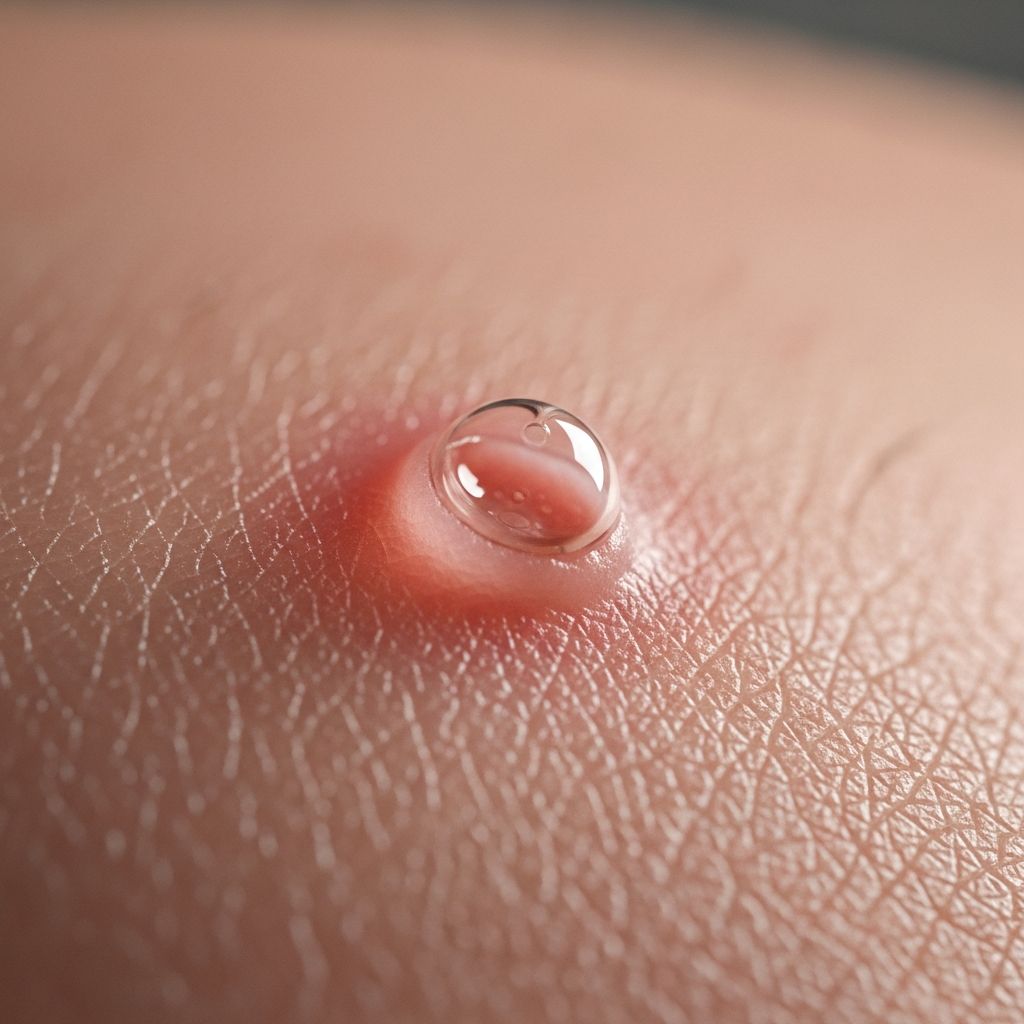
Genital lesions start as vesicles on erythematous base, rupturing into painful shallow ulcers that crust and heal in 7–14 days without scarring. In women: vulva, vagina, cervix; men: penis, scrotum; both: perianal, buttocks, thighs. Severity: women experience more pain/swelling; urination may be difficult. Complications include aseptic meningitis, sacral radiculitis, or herpetic whitlow (finger infection).
Recurrent genital herpes
Recurrences are milder/shorter (3–7 days), often without systemic symptoms. Fewer lesions, mainly skin rather than mucosa. HSV-2 recurs 4–6 times/year initially, decreasing over time; HSV-1 less frequent. Prodrome common.
Triggers for recurrences
- Stress
- Menstruation
- Sexual activity/friction
- Illness/low immunity
- UV light, smoking, alcohol
Diagnosis of genital herpes
Diagnosis combines history, exam, and tests. Clinical features suggestive during outbreaks.
- Viral culture/swab: Gold standard for active lesions; Tzanck smear shows multinucleated cells
- PCR: Highly sensitive for HSV DNA in swabs/lesions
- Type-specific serology: IgG detects past infection (HSV-1/2); useful for asymptomatic cases, 3–6 weeks post-infection
Negative culture doesn’t rule out HSV; PCR preferred. Differential: syphilis, chancroid, aphthae.
How is genital herpes treated?
No cure; antivirals manage symptoms, shorten outbreaks, reduce recurrences/transmission.
Episodic therapy (first/recurrent episodes)
| Regimen | Dose | Duration |
|---|---|---|
| Aciclovir | 400 mg TDS | 7–10 days (primary); 5 days (recurrent) |
| Valaciclovir | 1 g BD | 7–10 days (primary); 5 days (recurrent) |
| Famciclovir | 250 mg TDS | 7–10 days (primary); 5 days (recurrent) |
Start within 1 day of prodrome/lesions for best effect. Reduces duration by 1–2 days.
Suppressive therapy
For frequent recurrences (>6/year) or transmission reduction.
- Aciclovir 400 mg BD
- Valaciclovir 500 mg OD (or 1 g OD for transmission ↓50% with condoms)
- Famciclovir 250 mg BD
Reduces recurrences by 70–80%; safe long-term. Annual review; continue if effective.
Symptom relief
- Salt baths/ice packs
- Paracetamol/ibuprofen
- Topical lidocaine
- Urinate in bath if dysuria
Complications of genital herpes
Rare in immunocompetent: urinary retention, bacterial superinfection, psychological distress. Immunocompromised: severe/prolonged ulcers, visceral dissemination. Pregnancy: neonatal herpes risk (0.01–0.04% US births); antivirals from 36 weeks reduce cesarean need.
What is the outcome for genital herpes?
Primary heals 2–4 weeks; recurrences lessen over years, some cease. Virus persists lifelong with shedding. Suppressive therapy improves quality of life.
How can genital herpes be prevented?
- Condoms: Reduce risk 30%; don’t cover all areas
- Suppressive therapy + condoms: HSV-2 transmission ↓48–50%
- Avoid contact during outbreaks/prodrome
- Partner notification/testing
- Vaccine research ongoing; none available
Herpes gladiatorum / wrestler’s herpes
HSV-1 skin infection in contact sports (wrestling); vesicles on trunk/face. Prevent with hygiene, mats disinfection.
Neonatal herpes
Rare, severe; intrapartum transmission main risk (30–50% if active lesions at delivery). Cesarean if membranes intact <4h post-lesions; antivirals 36wks.
Establishing a diagnosis of genital herpes
See ‘Diagnosis’ section; consult sexual health specialist if atypical.
Genital herpes recurrences
Milder/shorter; suppressive therapy for >6/year.
Patient discussion and counselling for genital herpes
Discuss: asymptomatic shedding, disclosure, condoms/suppression reduce transmission, no cure but manageable, avoid triggers. Support psychological impact.
Frequently asked questions (FAQs) on genital herpes
Can oral herpes be spread to genitals?
Yes, HSV-1 via oral-genital contact causes ~50% new genital cases.
Is genital herpes curable?
No, but antivirals control symptoms/recurrences.
How to prevent transmission?
Condoms, suppressive therapy, avoid sex during outbreaks.
Does it affect pregnancy?
Risk to newborn; antivirals/cesarean reduce it.
Can herpes be dormant?
Yes, lifelong latency with intermittent shedding.
References
- Genital herpes – Symptoms and causes — Mayo Clinic. 2023-10-12. https://www.mayoclinic.org/diseases-conditions/genital-herpes/symptoms-causes/syc-20356161
- Genital herpes — Better Health Channel (Vic.gov.au). 2024-05-15. https://www.betterhealth.vic.gov.au/health/conditionsandtreatments/genital-herpes
- Genital Herpes — Yale Medicine. 2023-08-20. https://www.yalemedicine.org/conditions/genital-herpes
- Genital herpes — NHS.uk. 2024-02-10. https://www.nhs.uk/conditions/genital-herpes/
- Genital herpes – treatments, diagnosis, symptoms and prevention — healthdirect.gov.au. 2024-01-05. https://www.healthdirect.gov.au/genital-herpes
- Herpes – STI Treatment Guidelines — CDC.gov. 2021-07-22. https://www.cdc.gov/std/treatment-guidelines/herpes.htm
Similar Articles



Read full bio of medha deb