Genital Herpes: 5 Key Symptoms And Treatment Guide
Comprehensive insights into causes, symptoms, management strategies, and prevention of genital herpes for informed health decisions.
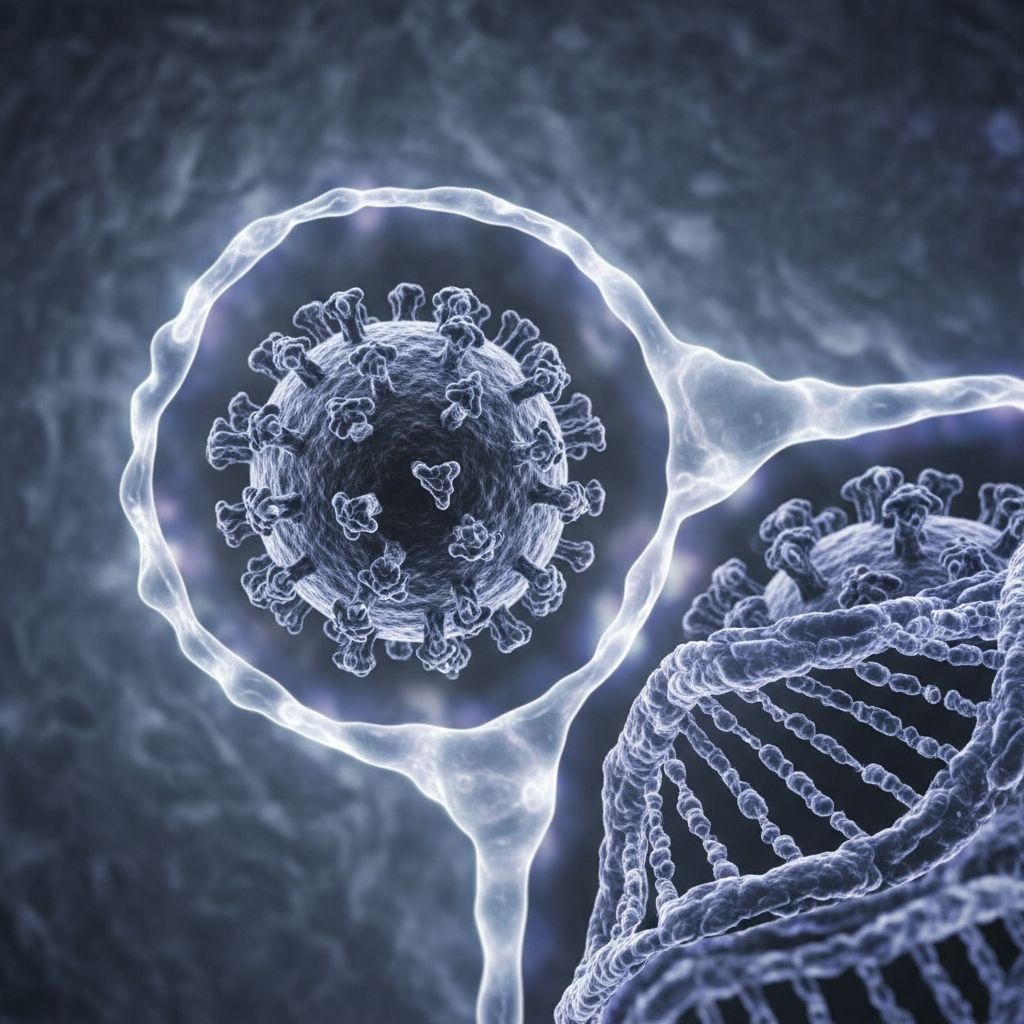
Genital herpes represents a prevalent sexually transmitted infection driven by the herpes simplex virus, primarily types 1 and 2, leading to recurrent outbreaks of painful sores in the genital region. While no cure exists, antiviral medications effectively manage symptoms and curb transmission.
Understanding the Herpes Simplex Virus
The herpes simplex virus (HSV) encompasses two main variants: HSV-1, traditionally linked to oral sores, and HSV-2, more commonly associated with genital infections. Both can infect genital areas through skin-to-skin contact during sexual activity. Once contracted, the virus integrates into nerve cells, establishing lifelong latency with potential for reactivation.
HSV-2 accounts for most genital cases, though HSV-1 transmission via oral-genital contact is rising. The virus thrives in moist environments and spreads efficiently even without visible symptoms due to asymptomatic shedding.
Recognizing Symptoms and Outbreak Patterns
Initial infections often produce the most intense symptoms, including clusters of itchy, painful blisters or ulcers on genitals, anus, thighs, or buttocks. These evolve into open sores, crust over, and heal within 2-4 weeks without scarring. Accompanying flu-like signs such as fever, swollen lymph nodes, body aches, and painful urination are common during primary episodes.
Recurrent outbreaks tend to be milder and shorter, lasting 3-7 days. Prodromal symptoms like tingling or burning may precede lesions by hours or days, signaling an impending flare. Women might experience vulvar swelling, cervicitis, or vaginal discharge, while men could face penile sores or proctitis.
- Painful blisters or ulcers on genitals or surrounding skin
- Itching, burning, or tingling before sores appear
- Flu-like symptoms in first outbreak: fever, headache, malaise
- Painful urination or difficulty urinating
- Swollen lymph nodes in groin area
Factors Triggering Recurrences
Viral reactivation from latent sites in sacral nerve ganglia stems from various stressors. Common triggers include illness, fatigue, hormonal shifts like menstruation, emotional stress, and physical trauma such as friction from sex or tight clothing.
Environmental factors like UV exposure from sunbathing or sunbeds, smoking, alcohol consumption, and a compromised immune system—due to conditions like HIV or chemotherapy—heighten recurrence risk. Frequency diminishes over time for many, but some experience six or more episodes yearly.
| Common Triggers | Description | Prevention Tips |
|---|---|---|
| Stress | Emotional or physical strain reactivates virus | Practice relaxation techniques |
| Menstruation | Hormonal changes in women | Track cycles, use suppressive therapy |
| Friction | Sex, tight clothes | Use lubricant, loose clothing |
| Illness/Immunity | Colds, HIV, chemo | Maintain immune health |
| UV Light | Sun exposure | Avoid sunbathing on affected areas |
Accurate Diagnosis Methods
Clinical evaluation of lesions guides initial suspicion, but lab confirmation is essential. Swab tests from fresh sores detect HSV via PCR or viral culture, distinguishing types 1 and 2 with high accuracy. Blood tests for HSV antibodies indicate past exposure but cannot pinpoint infection site or timing.
For atypical or recurrent cases, type-specific serology aids diagnosis, especially if no lesions are present. Prompt testing within 48-72 hours of symptom onset optimizes results. Providers recommend empiric antiviral initiation based on classic presentation, bypassing delays for lab results.
Effective Treatment Approaches
Antiviral therapies form the cornerstone, shortening outbreak duration, easing pain, and reducing severity. For first episodes, oral drugs like acyclovir (400mg three times daily for 7-10 days), valacyclovir (1g twice daily for 7-10 days), or famciclovir (250mg three times daily for 7-10 days) are standard.
Related Stories



Recurrent management splits into episodic (at outbreak onset) or suppressive (daily) regimens. Episodic therapy—e.g., valacyclovir 500mg twice daily for 3 days—works best if started within 24 hours of prodrome. Suppressive therapy cuts recurrences by 70-80%, using valacyclovir 500mg or 1g daily, ideal for frequent outbreaks (≥6/year).
Supportive care enhances comfort: warm salt baths (1 tsp salt per 2 cups water), petroleum jelly on sores, pain relievers like ibuprofen, and topical anesthetics. Urinate in a warm bath to ease dysuria.
Special Considerations for Vulnerable Groups
Immunocompromised individuals, such as those with HIV, require higher doses or prolonged courses due to severe, persistent lesions. Pregnant women face neonatal herpes risks; suppressive acyclovir from 36 weeks reduces cesarean needs. First-trimester infections warrant close monitoring, though most resolve uneventfully.
Strategies to Prevent Transmission
Consistent condom use lowers but does not eliminate risk, as shedding occurs on uncovered skin. Disclose status to partners; suppressive therapy halves asymptomatic shedding, slashing transmission by 48-50%. Avoid sex during outbreaks and prodrome.
Vaccination research progresses, but none is available yet. Limit partners, opt for mutual monogamy with tested individuals, and avoid oral-genital contact during HSV-1 oral outbreaks.
Living Well with Genital Herpes
Most lead normal lives post-diagnosis. Track outbreaks to identify personal triggers, adhere to therapy, and prioritize mental health—counseling addresses stigma and anxiety. Regular STI screenings maintain overall sexual health.
Frequently Asked Questions
Can genital herpes be cured?
No, but antivirals control symptoms and reduce outbreaks effectively.
How contagious is genital herpes without symptoms?
Asymptomatic shedding transmits the virus; suppressive therapy minimizes this.
Does herpes affect fertility or pregnancy?
Rarely; managed care ensures safe outcomes for most pregnancies.
Can I pass herpes to other body parts?
Yes, via autoinoculation, like herpetic whitlow on fingers.
Is herpes testing routine?
Not always; request type-specific tests if at risk.
References
- Genital herpes – Symptoms and causes — Mayo Clinic. 2023-10-12. https://www.mayoclinic.org/diseases-conditions/genital-herpes/symptoms-causes/syc-20356161
- Herpes Genitalis: Diagnosis, Treatment and Prevention — PMC – NIH. 2016-12-01. https://pmc.ncbi.nlm.nih.gov/articles/PMC5177552/
- Genital herpes — NHS. 2023-05-02. https://www.nhs.uk/conditions/genital-herpes/
- Genital herpes – treatments, diagnosis, symptoms and prevention — healthdirect.gov.au. 2024-01-15. https://www.healthdirect.gov.au/genital-herpes
- Herpes – STI Treatment Guidelines — CDC. 2021-07-22. https://www.cdc.gov/std/treatment-guidelines/herpes.htm
- Genital Herpes: Causes, Symptoms, Treatment & Prevention — Cleveland Clinic. 2023-11-07. https://my.clevelandclinic.org/health/diseases/genital-herpes
Similar Articles








Read full bio of Sneha Tete