Genital Itching: Causes, Symptoms & Treatment Guide
Understanding genital itching: Explore causes, symptoms, and effective treatment options for relief.
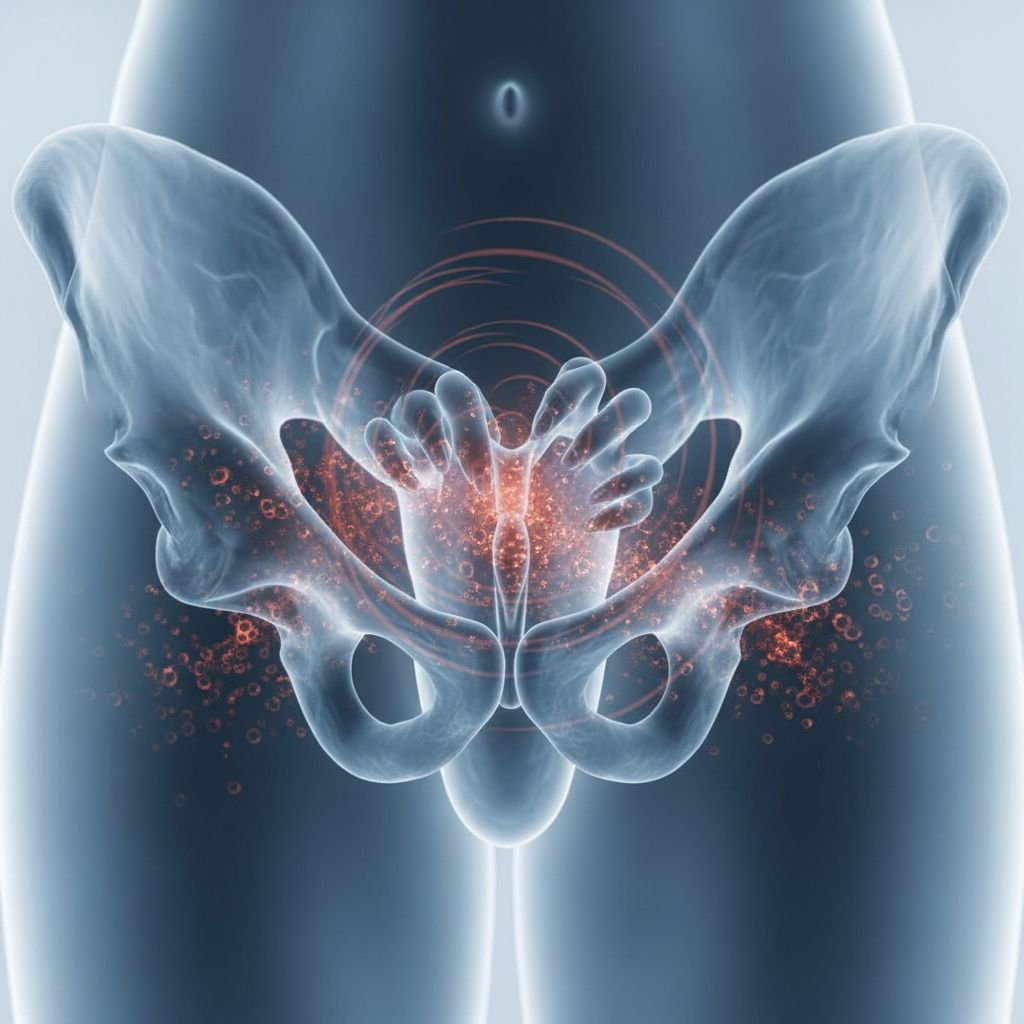
Understanding Genital Itching: A Comprehensive Guide
Genital itchiness is an uncomfortable irritation you may feel on the skin of your genitals. It’s likely that everyone has experienced an itch in their genital area at some point in their life. However, if that itch doesn’t go away and begins to interfere with your quality of life, seeking professional medical attention becomes essential. Persistent genital itching can stem from various causes, including certain skin conditions, allergic reactions, and irritation from hygiene products like soap and detergents. Understanding the underlying causes of genital itching is the first step toward finding effective relief and treatment.
Anyone can develop itchy genitals regardless of age, gender, or lifestyle. The good news is that there are many effective treatments available depending on the underlying cause. Whether your itching is due to a minor skin irritation or a more serious condition, healthcare providers can help identify the problem and recommend appropriate treatment strategies to restore your comfort and quality of life.
Common Causes of Genital Itching
Genital itching can arise from numerous different sources, making proper diagnosis crucial for effective treatment. The causes vary significantly between men and women, though some overlap in underlying mechanisms.
Causes in Women
Women may experience genital itching due to several distinct conditions:
– Yeast infections caused by Candida fungus overgrowth
– Bacterial vaginosis from imbalanced vaginal flora
– Trichomoniasis, a parasitic sexually transmitted infection
– Contact dermatitis from irritating substances
– Eczema or psoriasis affecting the genital area
– Vulvitis, inflammation of the vulva
– Lichen sclerosus or lichen simplex chronicus
– Hormonal changes related to menopause or estrogen deficiency
– Allergic reactions to hygiene products
Causes in Men
Men may develop genital itching from different but sometimes overlapping conditions:
– Jock itch, a fungal infection in the groin area
– Yeast infections, though less common than in women
– Balanitis, inflammation of the head of the penis
– Contact dermatitis from soaps or other irritants
– Eczema or psoriasis
– Sexually transmitted infections
– Poor hygiene practices
– Tight or irritating clothing
Skin Conditions and Dermatological Factors
Skin conditions are actually one of the more common reasons people experience genital itching. Your genitals are not immune to the skin conditions that affect other parts of your body. Understanding these conditions can help you recognize symptoms and seek appropriate care.
Psoriasis and Eczema
Patients with psoriasis and eczema frequently experience itching in their genital region. These chronic inflammatory skin conditions cause the skin to become dry, irritated, and prone to intense itching. When these conditions affect the genital area, they require specialized treatment approaches since the skin in this region is particularly sensitive.
Lichen Sclerosus and Lichen Simplex Chronicus
These are specialized skin conditions that can cause significant genital itching. Lichen sclerosus involves thinning and whitening of the skin, while lichen simplex chronicus develops from chronic scratching and irritation. Both conditions require proper medical diagnosis and treatment to prevent complications and provide relief.
Related Stories



Contact Dermatitis
Contact dermatitis occurs when your skin reacts to a substance it contacts, causing inflammation, redness, and itching. In the genital area, this can be triggered by various products and materials, making identification of the irritant crucial for treatment.
Infections and Sexually Transmitted Infections
Several types of infections can cause genital itching, ranging from common fungal infections to sexually transmitted infections that require prompt medical attention.
Fungal Infections
Yeast infections caused by Candida fungus and jock itch caused by dermatophyte fungi are among the most common fungal causes of genital itching. These infections thrive in warm, moist environments and can spread through direct contact or contaminated surfaces. Antifungal medications are the standard treatment for these infections.
Sexually Transmitted Infections
Several STIs can cause genital itching and require immediate medical attention. These include trichomoniasis, which is caused by a parasite and is curable with appropriate treatment. Most cases of trichomoniasis clear up within about a week with proper medication. Other STIs may also present with genital itching as a symptom, making professional diagnosis essential.
Bacterial Infections
Bacterial vaginosis and other bacterial infections can cause vaginal itching, burning, and abnormal discharge. These infections require antibiotic treatment and should be diagnosed by a healthcare provider to ensure appropriate medication selection.
Irritants and Environmental Factors
Many cases of genital itching result from exposure to irritating substances and environmental factors rather than infections or systemic conditions. Identifying and eliminating these irritants often provides relief without requiring extensive medical treatment.
Common Irritants
Sweating, tight clothing, and substances like soap, detergent, and over-the-counter feminine products can aggravate genital itching. These irritants can aggravate itching if a skin condition is already causing irritation, or they can trigger itching on their own. Common culprits include:
– Scented soaps and body washes
– Laundry detergents with dyes and perfumes
– Fabric softeners
– Douches and feminine sprays
– Latex condoms
– Spermicides
– Dyes in underwear
– Synthetic fabric materials
Hygiene-Related Factors
While proper hygiene is important, over-washing or using harsh products can actually increase genital itching. The genital area has a delicate pH balance and natural flora that can be disrupted by excessive cleaning or inappropriate products.
Diagnosis and Medical Evaluation
Proper diagnosis is essential for effective treatment of genital itching. Your healthcare provider will use several approaches to identify the underlying cause.
Medical History and Symptom Assessment
Your provider will ask detailed questions about your medical history, symptoms, and any recent changes in products or activities. They may ask about the duration of itching, its severity, and any other associated symptoms like discharge, pain, or visible changes to the skin.
Physical Examination
A visual examination of the affected area helps your healthcare provider identify signs of infection, skin conditions, or other abnormalities. They may look for rashes, discharge, skin changes, or other visible indicators of underlying conditions.
Laboratory Tests
Depending on the suspected cause, your provider may order laboratory tests including:
– Microscopic examination of vaginal secretions
– DNA testing for specific infections
– Cultures to identify bacterial or fungal infections
– pH testing of vaginal secretions
– Allergy testing if contact dermatitis is suspected
Evaluating vaginal secretions with simple office-based tools is often sufficient for diagnosis, although more advanced DNA testing is also available when needed.
Treatment Options Based on Cause
The treatment for genital itching depends entirely on the underlying cause. Your healthcare provider will recommend the most appropriate treatment strategy based on their diagnosis.
Treatment for Skin Conditions
For eczema, your healthcare provider may prescribe topical steroid creams to reduce inflammation and itching. Lichen sclerosus and lichen simplex chronicus are similarly treated with high-potency topical steroids. If steroid creams aren’t effective for lichen sclerosus, it may respond to phototherapy, also known as light therapy, which uses specific wavelengths of light to reduce skin inflammation and itching.
Treatment for Fungal Infections
Your provider will recommend antifungal medications for jock itch or yeast infections. These medications are available in various forms including creams, ointments, gels, sprays, and oral medications. Treatment duration typically ranges from one to two weeks depending on the specific medication and severity of infection.
Treatment for Bacterial Infections
Bacterial infections require antibiotic treatment, which may be administered orally or topically. Treatment typically involves a course of antibiotics ranging from several days to two weeks, depending on the specific infection and the medication used.
Treatment for Contact Dermatitis
Treatment involves removing the irritant, hydrating the skin with sitz baths, and using an emollient such as petroleum jelly. Midpotent topical steroids are used until resolution occurs. Some patients benefit from topical immunosuppressive agents. Patients with severe symptoms may be treated with a tapering course of oral steroids for five to seven days.
Lifestyle Modifications
Sometimes lifestyle changes can effectively manage mild genital itching. These modifications include:
– Changing laundry detergents to unscented, hypoallergenic options
– Changing underwear more frequently, especially after exercise or sweating
– Avoiding tight clothing that traps moisture and heat
– Using gentle, unscented soaps for genital cleaning
– Avoiding douches and feminine sprays
– Wearing breathable cotton underwear
– Keeping the genital area clean and dry
– Avoiding prolonged sitting in wet swimwear or workout clothes
When to Seek Professional Help
While mild genital itching that clears up on its own doesn’t require medical attention, certain situations warrant professional evaluation. You should see your healthcare provider if:
– The itch persists for more than a few days
– The itching interferes with your daily activities or sleep
– You develop other symptoms like discharge, pain, or visible skin changes
– The itch gets worse or lasts for a long time
– Over-the-counter treatments don’t provide relief
– You suspect an infection or sexually transmitted infection
– The itching is accompanied by fever or systemic symptoms
Your primary care provider can treat most cases of itchy genitals. However, if your skin condition is severe or you don’t find relief after treatment from your provider, you might want to see a dermatologist for specialized care and additional diagnostic testing.
Important Warning: Avoiding Self-Diagnosis
Many people purchase over-the-counter anti-itch products to ease their symptoms, but this approach can be problematic. Using the wrong treatment for what’s causing your genital itching may worsen your symptoms and make the itching and irritation last longer. For example, trying to treat a non-yeast-related condition with antifungals will not only be ineffective, but it may give you the illusion that you’re treating the issue while the actual problem continues to develop. This is why professional diagnosis is so important.
Prognosis and Expected Recovery
The prognosis depends on what’s causing the itch. Some conditions have excellent outcomes with proper treatment, while others are chronic and require ongoing management. For example, psoriasis has no cure, but you can effectively manage its symptoms through prescribed treatments. In contrast, trichomoniasis is curable, and with appropriate treatment, it can clear up in about a week. Your healthcare provider will provide a timeline based on your specific diagnosis and the treatment plan they recommend.
Frequently Asked Questions
Q: Can genital itching go away on its own?
A: In many cases, itchy genitals due to irritation will clear up on their own if you stop using the irritants like lotions or soaps. However, if the itching persists for more than a few days or gets worse, you should see your healthcare provider.
Q: Is genital itching always a sign of a sexually transmitted infection?
A: No. While some STIs can cause genital itching, skin conditions or skin irritations are actually a more common reason to have itchiness in your private parts. Many cases result from contact dermatitis, eczema, psoriasis, or simple irritation from products.
Q: What should I avoid if I have genital itching?
A: Avoid self-treating with over-the-counter anti-itch products without a proper diagnosis, as this may worsen your condition. Also avoid irritants such as scented soaps, perfumed detergents, tight clothing, and products designed to mask natural odors.
Q: How long does treatment typically take?
A: Treatment duration varies depending on the underlying cause. Some conditions clear up within a week, while others may take several weeks. Ask your healthcare provider about a timeline based on your specific diagnosis.
Q: Can I treat genital itching at home?
A: For mild irritation, lifestyle modifications like removing irritants and practicing proper genital care may help. However, if symptoms persist or worsen, professional medical evaluation is necessary to identify the underlying cause and receive appropriate treatment.
Q: When should I see a dermatologist instead of my primary care provider?
A: If your condition is severe, doesn’t improve with treatment from your primary care provider, or if you have a complex skin condition like lichen sclerosus or psoriasis affecting your genitals, a dermatologist can provide specialized expertise and advanced treatment options.
References
- Itchy Genitals: Causes, Types & Treatment — Cleveland Clinic. 2024. https://my.clevelandclinic.org/health/diseases/12324-sexual-health-genital-itching
- Vulvovaginitis: Find the cause to treat it — Cleveland Clinic Journal of Medicine. 2017. https://www.ccjm.org/content/84/3/215
- Vulvitis (Vulvar Itching): Causes, Symptoms & Treatment — Cleveland Clinic. 2024. https://my.clevelandclinic.org/health/diseases/15175-vulvitis
- Vaginal Yeast Infection: Causes, Symptoms & Treatment — Cleveland Clinic. 2024. https://my.clevelandclinic.org/health/diseases/5019-vaginal-yeast-infection
- Vulvar Dermatitis: Causes, Symptoms, Diagnosis & Treatment — Cleveland Clinic. 2024. https://my.clevelandclinic.org/health/diseases/24336-vulvar-dermatitis
- Why Is Your Vagina Itchy? — Health Cleveland Clinic. 2024. https://health.clevelandclinic.org/itchy-vagina
- Jock Itch: What It Is, Symptoms & Treatment — Cleveland Clinic. 2024. https://my.clevelandclinic.org/health/diseases/22141-jock-itch-tinea-cruris
Similar Articles








Read full bio of Sneha Tete