Genital Psoriasis: Complete Guide To Relief And Prevention
Understanding symptoms, causes, diagnosis, and effective treatments for genital psoriasis to improve quality of life.
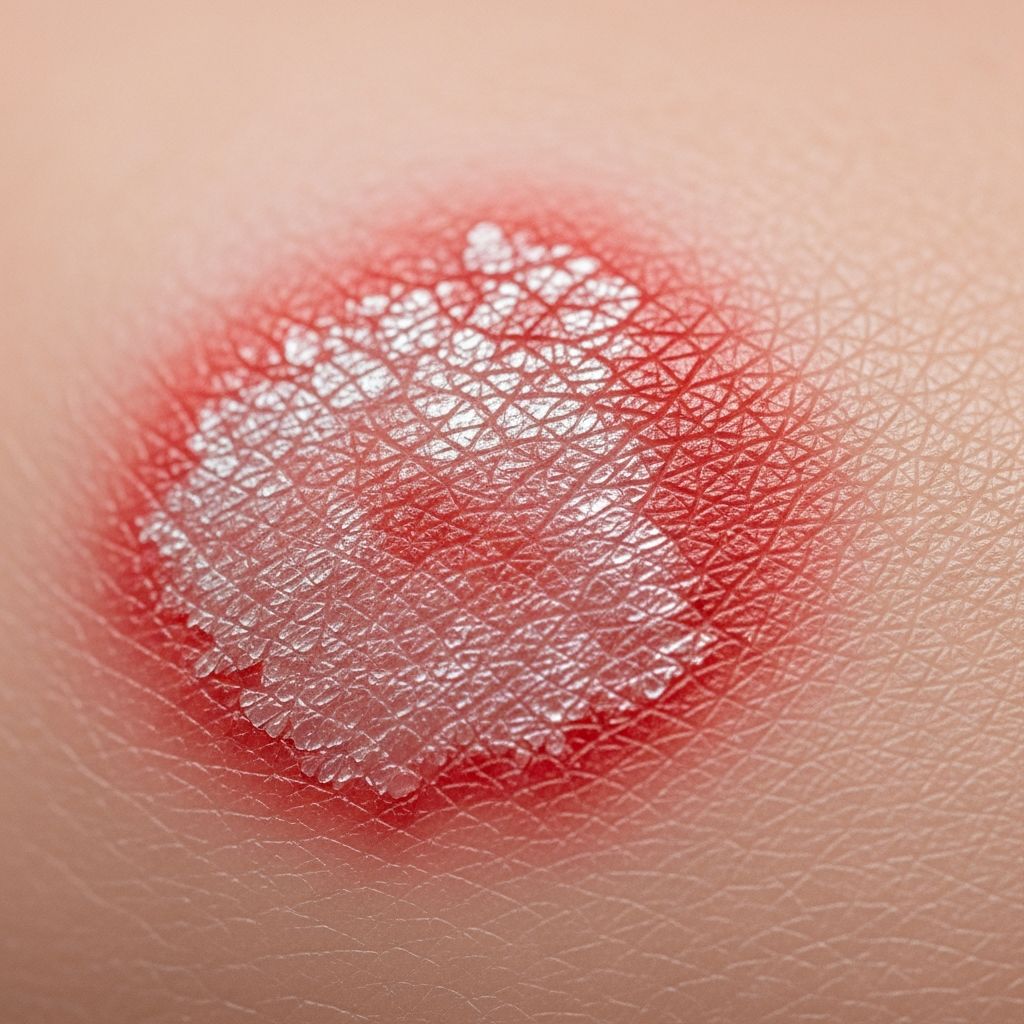
Genital psoriasis is a form of psoriasis that affects the genital skin, including the vulva, penis, scrotum, perineum, and perianal area. It manifests as red, smooth, shiny, well-defined plaques that may be sore or itchy, often without significant scaling due to moisture in skin folds. This condition impacts quality of life, causing discomfort during daily activities, sexual intercourse, and urination. Although not contagious, it requires careful management to prevent flares and complications.
What is genital psoriasis?
Genital psoriasis occurs when psoriasis lesions develop in the genital region. Psoriasis is an immune-mediated inflammatory skin disorder characterized by rapid skin cell turnover, leading to plaque formation. In the genitals, it often presents as inverse psoriasis, which affects skin folds and appears smooth rather than scaly. It can be isolated or part of widespread psoriasis, affecting up to 63% of psoriasis patients at some point. The thin, moist skin in this area makes lesions more painful and prone to fissuring.
Who gets genital psoriasis?
Genital psoriasis affects individuals with plaque psoriasis, particularly those with moderate to severe disease. It is more common in adults but can occur in children. Risk factors include a family history of psoriasis, obesity (increasing skin folds), and triggers like infections or stress. Women may experience it more frequently due to vulvar skin folds, while men are affected on the penis and scrotum. Studies show prevalence in 33-63% of psoriasis patients.
- Prevalent in both sexes, no strong gender bias.
- Often coexists with psoriasis elsewhere on the body.
- Higher incidence in inverse psoriasis subtypes.
What causes genital psoriasis?
The exact cause mirrors general psoriasis: genetic predisposition combined with environmental triggers activates T-cells, causing inflammation and hyperproliferation of keratinocytes. In the genital area, friction, moisture, sweat, and irritants exacerbate symptoms. Common triggers include:
- Koebner phenomenon from trauma or friction during sex.
- Infections (e.g., candidiasis).
- Stress, hormonal changes, or medications.
- Harsh soaps, tight clothing, or allergens.
It is not sexually transmitted, despite appearances similar to infections.
What are the clinical features of genital psoriasis?
Symptoms vary by skin type and location but typically include red, glossy plaques. On lighter skin, they appear pink-red; on darker skin, purple-brown. Key features:
- Smooth, non-scaly plaques due to rubbing and moisture.
- Itch, soreness, burning, especially during intercourse or urination.
- Fissures or cracks causing pain.
- Possible scaling on penis shaft or pubic hairline.
- In women: vulvar erythema, dyspareunia.
- In men: balanitis, phimosis risk if untreated.
| Location | Typical Appearance | Symptoms |
|---|---|---|
| Vulva/Penis | Smooth red plaques | Itch, pain, fissuring |
| Scrotum/Perineum | Shiny, well-defined | Soreness, moisture-induced |
| Perianal | Erythematous, possible scale | Discomfort with defecation |
Diagnosis
Diagnosis is clinical, based on history and examination. A dermatologist identifies characteristic plaques. Differential diagnoses include candidiasis, lichen sclerosus, herpes, eczema, or STIs. If uncertain, a skin biopsy confirms psoriasiform changes. No blood tests are routine, but swabs rule out infections.
Related Stories



- Physical exam key; biopsy rare.
- History of psoriasis elsewhere supports diagnosis.
What is the treatment for genital psoriasis?
Treatment aims to reduce inflammation, relieve symptoms, and prevent flares. Due to thin skin, mild topicals are preferred to avoid atrophy. Options escalate from topicals to systemic/biologics for refractory cases.
Topical corticosteroid cream
First-line: low- to mid-potency corticosteroids (e.g., hydrocortisone 1%, betamethasone 0.05%) applied thinly 1-2x daily for 1-2 weeks, then tapered. Effective and well-tolerated short-term; monitor for side effects like thinning.
Coal tar derivatives
Crude coal tar (5-10%) soothes but may irritate; use dilute forms. Less common now due to odor and staining[10].
Vitamin D analogues
Calcipotriol or calcitriol ointment reduces scaling and inflammation. Combine with mild steroids for synergy; low irritation risk.
Immunomodulators
Tacrolimus 0.1% or pimecrolimus: steroid-sparing, effective in studies (38 patients improved). Mild burning initial; safe long-term.
Other topicals
- Roflumilast or tapinarof: non-steroidal PDE4/Vtama inhibitors.
- Dovonex (calcitriol).
Systemic agents
For severe/recalcitrant cases:
- Biologics: Ixekizumab (IL-17A inhibitor) shows rapid genital clearance (Phase III trial, improves itch, QoL). Only biologic with specific genital data.
- Methotrexate (7.5-20mg/week): effective in 50% but GI side effects.
- Cyclosporine, acitretin (limited genital data).
| Treatment | Evidence Level | Efficacy |
|---|---|---|
| Topical Corticosteroids | Grade C | High, first-line |
| Tacrolimus | Grade 4 | Significant improvement |
| Ixekizumab | Grade 1 (RCT) | Rapid clearance |
| Methotrexate | Grade C | Moderate |
Prevention and mitigation of flares
- Use emollients (petrolatum) frequently to barrier protect.
- Avoid irritants: fragrance-free soaps, loose cotton underwear.
- Manage triggers: stress reduction, weight control.
- Gentle hygiene; pat dry.
- Lubricants during sex to reduce friction.
Sexual intimacy and genital psoriasis
Genital psoriasis impairs sexual health via pain, itch, and embarrassment. It is not contagious, so intimacy is safe. Use barriers if concerned, water-based lubricants, and communicate with partners. Treatments improve function; ixekizumab notably enhances sexual QoL.
Clinical variants
- Inverse psoriasis: Smooth plaques in folds.
- Plaque psoriasis: Scaled on shaft.
- Pustular: Rare, sterile pustules.
- Erythrodermic: Generalized redness.
Special situations
- Pregnancy: Topical steroids safe; avoid systemic.
- Children: Mild topicals only.
- STI co-infection: Rule out first.
Frequently Asked Questions
Q: Is genital psoriasis contagious?
A: No, it is an autoimmune condition, not infectious or sexually transmitted.
Q: Can I have sex with genital psoriasis?
A: Yes, with precautions like lubrication to avoid irritation. Treatments help.
Q: How is genital psoriasis diagnosed?
A: By clinical exam; biopsy if needed to exclude mimics.
Q: What is the best treatment?
A: Mild topical corticosteroids first-line; biologics like ixekizumab for severe cases.
Q: Does it go away?
A: Chronic but manageable; flares controlled with therapy.
References
- Genital Psoriasis: Symptoms, Causes & Treatment — Cleveland Clinic. 2023-10-12. https://my.clevelandclinic.org/health/diseases/25045-genital-psoriasis
- Treatment of Genital Psoriasis: A Systematic Review — PMC/NCBI (Swanson et al.). 2018-11-13. https://pmc.ncbi.nlm.nih.gov/articles/PMC6261118/
- Genital Psoriasis: Symptoms, Causes, Diagnosis, Treatment — WebMD. 2024-05-20. https://www.webmd.com/skin-problems-and-treatments/psoriasis/genital-psoriasis-guide
- Genital Psoriasis — National Psoriasis Foundation. 2023-08-15. https://www.psoriasis.org/genitals/
- How can I treat genital psoriasis? — American Academy of Dermatology. 2024-02-10. https://www.aad.org/public/diseases/psoriasis/treatment/genitals/genital-treat
Similar Articles








Read full bio of medha deb