Genital Psoriasis: Causes, Treatments, and Management
Complete guide to understanding, treating, and managing genital psoriasis effectively.
Understanding Genital Psoriasis
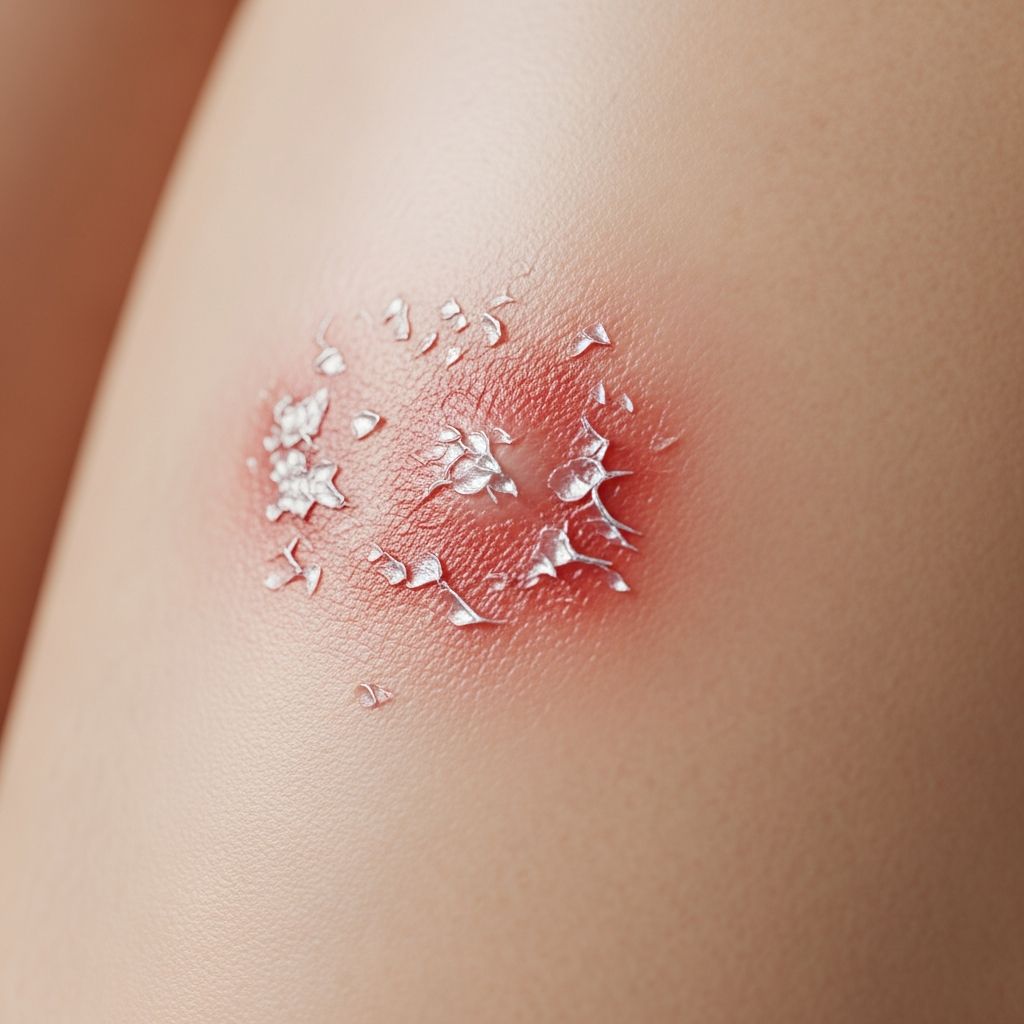
Genital psoriasis is a chronic inflammatory skin condition that affects a significant portion of the psoriasis population. Approximately 63% of adults with psoriasis develop lesions in the genital area at least once during their lifetime. In patients with inverse psoriasis—a form that predominantly affects skin folds and sensitive areas—this prevalence increases dramatically to approximately 79%. Notably, in 2–5% of psoriasis patients, lesions occur exclusively in the genital region.
Despite its high prevalence, genital psoriasis remains underdiagnosed and undertreated. Almost half of patients with genital lesions do not discuss their symptoms with their physician, often due to embarrassment or lack of awareness about available treatment options. This communication gap can lead to inappropriate self-treatment and prolonged suffering.
The Psychological and Quality of Life Impact
The impact of genital psoriasis extends far beyond the physical manifestations of the condition. Patients with psoriasis lesions in their genital area experience significantly worse quality of life than those with psoriasis on any other body areas.
Key psychological and lifestyle effects include:
- Severe pruritus (itching) and discomfort in sensitive areas
- Sexual dysfunction and avoidance of sexual relationships
- Sexual distress and diminished sexual health confidence
- Feelings of embarrassment, shame, and social stigma
- Psychological depression and anxiety disorders
- Reduced overall emotional well-being and life satisfaction
The intimate nature of genital psoriasis makes it uniquely challenging compared to psoriasis affecting visible areas of the body. Many patients experience a profound impact on their self-esteem and interpersonal relationships, making effective treatment not just a dermatological concern but a mental health priority.
First-Line Treatment Approaches
Topical Corticosteroids
Topical corticosteroids remain the gold-standard first-line treatment for genital psoriasis. Moderate-to-high-potency corticosteroids have demonstrated efficacy in both adults and children when used as monotherapy or in combination with other topical agents. These treatments are generally well tolerated without reports of significant adverse effects in clinical studies.
The effectiveness of topical corticosteroids for genital psoriasis stems from their strong anti-inflammatory properties, which rapidly reduce redness, swelling, and irritation in affected areas. However, special care must be taken when applying these medications to genital skin, which is thinner and more sensitive than other body areas, requiring careful dose management.
Nonsteroidal Topical Options
For patients seeking alternatives to corticosteroids or those experiencing steroid-related concerns, nonsteroidal agents offer viable options, though they come with specific considerations.
Topical Calcineurin Inhibitors: Tacrolimus 0.1% ointment has shown significant improvement in genital lesions across multiple clinical studies. In analysis of 38 patients across four open-label studies and two case reports, tacrolimus demonstrated efficacy with generally mild side effects including temporary pruritus and burning sensations. However, rare cases of extreme irritation requiring discontinuation have been documented.
Vitamin D Analogs: Vitamin D-based topical treatments have proven efficacious for genital psoriasis, though like calcineurin inhibitors, they can be irritating to sensitive genital skin.
Topical Cyclosporine: This agent showed good tolerability in limited case reports, presenting another alternative for patients who cannot tolerate standard therapies.
Systemic Treatment Options
For patients with extensive genital involvement or those experiencing debilitating impacts on quality of life, systemic therapies should be considered. These treatments work throughout the body to suppress the immune response driving psoriasis.
Traditional Systemic Agents: Dapsone and methotrexate have demonstrated effectiveness for patients with genital lesions and are recommended for those with significant quality of life impairment. These medications address psoriasis comprehensively and may be particularly beneficial for patients with concurrent psoriasis affecting other body areas.
Biologic Therapies: While numerous biologic agents are available for psoriasis treatment, clinical evidence specifically for genital psoriasis remains limited. However, emerging research shows promise—ixekizumab has demonstrated high efficacy specifically for genital psoriasis, with rapid improvement observed as early as 1 week into treatment. As biologic research expands, more targeted options may become available for genital-specific disease.
Essential Hygiene and Lifestyle Measures
Good hygiene and reduction of friction are essential first-line measures that complement medical treatments. These foundational practices can significantly minimize flares and improve comfort.
Cleansing Recommendations:
- Use gentle, non-soap cleansers to maintain cleanliness without irritating sensitive skin
- Avoid harsh soaps, fragrances, and irritating products
- Pat dry gently rather than rubbing
- Consider using soft, lint-free materials for drying
Clothing Choices:
- Wear loose-fitting, unrestrictive clothing to minimize friction and irritation
- Avoid tight underwear and constrictive garments that create warm, moist environments
- Choose breathable, natural fabrics when possible
- Prevent koebnerization (lesion development from mechanical trauma) by avoiding clothing that rubs or chafes affected areas
These lifestyle modifications work synergistically with medical treatments to create an optimal healing environment and reduce symptom flares.
Treatment Comparison and Efficacy Overview
The following table summarizes the primary treatment options for genital psoriasis based on clinical evidence:
| Treatment Type | Efficacy | Tolerability | Considerations |
|---|---|---|---|
| Topical Corticosteroids | High | Excellent | First-line choice; well-established safety profile |
| Tacrolimus (Calcineurin Inhibitor) | High | Good | Non-steroidal option; may cause mild irritation |
| Vitamin D Analogs | Moderate-High | Fair-Good | Can be irritating; useful alternative therapy |
| Topical Cyclosporine | Moderate | Good | Limited evidence; generally well tolerated |
| Systemic Methotrexate | High | Variable | For extensive disease; requires monitoring |
| Systemic Dapsone | High | Variable | For debilitating quality of life impact |
| Ixekizumab (Biologic) | Very High | Good | Rapid response; emerging evidence for genital psoriasis |
The Importance of Open Communication with Healthcare Providers
One of the most critical factors in successful genital psoriasis management is open, honest communication with healthcare providers. Despite the prevalence of genital psoriasis, nearly half of affected patients do not discuss their symptoms with physicians. This communication gap perpetuates undertreatment and unnecessary suffering.
Patients should feel empowered to discuss:
- Specific locations and extent of genital lesions
- Severity of itching, pain, and discomfort
- Impact on sexual function and intimate relationships
- Psychological effects including depression and anxiety
- Previous treatments attempted and their results
- Personal preferences regarding treatment modalities
Healthcare providers, in turn, should create non-judgmental, confidential environments where patients feel comfortable discussing genital concerns without shame or embarrassment.
Special Considerations for Different Patient Populations
Genital psoriasis management varies based on patient age, disease severity, and comorbidities. The systematic review of available evidence included both adult and pediatric patients, with 332 adults and 126 children studied across available literature. Treatment approaches must be tailored to individual circumstances, considering factors such as skin sensitivity, hormone levels, and concurrent medical conditions.
Frequently Asked Questions
Q: How common is genital psoriasis?
A: Genital psoriasis affects approximately 63% of people with psoriasis at some point during their lifetime. This prevalence increases to about 79% in patients with inverse psoriasis, a form that affects skin folds and sensitive areas.
Q: Why is genital psoriasis more psychologically impactful than other types?
A: The genital area is intimately connected to sexual function, relationships, and self-image. Lesions in this region cause greater psychological distress, including embarrassment, shame, sexual dysfunction, and depression compared to psoriasis on other body areas.
Q: What is the first treatment I should try?
A: Topical corticosteroids are the recommended first-line treatment for genital psoriasis due to their proven efficacy and good tolerability profile. They work well as both monotherapy and in combination with other treatments.
Q: Are there non-steroidal treatment options?
A: Yes. Nonsteroidal alternatives include topical calcineurin inhibitors (tacrolimus), vitamin D analogs, and topical cyclosporine. These are effective for some patients, though they may cause more irritation than corticosteroids.
Q: How quickly do treatments work?
A: Response varies by treatment type. Emerging biologic therapy (ixekizumab) shows rapid improvement as early as 1 week into treatment, while other topical treatments typically show noticeable improvement within 1-2 weeks of consistent use.
Q: Why don’t I discuss genital psoriasis with my doctor?
A: Many patients feel embarrassed or ashamed about genital symptoms. However, open communication is essential for receiving appropriate care and effective treatment. Healthcare providers are trained professionals who can address these concerns in a confidential, non-judgmental manner.
Q: Can lifestyle changes alone treat genital psoriasis?
A: While good hygiene and wearing loose clothing are essential first-line measures that reduce flares and improve comfort, they typically need to be combined with medical treatments like topical corticosteroids for optimal management.
References
- Treatment of Genital Psoriasis: A Systematic Review — National Center for Biotechnology Information (NCBI), U.S. National Library of Medicine. 2018. https://pmc.ncbi.nlm.nih.gov/articles/PMC6261118/
Similar Articles








Read full bio of Sneha Tete