Genital Psoriasis: Symptoms, Causes, And Treatment Guide
Comprehensive guide to genital psoriasis: symptoms, causes, diagnosis, and effective treatments for improved quality of life.
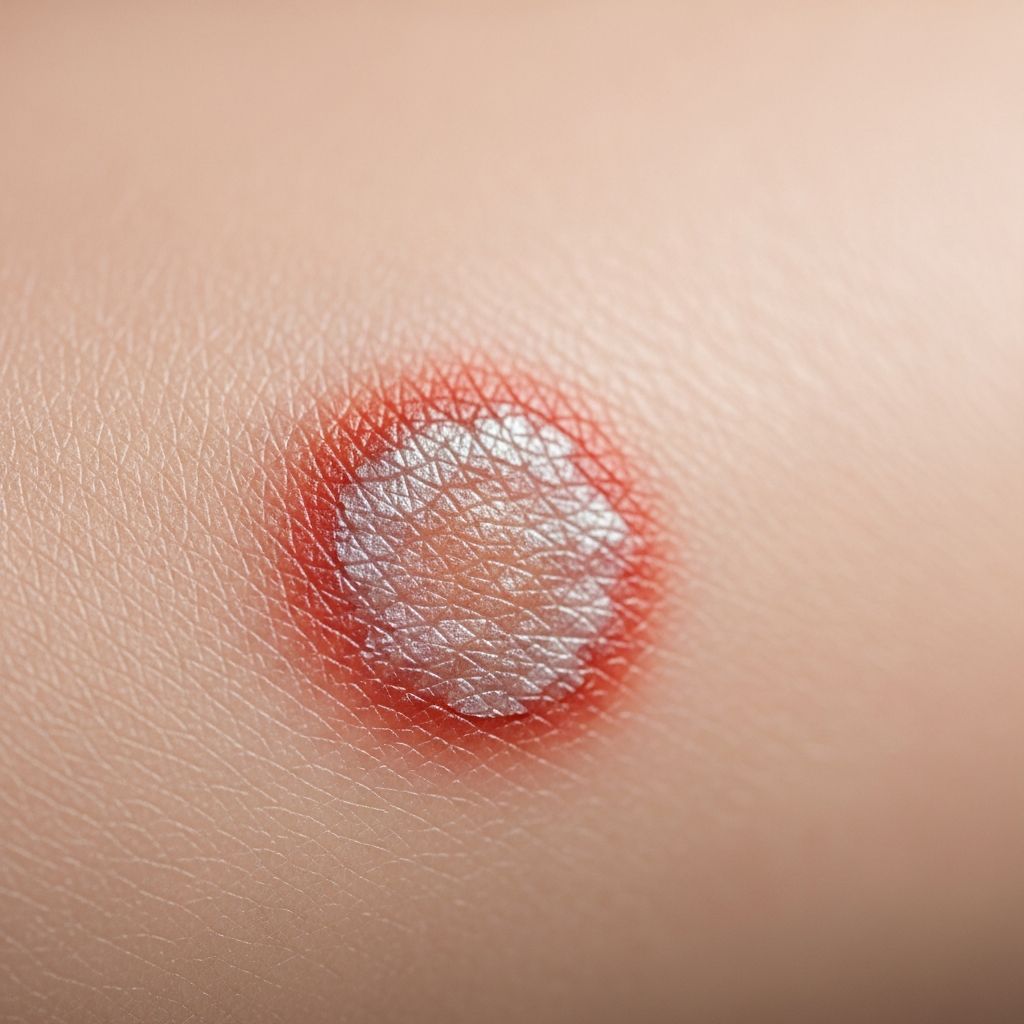
Genital psoriasis is a form of psoriasis that affects the skin of the genitals. It can occur by itself or as part of widespread plaque psoriasis. Up to two-thirds of people with psoriasis get genital disease at some point in their lives.
What is genital psoriasis?
Genital psoriasis refers to psoriasis affecting the genital skin. Psoriasis is a common skin condition characterized by raised, inflamed, scaly patches due to rapid skin cell turnover caused by immune system dysfunction. In the genital area, the skin is thin and moist, leading to unique presentations without typical thick scales.
This condition impacts the vulva in women, penis and scrotum in men, and perianal skin in both sexes. It often causes significant discomfort, itching, pain, and sexual dysfunction, profoundly affecting quality of life.
Who gets genital psoriasis?
Genital psoriasis affects approximately 33–63% of psoriasis patients at some point. It is more common in those with moderate-to-severe plaque psoriasis. Men and women are equally affected, though presentations differ by anatomy. It can occur at any age but is frequent in adults with existing psoriasis.
- Prevalence: Up to 63% lifetime incidence in psoriasis patients.
- Risk factors: Family history of psoriasis, obesity, smoking, stress, and skin trauma (Koebner phenomenon).
What causes genital psoriasis?
Genital psoriasis arises from the same autoimmune mechanisms as other psoriasis types. Genetic predisposition combined with environmental triggers leads to T-cell activation and cytokine release (e.g., IL-17, IL-23), causing epidermal hyperproliferation. In genitals, friction, moisture, and occlusion modify the appearance.
Common triggers include:
- Trauma or friction from intercourse or clothing.
- Infections (e.g., candidiasis).
- Stress and hormonal changes.
- Medications or topical irritants.
What are the clinical features of genital psoriasis?
Genital psoriasis typically presents as well-defined, red or salmon-pink, shiny or velvety plaques without scales due to moisture. Lesions are smooth, glossy, and may crack or fissure, causing pain.
Vulva and vagina (women)
In women, plaques affect the labia majora/minora, clitoris, and perineum. They appear as bright red, smooth patches that may extend to thighs. Symptoms include burning, stinging, dyspareunia (painful sex), and post-coital fissuring.
Penis and scrotum (men)
Men often have plaques on the glans penis (well-demarcated erythema), shaft, and scrotum. Glans involvement shows thin red plaques; scrotal skin appears wrinkled and red. Fissures and pain during erection or sex are common.
Inverse/flexural psoriasis
This subtype thrives in moist folds: groin, inframammary, axillae. Skin is red, smooth, macerated; worsened by sweat and rubbing. On skin of color, it may appear violaceous or hyperpigmented.
Other genital sites
- Perianal: Erythematous plaques causing itching and pain with defecation.
- Pubic hairline: Scaly plaques resembling typical psoriasis.
- Nails: Pitting, onycholysis if involved.
Symptoms: Severe itch (worse at night), soreness, sexual discomfort, and secondary infections.
Diagnosis
Diagnosis is clinical based on history and exam. Characteristic shiny red plaques in genitals with or without psoriasis elsewhere confirm it. Differential includes candidiasis, lichen sclerosus, lichen planus, eczema, herpes, syphilis.
- Skin biopsy if atypical (shows parakeratosis, Munro microabscesses, spongiosis).
- Swabs for infection/STIs.
Related Stories



See a dermatologist for confirmation, as misdiagnosis delays treatment.
What is the treatment of genital psoriasis?
Treatment is challenging due to thin, sensitive skin prone to atrophy and irritation. Goals: Reduce inflammation, relieve symptoms, prevent flares. Start with mild topicals; escalate if needed. Multidisciplinary approach for sexual health impact.
Topical corticosteroid cream
First-line: Low-potency (hydrocortisone 1%) or mid-potency (e.g., betamethasone valerate 0.02%) for short courses (1–2 weeks). Effective and well-tolerated; combine with emollients. Avoid high-potency long-term to prevent striae, atrophy.
Non-steroidal topicals
- Vitamin D analogues (calcipotriol, calcitriol): Reduce scaling, safe for genitals.
- Calcineurin inhibitors (tacrolimus 0.1%, pimecrolimus): Excellent for thin skin; mild burning initially.
- Roflumilast (Zoryve), tapinarof (Vtama): PDE4 inhibitors, steroid-sparing.
- Coal tar: Low concentration for mild cases[10].
Systemic treatments
For severe/refractory cases:
- Biologics: Ixekizumab (IL-17 inhibitor) shows rapid clearance (PGA-Genital 0/1 in 68% at week 12); improves itch, QOL.
- Methotrexate, cyclosporine: 7.5–20mg weekly methotrexate effective but monitor side effects.
- Others: Acitretin, apremilast (limited genital data).
| Treatment Type | Examples | Efficacy in Genitals | Side Effects |
|---|---|---|---|
| Topical Steroids | Hydrocortisone, betamethasone | High (first-line) | Atrophy if prolonged |
| Vit D Analogues | Calcitriol | Moderate-high | Irritation (low) |
| Calcineurin Inhibitors | Tacrolimus | High | Burning (transient) |
| Biologics | Ixekizumab | Very high (RCT data) | Injection site reactions |
Phototherapy
Narrowband UVB effective for widespread disease but less practical for genitals.
What is the management for flares?
Avoid triggers: Harsh soaps, tight clothing, excessive washing. Use emollients (petrolatum) frequently. Short steroid bursts for acute flares. Treat candidal superinfection with antifungals.
Sexual health
Genital psoriasis causes embarrassment, pain, avoidance of intimacy. Ixekizumab improves sexual QoL significantly. Counseling, lubricants, and partner education help.
Clinical images
Images typically show smooth red plaques on glans, vulva, scrotum (descriptive; not embedded).
Frequently asked questions
Is genital psoriasis an STI?
No, it is not contagious or sexually transmitted.
Can I have sex with genital psoriasis?
Yes, with lubrication and treatment to minimize pain.
How long until treatment works?
Topicals: Days to weeks; biologics: 1–4 weeks.
Does it affect fertility?
No direct impact, but untreated pain may.
Can pregnancy treatments be used?
Mild topicals safe; consult dermatologist.
Self-care
- Moisturize 4–6x daily.
- Gentle cleansing, pat dry.
- Cotton underwear, loose clothes.
- Stress reduction, healthy diet.
- Avoid scratching to prevent infection.
References
- Genital Psoriasis: Symptoms, Causes & Treatment — Cleveland Clinic. 2023-10-26. https://my.clevelandclinic.org/health/diseases/25045-genital-psoriasis
- Treatment of Genital Psoriasis: A Systematic Review — PMC/NCBI (Dermatol Ther (Heidelb)). 2018-11-20. https://pmc.ncbi.nlm.nih.gov/articles/PMC6261118/
- Genital Psoriasis: Symptoms, Causes, Diagnosis, Treatment — WebMD. 2024. https://www.webmd.com/skin-problems-and-treatments/psoriasis/genital-psoriasis-guide
- Genital Psoriasis — National Psoriasis Foundation. 2024. https://www.psoriasis.org/genitals/
- How can I treat genital psoriasis? — American Academy of Dermatology. 2024. https://www.aad.org/public/diseases/psoriasis/treatment/genitals/genital-treat
Similar Articles








Read full bio of Sneha Tete