Genital Thrush Medications: Expert Guide To Treatment
Comprehensive guide to antifungal treatments for genital yeast infections, covering creams, pessaries, oral options, and prevention strategies for quick relief.
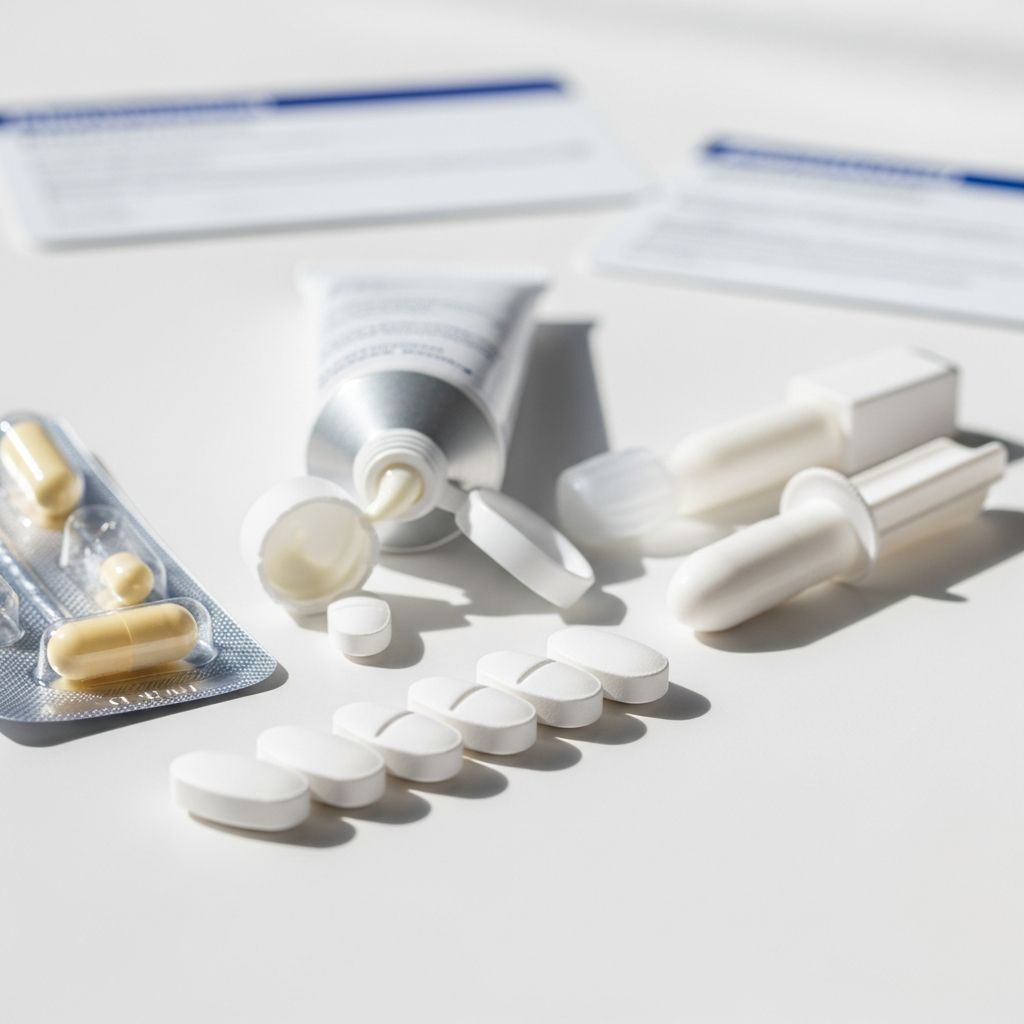
Genital thrush, a common fungal infection caused by an overgrowth of Candida yeast, affects both men and women in the genital area. Effective management relies on antifungal medications that target the yeast directly, available in topical and oral forms for rapid symptom relief and clearance within a week.
Understanding Genital Thrush and Its Impact
Caused primarily by Candida albicans, genital thrush leads to itching, soreness, white discharge, and discomfort during intercourse or urination. Women often experience vaginal symptoms, while men may notice redness on the penis head. Risk factors include antibiotic use, hormonal changes, diabetes, and weakened immunity. Early treatment prevents complications like recurrent infections.
Antifungal therapies work by disrupting the fungal cell membrane, stopping growth and reproduction. Most cases resolve with over-the-counter or prescription options, but persistent symptoms warrant medical evaluation to rule out resistant strains or other conditions.
Topical Creams: First-Line Defense for Symptom Relief
Topical creams are widely used for their direct application to affected areas, providing quick soothing. These antifungals, such as clotrimazole and miconazole, are applied externally to the vulva, penis, or internally via applicators.
- Clotrimazole creams (e.g., 1-2% strength): Apply 2-3 times daily for 3-7 days. Effective against yeast on skin folds and genitals.
- Miconazole creams: Similar dosing, often combined with external itch-relief formulas for added comfort.
- Nystatin creams: Gentler option for sensitive skin, though less common for genital use.
Applicators ensure precise internal delivery for women. Treatment duration varies: 1-7 days based on severity. Side effects include mild burning or irritation, resolving post-use. Importantly, these creams can weaken latex condoms, so use alternative contraception during treatment.
Vaginal Pessaries: Targeted Internal Treatment
Pessaries are solid inserts placed inside the vagina, releasing antifungal agents slowly for overnight efficacy. Ideal for internal infections, they dissolve or are removed after hours.
- Clotrimazole pessaries: Single-dose 500mg or 3-day 100mg regimens. High success rate for uncomplicated cases.
- Miconazole pessaries: 200mg doses over 7 days or higher-strength singles.
Insertion is straightforward with provided applicators or fingers. Lie down post-insertion to maximize retention. Relief often begins within 24 hours, with full clearance by day 7. Avoid during menstruation if possible, and consult a doctor if pregnant.
Oral Antifungals: Convenient Systemic Option
For faster relief or those preferring no mess, oral capsules like fluconazole offer single-dose convenience. This triazole antifungal circulates systemically to eradicate yeast.
- Fluconazole 150mg: One tablet cures 80-90% of cases, with symptoms easing in 1-3 days.
- For recurrent thrush: Weekly or monthly doses for 6 months suppress relapse.
Related Stories



Prescription required in many regions, it’s unsuitable for pregnancy or with certain medications due to liver interactions. Side effects are rare: nausea or headache.
Combination Therapies for Enhanced Relief
Some products pair oral and topical agents for dual action: internal cure plus external soothing.
| Product Type | Components | Benefits |
|---|---|---|
| Fluconazole + Clotrimazole | Capsule + Cream | Systemic kill + itch relief |
| Clotrimazole Pessary + Cream | Insert + External Cream | Internal treatment + symptom soothe |
| Miconazole Multi-Day | Pessary/Cream Combo | Prolonged exposure for stubborn cases |
These are particularly useful for severe itching alongside infection.
Treatment for Men and Special Populations
Men treat penile thrush with external creams applied twice daily for 7-14 days. Partners need not treat asymptomatically, but mutual screening prevents ping-pong infections.
Pregnant individuals should use topical azoles like clotrimazole after week 12, avoiding orals. Diabetics or immunocompromised patients may require longer courses or tests for resistance.
Managing Recurrent Genital Thrush
Four or more episodes yearly signal recurrence. Strategies include:
- 6-month maintenance fluconazole.
- Lifestyle tweaks: cotton underwear, low-sugar diet, probiotics.
- Rule out underlying issues like HIV or uncontrolled diabetes.
Resistance is rising, per WHO, so culture tests guide therapy.
Side Effects and Safety Considerations
Common: local stinging (5-10% users). Rare: allergic reactions or abdominal upset from orals. Discontinue if worsening. Store at room temperature; discard post-expiry.
Warnings: Not for bacterial infections; consult GP if no improvement in 7 days.
Prevention Strategies to Avoid Thrush
Proactive steps reduce risk:
- Wear breathable fabrics.
- Avoid douches/scented products.
- Manage blood sugar.
- Complete antibiotic courses with probiotics.
- Practice safe sex.
Yogurt or lactobacillus supplements may help, though evidence varies.
When to Seek Medical Advice
Consult a healthcare provider if: first episode, recurrent, pregnant, symptoms persist post-treatment, or unusual discharge.
Frequently Asked Questions (FAQs)
Can I treat thrush during pregnancy?
Yes, with topical clotrimazole after consulting a doctor. Avoid oral fluconazole.
Is thrush sexually transmitted?
Not typically, but can pass between partners. Treat symptomatic contacts.
How long until thrush clears?
Most within 7 days; complete full course to prevent return.
Can men get thrush?
Yes, on the penis; use antifungal creams.
What if treatment fails?
See a doctor for tests; may need alternative antifungals.
This guide empowers informed choices for genital thrush management, prioritizing evidence-based options for optimal health.
References
- Genital thrush medications — Healthify.nz. 2023. https://healthify.nz/medicines-a-z/g/genital-thrush-medications
- About clotrimazole for thrush — NHS.uk. 2023-10-24. https://www.nhs.uk/medicines/clotrimazole-for-thrush/about-clotrimazole-for-thrush/
- Vaginal Yeast Infection: Causes, Symptoms & Treatment — Cleveland Clinic. 2023-08-23. https://my.clevelandclinic.org/health/diseases/5019-vaginal-yeast-infection
- Candidiasis (yeast infection) — World Health Organization. 2024-11-01. https://www.who.int/news-room/fact-sheets/detail/candidiasis-(yeast-infection)
- Yeast infection (vaginal) – Diagnosis and treatment — Mayo Clinic. 2023-09-26. https://www.mayoclinic.org/diseases-conditions/yeast-infection/diagnosis-treatment/drc-20379004
Similar Articles








Read full bio of Sneha Tete