Genitourinary Chlamydia: Symptoms, Diagnosis & Treatment 2025
Comprehensive guide to chlamydia infection: symptoms, complications, diagnosis, treatment, and prevention strategies.
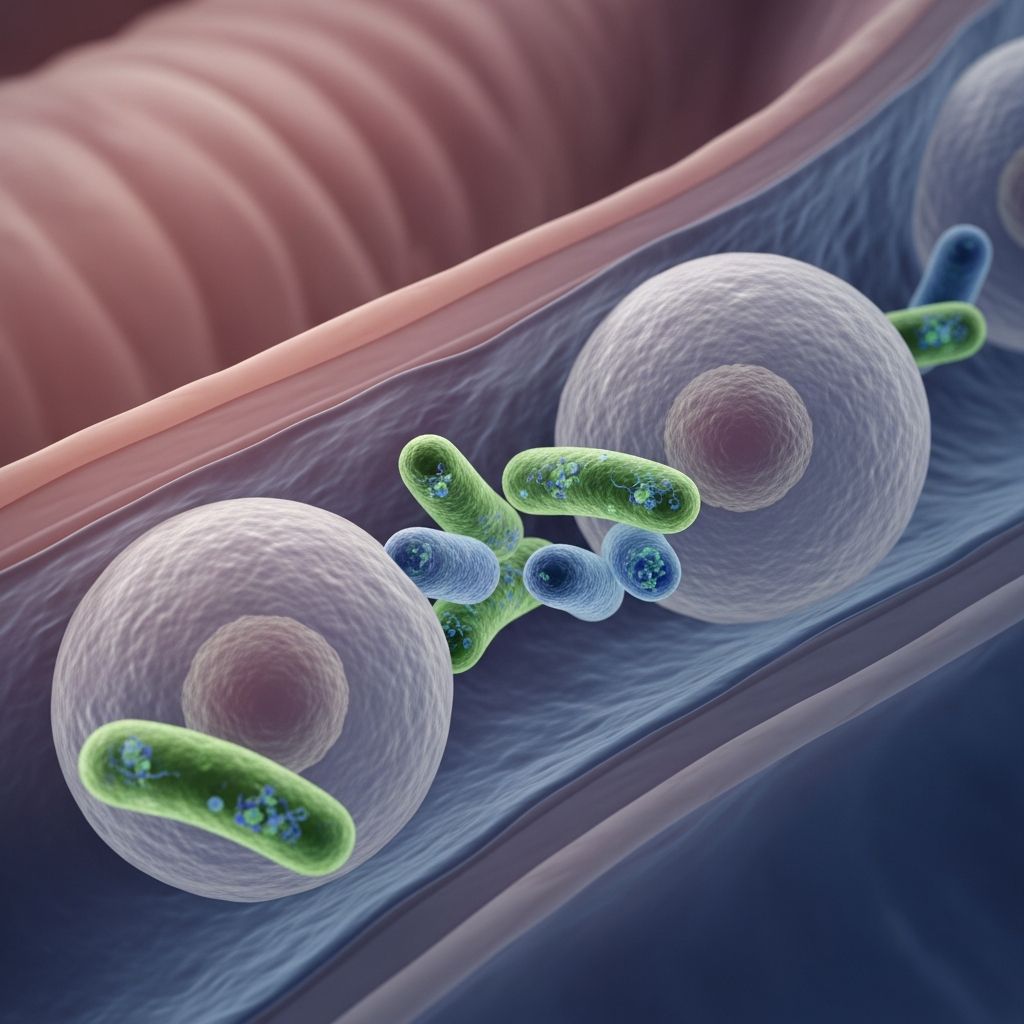
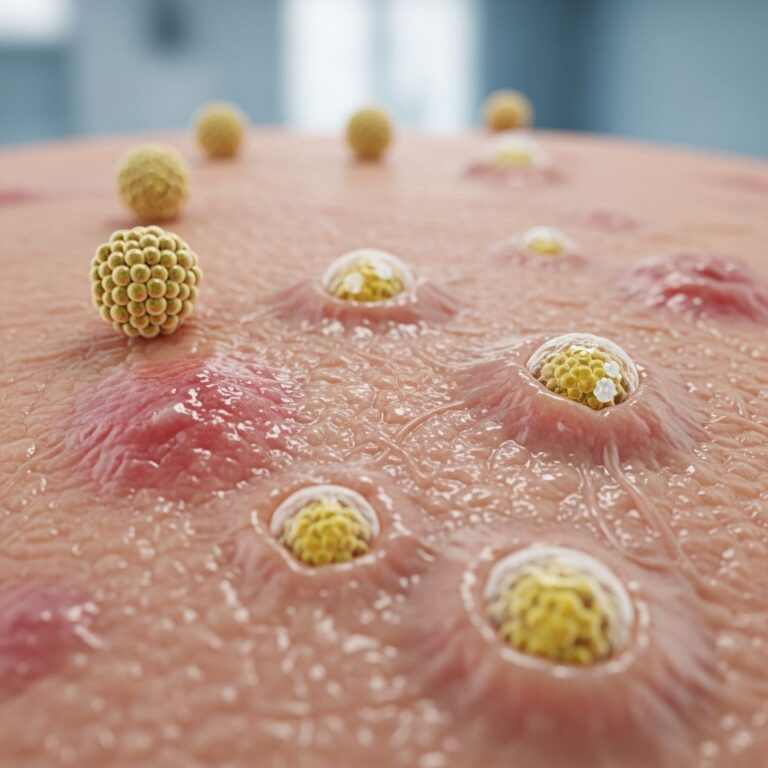
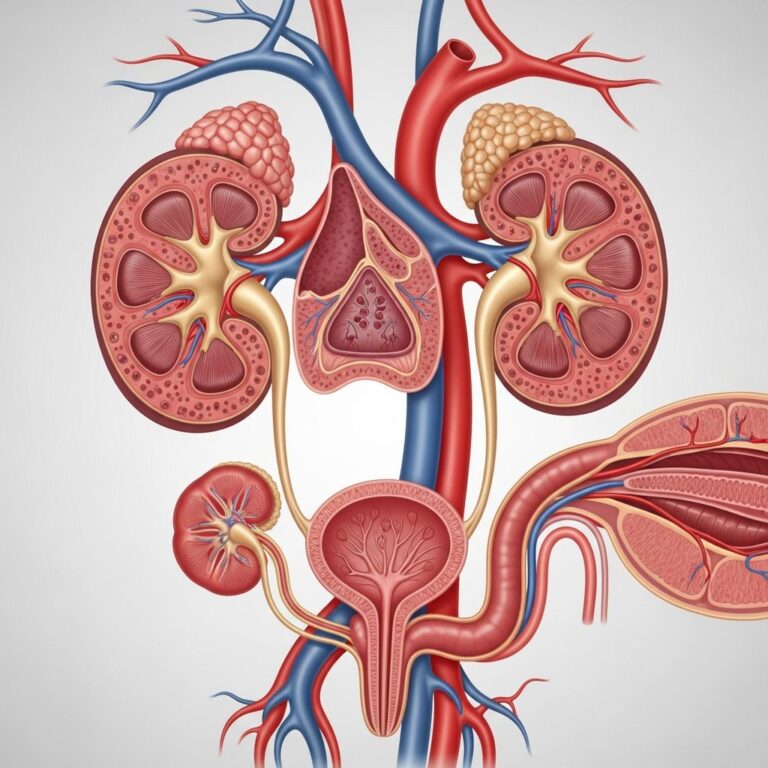
Genitourinary chlamydia infection, commonly referred to as chlamydia, is a prevalent sexually transmitted infection (STI) caused by the bacterium Chlamydia trachomatis, specifically serotypes DK. This intracellular pathogen primarily affects the genitourinary tract, including the urethra, cervix, rectum, and occasionally the pharynx or conjunctiva. Unlike serotypes L1L3, which cause lymphogranuloma venereum (LGV), genitourinary chlamydia typically presents with mild or no symptoms, making it a silent epidemic in many populations. It is one of the most frequently reported bacterial STIs globally, with high incidence among sexually active young adults.
Introduction
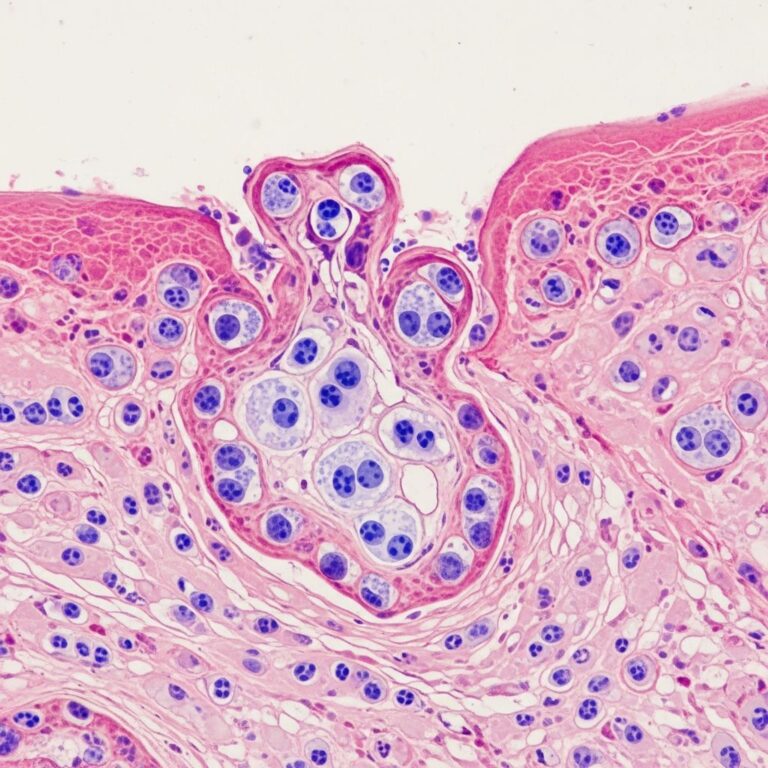
Chlamydia trachomatis is an obligate intracellular bacterium that infects squamous epithelial cells of the genital tract mucosa. Transmission occurs through direct contact with infected genital secretions during vaginal, anal, or oral sex, as well as through practices like fingering or sharing sex toys that transfer secretions to mucous membranes. Vertical transmission from mother to child during vaginal delivery can lead to neonatal infections. The infection is often asymptomaticapproximately 70% of women and 50% of men show no signsallowing undetected spread and increasing risks of long-term complications with repeated infections.
Demographics
Genitourinary chlamydia disproportionately affects certain groups. It is most common in adolescents and young adults under 30 years, particularly those with new or multiple sexual partners, inconsistent condom use, or a history of prior STIs. Higher rates are observed among Mori and Pacific Peoples in New Zealand, as well as men who have sex with men (MSM). Globally, women aged 1524 and men aged 2024 report the highest prevalence. Risk factors include young age, multiple partners, lack of barrier protection, and being a sexual contact of an infected individual. Public health screening programs target these demographics to curb transmission.
Clinical Features
Symptoms, when present, typically emerge 13 weeks post-exposure but can be subtle. In men, common manifestations include urethral discharge (mucopurulent or clear), dysuria (painful urination), and urethral irritation. Testicular pain or swelling may indicate epididymitis. In women, signs often involve vaginal discharge, post-coital or intermenstrual bleeding, lower abdominal pain, or dyspareunia (pain during sex). Rectal involvement, frequent in MSM and women practicing receptive anal sex, may cause discharge, discomfort, or bleeding. Pharyngeal infections are usually asymptomatic but can occur with oral sex. Physical exam may reveal cervical friability, discharge, or tenderness, though these are non-specific.
| Site | Men | Women |
|---|---|---|
| Urethra | Dysuria, discharge (50% symptomatic) | Less common |
| Cervix | N/A | Discharge, bleeding (2530% symptomatic) |
| Rectum | Discharge, pain | Discharge, often asymptomatic |
| Pharynx | Asymptomatic | Asymptomatic |
Complications
Untreated chlamydia can ascend the reproductive tract, leading to serious sequelae, especially with recurrent infections. In women, key complications include pelvic inflammatory disease (PID), which affects up to 1015% of cases and risks tubal scarring, ectopic pregnancy, chronic pelvic pain, and infertility. Fitz-Hugh-Curtis syndrome (perihepatitis) presents with right upper quadrant pain. In men, epididymitis and orchitis can cause infertility or chronic pain; reactive arthritis (Reiter’s syndrome) involves uveitis, urethritis, and arthritis. Neonatal risks from maternal infection encompass conjunctivitis (ophthalmia neonatorum) and pneumonia. Rarely, dissemination leads to proctitis or systemic issues. Early detection mitigates these risks significantly.
- Women: PID, infertility, ectopic pregnancy, chronic pain.
- Men: Epididymitis, prostatitis, reactive arthritis.
- Neonates: Conjunctivitis, pneumonia.
Related Stories



Diagnosis
Diagnosis relies on nucleic acid amplification tests (NAATs), the gold standard due to high sensitivity (9095%) and specificity across sites. Self-collected vaginal swabs are preferred for women over urine due to higher bacterial load; first-void urine suits men. Rectal and pharyngeal swabs are essential for at-risk individuals, as urogenital testing misses 1020% of extragenital infections. Specimens should be clinician- or patient-collected. Other tests like enzyme immunoassays (EIA) are less sensitive and not recommended for non-genital sites. Cultures are rarely used due to poor sensitivity (6080%). Point-of-care NAATs are emerging but not routine. Testing is indicated for symptomatic patients, contacts, and routine screening in high-risk groups.
- First-void urine (men).
- Vaginal/ endocervical swab (women).
- Rectal/ pharyngeal swabs (if indicated).
Treatment
Treatment eradicates infection in over 95% of uncomplicated cases. First-line for urogenital/pharyngeal chlamydia is doxycycline 100 mg orally twice daily for 7 days, superior to single-dose azithromycin 1 g for rectal infections. Azithromycin remains an alternative, especially in pregnancy (though QT prolongation risk noted). For anorectal disease, doxycycline is preferred; azithromycin may require repeat dosing. Complicated cases (PID, epididymitis) use extended doxycycline or combined therapy covering gonorrhea (e.g., ceftriaxone plus doxycycline). Pregnant women receive azithromycin; doxycycline is contraindicated. Patients must abstain from sex for 7 days post-treatment start or until partners are treated. Test-of-cure NAAT at 4+ weeks for rectal/pregnancy cases; retest at 3 months due to high reinfection rates.
| Condition | First-Line | Alternative |
|---|---|---|
| Urogenital/Pharyngeal | Doxycycline 100 mg BD x7 days | Azithromycin 1 g stat |
| Anorectal | Doxycycline 100 mg BD x7 days | Azithromycin 1 g weekly x2 |
| Pregnancy | Azithromycin 1 g stat | Erythromycin (if intolerant) |
| Gonorrhea co-infection | Ceftriaxone 1 g IM + Doxycycline | N/A |
Prevention
Prevention hinges on safe sex: consistent condom use for vaginal/anal sex, dental dams for oral-genital contact, and not sharing sex toys (or covering with new condoms). Limit partners, screen regularly (annually or more for high-risk), and treat partners promptly via expedited partner therapy. Post-exposure prophylaxis with doxycycline (within 72 hours of condomless sex) reduces acquisition by two-thirds in MSM. Avoid sex during treatment. Vaccination research is ongoing, but none available yet. Education on asymptomatic nature promotes screening uptake.
Frequently Asked Questions (FAQs)
Q: Is chlamydia always symptomatic?
A: No, it is asymptomatic in ~70% of women and 50% of men, enabling silent transmission.
Q: Can chlamydia be cured?
A: Yes, antibiotics like doxycycline cure >95% of cases if adhered to properly.
Q: How soon after exposure do symptoms appear?
A: 13 weeks, but many remain asymptomatic indefinitely without treatment.
Q: Does chlamydia cause infertility?
A: Untreated, yesvia PID in women and epididymitis in men; early treatment prevents this.
Q: Can I get chlamydia from oral sex?
A: Yes, though pharyngeal infections are often asymptomatic; use barriers.
References
- Genitourinary chlamydia infection DermNet NZ. 2023. https://dermnetnz.org/topics/genitourinary-chlamydia
- Chlamydia New Zealand STI Guidelines. 2024. https://sti.guidelines.org.nz/infections/chlamydia/
- Chlamydia Healthify NZ. 2023. https://healthify.nz/health-a-z/c/chlamydia
- 2025 European guideline on the management of Chlamydia trachomatis infections IUSTI Europe (White et al.). 2025-03-15. https://iusti.org/wp-content/uploads/2025/03/white-et-al-2025-2025-european-guideline-on-the-management-of-chlamydia-trachomatis-infections.pdf
Similar Articles








Read full bio of medha deb