Gentamicin Ear Drops: Uses, Side Effects, And Safety Guide
Comprehensive guide to using gentamicin ear drops for treating bacterial ear infections effectively and safely.
About gentamicin ear drops
Gentamicin ear drops are a type of
anti-infective ear drop
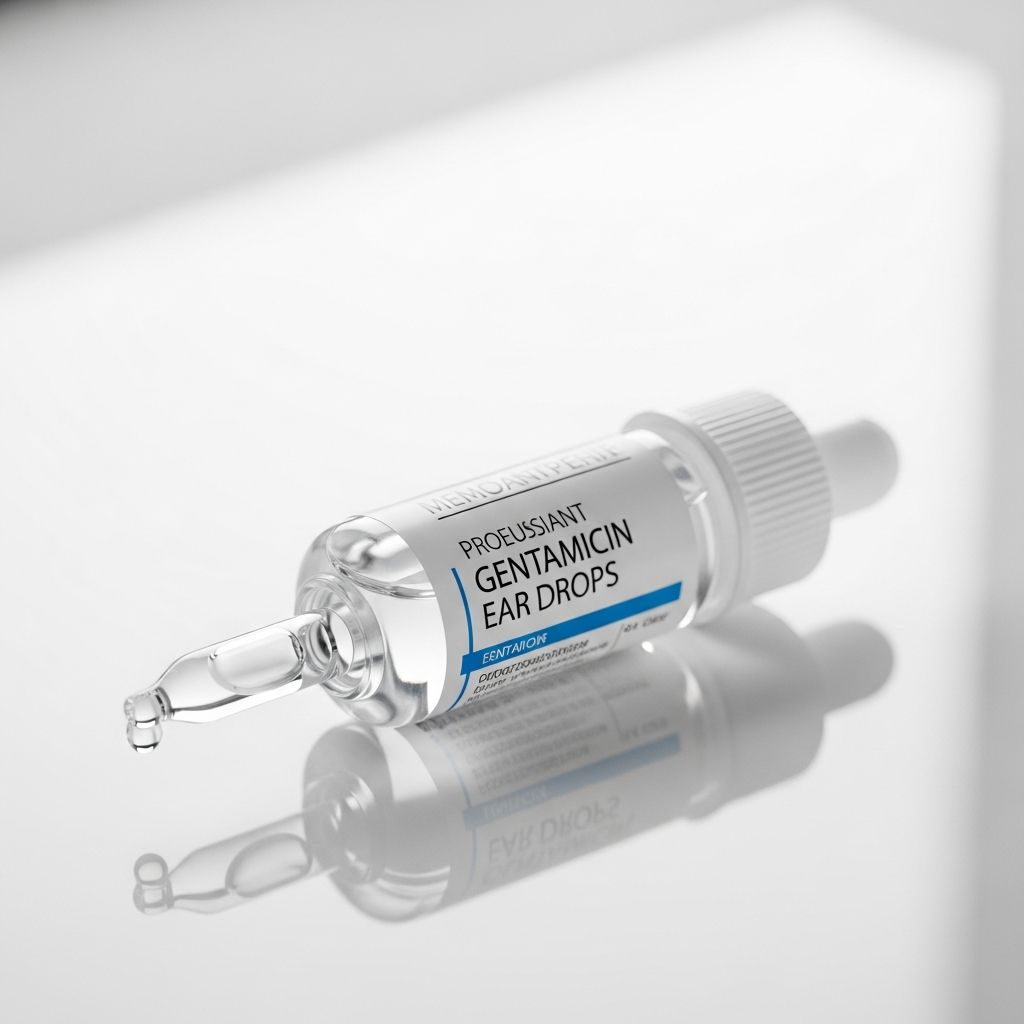
specifically formulated to combat bacterial infections in the ear. They belong to the aminoglycoside class of antibiotics, which work by targeting and killing the bacteria responsible for infections such as otitis externa (swimmer’s ear) or other outer ear infections. These drops are available by prescription for use in both eyes and ears, but when prescribed for ears, they provide targeted relief by delivering the medication directly to the site of infection.The medication is particularly effective against a range of gram-negative bacteria commonly associated with ear infections. Unlike oral antibiotics, ear drops minimize systemic absorption, reducing the risk of widespread side effects while concentrating the treatment where it’s needed most. Gentamicin is supplied in a sterile solution, typically at a concentration of 0.3% w/v, and is suitable for adults and children unless contraindicated.
In cases where the ear canal is inflamed or swollen alongside the infection, doctors may prescribe a combination product containing gentamicin and hydrocortisone. The steroid component helps reduce swelling, itching, and discomfort, enhancing overall recovery. This targeted approach makes gentamicin ear drops a cornerstone in managing acute and chronic bacterial ear conditions.
| Type of Medicine | Used For | Available As |
|---|---|---|
| Anti-infective ear drop | Treatment of ear infections in adults and children | Drops (prescribed for eyes or ears) |
What are gentamicin ear drops used for?
**Gentamicin ear drops** are primarily used to treat bacterial ear infections by eliminating the germs (bacteria) causing the infection. Common conditions include otitis externa, where the outer ear canal becomes red, swollen, and painful, often due to water exposure, trauma, or bacterial entry. The drops penetrate the ear canal to directly attack susceptible bacteria, alleviating symptoms like pain, discharge, and itching.
For more severe cases involving inflammation, combination drops with hydrocortisone are recommended. These not only kill bacteria but also reduce swelling, providing faster symptom relief. Gentamicin is ineffective against viral or fungal infections, so accurate diagnosis by a healthcare provider is essential before use.
Clinical guidelines emphasize using these drops for superficial infections to avoid deeper penetration risks. In otitis media with effusion or middle ear involvement, caution is advised due to potential ototoxicity. Proper use ensures complete eradication of infection, preventing recurrence and complications like chronic otitis.
Side effects of gentamicin ear drops
The most
common side effects
of gentamicin ear drops are mild and localized, including irritation, itching, or stinging in the ear shortly after application. These effects typically resolve quickly as the ear adjusts to the medication. However, a full list of potential side effects is detailed in the manufacturer’s patient information leaflet (PIL) provided with the medicine.Related Stories



If symptoms persist or worsen, consult your doctor or pharmacist. Rare but serious effects may include allergic reactions (rash, swelling, difficulty breathing), hearing changes, or balance issues, particularly with prolonged use or in those with risk factors. Topical aminoglycosides like gentamicin can accumulate in the inner ear, potentially causing high-frequency hearing loss or vestibular dysfunction in susceptible individuals.
| Side Effect | Frequency | Action |
|---|---|---|
| Mild irritation, itching, or stinging | Common | If continues or severe, speak with doctor |
| Rash or allergic reaction | Rare | Stop use and seek medical advice immediately |
| Hearing changes or dizziness | Rare (with prolonged use) | Contact doctor urgently |
Monitoring is crucial for patients on extended therapy, with recommendations for periodic hearing tests and renal function checks, though topical use poses lower systemic risk. Always report new symptoms promptly.
Who should not use gentamicin ear drops?
Certain individuals should avoid gentamicin ear drops or use them only under strict medical supervision. Inform your doctor if any of the following apply:
- You have a
burst (perforated) eardrum
, as the medication could enter the middle ear, increasing ototoxicity risk and potential hearing loss. - You are
pregnant or breastfeeding
, due to possible fetal or infant exposure risks. - You have a history of
allergic reaction
to gentamicin, other aminoglycosides, or similar ear drops. - You suffer from
myasthenia gravis
, a neuromuscular condition that could be exacerbated by aminoglycosides. - You have
kidney or liver problems
, especially if elderly, as even topical use may lead to absorption. - You are using other medications, including over-the-counter, herbal, or complementary therapies, to avoid interactions.
Patients with open wounds, damaged skin, or suspected middle ear issues require extra caution, as topical application heightens toxicity risks. Always disclose full medical history for safe prescribing.
How to use gentamicin ear drops
Follow the instructions precisely for optimal results. Always read the patient leaflet before use.
- Wash hands thoroughly.
- Clean the ear gently with warm water and pat dry.
- Remove the bottle cap; avoid touching the dropper tip to prevent contamination.
- Lie down or tilt head so the affected ear faces upward.
- Gently pull the earlobe (up and back for adults, down and back for children) to straighten the canal.
- Hold the bottle upside down and instill
2-3 drops
(or as prescribed: 3-4 drops for ages 6+ three times daily). - Keep head tilted for 1-2 minutes; a cotton plug may help retain the drops.
- Repeat for the other ear if needed.
- Replace cap tightly.
For children under 6, dosage is doctor-determined. Do not touch the applicator to any surface.
Getting the most from your treatment
To maximize efficacy, adhere strictly to the prescribed regimen: typically
2-3 drops 3-4 times daily, including at night
, until completion, even if symptoms improve.- Don’t miss doses: Apply missed dose ASAP unless near next one; never double up.
- Complete the full course (usually 7-10 days) to prevent resistance.
- Avoid water exposure in the ear during treatment.
- If no improvement in 48-72 hours, consult your doctor.
- Discard bottle after treatment, even if liquid remains, to avoid contamination.
Combine with ear hygiene but space cleaners 1 hour apart from drops.
How to store gentamicin ear drops
Store at room temperature (below 25°C), away from heat, moisture, and direct light. Keep tightly closed and out of reach of children. Do not use after expiry date; discard unused portions post-treatment. Freezing or refrigeration is not recommended unless specified.
Important information about all medicines
Never share prescription medicines. Report new symptoms or allergies immediately. Driving may be affected if blurred vision occurs (rare with ear use). Keep all appointments for monitoring, especially with risk factors.
Frequently asked questions
Q: How long does it take for gentamicin ear drops to work?
A: Symptoms usually ease within a few days; most infections improve significantly in 7 days with correct use.
Q: What does gentamicin do to the middle ear?
A: It kills bacteria causing infection, reducing pain and discharge. Avoid if perforated eardrum due to ototoxicity risk.
Q: Can I use gentamicin ear drops with a perforated eardrum?
A: No, unless advised by a doctor; it may cause hearing damage.
Q: Are gentamicin ear drops safe for children?
A: Yes, for ages 6+ at 3-4 drops 3x daily; under 6 requires doctor dosing.
Q: What if I forget a dose?
A: Use as soon as remembered; skip if near next dose. Resume schedule.
References
- Gentamicin Ear Drops: Side Effects and Warnings — Patient.info. 2023. https://patient.info/medicine/gentamicin-ear-drops
- Gentamicin (otic route) – Mayo Clinic — Mayo Clinic. 2024-01-01. https://www.mayoclinic.org/drugs-supplements/gentamicin-otic-route/description/drg-20064031
- Gentamicin – Otic – VCA Animal Hospitals — VCA Hospitals. 2023. https://vcahospitals.com/know-your-pet/gentamicin—otic
- Genticin 0.3% w/v Eye/Ear Drops Solution — Health Products Regulatory Authority (HPRA). 2022-06-15. https://assets.hpra.ie/products/Human/25195/d66882d1-a1c9-48ae-bb5d-f522a03ee235.pdf
- Gentamicin – StatPearls — NCBI Bookshelf, NIH. 2023-07-17. https://www.ncbi.nlm.nih.gov/books/NBK557550/
Similar Articles








Read full bio of medha deb