Gentian Violet: Uses, Benefits, and Safety
Explore gentian violet's antimicrobial properties and diverse dermatological applications.
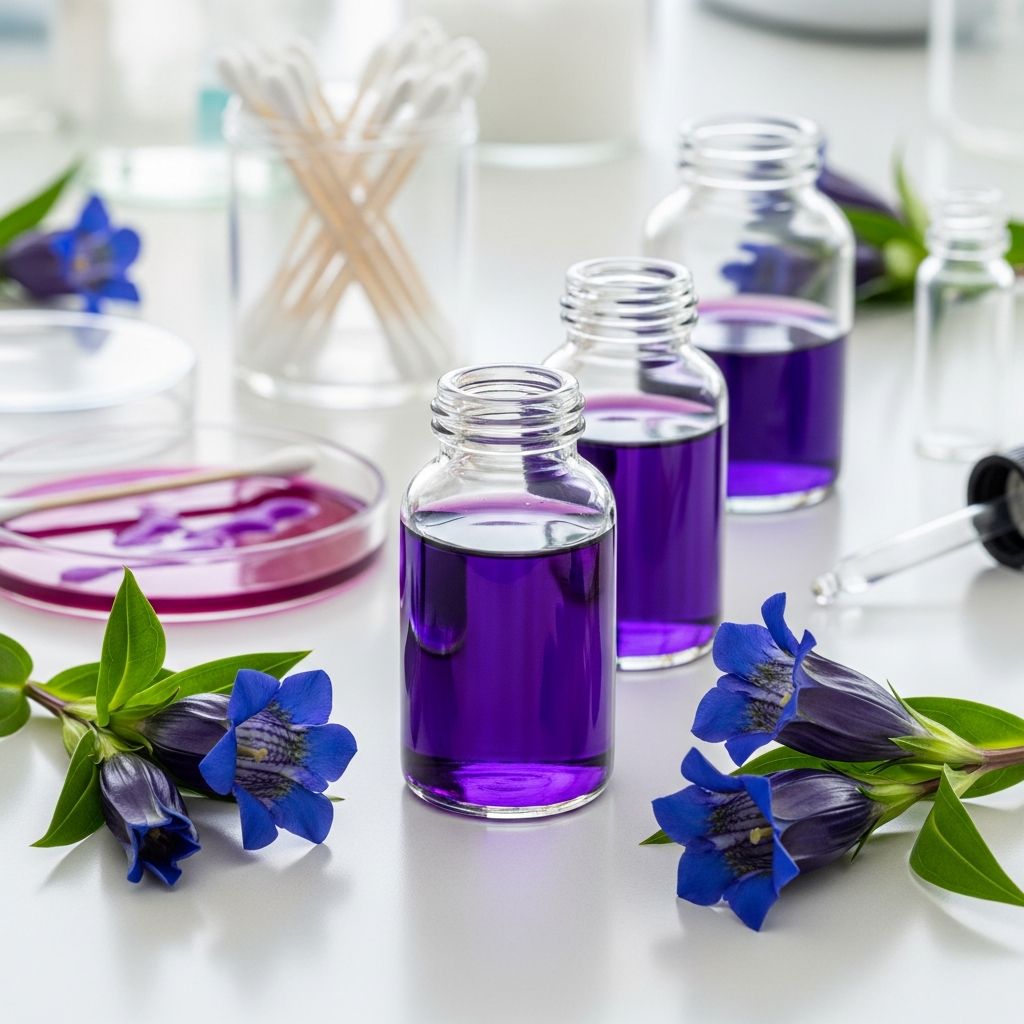
Gentian Violet: An Overview
Gentian violet, also known as crystal violet or methyl violet, is a triphenylmethane dye with a long and established history in dermatology and medical practice. This cost-effective topical agent possesses remarkable antifungal and antibacterial properties, making it a versatile treatment option for numerous dermatological conditions. Although gentian violet has been used for over a century as both a monotherapy and an adjunct treatment, its popularity has fluctuated due to the emergence of more modern pharmaceutical alternatives and regulatory changes in various countries.
In recent decades, scientific research has renewed interest in gentian violet by uncovering novel mechanisms of action and expanding applications beyond traditional uses. Researchers have identified that gentian violet targets NADPH oxidase in mammalian cells and thioredoxin reductase 2 in bacterial, fungal, and parasitic cells, which has significantly broadened its therapeutic potential. Given its efficacy, low cost, and excellent tolerability profile, gentian violet is anticipated to see increased utilization in dermatological practice during the twenty-first century.
Antimicrobial Properties and Mechanism of Action
Gentian violet demonstrates potent activity against a broad spectrum of microorganisms, making it an exceptionally valuable agent in dermatology. The dye exhibits antibacterial activity primarily against Gram-positive bacteria, with particular effectiveness against clinically significant pathogens such as Staphylococcus aureus, Streptococcus species, and Candida albicans. The mechanism by which gentian violet exerts its antimicrobial effects involves multiple pathways, though the exact process remains incompletely understood.
Multiple hypotheses explain gentian violet’s antimicrobial efficacy. These mechanisms include:
- Alteration of redox potential by the dye molecule
- Inhibition of NADPH oxidases, which are critical for cellular energy production
- Generation of free radicals that damage microbial structures
- Formation of un-ionized complexes with bacterial cells
- Inhibition of protein synthesis within microorganisms
- Disruption of glutamine synthesis pathways
- Uncoupling of oxidative phosphorylation processes
- Inhibition of bacterial cell wall formation
Notably, gentian violet’s ability to penetrate bacterial cell walls and form covalent bonds with thioredoxin reductase 2 represents a particularly important mechanism against Gram-positive bacteria. This protein is conserved across bacteria, fungi, and humans, suggesting broad-spectrum activity.
Dermatological Applications and Clinical Uses
Gentian violet has been employed to treat a diverse array of dermatological conditions throughout its long history of medical use. The following conditions represent the primary indications where gentian violet has demonstrated therapeutic benefit:
Bacterial Skin Infections
Methicillin-resistant Staphylococcus aureus (MRSA) represents one of the most significant clinical applications for gentian violet in contemporary dermatology. Clinical studies have demonstrated remarkable efficacy, with complete elimination of MRSA from infected skin lesions occurring within approximately 9-10 days of treatment initiation. In one notable study involving 12 patients with MRSA-infected pressure ulcers treated with a 0.1% gentian violet ointment, MRSA was completely eradicated from all infected areas within four weeks, with an average eradication time of 10.8 days. Beyond MRSA, gentian violet remains effective against various other Gram-positive bacterial pathogens that colonize dermatological lesions.
Fungal Infections
The antifungal properties of gentian violet make it particularly valuable in treating oral thrush and other candida infections. Research indicates that gentian violet demonstrates efficacy almost equivalent to ketoconazole in treating oral thrush in immunocompromised patients with AIDS, while proving superior to nystatin for this indication. The topical application of gentian violet solution provides a non-systemic approach to fungal management, which may be advantageous for certain patient populations.
Related Stories



Atopic Dermatitis
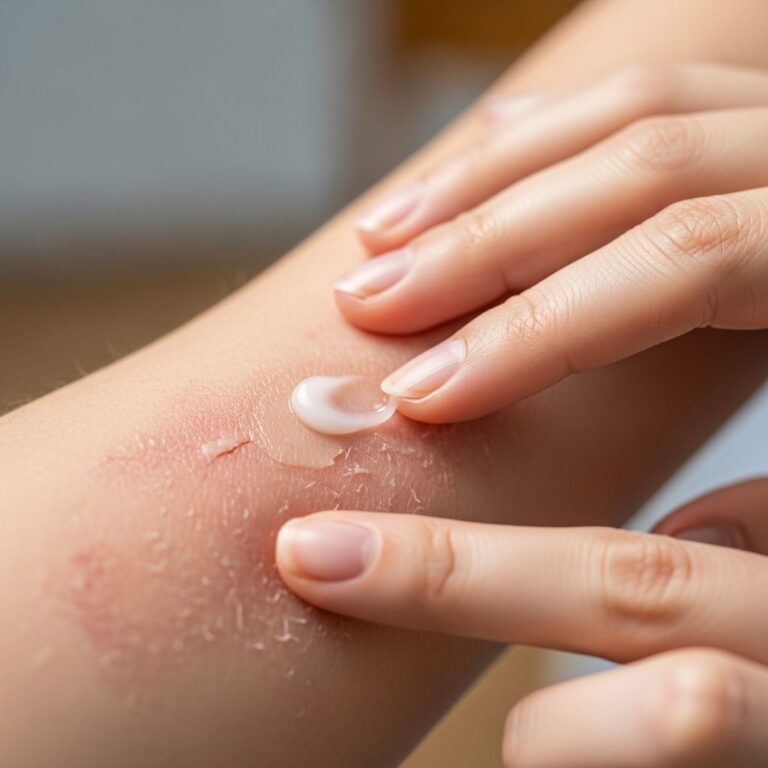
Atopic dermatitis, a chronic inflammatory skin condition often complicated by secondary bacterial colonization, responds favorably to gentian violet treatment. In clinical studies of atopic dermatitis subjects, gentian violet demonstrated the ability to significantly decrease Staphylococcus aureus colonization on lesional skin while simultaneously improving overall disease severity. The anti-inflammatory properties of gentian violet, combined with its antibacterial effects, contribute to improved outcomes in this patient population. Notably, treatment with gentian violet reduced bacterial colonization and disease severity more effectively in lesional skin compared to non-lesional skin, suggesting a direct therapeutic effect on affected areas.
Burn Wounds
When used as a dressing for burn wounds, gentian violet demonstrates superior outcomes compared to conventional silver sulfadiazine preparations. Patients treated with gentian violet experienced significantly less pain, fewer febrile episodes associated with infection, and decreased bacterial growth within the wound compared to control groups. These properties make gentian violet a valuable consideration in burn wound management protocols.
Additional Dermatological Conditions
Gentian violet has been investigated and employed for several other dermatological conditions, including cutaneous leishmaniasis, parasitic infections, and various inflammatory dermatoses. In vitro studies examining cutaneous T-cell lymphoma have shown that gentian violet demonstrates activity comparable to nitrogen mustard in stimulating apoptosis in cancer cells, opening potential avenues for further investigation in lymphoproliferative disorders.
Non-Dermatological Medical Uses
Beyond dermatological applications, gentian violet has served important roles in various other medical contexts. These include prevention of infection in umbilical cord stumps in newborns, control of certain intestinal parasitic worms such as threadworm and pinworm, prevention of Chagas disease transmission in blood banks, and as a diagnostic dye in eye surgery. In laboratory settings, gentian violet forms the basis of the Gram stain, a fundamental microbiology technique for identifying Gram-positive bacteria. These diverse applications underscore the remarkable versatility of this inexpensive agent.
Industrial and Other Uses
Beyond medical applications, gentian violet serves important functions in various industrial processes. The dye is utilized in coloring wood, silk, food products, and cosmetics, reflecting its widespread commercial value. Additionally, gentian violet serves as the coloring agent in ballpoint pen ink, demonstrating its importance in everyday consumer products.
Anti-Angiogenic and Anti-Tumor Properties
Recent investigational work has revealed exciting anti-angiogenic and anti-tumor properties of gentian violet that extend its potential applications significantly. Angiogenesis, the development of new blood vessels from existing vasculature, plays a crucial role in multiple dermatological pathologies, including hemangiomas, psoriasis, atopic dermatitis, lupus erythematosus, and malignant tumor growth with metastatic potential.
Gentian violet exerts its anti-angiogenic effects through downregulation of angiopoietin-2 production by blocking NADPH oxidase, which functions as a master regulator of angiogenesis. This mechanism simultaneously influences both angiopoietin-2 and vascular endothelial growth factor, critical mediators of new vessel formation. Experimental studies in murine hemangioma models demonstrated that gentian violet reduced intratumor angiopoietin-2 expression and achieved tumor size reduction of 95.7% compared to control groups, suggesting remarkable anti-tumor potential.
Safety Profile and Adverse Effects
Gentian violet demonstrates an excellent safety profile when used appropriately as a topical external treatment. Serious adverse effects are rare with this agent, and it is generally well-tolerated across diverse patient populations. However, certain precautions warrant consideration to optimize safety outcomes.
Medical authorities advise caution when applying gentian violet to mucous membranes and open wounds, as the dye can cause local irritation and staining in these sensitive areas. For systemic safety, gentian violet has been extensively used in blood banking applications to prevent transmission of Chagas disease, with hundreds of thousands of patients receiving blood transfusions containing gentian violet without reported adverse effects or cases of transmissible disease.
Regulatory Status and Availability
Despite its long history and demonstrated efficacy, the regulatory landscape for gentian violet has changed substantially. In many countries worldwide, gentian violet is no longer available for medical purposes, reflecting evolving pharmaceutical regulations and the emergence of alternative treatments. This regulatory shift has coincided with the development and marketing of newer systemic medications such as antibiotics and antifungals that offer specific advantages in certain clinical contexts.
However, where available, gentian violet remains an exceptionally cost-effective treatment option, making it particularly valuable in resource-limited healthcare settings. The low expense of gentian violet, combined with its broad-spectrum activity and minimal adverse effects, positions it as a potentially important agent in global dermatological practice, particularly in developing nations.
Modern Treatment Considerations
While gentian violet possesses significant therapeutic potential, important considerations influence treatment selection in contemporary dermatology practice. Clinical trial evidence, though accumulating, remains limited for many indications compared to newer pharmaceutical agents. The lack of extensive clinical trial evidence for long-term safety in some applications has contributed to the preference for more modern treatments in developed healthcare systems.
However, recent discoveries regarding novel mechanisms of action and renewed clinical interest suggest that gentian violet will likely experience resurgence in dermatological practice. For conditions where efficacy has been demonstrated—particularly MRSA infections, fungal infections in immunocompromised patients, and atopic dermatitis with bacterial colonization—gentian violet represents a valuable treatment option worthy of consideration, especially when modern alternatives are unavailable, unaffordable, or contraindicated.
Frequently Asked Questions
Q: What is gentian violet and how does it work?
A: Gentian violet is a triphenylmethane dye with antibacterial, antifungal, and antiparasitic properties. It works through multiple mechanisms, including inhibition of NADPH oxidase, formation of free radicals, and covalent bonding to proteins like thioredoxin reductase 2 in bacterial, fungal, and parasitic cells.
Q: Is gentian violet safe to use on skin?
A: Yes, gentian violet demonstrates an excellent safety profile when used as a topical external treatment. Serious adverse effects are rare. However, it should be used cautiously on mucous membranes and open wounds to avoid irritation and staining.
Q: What conditions can gentian violet treat?
A: Gentian violet has been used to treat MRSA infections, oral thrush, atopic dermatitis, burn wounds, parasitic infections, and fungal skin conditions. It may also have potential anti-tumor and anti-angiogenic properties.
Q: How effective is gentian violet compared to modern antibiotics?
A: Gentian violet demonstrates comparable or superior efficacy to certain modern treatments for specific conditions. For MRSA, it achieves complete eradication in approximately 9-10 days. For oral thrush, it is nearly as effective as ketoconazole and more effective than nystatin.
Q: Why is gentian violet not widely available in some countries?
A: In many countries, gentian violet is no longer available for medical purposes due to regulatory changes and the availability of alternative treatments. However, it remains valuable in resource-limited settings due to its low cost and broad-spectrum activity.
Q: Can gentian violet be used internally?
A: Historically, gentian violet has been used systemically for applications such as preventing Chagas disease transmission in blood banks and treating certain intestinal parasitic infections. However, topical use is more common and typically safer.
Q: Does gentian violet cause permanent staining?
A: Gentian violet causes temporary purple staining of skin and fabrics. The staining gradually fades over several days to weeks as the dye is naturally cleared from the skin through normal cellular turnover and washing.
Q: How long does gentian violet treatment typically take?
A: Treatment duration varies by condition. For MRSA infections, complete eradication typically occurs within 9-10 days. For other conditions, response times may vary and depend on the severity of infection and individual patient factors.
References
- Gentian Violet: A 19th Century Drug Re-Emerges in the 21st Century — PubMed Central, National Center for Biotechnology Information. 2014-03-15. https://www.ncbi.nlm.nih.gov/pmc/articles/PMC4396813/
- Gentian violet – DermNet — DermNet New Zealand. 2024. https://dermnetnz.org/topics/gentian-violet
- Review of the use of gentian violet in dermatology practice — eScholarship, University of California. 2012. https://escholarship.org/uc/item/79g6z0cf
- Gentian Violet: a 19th century drug re‐emerges in the 21st century — Experimental Dermatology, Wiley Online Library. 2013. https://onlinelibrary.wiley.com/doi/10.1111/exd.12257
- Effect of Gentian Violet, Corticosteroid and Tar Preparations in Staphylococcus aureus in Atopic Dermatitis — Dermatology, Karger Publishers. 1999. https://karger.com/drm/article/199/3/231/111122/Effect-of-Gentian-Violet-Corticosteroid-and-Tar
- Safety update on gentian violet antiseptic — Health Sciences Authority, Singapore. 2016. https://www.hsa.gov.sg/announcements/safety-alert/safety-update-on-gentian-violet-antiseptic
Similar Articles








Read full bio of Sneha Tete