Geographic Atrophy Symptoms: 5 Key Signs Of Advanced Dry AMD
Recognizing the early signs of geographic atrophy, an advanced form of dry AMD, to protect your central vision and quality of life.
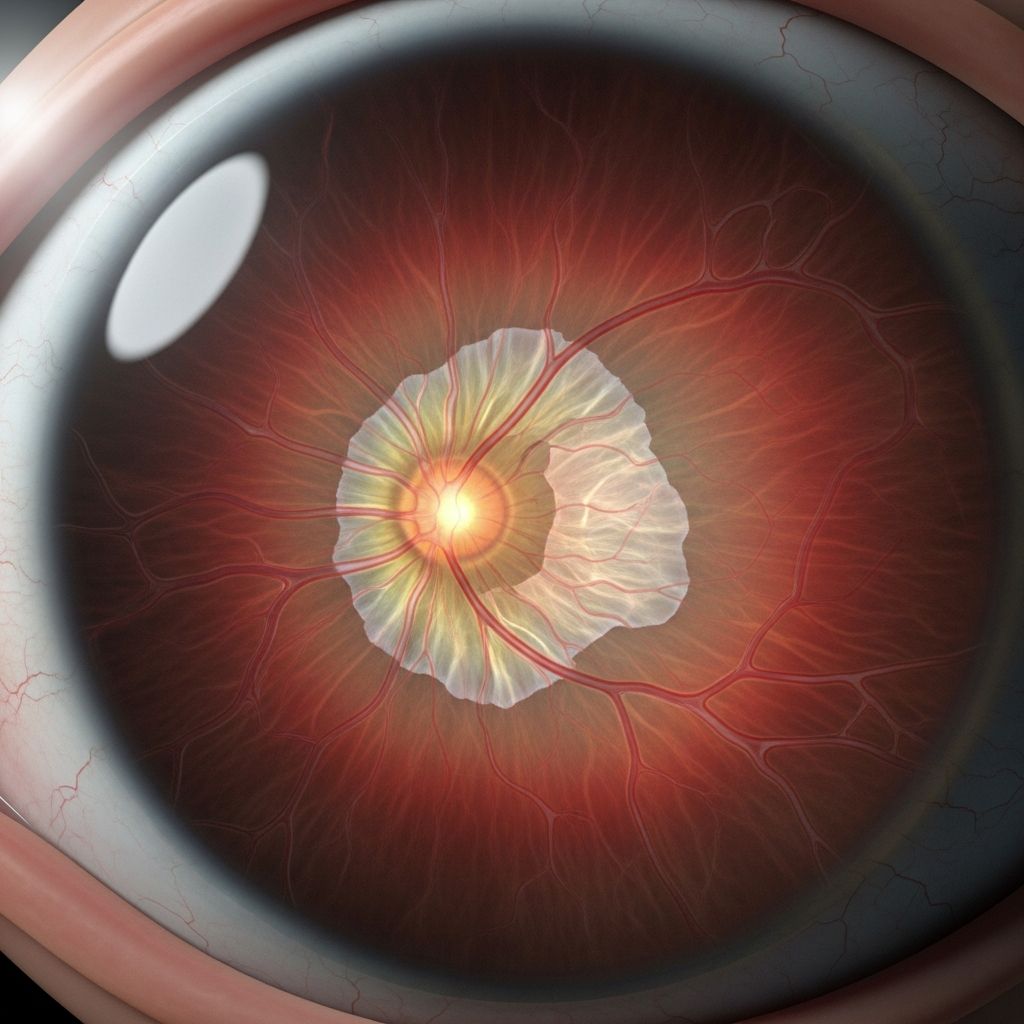
Geographic atrophy (GA), also known as advanced dry age-related macular degeneration (AMD), is a leading cause of irreversible central vision loss in people over 60. It affects the macula, the central part of the retina responsible for sharp, detailed vision needed for reading, driving, and recognizing faces. Unlike peripheral vision, which typically remains intact, GA creates growing areas of retinal cell death that form “atrophy” patches, leading to blind spots or blurriness in the center of your visual field.
Over 1 million Americans and 8 million people worldwide live with GA, impacting about 20% of those with AMD. While there’s no cure, recent FDA-approved treatments like pegcetacoplan and avacincaptad pegol can slow progression by targeting the complement system, a key driver of retinal damage. Early recognition of symptoms is crucial, as GA often starts subtly outside the exact center (fovea), delaying diagnosis until vision loss becomes noticeable.
What Is Geographic Atrophy?
Geographic atrophy represents the late stage of dry AMD, the most common form of macular degeneration. In dry AMD, retinal pigment epithelial cells and photoreceptors in the macula slowly degenerate, forming sharply demarcated atrophic lesions that resemble a map—hence the name “geographic.” These patches expand over time, typically at 1.5-2 discs per year, encroaching on central vision.
Unlike wet AMD, which involves leaky blood vessels causing rapid damage, GA progresses gradually without bleeding. However, up to 20% of GA patients may develop wet AMD features, called mixed AMD, leading to sudden vision drops. GA is bilateral in most cases, affecting both eyes, though asymmetrically. The condition spares peripheral vision, so patients rarely go completely blind but face significant challenges with daily activities requiring fine central vision.
Pathologically, GA involves overactivation of the complement cascade—an immune pathway that mistakenly attacks healthy retinal cells—combined with oxidative stress, drusen buildup (yellow deposits under the retina), and genetic factors like CFH and ARMS2 variants.
Geographic Atrophy Symptoms
Symptoms of GA develop insidiously, often unnoticed until affecting both eyes or progressing centrally. Early GA may spare a small ring of foveal tissue, preserving reading vision temporarily and contributing to diagnostic delays. Common progression: patients first report needing brighter lights or magnifying glasses, mistaking it for normal aging.
Key symptoms include:
- Fuzzy or blurry central vision: Objects in the center appear indistinct, like viewing through a smudged lens. Straight lines may seem wavy (metamorphopsia).
- Central scotomas (blind spots): Dark, dim, or missing patches in central or paracentral vision. Letters or numbers “disappear” while reading.
- Difficulty with near tasks: Trouble reading print, even with glasses; challenges in crafts, cooking, or face recognition.
- Photophobia and lighting needs: Requiring intense light for details; colors appear faded or washed out.
- Vision decline in low light: Worse at dusk or night, increasing fall risks.
Rarer acute symptoms signaling possible wet conversion:
- Sudden central blind spots.
- Rapid vision drop.
- Distorted shapes or new floaters.
Vision loss is permanent and progressive; untreated GA can reduce best-corrected visual acuity to 20/200 or worse in advanced stages, meeting legal blindness criteria.
Causes of Geographic Atrophy
The exact cause remains unclear, but GA stems from chronic retinal inflammation driven by complement dysregulation. Drusen accumulation triggers immune overresponse, killing photoreceptors and RPE cells. Environmental triggers like UV exposure and smoking accelerate this via oxidative damage.
Genetic predisposition plays a major role: variants in complement factor H (CFH) increase risk 7-fold. Aging is the strongest factor, as macular cells accumulate lifelong stress. Unlike wet AMD’s VEGF-driven angiogenesis, GA lacks neovascularization until late mixed stages.
Related Stories



Risk Factors for Geographic Atrophy
GA predominantly affects those over 60, with incidence rising exponentially after 75. Modifiable and non-modifiable risks include:
| Non-Modifiable | Modifiable |
|---|---|
| Age >60 | Smoking (2-4x risk) |
| Family history of AMD | Obesity |
| Caucasian race | Hypertension |
| Light-colored eyes | High cholesterol |
| Female sex (post-menopause) | Poor diet (low leafy greens) |
| Genetic variants (CFH, ARMS2) | High UV exposure |
Diabetes and cardiovascular disease exacerbate risk via vascular compromise. AREDS2 supplements (vitamins C/E, zinc, lutein, zeaxanthin) reduce progression risk by 25% in intermediate AMD but don’t reverse GA.
How Is Geographic Atrophy Diagnosed?
Diagnosis begins with a comprehensive dilated eye exam. Key tests:
- Amsler grid: Detects central distortions or missing areas.
- Fundus autofluorescence (FAF): Highlights atrophic lesions as black hypoautofluorescent zones.
- Optical coherence tomography (OCT): Shows RPE loss and outer retinal thinning.
- Fundus photography: Documents “geographic” atrophy patterns.
Low-luminance visual acuity testing quantifies functional impact. Genetic testing may identify high-risk profiles.
Treatments for Geographic Atrophy
No therapy restores lost vision, but two FDA-approved complement inhibitors slow GA growth by 20-30%:
- Syfovre (pegcetacoplan): Monthly or every-other-month intravitreal injection; targets C3.
- Izervay (avacincaptad pegol): Monthly C5 inhibitor.
Ongoing trials explore gene therapy, neuroprotective agents, and oral drugs. Supportive care includes AREDS2 vitamins, smoking cessation, and UV protection.
Complications of Geographic Atrophy
- Progressive vision loss impairing driving/reading.
- Wet AMD conversion (rapid hemorrhage).
- Legal blindness (20/200+).
- Mental health issues: depression, anxiety, isolation.
- Falls/injuries from poor contrast sensitivity.
Living With Geographic Atrophy
Low-vision aids help: magnifiers, high-contrast screens, audio books. Occupational therapy teaches eccentric viewing—using spared peripheral retina. Support groups address emotional toll; antidepressants may be needed. Regular monitoring prevents wet conversion.
Prevent progression: quit smoking, eat leafy greens/fish, control BP/cholesterol, wear sunglasses.
Frequently Asked Questions (FAQs)
What are the first signs of geographic atrophy?
Early signs include central blurriness, needing brighter lights for reading, faded colors, and small missing spots in central vision.
Is geographic atrophy the same as macular degeneration?
GA is the advanced dry form of age-related macular degeneration, distinct from wet AMD’s vascular leakage.
Can geographic atrophy be cured?
No cure exists, but injections like Syfovre slow lesion growth. Vision loss is irreversible.
How fast does geographic atrophy progress?
Untreated, atrophic areas expand ~1.6 mm²/year, with faster growth near fovea.
Does geographic atrophy cause total blindness?
No, peripheral vision persists, but central loss impairs daily function severely.
Who is at highest risk for GA?
People over 60 with family history, smoking, Caucasian ethnicity, and cardiovascular issues.
References
- Geographic atrophy – Symptoms and causes — Mayo Clinic. 2023-10-15. https://www.mayoclinic.org/diseases-conditions/geographic-atrophy/symptoms-causes/syc-20582973
- Geographic Atrophy (GA) — Prevent Blindness. 2024-01-10. https://preventblindness.org/geographic-atrophy/
- Geographic Atrophy: Symptoms, Causes & Treatment — Cleveland Clinic. 2024-05-22. https://my.clevelandclinic.org/health/diseases/24890-geographic-atrophy
- Geographic atrophy – Signs, symptoms, and quality of life — PubMed (PubMed Central). 2023-11-07. https://pubmed.ncbi.nlm.nih.gov/37933609/
Similar Articles








Read full bio of Sneha Tete